
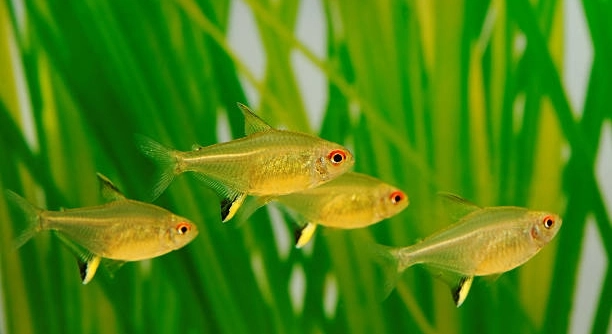
Do you ever notice your lemon tetras swimming near the glass, seemingly pausing to look outside their tank? Many fish owners wonder if these small, bright fish enjoy watching activity beyond their aquarium walls.
Lemon tetras do not have a strong preference for viewing the outside environment. While they may occasionally glance at movement, their behavior is more influenced by tank conditions, water quality, and interaction with other fish than external scenery.
Understanding this can help you create a more comfortable and stimulating environment inside the tank for your tetras to thrive.
How Lemon Tetras React to Movement Outside the Tank
Lemon tetras are naturally curious fish, but their curiosity is mostly focused on their immediate environment. They notice changes in light, shadows, and movement, but this does not necessarily mean they enjoy observing the room around them. In my experience, they will sometimes follow a hand moving along the glass or a reflection from a window, but this is more about reaction than interest. The key to their comfort is providing plenty of hiding spots and plants inside the tank. Open areas, gentle currents, and small groups of other tetras make them feel secure. When the tank is properly arranged, they spend more time swimming actively rather than staring outward. Movement outside the tank can momentarily catch their attention, but their overall well-being depends on what is inside the aquarium, including water quality, temperature, and diet. These factors outweigh any external distraction from the room.
External movement might grab their eyes briefly, but it does not affect long-term behavior.
Keeping their tank environment rich and stable encourages natural swimming, schooling, and playful interactions. Adding floating plants or subtle decorations gives them areas to explore without relying on outside stimuli. Lemon tetras are sensitive to sudden light changes or loud noises outside the tank, which can stress them if overdone. Observing their reactions can help you adjust their surroundings to minimize tension. Over time, they respond more to consistent routines within the tank than random activity beyond it.
Benefits of a Well-Arranged Aquarium
A properly arranged tank makes a noticeable difference in lemon tetra behavior.
Creating a stable environment reduces stress and promotes natural activity patterns. Plants, small hiding spaces, and smooth substrate contribute to their comfort. They swim in coordinated groups and show brighter colors when they feel secure. Avoid overcrowding, which can lead to aggression or lethargy. The placement of decorations and plants encourages exploration and gives them spots to rest. Soft lighting that mimics natural conditions helps them feel calm, while consistent feeding schedules build trust. Observing how they interact with these elements can reveal their preferences and personality. Even small adjustments, like adding a floating plant or gentle current, can keep them engaged.
When their tank meets these needs, lemon tetras show healthier behavior overall. They swim actively, school naturally, and exhibit clear, vibrant coloring. A well-maintained aquarium reduces stress-related illnesses and supports longer lifespans. Attention to detail, such as checking water parameters regularly and avoiding sudden temperature swings, ensures their environment remains suitable. While external movement may briefly attract their notice, the internal setup is far more influential. A tank arranged thoughtfully also provides visual interest for the owner, making care more rewarding. Over time, you notice patterns in how your tetras move, interact, and rest, showing that their behavior is shaped more by internal comfort than external views. Consistency in care fosters stable, healthy, and lively fish.
Signs Lemon Tetras Notice Outside Movement
Lemon tetras may glance toward movement outside the tank, but this is usually brief. They quickly return to swimming, interacting with tank mates, or exploring plants, showing that their attention is mostly inside the aquarium.
They respond more to changes in light or shadows than actual objects. A hand passing by or a reflection might catch their eye momentarily, but they rarely stay focused for long. This behavior shows alertness rather than interest. Observing them over time, I noticed that the tetras react when sudden movement occurs but resume normal activity once it settles. Their schooling behavior remains consistent, regardless of outside distractions. Their focus on tank mates and surroundings indicates that internal environment has a greater influence on well-being than external activity.
Even though they notice motion outside, it rarely causes stress. They are more sensitive to water quality, temperature changes, and tank layout. Minor external movements are quickly ignored once the environment inside feels stable. Lemon tetras are reactive, not easily distracted for long periods, and maintaining a calm interior tank environment keeps them confident and active.
Creating an Engaging Aquarium Interior
Plants, decorations, and hiding spots encourage natural behaviors. Lemon tetras explore, school, and rest comfortably when the tank feels secure.
A balanced aquarium includes tall plants, floating greenery, and small caves. These elements provide shelter and variety, letting tetras move freely without stress. I added a few live plants and noticed they explored more, often swimming between leaves and decorations. Open swimming spaces are also important, allowing them to school naturally. Proper water flow, temperature, and lighting support activity and coloration. By focusing on interior enrichment, I saw the fish become calmer and more interactive with each other, rather than being distracted by outside movement. A well-set tank promotes healthier, happier tetras overall, showing that internal factors outweigh external visual stimuli.
Lighting and External Views
Lemon tetras react more to light changes than actual scenery. Sudden shifts can catch their attention, but consistent lighting keeps them calm and focused on their tank environment.
Natural light through a window may cause brief curiosity, but bright or flickering light can stress them. A steady light schedule is more important than the view outside.
Tank Placement and Visibility
Where the tank sits influences how much external movement is noticed. Tetras are calmer when the tank is away from heavy foot traffic or constant activity.
Placing the aquarium in a quieter corner reduces sudden distractions. I positioned mine near a calm wall, and the tetras swim more freely, spending less time near the glass. Low traffic areas prevent unnecessary stress and support consistent behavior, making them feel secure and encouraging natural interactions with tank mates.
Reflections and Glass Surfaces
Reflections on the glass can catch lemon tetras’ attention, though they often ignore them after a moment. They may follow fleeting images, but it does not hold their focus long.
Tank Size Considerations
Larger tanks provide more internal stimulation. With space to explore, tetras are less concerned with outside movement, showing healthier behavior overall.
FAQ
Do lemon tetras enjoy looking outside the tank?
Lemon tetras do not have a strong preference for watching activity outside their aquarium. They may glance at movement briefly, like a hand passing by or a reflection on the glass, but this attention is short-lived. Their main focus remains inside the tank, on plants, decorations, and other fish. Observing my tetras, I noticed they return to normal swimming patterns almost immediately after noticing outside movement. Providing a comfortable interior environment is far more important for their well-being than offering external visual stimulation.
Can outside movement stress lemon tetras?
Sudden or frequent motion outside the tank can startle tetras, especially if the tank is in a high-traffic area. I once had the tank near a hallway, and the tetras seemed tense when people walked past. Moving the aquarium to a quieter spot helped them settle and swim more naturally. Stress from external movement is usually temporary, but repeated disturbances can make them skittish. Stable lighting, calm surroundings, and predictable routines reduce stress more effectively than worrying about every passing shadow or reflection.
How can I make my tank more engaging for lemon tetras?
Adding live or artificial plants, small caves, and smooth decorations encourages exploration. Lemon tetras enjoy swimming through leaves and hiding spots, which promotes natural schooling behavior. Open spaces are also important so they can move freely. In my tank, floating plants and a few small hiding spots kept the tetras active and calm. Consistent water quality, gentle filtration, and proper temperature further support healthy behavior. By enriching the interior, they focus on the tank environment rather than external movement, reducing unnecessary stress and promoting lively activity.
Do lemon tetras react to reflections?
Yes, reflections on the glass can briefly catch their attention. They may follow moving reflections or their own image, but this rarely lasts long. In my tank, the tetras occasionally swam toward bright reflections but soon returned to swimming with the group. These reactions are natural and do not indicate a desire to interact with the outside world. Proper tank placement and lighting can minimize unwanted reflections, keeping them comfortable and focused on natural activities inside the aquarium.
Does tank size affect how much tetras notice outside activity?
Larger tanks provide more internal space and stimulation, making external movement less noticeable. In a smaller tank, tetras may be more aware of what’s happening outside because they have fewer places to explore. I upgraded a 10-gallon tank to 20 gallons and observed that the tetras spent far more time swimming and schooling rather than watching outside movement. Giving them space to explore helps reduce stress and encourages natural behavior, making the interior environment the main source of engagement.
Will lemon tetras stare at people through the glass?
They may appear to stare, but this is often curiosity or a reaction to sudden movement. Tetras are naturally alert and notice shadows or changes in light. In my experience, they rarely fix their gaze for long periods. Their attention quickly shifts back to tank mates, plants, and swimming areas. Staring does not indicate a preference for observing humans but is instead a normal response to changes in their immediate environment.
Is it better to block the view outside the tank?
Blocking external distractions can help keep tetras calm, especially in high-traffic areas. I placed a decorative background on the tank, and the tetras became more active and less reactive to passing movement. While it is not strictly necessary, limiting external stimuli can reduce unnecessary stress. The tank’s interior setup, water quality, and consistent care are far more important for their behavior and health than whether they can see outside.
Do tetras benefit from seeing other pets or family members?
Not particularly. Lemon tetras respond mostly to conditions inside the tank. Sudden appearances of other pets or quick movements from people can startle them, which may cause brief hiding or scattering. Over time, they learn routines and become less reactive, but their overall comfort depends on a stable interior, not external interaction. Proper tank enrichment and predictable care routines ensure they remain confident and healthy.
How often should I monitor their reactions to outside activity?
Regular observation helps notice stress signs, but constant monitoring is unnecessary. I check my tetras a few times a day to ensure they swim normally, school together, and show bright coloring. If they hide frequently or act erratically, I assess the tank environment and reduce external disturbances. Most minor outside activity is harmless, but consistent observation ensures their comfort and allows adjustments to lighting, placement, or decorations when needed.
Can outside activity improve their engagement?
Occasional movement may briefly attract attention, but it is not a reliable source of stimulation. Lemon tetras thrive on interior enrichment and predictable care. Overemphasis on external activity can lead to stress if frequent or sudden. In my experience, providing plants, hiding spots, and open swimming areas creates more consistent engagement than relying on external motion. Their primary source of activity and interaction comes from a well-maintained, stimulating tank interior.
Lemon tetras are small, lively fish that respond mostly to what happens inside their aquarium rather than outside activity. While they may notice movement or light changes beyond the tank, these reactions are usually brief and do not indicate a real interest in the room around them. Their attention quickly returns to swimming, exploring plants, and interacting with other tetras. Over time, I have noticed that their behavior is much more influenced by the tank’s setup, water quality, and the presence of hiding spaces than by what is happening outside the glass. Understanding this makes it easier to provide an environment that supports natural behaviors and overall health.
A well-arranged tank can make a significant difference in their daily activity. Providing a mix of open swimming space, floating plants, and small decorations allows them to explore safely and express natural schooling behavior. Lemon tetras enjoy moving in groups and interacting with tank mates, and these behaviors are encouraged when the interior environment is comfortable and stable. In my experience, even minor changes like adding a few live plants or small caves increased their activity and reduced stress-related hiding. Consistent water parameters, proper lighting, and moderate water flow also contribute to a calm, healthy aquarium. While outside movement may catch their eye temporarily, it is the interior environment that has a lasting impact on how active and confident they are.
Focusing on their needs inside the tank ensures that lemon tetras remain happy and healthy. Tank placement away from heavy foot traffic, reflections, and sudden light changes helps reduce unnecessary stress, but enrichment inside the aquarium is far more important. Observing their reactions over time helps identify what works best, whether it is adding a floating plant, adjusting lighting, or providing additional hiding spots. By prioritizing a stable, engaging interior environment, the tetras spend more time swimming, schooling, and showing vibrant colors. External activity becomes a minor distraction rather than a primary source of stimulation. Overall, a thoughtful setup, consistent care, and attention to water quality create a comfortable environment where lemon tetras thrive naturally and exhibit their full, lively behavior.

Hello,
If you enjoy the content that we create, please consider saying a "Thank You!" by leaving a tip.
Every little bit helps us continue crafting quality advice that supports the health, happiness, and well-being of pets around the world, for pets of all shapes, sizes, and species.
We really appreciate the kindness and support that you show us!