
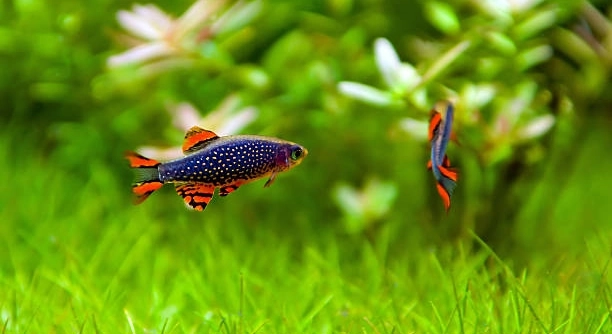
Celestial Pearl Danios are small, colorful fish that bring charm to any freshwater aquarium. Observing them in their tank can be relaxing, and many hobbyists enjoy learning how these fish respond to changes in their environment.
Celestial Pearl Danios generally respond positively to regular, moderate water changes, showing reduced stress and increased activity. Sudden or large water changes, however, can cause temporary shock, making gradual adjustments the most effective approach for maintaining their health.
Proper water management is key to keeping these delicate fish thriving. Understanding their reactions will help ensure a stable and happy tank environment.
Understanding Their Sensitivity to Water Changes
Celestial Pearl Danios are small but sensitive fish. Sudden shifts in water temperature, pH, or hardness can make them stressed, which often shows as hiding or erratic swimming. I noticed that even small changes in my own tank sometimes made them pause and adjust slowly. Gradual water changes allow their bodies to acclimate and avoid stress. These fish are naturally cautious and notice changes in their surroundings more than many other tropical fish. They respond well to a routine, so keeping a consistent schedule for water changes helps them feel secure. Watching them after a water change can teach a lot about their preferences and tolerances. It also helps identify problems before they escalate. Small steps, like using pre-mixed water at the right temperature, make a big difference. Observing how they behave after the change helps ensure they remain healthy and active, making tank maintenance less stressful for both fish and owner.
Regular water changes keep the tank healthy and reduce harmful waste buildup, helping fish stay active and vibrant.
Consistency in water changes directly affects their overall health. Proper scheduling prevents spikes in ammonia and nitrites, which can harm their gills and digestive systems. Fish thrive when changes are predictable, and their feeding and activity patterns remain steady. Even small adjustments in water chemistry are easier to manage if you change water gradually, allowing the fish to adapt. Over time, this routine promotes growth and reduces susceptibility to disease, making the aquarium a safe environment for Celestial Pearl Danios. Observing their behavior before, during, and after water changes is valuable, as subtle signs often indicate stress or discomfort. By keeping the process calm and steady, you maintain the balance of the tank while supporting the fish’s natural rhythms. This method also reduces the risk of introducing harmful compounds from untreated water, giving peace of mind that the tank is both safe and stable for these delicate fish.
Tips for a Smooth Water Change
Using water that matches the tank’s temperature helps prevent shock.
Always prepare water in advance to ensure it is free of chlorine and heavy metals. Slowly add the new water to avoid sudden changes in the tank environment. A siphon can help remove debris from the substrate without disturbing the fish too much. Monitoring temperature and testing water parameters after a change ensures everything stays within safe limits. Maintaining a gentle flow during the change helps Celestial Pearl Danios stay calm, preventing them from darting or hiding excessively. Planning smaller, frequent water changes often works better than infrequent, large ones. Over time, the fish will respond calmly, and your maintenance routine becomes easier. Watching them after changes provides insight into their comfort level, allowing you to adjust techniques for their specific needs. Overall, patience and preparation make water changes simple and stress-free.
Keeping a consistent schedule and carefully observing your fish ensures they remain healthy and active. Gradual, well-prepared water changes reduce stress, stabilize the tank environment, and prevent sudden spikes in harmful chemicals. Monitoring temperature, pH, and hardness allows you to respond quickly to minor shifts before they affect the fish. Using dechlorinated, pre-mixed water and adding it slowly encourages them to stay active and maintain normal behavior. Even small, routine maintenance steps help build a stable tank ecosystem. Over time, Celestial Pearl Danios learn to adjust to changes without panic, which supports feeding habits and overall growth. Simple practices like testing water parameters regularly, preparing water in advance, and observing fish closely make a significant difference in their wellbeing. Your careful approach fosters a healthy, balanced aquarium where these delicate fish can thrive, and it makes maintenance less stressful for both you and your fish.
Monitoring Their Behavior During Changes
Observing Celestial Pearl Danios during water changes helps spot stress early. Rapid movements, hiding, or loss of color indicate discomfort. Gentle handling and slow water adjustments minimize these reactions and maintain a calm tank environment.
Tracking their responses over time gives insight into their tolerance for changes. I noticed that my fish often linger near plants or decorations when water is being replaced. Some may dart briefly but quickly return to normal activity if the change is gradual. Recording these patterns helps adjust water change routines to reduce stress. Regular observation also highlights subtle differences in behavior, like feeding eagerness or resting patterns, which reflect their overall health. Making small adjustments based on what you see ensures the fish stay active and comfortable while the tank remains balanced.
Behavior after water changes is a strong indicator of tank health. Active, brightly colored fish signal that the water conditions are appropriate. Monitoring these signs helps prevent long-term stress and ensures any issues are addressed early.
Adjusting Water Parameters Gradually
Small, consistent changes in temperature and pH are safest. Sudden shifts can harm delicate fish like Celestial Pearl Danios, causing stress and illness.
I adjust my tank water gradually over several hours to avoid shocking the fish. Even a minor temperature drop can make them sluggish or hide for extended periods. Matching water hardness and pH to their natural habitat supports feeding and reproduction. Using a thermometer and test kits ensures accuracy. Over time, the fish become accustomed to the routine, responding calmly and maintaining normal activity. This approach also reduces the risk of harmful chemical spikes from untreated water, keeping the tank stable and healthy. Observing their reactions after adjustments allows further fine-tuning to keep conditions optimal.
Gradual parameter changes promote long-term health by preventing stress-related illness. Fish adapt better when water shifts are minimal and predictable. Sudden changes can trigger immune system suppression, making them more vulnerable to disease. Maintaining consistency in temperature, pH, and hardness ensures they remain active and feed normally. Testing water regularly identifies subtle fluctuations before they cause problems. This careful approach supports growth, coloration, and overall vitality. Over time, Celestial Pearl Danios show steadier behavior and fewer signs of stress, making maintenance easier and the tank more stable.
Preparing Water in Advance
Preparing water before a change prevents stress. I always use dechlorinated, temperature-matched water to avoid shocking the fish. Small adjustments help them stay calm and active during the process.
Using treated water ensures harmful chemicals like chlorine or chloramine do not reach the tank. Pre-mixing and letting it sit briefly stabilizes temperature and reduces sudden shifts.
Maintaining a Gentle Flow
A gentle water flow during changes keeps fish calm. Strong currents can cause erratic swimming and hiding.
Keeping the flow steady helps Celestial Pearl Danios adapt without panic. I often use a small siphon or bucket to control the speed, making the process smoother for both the fish and the tank.
Observing Subtle Signs of Stress
Subtle changes in color or fin position indicate stress. Noticing these early prevents health issues.
Regularly checking for minor behavioral changes, such as decreased movement or hiding near plants, helps maintain a healthy environment. Adjusting care based on these observations supports their long-term wellbeing.
FAQ
How often should I change the water for Celestial Pearl Danios?
I usually perform a 20–25% water change once a week. This helps keep ammonia and nitrite levels low while maintaining stable water parameters. Smaller, regular changes are less stressful than infrequent large ones, and the fish respond better to predictable routines.
What temperature should the replacement water be?
The water should match the tank temperature closely, ideally within one or two degrees Celsius. Sudden temperature drops can shock the fish, making them hide or become sluggish. I always measure the new water with a thermometer before adding it to the tank.
Can I change all the water at once?
Changing all the water at once is risky for Celestial Pearl Danios. Large changes can drastically alter pH, hardness, and temperature, causing stress or illness. Gradual, partial changes are much safer and allow the fish to adjust.
Do Celestial Pearl Danios need any special water treatment?
Yes, I always treat new water to remove chlorine and chloramine. Using a water conditioner ensures the fish are not exposed to harmful chemicals. Letting the water sit briefly helps it stabilize before adding it to the tank.
How do I know if they are stressed after a water change?
Stress signs include hiding, loss of color, or erratic swimming. I watch my fish closely for the first hour after a change. If they return to normal activity quickly, the water change was handled well. Persistent hiding may indicate a problem with water quality or temperature.
Is it safe to use tap water directly?
Tap water must always be treated. Even small amounts of chlorine or chloramine can harm Celestial Pearl Danios. I use a dechlorinator and sometimes pre-condition the water by letting it sit overnight to ensure temperature and chemical levels are safe.
Can water hardness affect their reaction?
Yes, changes in hardness can impact stress levels and overall health. Sudden shifts may cause hiding or reduced appetite. I aim to maintain consistent hardness, adjusting slowly if necessary to match their natural environment.
Should I change water more often if the tank is crowded?
Yes, higher bioload increases waste, so more frequent partial changes may be needed. I keep an eye on ammonia and nitrite levels with test kits to decide when additional changes are required. Regular maintenance keeps the tank safe and fish healthy.
Does feeding before or after a water change matter?
Feeding before a water change can lead to leftover food affecting water quality. I usually feed my fish after the change to ensure they are active and able to eat without introducing extra waste into the newly treated water.
What’s the best way to add new water?
Pouring gently or using a siphon reduces disturbance. I often use a small container to trickle the water slowly along the side of the tank. This prevents sudden current changes and keeps Celestial Pearl Danios calm while the new water mixes in.
How long should I observe them after a change?
I watch them for at least 30–60 minutes, noting behavior and swimming patterns. Early observation helps spot stress or temperature issues, allowing me to make adjustments quickly. Calm, active fish indicate the water change was successful.
Can they adapt to different water types over time?
Gradual adjustments can allow adaptation to slightly different parameters, but sudden changes should always be avoided. I introduce new water slowly and monitor the fish, ensuring they remain comfortable and healthy while adapting.
Is there a maximum amount of water I should change at one time?
I never exceed 30% of the tank at once. Larger volumes risk shocking the fish by altering chemistry too quickly. Smaller, routine changes are safer and more effective in keeping the tank stable and the fish active.
What tools help make water changes easier?
A siphon, bucket, thermometer, and test kits make the process simpler and safer. I use a gentle siphon to remove debris and monitor water parameters before and after each change, keeping stress low and ensuring a healthy tank environment.
Can water changes affect breeding or fry survival?
Yes, sudden changes can stress adults and fry. I perform very gradual changes during breeding periods and carefully match temperature, pH, and hardness to avoid disturbing eggs or young fish. Gentle water adjustments support healthy reproduction and growth.
How do I maintain consistent water parameters over time?
Regular testing, pre-treated water, and slow adjustments help maintain stable conditions. I record readings to notice trends and prevent sudden changes, ensuring Celestial Pearl Danios remain healthy, active, and brightly colored in their tank environment.
Can plants help during water changes?
Live plants absorb some waste and reduce stress by providing hiding spots. I rely on plants to buffer minor fluctuations, making water changes less stressful and helping maintain a balanced tank ecosystem for my fish.
Are there seasonal considerations for water changes?
Yes, room temperature fluctuations can affect tank water. I monitor the water more closely during seasonal changes and adjust heating or cooling slowly to maintain a stable environment for the fish.
Is observation more important than strict schedules?
Observation is key. I follow a schedule but prioritize watching the fish’s reactions. Behavior often indicates when adjustments are needed, helping ensure the water change process supports their health without causing stress.
How do I combine all these tips for a smooth routine?
I plan small, regular changes with pre-treated water, maintain gentle flow, monitor behavior, and record parameters. This consistent approach keeps the tank balanced, fish healthy, and water changes efficient, reducing stress for Celestial Pearl Danios while keeping maintenance manageable.
Final Thoughts
Celestial Pearl Danios are small, delicate fish that respond strongly to their environment. Maintaining stable water conditions is essential to keeping them healthy and active. Regular, gradual water changes are the easiest way to achieve this. I have found that small, consistent changes are far more effective than occasional large ones. Sudden shifts in temperature, pH, or water hardness can make these fish stressed, causing them to hide, lose color, or swim erratically. Observing their behavior after a water change is just as important as the change itself. It allows you to see how they are coping and whether any adjustments are needed. Over time, I have learned to notice subtle signs of stress, like slower movement or slight changes in fin position. These small details help me respond quickly and maintain a stable environment. When water changes are handled gently, Celestial Pearl Danios recover quickly and remain active and brightly colored. Consistency and careful observation make a noticeable difference in their overall health.
Water preparation is another critical aspect. I always pre-treat the new water to remove chlorine and other harmful chemicals. Matching the water temperature to the tank is also important. Even small differences can cause shock, which is easily avoidable with careful preparation. I usually let the water sit briefly to stabilize temperature and parameters before adding it to the tank. Using gentle pouring techniques or a siphon reduces stress during the process. Maintaining a calm environment while the water is added helps the fish feel secure and prevents them from panicking. I have also learned that monitoring water hardness and pH gradually over time prevents sudden changes that can harm these sensitive fish. Keeping track of these parameters allows me to notice any trends and adjust before problems develop. Gradual adjustments help Celestial Pearl Danios adapt comfortably without putting their health at risk.
Finally, observation and routine are key. Watching how your fish react to changes tells you more than any schedule alone. Each tank and group of fish is slightly different, and learning their individual responses helps you care for them better. I have noticed that once the fish get used to regular, gentle water changes, they become calmer and maintain healthy activity levels. Plants and hiding spots also reduce stress, giving the fish comfort while the water is adjusted. A careful approach benefits both the fish and the tank’s ecosystem, preventing chemical spikes, maintaining balance, and supporting healthy growth. Over time, proper water change practices make maintenance easier and more predictable. By combining regular observation, gentle water changes, and careful preparation, Celestial Pearl Danios thrive, showing vibrant colors and active behavior while remaining healthy in their tank environment.

Hello,
If you enjoy the content that we create, please consider saying a "Thank You!" by leaving a tip.
Every little bit helps us continue crafting quality advice that supports the health, happiness, and well-being of pets around the world, for pets of all shapes, sizes, and species.
We really appreciate the kindness and support that you show us!