
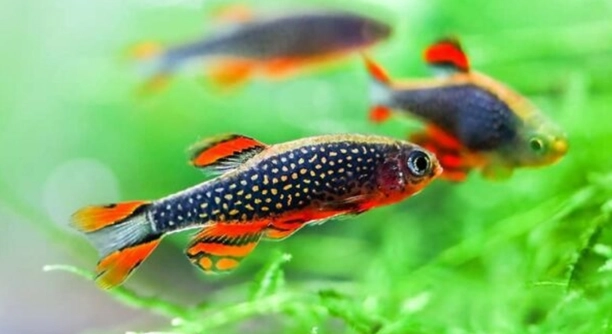
Do you enjoy keeping colorful freshwater fish but wonder how many companions your Celestial Pearl Danios truly need for a happy tank? These small, sparkling fish are social creatures that thrive in a lively environment with friends.
Celestial Pearl Danios exhibit optimal social behavior when kept in groups of seven or more. Maintaining this number supports natural schooling tendencies, reduces stress, and encourages active swimming patterns, contributing to both physical health and psychological well-being.
Maintaining the right group size ensures harmony in your tank while promoting the vibrant activity these fish are known for. Proper care leads to a healthier, more engaging aquarium environment.
Social Behavior of Celestial Pearl Danios
Celestial Pearl Danios are naturally schooling fish, which means they feel most secure in groups. In smaller numbers, they can become timid, hiding frequently and showing less activity. Observing a group of seven or more reveals more natural behaviors, such as synchronized swimming, playful chasing, and exploring their tank. They communicate subtly through movement and color changes, which is less noticeable in pairs or trios. Stress can also manifest as loss of coloration or reduced appetite. By keeping a larger group, aggression is minimized because dominance is spread across multiple individuals rather than focused on one. Additionally, these fish are visually striking, and larger groups enhance the aesthetic appeal of the tank. Providing hiding spots and plants allows them to feel safe while still moving freely. The combination of social structure and environmental enrichment leads to happier, healthier fish that display their natural charm consistently.
Larger groups reduce stress and promote consistent activity patterns, making the tank a lively, balanced environment for Celestial Pearl Danios.
Observation shows that their schooling behavior is more fluid with seven or more members. Smaller groups may huddle or remain stationary, but in larger groups, interactions are dynamic and engaging. Fish explore more, chase playfully, and establish a clear but subtle social order. This enhances tank health, reduces aggression, and supports proper feeding behavior, as no single fish dominates the space. Visual appeal improves with coordinated swimming and vibrant colors, reflecting the fish’s natural state. Even in limited space, prioritizing a group of seven ensures they remain active, reduces hiding tendencies, and encourages healthier interactions. Maintaining consistent group numbers allows caretakers to monitor behavior effectively and notice signs of stress or illness early. For anyone keeping Celestial Pearl Danios, understanding their social needs directly impacts the enjoyment of observing them and the overall well-being of the aquarium ecosystem.
Optimal Tank Setup
Providing ample space and hiding spots is key for their comfort. Plants, rocks, and gentle currents mimic their natural habitat, encouraging exploration.
Tank size should accommodate the number of fish while maintaining water quality. For seven or more Danios, at least a 20-gallon tank is recommended. Decorations create territories, reducing stress and encouraging natural movement. Water parameters, such as pH and temperature, should remain stable to support health. Overcrowding can lead to aggression or disease, while understocking may result in shy, withdrawn fish. A well-planned setup balances social and environmental needs, ensuring active, colorful, and resilient Danios. Proper filtration, regular water changes, and attention to lighting also influence activity levels and coloration, making the tank a dynamic, healthy space for the group to thrive.
Tank design directly affects social behavior, health, and activity. A thoughtfully arranged environment supports schooling, reduces hiding, and keeps your Celestial Pearl Danios vibrant and engaged daily.
Feeding and Nutrition
Celestial Pearl Danios need a balanced diet with both protein and plant-based foods. Small pellets, flakes, and occasional live or frozen treats keep them healthy and active. Overfeeding can lead to water issues, so portion control is important.
Feeding should occur two to three times daily in small amounts. They consume food quickly, so uneaten portions must be removed to prevent water contamination. A mix of high-quality flake food and occasional live foods, such as daphnia or brine shrimp, ensures they get enough nutrients. Rotating food types maintains interest and supports coloration and growth, while supplements like spirulina can enhance vibrancy and health over time. Monitoring eating behavior helps identify stress or illness early, as reluctant eaters may need attention or a diet adjustment.
Providing varied nutrition supports energy, color, and longevity. Regular feeding schedules reduce stress, encourage social interaction, and ensure all members of the group get adequate food. Consistency and careful observation are key for a thriving tank.
Water Quality and Maintenance
Maintaining clean water is critical for Celestial Pearl Danios’ health. Regular changes prevent buildup of toxins and keep parameters stable, ensuring active, stress-free fish.
Water temperature should be kept between 22°C and 26°C, with a stable pH around 6.5–7.5. Weekly partial water changes of 25–30 percent help maintain clarity and reduce harmful compounds. Filtration must provide gentle flow, avoiding strong currents that stress the fish. Testing ammonia, nitrite, and nitrate levels is essential to catch issues early, and cleaning the substrate prevents detritus buildup. Proper maintenance directly affects activity, coloration, and social behavior, making it a crucial aspect of care for both small and larger groups.
In addition to regular water changes, monitoring tank conditions ensures the group remains healthy. Overcrowding or neglecting maintenance can lead to illness, stress, or reduced lifespan. Attention to filtration, water chemistry, and debris removal supports a stable, vibrant environment. Combining these practices with balanced feeding and proper tank setup creates ideal conditions for Celestial Pearl Danios to display natural schooling behavior, lively swimming, and bright coloration. A consistent routine helps prevent sudden problems, allowing fishkeepers to enjoy observing dynamic and healthy groups without frequent setbacks.
Tank Companions
Celestial Pearl Danios are peaceful and do well with other small, non-aggressive species. Avoid large or aggressive fish that may intimidate or stress them.
Suitable companions include small rasboras, tetras, and shrimp. Maintaining a calm, compatible community supports natural behavior and reduces conflict.
Breeding Considerations
For breeding, provide fine-leaved plants or spawning mops. Separating eggs from adults prevents predation. Maintaining stable water conditions and feeding high-protein foods encourages healthy development of fry. A dedicated breeding tank improves survival rates and allows careful observation of growth.
Common Health Concerns
Watch for signs of disease such as faded color, lethargy, or unusual swimming patterns. Early detection and treatment help maintain a healthy group.
FAQ
How many Celestial Pearl Danios should I keep together?
A minimum of seven is recommended to support their natural schooling behavior. Smaller groups can become timid or stressed, while larger groups allow for more dynamic interaction and reduced aggression. Maintaining a stable group size promotes activity and overall health.
Can they live with other fish species?
Yes, they are peaceful and compatible with small, non-aggressive fish. Tetras, rasboras, and small shrimp are suitable companions. Avoid larger or territorial species that may intimidate or harm them, as stress can reduce activity, color, and appetite.
What tank size is ideal for seven or more Danios?
A 20-gallon tank or larger is ideal. This provides enough swimming space and supports water stability. Overcrowding leads to stress, increased aggression, and poor water quality. Adequate space also allows plants and decorations to create territories and hiding spots.
What water conditions do they need?
They prefer temperatures between 22°C and 26°C with a pH of 6.5–7.5. Consistent water parameters are crucial to prevent stress and illness. Regular testing for ammonia, nitrites, and nitrates ensures the tank remains safe for all fish.
How often should I feed them?
Feed two to three times daily in small amounts. A mix of high-quality flakes or pellets and occasional live or frozen foods supports growth, coloration, and energy. Avoid overfeeding, as leftover food can pollute the water.
Do they require special lighting or tank decor?
Moderate lighting highlights their coloration, but too much can stress them. Plants, rocks, and gentle currents create hiding spots and simulate a natural environment. Decorations help maintain social order by providing small territories within the group.
How can I tell if they are stressed or unhealthy?
Signs include faded color, reduced activity, hiding, or irregular swimming. Stress may result from overcrowding, poor water quality, or aggressive tank mates. Early detection allows prompt intervention, such as adjusting group size or improving tank conditions.
Can Celestial Pearl Danios breed in a community tank?
They can, but eggs are often eaten by adults. Using a breeding tank with fine-leaved plants or spawning mops increases fry survival. Feeding high-protein foods and maintaining stable water conditions encourages successful breeding.
How do I maintain water quality for a larger group?
Perform weekly partial water changes of 25–30 percent and monitor ammonia, nitrites, and nitrates. Use gentle filtration to avoid strong currents that stress the fish. Clean substrate regularly to prevent detritus buildup and maintain clarity.
Are there any common illnesses to watch for?
They can be prone to common freshwater diseases like ich or fin rot if water quality is poor. Observing behavior and appearance regularly allows early treatment. Quarantining new fish and maintaining clean, stable conditions reduces risk of infection.
Is it necessary to adjust feeding for larger groups?
Yes, ensure all fish receive adequate nutrition. Spread food across the tank so no individual is left out. Rotating food types, including flakes, pellets, and occasional live foods, supports health, coloration, and energy levels.
How long do Celestial Pearl Danios live?
With proper care, they typically live three to five years. Maintaining stable water conditions, a balanced diet, and appropriate group size maximizes lifespan and ensures active, vibrant behavior throughout their lives.
What are signs of successful social behavior?
Groups that swim together, explore the tank, and show minimal hiding indicate a well-adjusted school. Coordinated swimming, playful chasing, and vibrant coloration reflect low stress and a healthy, balanced environment.
Can I keep more than seven in a small tank?
Avoid overcrowding. While social behavior benefits from larger groups, space and water quality limitations can cause stress, disease, and aggression. Prioritize tank size and filtration to support additional fish safely.
Do they require supplemental vitamins or special diets?
A varied diet of flakes, pellets, and occasional live foods usually provides sufficient nutrition. Occasional supplements like spirulina can enhance coloration and health, but a consistent, balanced diet is the most important factor for long-term well-being.
How do I introduce new Danios to an established group?
Quarantine new fish for at least two weeks. Introduce them gradually to reduce stress and aggression. Monitor interactions closely to ensure they integrate smoothly without disrupting existing social dynamics.
Can stress affect coloration?
Yes, stressed or sick Danios may appear dull or faded. Ensuring stable water parameters, compatible tank mates, and adequate group size helps maintain vibrant colors. Proper feeding and a secure environment also contribute to visual health.
Are they suitable for beginners?
They are relatively hardy but require attention to group size, water quality, and diet. Their peaceful nature and manageable size make them approachable for those willing to maintain consistent care practices.
How often should I clean the tank?
Partial water changes weekly and substrate cleaning as needed are recommended. Maintaining filter efficiency and monitoring water parameters ensures a stable environment for all group members. Clean tanks prevent stress, disease, and behavioral issues.
Do they interact with their environment?
Yes, they explore plants, decorations, and substrate while maintaining schooling behavior. A varied environment encourages activity, reduces boredom, and supports mental stimulation, making them more vibrant and lively.
What is the best way to observe their behavior?
Watch group interactions, swimming patterns, and feeding behavior regularly. Active, coordinated schooling, bright coloration, and minimal hiding indicate a healthy, well-adjusted group. Regular observation allows early detection of stress or illness and ensures their needs are being met.
Final Thoughts
Celestial Pearl Danios are small but lively fish that thrive in groups of seven or more. Their natural schooling behavior is essential for their well-being, and keeping them in larger groups allows them to display active swimming, playful interactions, and vibrant coloration. When kept in smaller numbers, these fish often become shy, hide more, and may show signs of stress, such as faded colors or reduced appetite. Observing a well-sized group highlights the natural charm and energy of these Danios. They are social by nature, and their behavior changes significantly depending on the number of companions. For this reason, prioritizing group size is one of the most important steps in creating a healthy, engaging tank environment.
Maintaining proper tank conditions goes hand in hand with social needs. A suitable tank should provide enough space for swimming, as well as plants, rocks, and other decorations that allow the fish to explore safely. Stable water parameters, regular partial water changes, and proper filtration are crucial to prevent stress or illness. Feeding should be done consistently with a mix of high-quality flakes, pellets, and occasional live or frozen foods to ensure balanced nutrition. Overfeeding can pollute the tank, while underfeeding can lead to sluggish behavior or poor coloration. Monitoring their behavior and physical appearance regularly helps identify issues early. Paying attention to these factors ensures that the fish remain healthy, active, and visually appealing over time.
Beyond technical care, understanding the personality and social nature of Celestial Pearl Danios adds enjoyment to the experience of keeping them. Watching a group swim together, interact, and explore their environment is rewarding and demonstrates the impact of proper care. Their peaceful temperament makes them compatible with other small, non-aggressive fish, further enhancing the tank’s overall dynamic. Breeding and observing natural behaviors in a well-maintained tank can also be gratifying for caretakers. Ultimately, focusing on group size, consistent maintenance, and balanced nutrition allows these small fish to thrive. By providing the right environment and social conditions, their energy, color, and behavior reflect a healthy and well-cared-for aquarium, making them a delightful addition for anyone interested in freshwater fishkeeping.

Hello,
If you enjoy the content that we create, please consider saying a "Thank You!" by leaving a tip.
Every little bit helps us continue crafting quality advice that supports the health, happiness, and well-being of pets around the world, for pets of all shapes, sizes, and species.
We really appreciate the kindness and support that you show us!