
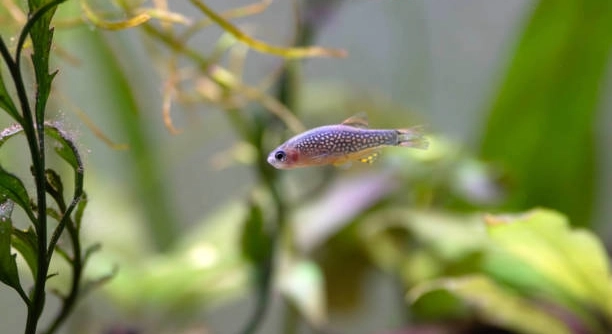
Have you ever noticed your Celestial Pearl Danios swimming nervously after a sudden sound in your home? These small, colorful fish are sensitive to their surroundings and may react strongly to loud noises nearby. Their calm routine can change quickly with unexpected disturbances.
Celestial Pearl Danios typically respond to loud noises by darting around the tank, hiding among decorations, or displaying increased stress behaviors. Sudden or repeated loud sounds can affect their feeding, social interactions, and overall wellbeing in the aquarium environment.
Observing how your fish react can help you create a quieter, more peaceful tank. Learning these reactions is useful for keeping them happy and healthy.
Understanding Noise Sensitivity in Celestial Pearl Danios
Celestial Pearl Danios are naturally timid and small, which makes them more alert to sudden changes in their environment. Loud noises, such as clattering dishes or booming footsteps, can startle them easily. When they are startled, they may swim erratically or hide behind plants and rocks. Over time, constant exposure to noise can increase stress levels, which affects their health and behavior. A stressed fish might eat less, become less active, or avoid social interaction with other tank mates. Creating a calm environment with consistent sounds helps them feel secure. Observing how your fish react to common household noises allows you to adjust your habits. For instance, keeping loud appliances away from the tank or speaking softly near it can reduce sudden shocks. Even minor sounds that humans ignore can seem intense to these tiny fish. Being mindful of these factors supports their long-term wellbeing and comfort in captivity.
Noise sensitivity in these fish is largely due to their size and natural instincts. Sudden sounds trigger defensive behavior and heightened alertness, influencing daily activity patterns and social interactions within the tank.
Maintaining a predictable environment is key. By limiting exposure to loud or abrupt sounds, Celestial Pearl Danios can swim confidently and feed normally. Adding hiding spots and plants can also reduce stress, giving them safe spaces to retreat. Gradual acclimation to mild household noises helps them adapt without panic. Over time, they learn which sounds are harmless, reducing frantic swimming or hiding. Tank placement matters too; keeping the aquarium in a quieter room can make a noticeable difference. Even routine maintenance, like cleaning or rearranging decorations, should be done gently. These small changes help your fish stay relaxed and maintain healthy behaviors. Watching their reactions closely gives insight into their comfort level and signals when adjustments are needed. With careful attention, your fish can enjoy a stable, peaceful environment that supports their natural tendencies and overall happiness.
Tips for Reducing Noise Stress
Simple changes at home can protect your fish from stress caused by loud noises. Adjusting tank location and minimizing sudden sounds can help them feel safer.
Providing a consistent routine and quiet surroundings significantly improves the wellbeing of Celestial Pearl Danios. Gradually introducing minor noises while monitoring reactions can reduce panic over time. Covering part of the tank with plants or decorations gives them a sense of security. Observing how they respond allows for better adjustments to lighting, feeding times, and maintenance activities. Avoid banging on the tank or moving equipment near it abruptly. Using soft materials around the tank or placing it on a stable surface can dampen vibrations from daily activities. Even background noise, such as a television or conversation, can influence their stress levels. Over time, creating a predictable and calm environment encourages natural behaviors, healthy feeding, and proper interaction with other fish. Combining thoughtful placement, gentle handling, and protective decor ensures that Celestial Pearl Danios remain comfortable, reducing anxiety and supporting a healthy, long life.
Recognizing Stress Signals
Signs of stress in Celestial Pearl Danios include erratic swimming, hiding more than usual, and reduced appetite. Changes in color or scale appearance can also indicate that the fish are uncomfortable. Monitoring these signs helps prevent long-term health issues.
Stress in these fish often appears subtly at first. They may swim in quick bursts, dart between plants, or cling to decorations for safety. Some may stop eating or show changes in social behavior, avoiding other fish in the tank. Constant observation is key to noticing patterns and identifying specific triggers, including loud noises. Not all stress reactions are dramatic, so even small changes in movement or activity should be taken seriously. Responding quickly can minimize negative effects and maintain a healthy tank environment.
Hiding behavior is a common response to stress. Celestial Pearl Danios will retreat to corners, behind rocks, or among plants when startled. While occasional hiding is normal, frequent or prolonged retreats indicate ongoing stress. Adjusting the tank environment, such as adding more cover or reducing nearby noise, can help them feel safer. Over time, creating predictable routines for feeding and maintenance encourages calmer behavior. Noticing these patterns helps in understanding their comfort level and ensures their environment meets their needs, supporting overall wellbeing.
Creating a Calmer Tank Environment
Reducing noise near the tank, adding plants, and keeping a consistent routine all contribute to a calmer environment. These small adjustments make a noticeable difference in stress levels.
Placement of the tank plays a crucial role in minimizing stress. Positioning it away from doors, appliances, or heavy foot traffic limits sudden disturbances. Surrounding the tank with plants or decorations provides hiding spaces that make fish feel secure. Routine feeding and gentle maintenance reduce unexpected shocks. Using soft surfaces or mats under the tank helps absorb vibrations, while dimming lights slightly during activity can prevent startling reflections or shadows. Gradually acclimating fish to minor household sounds allows them to distinguish harmless noises from threats, promoting calmer swimming and more predictable behaviors. Creating a stable, low-stress environment ensures that Celestial Pearl Danios remain healthy, active, and responsive without unnecessary panic.
Common Household Noise Triggers
Loud footsteps, slamming doors, and kitchen appliances can startle Celestial Pearl Danios. Even brief noises may cause darting or hiding behaviors. Recognizing common triggers helps in planning tank placement and household routines to minimize stress.
Televisions, vacuum cleaners, and music played at high volumes can also affect fish. Sounds that seem minor to humans may feel intense to these small, sensitive fish. Keeping these activities away from the tank reduces sudden stress reactions and promotes a calmer environment.
Gentle Acclimation Techniques
Gradually exposing Celestial Pearl Danios to minor, consistent noises helps them adapt. Start with soft sounds from a distance and slowly increase intensity while observing reactions. Over time, fish learn which sounds are harmless, reducing erratic swimming and hiding behaviors. Patience and repetition are key to success.
Tank Placement Tips
Placing the tank away from high-traffic areas and noisy appliances keeps fish calm. A stable, quiet location reduces stress and encourages natural behaviors.
FAQ
How can I tell if my Celestial Pearl Danios are stressed by noise?
Stress signs include erratic swimming, hiding behind decorations, or reduced appetite. You may also notice faded colors or unusual scale patterns. Observing daily routines helps you spot sudden changes caused by household sounds, allowing for timely adjustments to their environment.
Are Celestial Pearl Danios more sensitive than other fish?
Yes, these fish are small and naturally timid. Their size and instinctive caution make them more alert to sudden movements or sounds. While many fish react to disturbances, Celestial Pearl Danios show pronounced responses, often darting quickly or retreating to hiding spaces at even minor noises.
What household noises bother them the most?
Footsteps, slamming doors, vacuum cleaners, and kitchen appliances are frequent triggers. Even moderate sounds, like loud conversations or televisions, can startle them. They interpret these noises as potential threats, so reducing sudden or persistent sounds near the tank is important for their wellbeing.
Can they get used to household noises over time?
Gradual acclimation helps. Introduce minor, consistent noises slowly while monitoring reactions. Over days or weeks, they learn which sounds are harmless. Repeated exposure in a controlled way reduces panic responses and encourages calmer, predictable behavior in the tank.
Does stress from noise affect their health?
Yes, prolonged stress can reduce appetite, weaken the immune system, and cause irregular swimming patterns. Chronic stress may also disrupt social interactions with other fish, potentially leading to aggressive behavior or isolation. Maintaining a quiet, stable environment helps prevent these issues.
What tank features help reduce noise stress?
Plants, rocks, and decorations provide hiding spots. A tank cover or partial background reduces visual disturbances, while a soft mat under the tank absorbs vibrations. These features create a sense of security and limit the impact of household sounds.
Should I move the tank if noise is unavoidable?
Placing the tank in a quieter room with low foot traffic is beneficial. Avoid high-traffic areas or spaces near loud appliances. Even small changes in location can significantly reduce stress levels and improve overall activity, feeding, and social behavior.
How quickly do they react to sudden loud sounds?
Reactions are immediate. They may dart across the tank, hide, or freeze in place. Some fish recover quickly, while repeated or intense disturbances can cause prolonged stress. Observing response patterns helps identify specific triggers and inform adjustments to the environment.
Can lighting affect how they respond to noise?
Yes, harsh or flickering lights combined with noise can amplify stress. Dimmer, steady lighting during household activity can help. It reduces shadows and reflections that might add to their sense of threat, making them feel calmer and more confident in their space.
Is it normal for them to hide a lot after loud noises?
Occasional hiding is normal, but frequent or prolonged retreats indicate ongoing stress. Providing ample cover and ensuring predictable routines for feeding and maintenance encourages them to emerge more confidently while maintaining natural behaviors.
Can stress from noise affect breeding behavior?
Yes, stress can disrupt mating rituals and reduce egg laying. Calm surroundings with minimal disturbances encourage normal courtship and spawning behaviors. Ensuring a secure, quiet environment improves the likelihood of successful breeding.
How can I balance noise in a busy household with their needs?
Consistency and observation are key. Keep the tank in a quieter area, use hiding spots, and maintain predictable routines. Gradual exposure to unavoidable noises while monitoring their reactions allows adaptation without prolonged stress, keeping Celestial Pearl Danios healthy and active.
Are there tools or products to help reduce noise impact?
Soft mats, tank covers, and noise-absorbing room materials can help. Plants and decorations act as natural shields. Combining these strategies with thoughtful tank placement reduces vibration and sound exposure, creating a safer environment for sensitive fish.
How often should I check for stress signs?
Daily observation is ideal. Watch for changes in swimming, feeding, and interaction with tank mates. Early detection of stress allows prompt adjustments, preventing long-term health issues caused by repeated exposure to loud or sudden noises.
Does tank size influence stress from noise?
Yes, larger tanks provide more space for hiding and exploring, which can reduce the impact of sudden sounds. Smaller tanks limit movement and hiding options, making fish more vulnerable to stress. Providing sufficient space is an effective preventative measure.
Can noise stress cause long-term behavioral changes?
Prolonged exposure can lead to chronic anxiety, reduced activity, or avoidance behaviors. Even after noise levels are reduced, some fish may remain wary. Consistent, calm environments help restore normal behaviors over time, supporting health and social interaction.
Are young or newly introduced fish more sensitive to noise?
Yes, younger or recently added fish are typically more alert and reactive. They are still acclimating to the tank and surroundings. Extra care, gentle exposure to minor household sounds, and secure hiding spots help them adjust and reduce stress responses effectively.
What is the best overall approach to minimize noise stress?
Combination strategies work best. Choose a quiet tank location, add plants and hiding spots, use soft mats under the tank, maintain consistent feeding and maintenance routines, and gradually expose fish to minor household noises. Observation ensures their reactions remain calm and predictable.
How do I know if my adjustments are working?
Signs of reduced stress include regular swimming, normal feeding, active social interaction, and less frequent hiding. Consistent monitoring shows improvements over time, confirming that environmental changes are effective and that fish feel safe and comfortable in their space.
Can water quality affect noise sensitivity?
Yes, poor water conditions add stress and make fish more reactive to external stimuli. Maintaining proper temperature, pH, and cleanliness reduces overall stress levels, allowing them to respond to noise in a calmer, more controlled way.
Are there behavioral differences between individual fish regarding noise?
Yes, some Celestial Pearl Danios are naturally bolder, while others are timid. Individual temperament affects how they react to noise. Recognizing these differences helps tailor care strategies, such as adjusting hiding spots or tank layout, to suit each fish’s comfort level.
Celestial Pearl Danios are small, delicate fish that respond noticeably to their surroundings. Loud or sudden noises can startle them, causing erratic swimming, hiding, or reduced activity. Even minor sounds, like footsteps or household appliances, may feel intense to these tiny fish. Their reactions are natural and linked to their size and instincts. Unlike larger or hardier species, these fish rely on caution to stay safe. Observing their daily behavior allows owners to see when they feel stressed or unsafe. Early recognition of stress helps prevent long-term health problems, including loss of appetite, weakened immune response, or changes in social behavior. Providing a calm, predictable environment is important, as it allows them to feel secure and maintain natural swimming and feeding habits. By paying attention to these small signals, you can adjust your tank setup and household routines in ways that keep your fish comfortable.
Creating a stable environment for Celestial Pearl Danios involves multiple strategies. Tank placement is important; choosing a quiet area away from frequent activity and loud appliances reduces sudden disturbances. Adding decorations, plants, or rocks gives them spaces to hide and feel safe. Using soft mats under the tank or minimizing vibrations also helps limit stress. Consistent routines for feeding, cleaning, and maintenance are beneficial, as predictable schedules make the fish more confident in their surroundings. Gradual exposure to minor household noises can help them adapt without panic. Over time, these steps allow the fish to distinguish between harmless and threatening sounds, resulting in calmer, more stable behavior. Even simple adjustments, like dimming lights slightly during active periods or avoiding sudden tank taps, make a noticeable difference. A thoughtful approach to tank setup and household management ensures that the Celestial Pearl Danios can thrive without unnecessary stress.
Watching your Celestial Pearl Danios closely is the key to maintaining their wellbeing. Stress responses will vary from fish to fish; some may hide for short periods, while others might dart quickly at any sound. Understanding these differences helps in designing the best tank environment for all your fish. Healthy fish will swim naturally, feed consistently, and interact with other tank mates without prolonged hiding or erratic behavior. Stress can affect reproduction, growth, and immunity, so minimizing it is essential for their overall health. By combining proper tank placement, hiding spaces, gentle routines, and awareness of household noise, you can create a supportive environment. These small, deliberate changes not only improve daily life for the fish but also make the tank easier to care for. Observing and adjusting your approach over time ensures your Celestial Pearl Danios remain active, healthy, and comfortable in their home.

Hello,
If you enjoy the content that we create, please consider saying a "Thank You!" by leaving a tip.
Every little bit helps us continue crafting quality advice that supports the health, happiness, and well-being of pets around the world, for pets of all shapes, sizes, and species.
We really appreciate the kindness and support that you show us!