
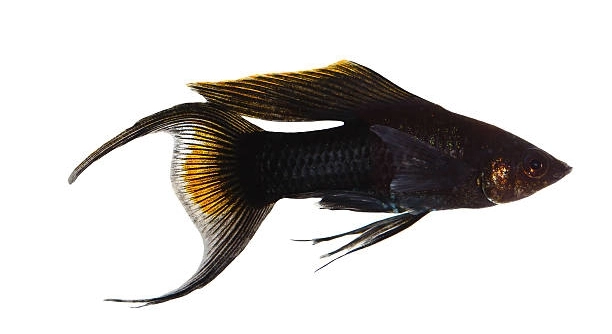
Many aquarists want to understand how their Black Molly manages seasonal temperature changes while staying active and calm, guiding them to provide steady care that supports the fish throughout natural shifts during the entire year.
Black Molly fish handle seasonal temperature swings through physiological tolerance and gradual acclimation within a broad thermal range. This capacity helps them maintain metabolic stability, lower stress, and adapt efficiently as environmental conditions shift between cooler and warmer periods seasonally.
Learning how they adjust to shifting temperatures offers guidance that helps you support a calm environment for your Black Molly.
Understanding Their Natural Adaptations
Black Mollies have developed a range of natural adaptations that help them stay comfortable when temperatures shift throughout the year. Their bodies adjust gradually as conditions change, allowing them to tolerate cooler periods and warmer spells without significant stress. In the wild, these fish encounter slow transitions in water temperature as seasons move, so their systems respond steadily rather than abruptly. This steady response helps maintain their breathing rate, energy level, and overall balance. Their ability to function in varied environments also comes from living in coastal areas where temperature changes are common. Over time, they have relied on flexible metabolic patterns that shift based on their surroundings, helping them stay healthy even when conditions are not ideal. These natural traits allow them to make the most of small changes in their habitat, helping them remain active, peaceful, and resilient. These traits help you understand how they manage seasonal changes.
These natural patterns show how much Black Mollies rely on steady shifts rather than sudden temperature drops. Their bodies respond best when changes happen slowly, giving them time to adjust. This gentle adaptation supports stable behavior, healthy movement, and a calm presence during seasonal transitions in their habitat each year.
Seeing how they handle these shifts can guide you when caring for them at home. Slow adjustments in temperature let them stay comfortable, so keeping changes smooth helps support their health. When their environment remains steady, they tend to eat well, swim calmly, and show fewer signs of stress. This understanding also helps you recognize when conditions need small improvements. By noticing any behavioral changes early, you can adjust their setup before issues grow. A stable environment encourages balanced activity and supports their ability to adapt to natural variations, giving them a safer and more predictable space to thrive daily.
Supporting Stable Conditions at Home
Providing steady care during seasonal shifts helps your Black Molly remain relaxed and energetic. Small adjustments in their environment can prevent stress, especially when temperatures fluctuate. A stable setup supports their overall balance, allowing them to continue normal behaviors even when conditions outside the tank begin to change each season.
Keeping Black Mollies comfortable during seasonal temperature swings starts with creating an environment that limits sudden changes. Their bodies adapt well when the water cools or warms slowly, so consistent monitoring helps you catch shifts before they become stressful. Using a reliable heater and thermometer allows you to maintain a steady range that supports their natural rhythm. If the room temperature drops or rises, making small adjustments over time keeps the water from fluctuating too fast. This steady approach helps them maintain normal movement, healthy breathing, and calm behavior. It also reduces the risk of weakened immunity, which can occur when fish experience rapid temperature swings. Regular tank maintenance further supports their stability. Clean water helps them respond better to mild temperature variations, while proper filtration keeps their environment balanced. When you notice changes in their activity, appetite, or color, it may be a sign that the temperature needs minor correction. Addressing these changes early prevents long term stress and keeps their habitat predictable. Providing a safe, consistent setup helps them stay resilient throughout the year, allowing them to adjust smoothly to natural seasonal patterns without unnecessary strain. This gentle care supports their long term health and steady daily comfort.
Recognizing Stress Signals
Black Mollies show stress when temperature shifts happen too fast. They may swim less, hide more, or breathe at a quicker pace. Their colors can appear duller, and they might lose interest in food when the environment becomes uncomfortable for them.
When conditions change suddenly, their bodies need extra energy to stabilize. This adjustment can weaken their natural defenses, making them more prone to issues if the temperature stays unstable for too long. Watching their behavior closely helps you catch early signs that the water needs attention. Slower movement, clamped fins, or unusual hovering often signal that they are struggling. When you act early, you lower the impact of these changes and help them return to normal. Smooth temperature control supports their calm behavior and lets them adapt at a steady pace without added pressure on their system.
A consistent environment allows them to maintain balanced activity. If the water cools too quickly, their metabolism slows, and they may rest more than usual. If it warms too fast, they can become restless or breathe rapidly. These reactions help you understand when they need steadier conditions. By making small, gradual adjustments, you protect their comfort and help them stay active and peaceful. Careful observation gives you early clues, allowing you to correct the temperature before it affects their long term stability.
Practical Adjustments for Seasonal Shifts
Seasonal changes require mindful adjustments to keep your Black Molly comfortable. Gradual modifications in temperature prevent sudden reactions that can affect their behavior or appetite. Consistent monitoring helps you notice when the water begins shifting, so you can respond before their environment becomes unstable.
A dependable heater and thermometer support steady control during cooler months. When temperatures drop outside, increasing the heat slowly keeps the water from changing too fast. In warmer months, lowering the heat gradually helps maintain comfort without causing shock. Placing the tank away from windows or drafts reduces fluctuations, and covering the top during colder nights helps retain warmth without rapid shifts. Regular water changes also help them manage mild variations, since clean water supports balanced breathing and steady movement. If you notice sluggish swimming, fast gill movement, or a change in appetite, small corrections to the temperature can help restore stability. Providing consistent care helps them adapt naturally, keeping them calm throughout each seasonal shift.
Monitoring Daily Conditions
Daily checks help you maintain steady temperatures for your Black Molly. A quick look at the thermometer each day lets you catch any changes before they become stressful. This simple habit supports a stable environment and keeps their behavior calm and predictable.
Observing their activity during these checks also helps. If they seem less active or breathe faster than usual, it may signal a temperature shift. Addressing changes early gives them the steady conditions they rely on, reducing stress and supporting their overall comfort throughout the season.
Using Tools to Maintain Stability
Reliable equipment helps you manage seasonal changes more easily. A quality heater keeps the temperature from dropping too quickly, while a trusted thermometer helps you track even small variations. Backup tools, such as an additional heater or battery powered air pump, can offer support during power outages or unexpected weather. Filters also play a role since clean water helps fish handle mild changes better. When tools work consistently, your Black Molly stays comfortable and shows steady, healthy behavior that reflects stable conditions in the tank.
Why Stability Matters
Steady temperatures protect their natural rhythm and help them avoid stress that can weaken their health. Maintaining balance keeps them active, calm, and able to handle seasonal shifts without unnecessary strain.
FAQ
How quickly can a Black Molly adjust to temperature changes?
Black Mollies adjust best when temperatures shift slowly over several hours. Their bodies respond by regulating breathing, movement, and energy use at a steady pace. When changes happen too fast, they may become stressed or inactive. Keeping adjustments gentle helps their system stay balanced and prevents unnecessary strain.
What temperature range is safest for a Black Molly during seasonal changes?
They stay comfortable in water kept between 72 and 82 degrees Fahrenheit. Staying within this range supports their natural rhythm, helps them stay active, and protects their immune system. Seasonal changes can push conditions outside this range, so consistent monitoring is important to keep them steady.
Why do Black Mollies become less active during colder periods?
Cold water slows their metabolism, leading them to rest more and eat less. Their movements may look slower or more cautious. This is a normal response, but if the water becomes too cold, they can become stressed. Bringing the temperature up gradually encourages normal swimming and healthy appetite.
What signs show that the temperature is changing too quickly for them?
They may stay near the surface or bottom, breathe faster, or reduce their movement. Some Black Mollies lose color or stop eating when the water changes more quickly than they can handle. These reactions help you know when to make gentle corrections to stabilize the tank.
Can seasonal temperature swings weaken their health?
If swings are too sudden, their immune system can weaken. This makes them more vulnerable to infections or stress related behavior. When their environment changes slowly, their body adjusts without trouble. Keeping the temperature steady reduces their risk and helps maintain calm daily activity.
Should I use a heater year round to prevent sudden changes?
Using a heater throughout the year helps avoid quick drops in temperature. Even in warmer seasons, indoor temperatures can shift, especially overnight. A stable heater keeps these changes smooth. Adjusting it gradually during seasonal transitions keeps conditions predictable and supports their natural balance.
What role does clean water play in temperature control?
Clean water supports steady breathing, healthy movement, and proper stress response. When the tank stays clean, Black Mollies handle mild temperature variations more easily. Dirty water can make temperature swings feel harsher to them, so regular maintenance helps them stay comfortable through seasonal changes.
How often should I check the temperature when the seasons shift?
Daily checks work well during times when temperatures are less predictable. This helps you notice small changes before they become large enough to bother your fish. A simple glance at the thermometer each day supports steady conditions and lets you correct issues early.
Can tank placement affect how Black Mollies handle seasonal changes?
Placement has a strong influence on temperature stability. Tanks near windows, drafts, or vents often face fast shifts that can unsettle your fish. Keeping the tank in a calm location with fewer environmental changes helps maintain stable water conditions throughout the year.
Why do some Black Mollies show stress even with small temperature drops?
Each fish reacts differently to change based on age, health, and overall condition. Some handle mild drops without trouble, while others react more quickly. When conditions shift slowly, even sensitive fish adapt more easily. Supporting them with gentle adjustments helps reduce stress in these situations.
Final Thoughts
Caring for Black Mollies during seasonal temperature shifts becomes easier when you understand how strongly they rely on steady conditions. These fish respond best to small, gradual changes, so creating a stable environment helps them stay active and calm. When the temperature moves too fast, their behavior can shift in ways that signal discomfort, which is why your attention makes such a difference. By observing their daily patterns and keeping track of even small changes in the tank, you give them a safer space to adapt. This simple approach helps reduce stress and keeps their natural rhythm steady throughout the year. As you continue to support them, you will notice how consistent care brings out their healthiest colors, habits, and personality. It creates a peaceful environment that lets them thrive without difficulty, even when the seasons shift outside your home.
Stability does not rely on complicated steps. Instead, it grows from small habits that fit easily into your routine. Checking the thermometer each day, adjusting the heater little by little, and keeping the tank clean all work together to protect your Black Molly from sudden shifts. These simple habits help them regulate their metabolism, maintain their immune strength, and feel secure in their environment. When you place the tank in a location free from constant drafts or direct sunlight, you prevent unnecessary fluctuations that can unsettle them. Tools like heaters, thermometers, and filters offer steady support, but your awareness plays the biggest role in keeping conditions comfortable. By watching how they move, eat, and breathe, you can understand their needs more clearly and respond before stress becomes a problem. This gentle, attentive style of care helps them flourish through warm periods and cooler seasons without feeling overwhelmed.
As you continue caring for your Black Mollies, you will see how small adjustments help them remain balanced and confident in their space. Seasonal changes are a natural part of their environment, but they depend on you to make those transitions as smooth as possible. With steady temperatures, clean water, and patient observation, they can handle these changes without trouble. Their health and behavior become more predictable, and you can enjoy watching them explore their tank with calm, steady movements. Supporting them through each season does not just keep them healthy. It builds a stable environment that reflects your care and attention. This stability helps them grow stronger, stay peaceful, and show their natural beauty throughout the entire year, giving you a rewarding and enjoyable experience as their keeper.

Hello,
If you enjoy the content that we create, please consider saying a "Thank You!" by leaving a tip.
Every little bit helps us continue crafting quality advice that supports the health, happiness, and well-being of pets around the world, for pets of all shapes, sizes, and species.
We really appreciate the kindness and support that you show us!