
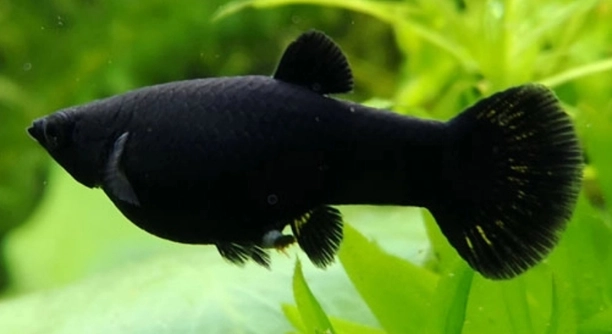
Many aquarists notice small changes in their black molly behavior and want a clearer understanding. When these fish stop moving together, it often signals something meaningful happening in their environment, routines, or comfort levels today.
Black mollies stop following each other when environmental stress, incompatible tank mates, health concerns, or territorial adjustments disrupt normal social patterns. These factors reduce schooling behavior, leading individuals to separate as they respond independently to changing conditions within aquatic surroundings.
Understanding what shapes their shifting habits helps you support a calmer environment that keeps black mollies comfortable and encourages harmony.
Stress From Poor Water Conditions
When black mollies stop moving together, water conditions are often one of the first things to look at because these fish react strongly to small shifts. I have seen how even a slight change in temperature or clarity can make them scatter instead of staying close. Clean, stable water gives them comfort, so any imbalance pushes them to behave differently as they try to adapt. Ammonia or nitrite levels rising create discomfort that makes each fish focus on its own needs instead of staying with the group. It becomes clear that harmony in the tank depends on steady care. You might notice them swimming near the surface or hiding more when the water feels off, which shows they are uneasy. Paying attention to these details helps restore balance. Once the environment feels right again, they often return to their usual calm and steady movements together. in the shared space now.
Keeping water conditions steady gives your black mollies the stability they need to feel safe. When the tank stays clean and balanced, they move with confidence and stay close. Regular checks and gentle upkeep support their comfort and help prevent sudden changes that disrupt their natural behavior in their space.
If you want to help them return to calm group behavior, start by focusing on simple habits. Test the water often and make small adjustments instead of large sudden changes. Regular water changes keep harmful elements low and protect their comfort. I have noticed that mollies respond well to slow, steady improvements rather than quick fixes. Giving them a stable space helps them regain trust in their surroundings. Over time, these small efforts support smoother swimming patterns and a more relaxed mood. When the environment feels predictable, they settle back into gentle movements with the rest of the group again.
Shifts in Social Structure
Black mollies often adjust their behavior when the social balance in the tank changes, leading them to separate instead of staying close. New additions, shifting territories, or mild tension can make them move independently as they reassess comfort and space within their surroundings during times of subtle tank adjustments too.
When black mollies experience changes in social structure, their habits can shift quickly as they respond to new dynamics in the tank. A new fish entering the space can cause them to spread out while they observe the newcomer and decide how to adjust. Even small shifts in territory can influence how comfortable they feel swimming near each other. I have noticed that mollies often create loose groups based on confidence and familiarity, so any disruption makes them rethink where they belong. If one fish becomes more assertive, others may drift away temporarily while they figure out how to stay relaxed. Keeping the tank calm helps reduce these moments because stability encourages natural grouping. Adding new fish slowly and giving them time to settle can prevent tension. Watching their interactions closely helps you understand when they need space or when the environment needs a gentle adjustment. Over time, as they regain comfort, they usually return to smoother patterns and begin following each other again as their confidence rebuilds. Creating predictable routines, steady lighting, and consistent feeding times supports this process and helps them reconnect without stress. They benefit from patient care that maintains calm energy around their shared space daily.
Territorial Behavior
Black mollies often separate when territorial behavior becomes stronger because each fish tries to claim a comfortable space. I have noticed this happening more in smaller tanks, where personal space feels limited and movement patterns shift quickly as they choose their preferred areas.
When territorial habits increase, the more confident mollies may begin to guard certain sections of the tank, causing others to leave the group and stay near quieter spots. This behavior becomes more noticeable when the tank layout lacks enough hiding places or visual breaks. Rearranging decorations, adding more plants, or creating simple barriers can ease tension. Giving each fish enough space helps reduce these small conflicts and encourages them to relax again. Over time, once boundaries feel balanced, they usually begin to follow each other more comfortably and return to softer group movements without constant interruptions from territorial shifts.
If you see them spreading out more than usual, it often helps to adjust the environment instead of trying to change their behavior directly. Simple changes like adding driftwood or tall plants can make the tank feel more open and reduce competition. I have found that mollies respond well when the space feels fair and predictable. Once tension settles, they move with more confidence and reconnect with the group naturally.
Health Related Discomfort
Health issues can make black mollies drift apart because discomfort changes how they interact. I have seen fish with mild stress or early signs of illness move away from the group to conserve energy or avoid stimulation in a busy tank where movement feels demanding.
When a molly feels unwell, subtle behavior changes appear before physical symptoms. They may swim slower, stay near corners, or avoid the usual group paths. Checking their breathing, appetite, and posture can help you spot early signals. Clean water and stable temperatures support recovery, and gentle isolation can sometimes prevent others from stressing them further. I have learned that treating health concerns early keeps the entire group stable. When the affected fish feels better, it usually rejoins the others. Healthy fish behave with more connection and steady movement, so keeping an eye on small details helps maintain harmony in the tank.
Breeding Behavior
Breeding behavior often causes black mollies to separate because males become more focused on pursuing females than staying with the group. I have noticed that females sometimes move away for comfort, creating brief moments where normal group patterns shift.
During these times, the tank can feel slightly more active as the males redirect their attention. The females usually look for calmer areas, which naturally spreads the group out. Once breeding activity slows, their movements often return to normal.
Differences in Temperament
Some black mollies simply have different personalities, which affects how closely they swim together. I have seen shy ones stay near plants while bolder ones explore the open areas. These small differences can make the group look scattered even when nothing is wrong. Over time, their habits still blend well enough to maintain harmony.
Overcrowding
Crowded tanks push black mollies to separate because limited space increases stress and reduces comfort. I have learned that giving them a roomier environment helps them settle into smoother, more relaxed group patterns. When space feels fair, they naturally reconnect and move together with ease.
FAQ
Why do black mollies stop following each other suddenly?
Black mollies stop following each other when something in their environment changes. It can be water quality, temperature shifts, overcrowding, or the introduction of new fish. I’ve noticed that even small adjustments in lighting or tank decoration can trigger this behavior, causing them to move independently for a while.
How can I tell if water conditions are affecting their behavior?
If your mollies are hiding, swimming near the surface, or avoiding the usual group paths, water conditions may be the cause. Checking ammonia, nitrite, and nitrate levels often reveals small problems before they become severe. I always test water weekly to keep the tank stable.
Can tank size influence their schooling behavior?
Yes, smaller tanks make personal space limited, which increases stress and territorial disputes. In my experience, mollies in cramped conditions often separate, whereas in larger tanks, they naturally form loose groups and feel calmer. Adding plants or decorations also helps create space and reduces conflict.
Do health problems make black mollies avoid each other?
Absolutely. When a molly is unwell, it may swim slower, stay near corners, or avoid the usual group paths. I’ve seen fish with mild stress or early illness move apart to conserve energy. Early detection of breathing, appetite, and posture changes helps them recover faster.
How does breeding affect their movements?
During breeding, males focus on chasing females, which can scatter the group. Females often seek calm areas, creating temporary separation. I’ve noticed that once breeding slows, their movements return to normal, and group behavior resumes naturally.
Will introducing new fish cause separation?
Yes. New tank mates can disturb the social balance, causing mollies to move independently while assessing the newcomer. I always introduce fish slowly and watch interactions closely. Over time, as everyone adjusts, they usually reconnect and follow each other again.
Does overcrowding change their behavior?
Crowded tanks increase stress and reduce comfort, making mollies scatter. I’ve learned that giving them extra space, more hiding spots, and proper decoration helps them feel secure. Once the tank feels roomy, they naturally swim together again without constant tension.
Do personality differences matter?
Yes, individual temperaments influence how closely they swim together. Shy mollies may stay near plants, while bold ones explore open areas. I’ve seen this create temporary separation, but over time, their habits blend enough to maintain group harmony without forcing interactions.
Can diet affect their social behavior?
Improper feeding can indirectly affect schooling. Hungry or stressed fish may compete aggressively or separate to find food. I make sure to feed in multiple spots and provide a balanced diet, which keeps them calmer and encourages normal following behavior.
How long does it take for them to return to normal behavior?
It depends on the cause. Water changes, new fish introductions, or mild stress may take a few hours to a couple of days. Health issues or overcrowding may take longer. I always observe changes carefully and make gradual adjustments to help them regain calm and predictable group patterns.
Are there long-term ways to keep black mollies following each other?
Maintaining stable water conditions, a spacious tank, proper diet, and observing social dynamics are key. I’ve found that predictable routines, gentle environment adjustments, and attention to health create a calm space where black mollies naturally stay together and maintain group cohesion over time.
Can seasonal changes affect their behavior?
Yes, temperature fluctuations or changes in light cycles can affect energy levels and schooling patterns. I make small seasonal adjustments to temperature and lighting to minimize stress, which helps mollies remain closer together and continue their usual group movements.
How important is tank decoration for social harmony?
Very important. Plants, hiding spots, and visual barriers help reduce tension, especially in smaller tanks. I’ve seen mollies feel more confident and less scattered when they can retreat or explore, making following behavior more consistent and group interactions smoother.
Should I separate aggressive individuals?
Sometimes. Aggressive or dominant mollies can cause others to scatter. I’ve occasionally used temporary separation to restore calm. Once the dominant fish relaxes or the environment is adjusted, the group usually reintegrates without lasting disruption.
Can stress from outside the tank affect them?
Yes. Vibrations, loud noises, or sudden movements nearby can stress mollies, causing them to stop following each other temporarily. I’ve noticed they settle faster when the environment outside the tank is quieter and more predictable.
Is it normal for them to have occasional separation?
Yes, occasional separation is natural. Mollies may explore, rest, or respond to minor stress without it indicating a serious problem. I’ve learned to watch for patterns rather than isolated events, which helps distinguish normal behavior from a real issue.
What is the best overall approach to prevent separation?
Consistent water quality, proper space, balanced diet, attention to health, and mindful observation are key. I focus on small, steady adjustments rather than drastic changes. Over time, these practices help black mollies feel secure and maintain following behavior naturally in their tank environment.
Black mollies are social fish that naturally enjoy swimming together, but there are many reasons why they sometimes stop following each other. Changes in water quality, temperature, or tank layout can make them uncomfortable and cause temporary separation. I have observed that even small shifts, like a new plant or rearranged decoration, can make them scatter as they adjust to the new environment. Keeping the water clean and stable helps mollies feel secure, which encourages them to return to their usual group movements. Monitoring ammonia, nitrite, and nitrate levels regularly is a simple step that goes a long way in maintaining comfort. When the water feels right, mollies often resume swimming together with calm and predictable patterns, which makes the tank feel more harmonious.
Health and temperament also play a big role in their behavior. When a fish is sick or stressed, it often isolates itself from the group to conserve energy or avoid conflict. I have noticed that early signs, like slower swimming, hiding, or changes in breathing, are important signals to address before the problem worsens. Differences in individual personalities also influence how closely they swim together. Some mollies are naturally shy and prefer quiet corners, while others are bolder and explore more open areas. These differences are normal and do not usually indicate a serious issue. Over time, as the fish become more comfortable, even those with different temperaments tend to integrate with the group, creating a balance that works for everyone in the tank. Observing these subtle cues and adjusting care accordingly helps maintain harmony and reduces stress.
Environmental factors like overcrowding, territorial behavior, and breeding activity further influence their interactions. A small or crowded tank often leads to competition for space, which makes mollies spread out. Providing enough room, hiding places, and visual barriers reduces tension and allows them to feel secure. Breeding periods can also temporarily change their behavior, with males chasing females and causing brief separation. I have found that patience and gentle adjustments, like rearranging plants or increasing space, allow the group to return to calm, cooperative swimming. With consistent care, proper space, balanced diet, and attention to health, black mollies usually regain their following behavior. Understanding these factors and responding thoughtfully helps create a stable, peaceful environment where the fish can thrive together naturally.

Hello,
If you enjoy the content that we create, please consider saying a "Thank You!" by leaving a tip.
Every little bit helps us continue crafting quality advice that supports the health, happiness, and well-being of pets around the world, for pets of all shapes, sizes, and species.
We really appreciate the kindness and support that you show us!