
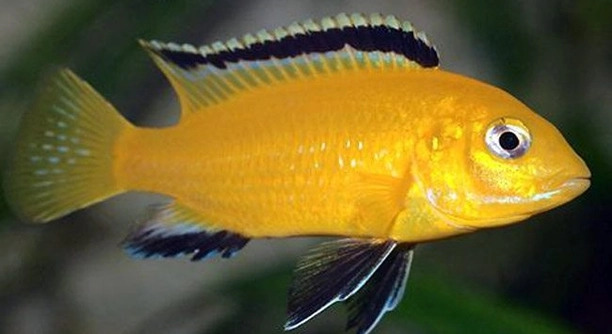
Do you ever notice your cichlids acting differently even though nothing else in their tank has changed? Changes in water conditions can subtly influence behavior, sometimes in ways that are not immediately obvious to the observer.
A shift of seven degrees in pH can significantly alter cichlid behavior. Such changes affect stress levels, aggression, feeding patterns, and social interactions, as these fish are highly sensitive to the chemical composition of their aquatic environment.
Understanding how pH impacts these fish goes beyond curiosity. Small adjustments can improve tank harmony and support healthier, more predictable behavior over time.
How pH Fluctuations Affect Stress Levels
Even a small shift in pH can cause noticeable stress in cichlids. When the water becomes more acidic or alkaline, it impacts their gill function and overall metabolism. This can make the fish more skittish or withdrawn, often hiding behind decorations or staying at the bottom of the tank. Stress also reduces their immune response, leaving them more vulnerable to disease. Over time, repeated pH swings can create chronic stress, affecting growth and reproductive behavior. Observing these changes early allows for adjustments, such as testing water daily and using buffers to stabilize the pH. It is also important to maintain consistent feeding routines, as stressed fish may eat less or refuse food entirely. Stress can also affect interactions among tank mates, increasing aggression or disrupting previously established social hierarchies. Monitoring behavior alongside water parameters provides the best insight into how your cichlids are coping with changes.
Adjusting pH slowly is key to reducing stress. Sudden changes can be harmful.
Keeping pH stable involves regular testing and careful adjustments. For example, adding small amounts of baking soda or specialized buffers can raise pH gradually, while driftwood or peat can lower it slowly. Temperature stability, consistent feeding, and avoiding overcrowding also help reduce stress, creating an environment where cichlids feel secure and maintain normal behavior patterns. Over time, a stable tank encourages natural activity, reduces aggression, and supports breeding behaviors. Maintaining these conditions may require frequent observation and minor adjustments, but the benefits in fish health and tank harmony are clear.
Impact on Feeding and Social Interactions
pH swings can cause cichlids to eat less or become pickier with food.
Fish experiencing altered pH often show changes in social behavior. Aggression may increase, especially in territorial species, or some individuals may withdraw from the group. Feeding patterns shift, with some fish refusing food or competing more aggressively. These behavioral changes are directly tied to stress and discomfort caused by chemical imbalance. Adjusting pH gradually and maintaining stable water conditions helps normalize these interactions. Observing subtle signs, like color changes or altered swimming patterns, provides clues about stress levels. Ensuring proper hiding spots and maintaining consistent lighting also supports natural social behaviors, helping reduce tension among tank mates. Over time, stable conditions allow fish to regain their usual feeding habits and social structure, making the tank environment healthier and more predictable.
Would you like me to continue the next section on breeding and long-term health in the same format?
Breeding and Reproductive Behavior
pH swings can interfere with cichlid breeding. Eggs may be fewer, infertile, or abandoned, and fry survival drops significantly. Stable water chemistry is crucial for consistent reproductive behavior.
Cichlids are sensitive during mating and egg-laying. If pH rises or falls suddenly, it can delay spawning or cause aggression between pairs. Parents may neglect or eat eggs due to stress. Fry are particularly vulnerable to slight chemical changes, which can affect growth and immunity. Providing stable water and monitoring pH carefully during breeding cycles ensures healthier offspring and reduces risks associated with unpredictable conditions.
Some species are even more sensitive than others. South American and African cichlids respond differently to shifts, so knowing your species’ preferred pH range is essential. Gradual adjustments help maintain natural behaviors, prevent stress-related aggression, and encourage proper feeding of fry. Tank layout, hiding spaces, and consistent feeding complement water chemistry in supporting successful reproduction. Watching the fish closely provides early signs of issues, allowing timely correction and better outcomes for both adults and young.
Long-Term Health Implications
Consistent pH swings weaken immunity and increase susceptibility to disease, impacting long-term health.
Fish exposed to frequent pH changes develop chronic stress, which lowers resistance to infections. Gills, skin, and internal organs can be affected, leading to stunted growth or deformities over time. Maintaining stable pH helps fish maintain normal metabolic function and promotes longevity.
Over extended periods, unstable pH can contribute to persistent behavioral issues. Chronic stress may cause repeated aggression, reduced feeding, and abnormal swimming patterns. Health problems like fungal or bacterial infections become more likely, creating a cycle of vulnerability. Regular monitoring, small adjustments, and species-specific water management are critical. Supporting long-term health involves combining chemical stability with clean water, adequate nutrition, and environmental enrichment. Fish in these conditions are more resilient, maintain normal behaviors, and show better growth and reproductive success over time.
Recognizing Behavioral Changes
Sudden pH shifts can cause noticeable behavior changes. Fish may become more aggressive, hide frequently, or swim erratically. Recognizing these signs early helps prevent long-term stress and health issues.
Color changes and reduced feeding are also common indicators. Monitoring daily ensures timely adjustments to water chemistry.
Managing pH Stability
Maintaining stable pH requires regular testing and careful adjustments. Using buffers, water conditioners, or natural methods like driftwood can help control pH. Gradual changes are safer than sudden corrections. Consistency is key to supporting natural behavior and overall fish health.
Environmental Factors
Temperature, tank size, and substrate influence how cichlids respond to pH. Proper setup reduces stress and promotes balanced behavior, complementing chemical stability in the tank.
FAQ
How quickly can pH changes affect cichlid behavior?
Even small shifts in pH can influence behavior within hours. Cichlids are highly sensitive to chemical changes, so increased aggression, hiding, or changes in feeding can appear rapidly. Frequent monitoring allows you to notice subtle signs before long-term stress develops.
What is the ideal pH range for most cichlids?
While it depends on the species, most African cichlids thrive between 7.8 and 8.6, whereas many South American species prefer slightly acidic water, around 6.0 to 7.0. Maintaining a stable range within these limits reduces stress and supports normal behavior and reproduction.
Can sudden pH swings be reversed without harming fish?
Yes, but adjustments must be gradual. Using buffers, controlled water changes, or specialized conditioners helps bring pH to the desired range without shocking the fish. Rapid changes can worsen stress and trigger aggression or illness. Patience and small, measured changes are essential.
How often should I test my tank’s pH?
Daily testing is recommended during periods of adjustment or breeding. For stable, established tanks, weekly checks are sufficient. Consistent monitoring helps detect minor swings early and prevents behavioral and health problems before they escalate.
Do pH swings affect feeding habits?
Yes. Fish may eat less or stop eating entirely during sudden shifts. Some individuals become more aggressive during feeding, while others hide. Maintaining a consistent pH encourages normal feeding routines and reduces competition or stress-related appetite loss.
Are fry more sensitive to pH changes than adult cichlids?
Absolutely. Fry have weaker immune systems and are more prone to stress. Small pH fluctuations can cause growth delays, deformities, or mortality. Careful monitoring and stable water chemistry are essential to support healthy development from hatching onward.
How do I prevent aggression caused by pH swings?
Aggression often arises from stress. Gradual pH adjustments, consistent feeding, and providing hiding spots help reduce conflicts. Monitoring social behavior allows timely intervention, separating aggressive individuals if necessary, until the tank environment stabilizes.
Can diet help cichlids cope with minor pH fluctuations?
Nutrition alone cannot prevent stress from chemical changes, but a balanced diet supports immunity and overall resilience. High-quality food with proper protein, vitamins, and minerals helps fish better tolerate environmental variations while maintaining normal behavior.
Is it necessary to adjust pH for every cichlid species in the same tank?
Yes, to some extent. Mixed-species tanks may require compromise within acceptable ranges for all inhabitants. Prioritizing stability over extreme values benefits all fish, reducing stress and preventing behavioral issues caused by sudden shifts beyond a species’ tolerance.
What signs indicate long-term health issues from pH instability?
Chronic stress from repeated swings may manifest as stunted growth, faded color, frequent hiding, constant aggression, or frequent illness. Observing these patterns signals that water chemistry needs consistent management. Immediate action can restore balance and prevent permanent health problems.
How can I safely raise or lower pH without causing more stress?
Small, incremental adjustments using buffers, crushed coral, peat, or commercial conditioners are effective. Testing before and after changes ensures pH moves gradually. Avoid large swings, as sudden shifts are more harmful than staying slightly off the ideal range temporarily.
Does tank setup influence how pH changes affect behavior?
Yes. Proper tank size, substrate, hiding spots, and filtration all help reduce stress. Even if pH fluctuates slightly, a well-structured environment allows fish to cope better, maintaining normal feeding, breeding, and social interactions.
Can plants or decorations help stabilize pH?
Certain natural elements like driftwood or peat moss can gently lower pH over time, while calcium-based substrates can raise it. Using these elements in combination with regular testing provides a more stable environment and minimizes sudden chemical swings.
How long does it take for behavior to normalize after correcting pH?
Recovery depends on the severity and duration of the previous fluctuations. Minor swings may show improvement within hours to days, while chronic instability can take weeks for fish to regain normal activity, feeding, and social patterns. Consistency and patience are key.
Are there tools to automatically monitor pH for stability?
Yes, electronic pH meters and automated testers provide continuous readings. These devices help detect minor fluctuations quickly, allowing timely intervention. While not a replacement for observation, they are useful for maintaining a stable environment, especially in larger or complex tanks.
Can I rely on water changes alone to control pH?
Water changes help, but they must be combined with buffers or conditioning agents if the source water differs significantly from the tank’s ideal pH. Routine changes stabilize the environment, but alone they may not prevent swings in sensitive cichlid species.
What role does temperature play in pH stability?
Temperature influences chemical balance and fish metabolism. Sudden temperature shifts can exacerbate the stress from pH swings. Maintaining stable temperatures alongside consistent pH is essential for predictable behavior and long-term health.
How do I handle a tank with multiple sensitive species?
Research each species’ preferred pH range and select a compromise that suits all inhabitants. Gradual adjustments and careful monitoring are critical. Providing separate areas or hiding spots can reduce conflicts and stress while maintaining overall stability.
Are there common mistakes that worsen pH-related stress?
Yes. Overcorrecting pH too quickly, ignoring gradual swings, overcrowding, or inconsistent feeding all amplify stress. Regular testing, careful adjustments, and observing behavior prevent mistakes and keep fish healthy and behavior predictable.
Can long-term stability improve breeding success?
Absolutely. Stable pH supports normal mating, egg-laying, and fry survival. Fish are less stressed, maintain feeding habits, and exhibit natural reproductive behaviors, increasing the likelihood of successful breeding in the tank environment.
This FAQ covers practical insights for observing, managing, and correcting pH impacts on cichlid behavior, ensuring healthier fish and a balanced tank environment.
Final Thoughts
Maintaining stable pH is one of the most important factors in keeping cichlids healthy and behaving naturally. Even small fluctuations can have noticeable effects on stress levels, feeding habits, and social interactions. Cichlids are sensitive to their environment, and repeated changes in water chemistry can create chronic stress. Over time, this stress can lead to aggression, withdrawal, reduced appetite, and even long-term health issues such as weakened immunity or stunted growth. Regular monitoring and careful adjustments are essential to prevent these problems. Testing pH daily, especially during periods of breeding or after water changes, allows you to catch minor fluctuations before they escalate. Using buffers, water conditioners, or natural methods like driftwood or peat can help maintain a consistent pH and reduce the risk of sudden swings. Paying attention to how your fish respond to the environment gives valuable insight into whether adjustments are needed, helping maintain balance in the tank.
Behavioral changes are often the first sign that something is off in the tank. Aggression, hiding, or unusual swimming patterns can all indicate that the water chemistry has shifted. Feeding behavior also provides clear clues. Cichlids that suddenly eat less or become more competitive at mealtime may be experiencing stress due to pH changes. Fry and newly introduced fish are particularly sensitive and may show stronger reactions than established adults. Providing hiding spaces, maintaining consistent feeding routines, and keeping other environmental factors stable, such as temperature and tank layout, complement pH management and help reduce stress. Over time, creating a stable environment encourages natural social interactions, reduces conflicts, and supports normal feeding patterns. Observing your fish closely and responding promptly to signs of stress ensures they remain healthy and display their typical behavior.
Long-term health and breeding success are directly linked to water stability. Fish kept in consistently balanced conditions are more likely to reproduce successfully, care for their fry properly, and maintain vibrant coloration and energy levels. Unstable pH, on the other hand, can disrupt reproductive cycles, cause egg or fry loss, and create repeated behavioral problems. Taking the time to understand the preferred pH ranges for your species and making gradual adjustments when needed will have lasting benefits. Even small improvements, like slowly introducing buffering agents or adjusting water sources, make a noticeable difference in behavior and overall wellbeing. Maintaining a well-structured tank with proper hiding spots, clean water, consistent feeding, and chemical stability provides an environment where cichlids can thrive. Paying attention to both water parameters and fish behavior ensures that your tank remains a healthy, balanced habitat that supports both physical health and natural behavior patterns over the long term.

Hello,
If you enjoy the content that we create, please consider saying a "Thank You!" by leaving a tip.
Every little bit helps us continue crafting quality advice that supports the health, happiness, and well-being of pets around the world, for pets of all shapes, sizes, and species.
We really appreciate the kindness and support that you show us!