
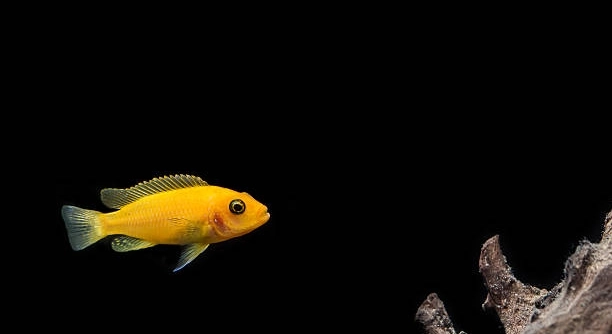
Cichlids are known for their attentive care of their young, yet sometimes they unexpectedly abandon their fry. Observing this behavior can be unsettling for fish keepers who expect consistent parental protection in the aquarium environment.
Cichlids may abandon their fry due to stress, illness, environmental changes, insufficient food, overcrowding, aggressive tank mates, or genetic factors. Each of these conditions can trigger instinctual behaviors that prioritize survival over parental care, leading to sudden abandonment.
Understanding these situations helps aquarists respond appropriately and maintain healthier tank conditions, ensuring both adult cichlids and fry have a better chance of thriving.
Stress-Induced Abandonment
When cichlids experience stress, they may leave their fry without warning. Stress can result from sudden changes in water temperature, poor water quality, or overcrowding in the tank. Even minor disturbances, like frequent tapping on the glass or loud noises, can affect their behavior. Stress weakens the parent fish’s instincts, making them more likely to focus on self-preservation rather than protecting their young. In some cases, aggressive interactions between adult cichlids increase stress levels, especially if the fry are seen as vulnerable or competition arises for limited resources. Observing fish under stress often shows erratic swimming, hiding, or decreased feeding. By recognizing early signs of stress, adjustments in tank conditions, such as improving water parameters, reducing overcrowding, or isolating aggressive fish, can prevent sudden abandonment. Consistent monitoring and maintaining a calm, stable environment are essential for encouraging parents to stay with their fry.
Stress affects both the physical and mental state of cichlids, making abandonment a survival-driven behavior rather than neglect.
Maintaining a low-stress environment involves monitoring temperature and pH levels, providing adequate hiding spots, and limiting tank disturbances. Gradual acclimation to changes, careful feeding, and balanced nutrition also reduce stress. Observing interactions among tank mates helps prevent aggressive encounters. By creating stability, cichlids are more likely to remain attentive to their fry, reducing sudden abandonment incidents and increasing fry survival rates.
Illness or Weakness
Sick or weak cichlids often abandon their young to conserve energy and focus on recovery.
Illness in cichlids can directly affect parental care, causing abandonment of fry. Common conditions such as bacterial infections, parasites, or fungal growth weaken their immune system and energy levels. A parent struggling with health cannot adequately guard or feed the fry, sometimes leading to complete neglect. Recognizing illness early is crucial, as intervention can save both adult fish and their offspring. Quarantining affected adults, providing appropriate medication, and maintaining clean, stable water conditions help mitigate these risks. Nutrition also plays a key role; a weakened diet can reduce energy for parental duties. Observing signs like lethargy, loss of appetite, discoloration, or unusual swimming patterns allows for timely action. Even minor infections can escalate quickly, and fry are highly vulnerable during this period. By prioritizing adult health, the likelihood of fry abandonment decreases significantly, supporting a healthier and more balanced tank environment.
Environmental Changes
Sudden shifts in water conditions can trigger cichlids to abandon their fry. Temperature swings, pH imbalances, or changes in lighting disrupt their natural instincts. Parents may leave to protect themselves rather than risk staying with vulnerable offspring in a hostile environment.
Rapid temperature fluctuations or unstable pH levels can make adult cichlids anxious and defensive. Even minor changes in water hardness or chemical composition can stress them, leading to inattentiveness or complete abandonment of fry. Cichlids rely on stable conditions to maintain regular behavior patterns, and disturbances interfere with feeding, cleaning, and protective routines. Gradual acclimation to any tank changes is essential to prevent sudden abandonment. Providing a stable habitat ensures parents can care for their young without unnecessary stress interfering with instinctual behaviors.
Other environmental factors also influence parental care. Overcrowded tanks, poor filtration, and inconsistent feeding schedules create tension among fish. When resources are limited, adults may prioritize self-preservation. Hiding places and shelters for fry reduce exposure to aggressive tank mates. Monitoring water quality, maintaining consistent parameters, and minimizing disturbances significantly improve parental retention, giving fry a safer chance to survive and grow.
Aggressive Tank Mates
Aggressive fish can drive cichlids away from their fry. Continuous attacks or intimidation make it unsafe for parents to stay with young.
When other fish in the tank harass cichlids, parents may abandon fry to avoid injury. Aggression increases stress and can interfere with normal care routines. Even a single aggressive tank mate can create enough tension to disrupt parental behavior. Protective instincts may be overridden by fear or the need to escape, leaving fry vulnerable. Separating aggressive species or providing hiding spaces helps reduce conflict and allows parents to resume care.
Aggression often arises from territorial disputes, competition for food, or dominance behaviors. When cichlids feel threatened, they may retreat or focus on self-defense, abandoning fry in the process. Providing multiple hiding areas, observing interactions, and separating incompatible species are practical solutions. Understanding social dynamics in the tank is crucial to prevent repeated abandonment incidents and maintain a safe environment for both parents and fry. Balancing aggression with protective spaces ensures fry survival while keeping adult cichlids secure.
Insufficient Food
Cichlids may abandon their fry if food is scarce. Without enough nutrition, parents prioritize survival over caring for their young, leaving fry unattended and vulnerable.
Limited feeding affects both adult cichlids and their offspring. Parents struggling to find sufficient food cannot provide proper care or protection.
Overcrowding
High population density in the tank stresses cichlids. Overcrowding leads to competition, aggression, and confusion, causing parents to abandon fry to reduce personal risk.
Genetic Factors
Some cichlids inherit tendencies that make them less attentive to their young. These traits can influence whether parents remain with or abandon their fry.
Aggression Between Parents
Parental aggression can lead to fry being abandoned. Conflicts between mating pairs disrupt care, sometimes resulting in one parent leaving the fry entirely.
Why do cichlids sometimes abandon their fry suddenly?
Cichlids abandon fry for several practical reasons, usually related to survival instincts. Stress, illness, or environmental changes often trigger this behavior. When water conditions fluctuate, or tank conditions are unstable, parents prioritize their own safety. Aggression from tank mates or overcrowding can also force adults to leave fry unattended, even if they usually provide attentive care.
Can stress in the tank really cause abandonment?
Yes, stress is one of the most common triggers. Sudden temperature shifts, poor water quality, or constant disturbances can make adult cichlids anxious. Stressed parents may swim erratically, hide, or fail to feed and protect their young. Stress reduces their energy and instincts, often resulting in abandonment to preserve themselves.
Does illness in adult cichlids affect parental care?
Absolutely. Illness weakens both body and instincts. Bacterial or parasitic infections, fungal growths, or nutritional deficiencies can leave parents unable to care for fry. Sick fish may become lethargic, lose appetite, or swim unusually, which limits their ability to guard and feed the young. Intervening early with proper treatment and isolation can prevent permanent loss of care.
How do environmental changes influence abandonment?
Cichlids rely on stable conditions to perform parental duties. Sudden water temperature shifts, pH imbalances, or inconsistent lighting can disrupt their instincts. Even small disturbances, like moving decorations or changing filtration patterns, may trigger abandonment. Maintaining consistent parameters and gradual adjustments keeps adults comfortable and attentive to their fry.
Can aggressive tank mates force parents to leave their fry?
Yes, aggressive species or dominant fish in the same tank can push cichlids to abandon fry. Adults may feel threatened or unsafe, leading them to retreat from caring for their young. Providing separate spaces, hiding areas, or removing aggressive fish can reduce conflicts and encourage proper parental behavior.
Does lack of food influence abandonment?
Insufficient food directly impacts both parents and fry. Adults underfed or competing for limited resources may leave their young unattended. Fry are vulnerable if parents cannot feed or protect them. Regular feeding schedules and providing ample nutrition for all tank inhabitants reduce the chances of abandonment due to hunger.
Is overcrowding a significant factor?
Overcrowding increases competition, stress, and aggression. When too many fish share the same tank, adults may prioritize survival over parental duties. High density limits hiding spots for fry and increases tension among adults, making abandonment more likely. Maintaining appropriate population density helps prevent this issue.
Do genetic factors play a role?
Yes, some cichlids are naturally less attentive due to inherited traits. Even under ideal conditions, certain parents may neglect their fry. While genetics cannot be changed, providing a supportive environment and reducing stress can help improve care.
Can aggression between mating pairs affect fry survival?
Conflicts between parents can disrupt care routines. If one parent becomes aggressive toward the other, fry may be abandoned or even harmed. Monitoring interactions and separating overly aggressive adults can protect the young and maintain a stable environment.
What steps can help prevent abandonment?
Maintaining stable water conditions, reducing stress, feeding adequately, and providing hiding spaces all improve parental care. Observing fish behavior and addressing illness early also makes a difference. Balancing tank dynamics, avoiding overcrowding, and separating aggressive species further supports attentive care and fry survival.
How can I support fry if abandonment occurs?
If parents leave the fry, removing them to a separate rearing tank ensures safety. Providing appropriate food, such as infusoria or finely crushed flakes, and maintaining clean water will help fry grow. Minimizing disturbances and keeping a consistent routine gives abandoned fry the best chance at survival.
Are some cichlid species more prone to abandonment?
Yes, certain species naturally show less parental care or higher sensitivity to stress and environmental changes. Researching the specific species’ behavior patterns can help prepare and manage care expectations in mixed or community tanks.
Does observation alone reduce abandonment risk?
Careful observation helps identify stress, illness, or aggression early, but simply watching does not prevent abandonment. Active intervention, like adjusting water parameters or separating aggressive fish, is necessary to protect fry and support attentive parents.
Can fry survive without parental care?
Fry can survive if properly reared in a controlled environment. Using separate tanks, providing small, frequent feedings, and ensuring water quality allows abandoned fry to grow. While parental care increases survival chances, attentive human management can compensate when adults abandon them.
Is it normal for cichlids to abandon fry occasionally?
Yes, abandonment is part of natural behavior, especially under stress or threat. It does not always indicate poor parenting. Understanding the reasons behind this behavior helps aquarists manage tanks effectively and improve fry survival rates.
How important is tank setup in preventing abandonment?
A well-planned tank with stable conditions, hiding spots, and minimal aggression reduces abandonment risks. Proper setup supports both adult and fry needs, creating an environment where parental care is more likely to continue uninterrupted.
What common mistakes lead to fry abandonment?
Mistakes include overcrowding, inconsistent feeding, poor water quality, frequent disturbances, and incompatible tank mates. Addressing these factors proactively decreases abandonment incidents and ensures a healthier environment for both parents and fry.
Can stress from handling fish trigger abandonment?
Yes, frequent netting or moving fish between tanks creates stress. Handling should be minimized, and changes introduced gradually. Stressful interactions can override parental instincts, causing temporary or permanent abandonment of fry.
Do seasonal changes affect parental care?
Seasonal shifts can influence water temperature or light cycles, indirectly impacting parental behavior. Consistent monitoring and adjusting tank conditions accordingly reduce seasonal stress and help maintain attentive care for fry.
How long does it take for cichlids to resume care after abandonment?
Recovery depends on the cause. Stress-related abandonment may resolve once conditions stabilize. Illness requires treatment before parental behavior returns. Some cases, particularly involving aggression or genetic tendencies, may result in permanent abandonment despite interventions.
Are there warning signs before abandonment happens?
Yes, signs include reduced feeding, erratic swimming, excessive hiding, aggression, or neglect of fry. Observing these behaviors allows timely intervention to prevent abandonment or reduce its impact on fry survival.
What is the best way to manage multiple breeding pairs in a single tank?
Separate breeding pairs if aggression or overcrowding occurs. Ensure sufficient hiding spaces and maintain consistent feeding and water conditions. Monitoring interactions closely helps reduce stress and supports continued parental care.
Does tank size influence abandonment?
Smaller tanks increase stress, territorial disputes, and overcrowding risks, often leading to fry abandonment. Larger tanks with sufficient hiding areas and balanced populations reduce stress and improve parental care consistency.
Can I predict which cichlids will abandon their fry?
Prediction is difficult, as abandonment is influenced by multiple factors, including stress, health, and genetics. Observing parent behavior and maintaining optimal tank conditions are the most effective ways to reduce the risk.
Is human intervention always necessary for fry survival?
Not always. If parents are attentive and conditions are stable, fry usually thrive naturally. Intervention becomes essential when stress, illness, aggression, or environmental changes compromise parental care, ensuring fry have a safe and nurturing environment.
How long should fry stay with their parents?
Fry typically remain under parental care until they are large enough to avoid predation, often several weeks. Removing them too early or too late can increase stress or risk of harm, so timing should align with their growth and development.
Does diet affect parental behavior?
Yes, nutrition influences energy and caregiving ability. Poor diet can reduce a parent’s ability to feed, protect, or clean fry. Balanced and frequent feedings ensure parents maintain the stamina needed for attentive care.
What common environmental mistakes trigger abandonment?
Mistakes include sudden water changes, poor filtration, abrupt lighting shifts, or noisy surroundings. Correcting these factors gradually minimizes stress and encourages parents to continue caring for their fry consistently.
Can tank decorations influence parental care?
Yes, hiding spots and shelters help parents protect fry. Lack of cover or overcrowded decorations can stress adults or expose fry, increasing the likelihood of abandonment. Thoughtful tank arrangement supports natural parental behaviors.
How can I reduce aggression among adult cichlids?
Separate aggressive individuals, maintain sufficient space, and provide hiding areas. Balanced feeding and avoiding overcrowding reduce tension. Managing social dynamics prevents fights and keeps adults attentive to fry.
Does water quality directly impact abandonment?
Poor water quality stresses fish, weakens immune systems, and disrupts instincts. Maintaining clean water with stable parameters is essential for attentive parental care and reducing abandonment incidents.
How do I know if abandoned fry can survive on their own?
Monitor feeding response, growth rate, and health. Providing proper nutrition, hiding spaces, and stable water conditions increases survival chances. Fry that actively swim and feed independently are more likely to thrive.
Are some abandonment cases irreversible?
Yes, severe illness, genetic tendencies, or prolonged aggression may permanently prevent parental care. In such cases, human intervention is necessary to ensure fry survival and maintain tank balance.
How often should I check for signs of abandonment?
Daily observation is ideal, focusing on parental behavior, fry activity, and water conditions. Early detection of stress, illness, or aggression allows timely intervention and improves fry survival rates.
Can I prevent abandonment through selective breeding?
Selective breeding for attentive parents can reduce abandonment tendencies. Choosing adults with proven caregiving behavior increases the likelihood of consistent care, but environmental and health factors still influence outcomes.
How does tank layout affect parental success?
Providing separate areas, hiding spots, and clear territories reduces stress and conflict. Thoughtful layout encourages parents to remain with fry and minimizes abandonment caused by overcrowding or aggression.
Is abandonment more common in community tanks?
Yes, mixed-species tanks increase stress and aggression, which can trigger abandonment. Observing species compatibility and providing sufficient space reduces risk and helps parents maintain care routines.
Can I reintroduce parents to abandoned fry?
Sometimes, but it depends on the cause. Stress-related abandonment may allow reintroduction if conditions stabilize. Aggression or illness makes reintroduction risky, so careful monitoring is required to prevent harm.
How do I manage multiple abandoned fry at once?
Use separate rearing tanks, feed small amounts frequently, and maintain clean water. Organize hiding spots and monitor growth closely. Keeping fry separated reduces stress and increases survival chances.
What is the most common reason for abandonment in home tanks?
Stress, caused by poor water quality, overcrowding, or aggression, is the leading reason. Illness, insufficient food, and environmental changes also play significant roles in sudden fry abandonment.
Can improving water parameters reverse abandonment behavior?
Yes, stabilizing water temperature, pH, and cleanliness can reduce stress and encourage attentive behavior in some parents. Consistent monitoring and slow adjustments are key to reversing temporary abandonment.
How long does it take for parents to fully resume care after conditions improve?
It varies from a few hours to several days, depending on stress severity, health, and environmental stability. Continuous observation ensures the fry are safe and care resumes appropriately.
Does parental age affect fry care?
Younger or inexperienced adults may abandon fry more often, while older, experienced cichlids typically show stronger parental instincts. Providing stable conditions helps all parents perform better.
Can I prevent abandonment entirely?
Complete prevention is unlikely, as instinctual behaviors, stress, and genetics play roles. Minimizing risk through careful tank management, proper feeding, and monitoring improves parental consistency and fry survival.
Are there signs that parents will resume care naturally?
Parents may return to guarding fry once stress decreases, water stabilizes, or threats are removed. Observing resumed feeding, cleaning, and protective behaviors indicates care is returning.
How do I know if abandonment was caused by stress or illness?
Stress usually presents as erratic behavior, hiding, or sudden flight responses, while illness shows physical signs like discoloration, lethargy, or loss of appetite. Correct identification guides proper intervention to protect fry.
Can frequent tank cleaning trigger abandonment?
Yes, excessive disturbance during cleaning can stress adults. Gradual cleaning, minimal disruption, and maintaining hiding spaces reduce the likelihood of triggering abandonment behavior.
Is it normal for only one parent to abandon fry?
Yes, sometimes only the male or female leaves, often due to stress, aggression, or individual temperament. The remaining parent may continue care, but intervention may be needed to ensure fry survival.
Can I train cichlids to be better parents?
Not exactly, but providing stable, low-stress environments, consistent feeding, and minimal aggression increases the likelihood of attentive behavior. Environmental management is more effective than trying to alter natural instincts.
Do water changes influence abandonment risk?
Large or sudden water changes can increase stress and trigger abandonment. Gradual adjustments with proper acclimation reduce this risk and maintain parental care consistency.
Are there differences between species in abandonment tendencies?
Yes, some cichlid species are naturally more attentive, while others are more likely to abandon fry under stress. Understanding species-specific behaviors helps plan tanks and interventions effectively.
Can I prevent abandonment by isolating parents before spawning?
Isolation before breeding reduces aggression, competition, and stress, which can lower abandonment risks. Proper tank management ensures parents can focus on caring for fry without external pressures.
How does light exposure affect parental care?
Sudden changes in light or excessive brightness can stress cichlids. Consistent lighting, mimicking natural day-night cycles, supports calmer behavior and attentive care.
Does tank water movement influence abandonment?
High or inconsistent water flow can create stress, causing parents to leave fry. Gentle, steady water movement helps maintain comfort and encourages continued care.
Can human presence stress cichlids?
Frequent tapping, shadowing, or sudden movements near the tank can trigger stress. Reducing disturbances and observing from a distance helps parents remain attentive to fry.
Are fry more vulnerable in small tanks?
Yes, limited space increases stress, aggression, and exposure to hazards. Larger tanks with hiding spots improve parental care and reduce abandonment likelihood.
How do I balance multiple factors to prevent abandonment?
Focus on water stability, proper feeding, tank layout, hiding spots, species compatibility, and stress reduction. Addressing these factors together provides the best environment for attentive parental care.
Is abandonment always permanent?
No, some parents resume care once stressors are removed or health improves. Persistent abandonment may occur with genetic tendencies, severe illness, or aggressive conflicts.
Can I predict abandonment by observing behavior before fry are born?
Observation helps identify stress, aggression, or weak health, but predicting abandonment is not guaranteed. Environmental management is the most reliable preventive measure.
What is the most effective intervention if abandonment occurs?
Removing fry to a safe rearing tank, providing small, frequent feedings, and maintaining clean, stable water ensures their survival. Reducing stress for remaining adults may also encourage resumed care.
How much does nutrition influence parental care?
Balanced diet provides energy for protection, feeding, and cleaning. Poor nutrition weakens parental instincts, making abandonment more likely. Proper feeding schedules benefit both adults and fry.
Do environmental enrichment items reduce abandonment?
Shelters, caves, and plants help adults protect fry and reduce stress. Enrichment supports natural instincts and encourages attentive care.
Can I combine multiple prevention methods?
Yes, stabilizing water, reducing stress, controlling aggression, and providing proper nutrition together creates the most favorable conditions to prevent abandonment.
How do I know if interventions are working?
Indicators include resumed feeding, active protection, cleaning behavior, and fry thriving. Observing changes over several days confirms the effectiveness of interventions.
Are there risks to intervening too much?
Overhandling or frequent tank changes can stress adults further. Interventions should be minimal, targeted, and gradual to support natural parental behavior without causing additional abandonment.
Can abandoned fry be reintroduced to parents later?
Sometimes, if the cause was temporary stress or environmental issues. Careful observation is required to avoid aggression or harm to fry during reintroduction.
How do I manage long-term care for abandoned fry?
Provide stable water conditions, frequent small feedings, hiding spots, and gradual growth monitoring. Keeping fry separate from adults prevents predation and allows healthy development until they can join the main tank safely.
Does tank size and layout need constant adjustment?
Minor adjustments are sometimes necessary, but large or sudden changes increase stress. Consistency is more important than frequent modifications for maintaining parental care.
Can abandoned fry adapt to a community tank?
Yes, once they are large enough and healthy, fry can integrate safely. Adequate hiding spaces and compatible species are crucial for reducing stress and aggression.
Is abandonment more common in newly set up tanks?
Yes, new tanks can be unstable, creating stress from chemical imbalances, unfamiliar environments, and incomplete biological filtration. Gradual acclimation reduces abandonment risks.
How do I track parental behavior effectively?
Daily observations focusing on feeding, guarding, and cleaning routines reveal changes. Documenting behavior patterns helps identify potential abandonment triggers early.
Can environmental stress override genetics in parental care?
Yes, even naturally attentive parents may abandon fry under extreme stress, poor water quality, or aggression. Environmental management remains critical for consistent care.
Are fry survival rates predictable after abandonment?
Survival depends on intervention, water quality, nutrition, and protection from hazards. Prompt, careful management improves chances, but outcomes vary based on conditions and timing.
Do all cichlids respond the same way to stress?
No, responses differ by species, individual temperament, and past experiences. Some resume care quickly, while others abandon fry permanently under similar stressors.
What is the role of hiding spots in fry protection?
Hiding spots allow fry to escape aggression and reduce stress for parents. Proper placement supports natural behaviors and increases survival chances.
Can I prevent abandonment by monitoring water parameters constantly?
Yes, maintaining consistent temperature, pH, hardness, and cleanliness reduces stress and supports attentive care. Sudden fluctuations often trigger abandonment, so monitoring is essential.
Are abandoned fry more prone to disease?
Yes, without parental protection and cleaning, fry are vulnerable to infections. Maintaining high water quality and hygiene is crucial for their survival.
Does parental experience affect abandonment rates?
Experienced adults usually show more consistent care. Inexperienced or first-time parents may be more prone to stress-induced or environmental abandonment.
How do I manage multiple stress factors simultaneously?
Stabilize water, reduce aggression, provide proper nutrition, and maintain hiding spots. Addressing all factors together reduces stress and supports attentive parental care.
Can abandoned fry recognize parents if reintroduced later?
Fry may not recognize parents after prolonged separation, increasing risk of aggression. Careful observation and gradual acclimation are necessary if reintroduction is attempted.
Is abandonment more common in certain tank setups?
Yes, overcrowded, noisy, or poorly filtered tanks increase stress and aggression, making abandonment more likely. Optimizing tank size
Final Thoughts
Cichlids abandoning their fry can feel discouraging, especially when you expect attentive care from these usually devoted parents. While it may seem like neglect, abandonment is often a survival response rather than a reflection of poor parenting. Stress, environmental changes, illness, aggression, insufficient food, or even inherited tendencies can all influence this behavior. Recognizing that these actions are instinctual helps frame them as part of natural behavior instead of personal failure as a caretaker. Understanding why abandonment occurs allows aquarists to make informed adjustments to the tank environment and care practices, improving the chances that fry survive and thrive despite unexpected challenges. Observing cichlids carefully and noting changes in behavior, feeding, and interactions is a practical way to anticipate potential abandonment before it becomes critical.
Maintaining a stable, low-stress environment is key to encouraging parental care. Water quality, temperature, pH, and lighting all influence adult behavior, and even minor fluctuations can create stress strong enough to trigger abandonment. Overcrowding and aggressive tank mates further increase tension, sometimes causing parents to leave fry behind to protect themselves. Adequate nutrition for both adults and fry ensures parents have the energy to feed, guard, and clean their young. Providing hiding spaces and separate areas for fry can reduce stress on both parents and offspring, making the environment more supportive for natural care behaviors. In cases where abandonment is unavoidable, separating the fry into a controlled rearing tank with proper food and clean water helps ensure survival. Understanding the factors that influence parental care allows aquarists to take targeted steps to prevent or manage abandonment effectively.
Even with careful attention, some cichlids may still abandon their fry due to genetics or other factors beyond control. While human intervention can often save abandoned fry, it is important to accept that parental behavior has natural limits. Observing and learning from these experiences strengthens knowledge about cichlid care and highlights the importance of proactive management in aquariums. Monitoring water parameters, tank layout, aggression levels, and parent health consistently increases the likelihood that parents will stay with their young. By combining careful observation, stable environmental conditions, and supportive interventions when necessary, aquarists can improve both adult cichlid behavior and fry survival. Recognizing that occasional abandonment is a natural behavior helps maintain a balanced perspective while working to create the best possible conditions for all fish in the tank. Understanding these dynamics ensures healthier, more resilient cichlid populations over time, and provides a more rewarding experience for anyone caring for them.

Hello,
If you enjoy the content that we create, please consider saying a "Thank You!" by leaving a tip.
Every little bit helps us continue crafting quality advice that supports the health, happiness, and well-being of pets around the world, for pets of all shapes, sizes, and species.
We really appreciate the kindness and support that you show us!