
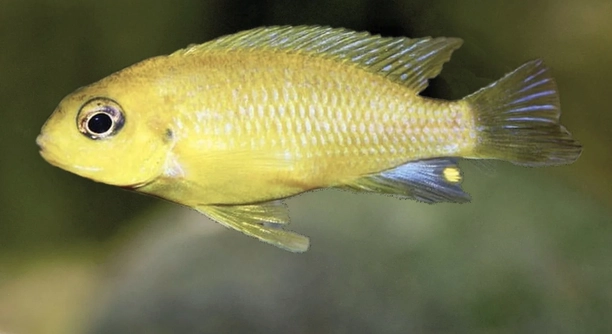
Have you ever noticed your electric yellow cichlid acting differently when navigating its tank space, creating subtle patterns that signal its comfort, mood, and social balance in the aquatic environment you maintain at home today.
Electric yellow cichlids establish territory through color displays, posture adjustments, and controlled movements that communicate dominance. These behaviors maintain spatial organization and reduce conflict within the aquarium. Observing these patterns allows accurate interpretation of their environmental needs and social dynamics.
Learning these signals helps you understand their routines and supports a tank environment that aligns with their natural territorial instincts.
Key Territorial Signs
Electric yellow cichlids rely on clear territorial structure to stay calm and balanced, so recognizing the behaviors linked to this pattern is important when caring for them at home. These fish often create regular paths they travel along the substrate, and they defend these paths with small postures that show confidence rather than aggression. You may see them moving gravel or lightly shifting decorations to define a boundary that feels comfortable for their daily routines. Their colors may brighten slightly when they want to reinforce their presence in a particular area. These behaviors can appear subtle at first, but they tell you a great deal about how the fish is managing its space. When you pay attention to these movements, you can adjust tank conditions in ways that support stable behavior. This keeps your cichlid relaxed while also helping you maintain a predictable environment that encourages healthy activity each day.
Noticing these patterns helps you respond before stress develops, giving your electric yellow cichlid a space that feels steady. Small adjustments to layout or tank flow can make a meaningful difference, supporting smooth movement and reducing tension within their regular swimming routes throughout the entire area they prefer to use.
Providing enough room for defined territories is essential because electric yellow cichlids thrive when they feel secure in their chosen space. Adding caves, rocks, and slight visual breaks prevents constant competition while encouraging natural movement. These additions give your cichlid options to claim a comfortable zone without overwhelming the tank. Balanced lighting also supports calmer behavior by reducing sudden shifts that might startle them. Maintaining steady water quality further strengthens their confidence, allowing them to interact peacefully with other tank mates. When each element works together, your setup promotes stable territorial behavior that aligns with their natural instincts and daily.
Managing Tank Layout for Territorial Stability
Adjusting the tank layout helps maintain steady territorial behavior, giving electric yellow cichlids predictable areas to settle into. Strategic placement of rocks and barriers shapes movement patterns and lowers the chance of conflict among tank mates, creating a smoother environment for daily activity and steady interaction within their shared space.
Creating a tank that supports natural territorial behavior starts with providing enough structure for clear boundaries. Electric yellow cichlids respond well to environments that mimic their natural habitat, so adding layered rock formations, caves, and stable objects helps reduce unnecessary tension. These features divide the aquarium visually, allowing each fish to settle into its preferred section without constant interference. Water movement should remain gentle enough to support calm swimming patterns, while still maintaining oxygenation and filtration. Using a moderate current helps keep debris from collecting around territories, allowing the fish to maintain clean spaces they can manage comfortably. Lighting should remain consistent throughout the day to avoid sudden changes that may unsettle them. Aim for a balanced layout that gives your cichlid space to move while also limiting direct confrontations with other territorial fish. Monitoring their daily movement patterns helps you determine whether adjustments are needed, as slight shifts in behavior often signal that boundaries need reinforcement. Rearranging decorations occasionally can reset overly claimed areas and promote healthier balance among tank mates. A thoughtful setup keeps your cichlid relaxed and encourages natural interaction, creating a stable environment that aligns with their instincts and supports long term comfort in their tank.
Recognizing Aggressive Displays
Aggressive displays in electric yellow cichlids often appear when boundaries feel threatened, causing shifts in posture and movement. You may notice quick flares of color or short bursts of speed directed toward nearby fish. These behaviors show the cichlid is reinforcing its space and needs clear structure in the tank.
When these displays intensify, the cichlid is signaling that its territory requires more separation from nearby fish. Persistent pacing, raised fins, and directed lunges are common indicators that the boundary is being tested. Providing visual breaks can reduce tension by giving each fish space to navigate without constant pressure. Adjusting decorations helps distribute movement patterns so the dominant fish can maintain its preferred area. These adjustments support calmer interactions and prevent repeated confrontations. Observing these behaviors daily makes it easier to recognize patterns that show when territorial lines need reinforcement to maintain stable behavior within the tank at all times.
Some aggressive responses appear mild but still indicate discomfort within the territory. Slow circling, subtle nudges, and short displays of color can mark the beginning of territorial dissatisfaction. These signals often emerge when tank spacing is insufficient or when visual barriers are not placed thoughtfully. Adding structured objects gives the cichlid options to move with confidence, reducing the likelihood of escalation. Balanced lighting and steady water flow further support predictable behavior, helping the fish feel secure in its chosen space. Paying close attention to these early signs allows you to adjust the tank before tension affects overall stability each day.
Environmental Factors Influencing Territory Behavior
Environmental factors shape how electric yellow cichlids manage their territory, influencing comfort and movement patterns throughout the tank. Water quality, lighting consistency, and available shelter each play a key role in forming stable boundaries. When these elements are unbalanced, the fish may become unsettled, leading to heightened displays that signal discomfort. Maintaining steady conditions encourages predictable behavior and lowers conflict, creating an environment where territorial routines develop naturally and remain easy to interpret for you.
Maintaining the right environmental balance requires consistent attention to water parameters and structural layout. Electric yellow cichlids depend on clean, well oxygenated water to feel secure, and sudden fluctuations can disrupt their territorial behavior. Keeping filtration steady prevents debris buildup that may otherwise interfere with boundary maintenance. Structured decorations should be arranged to break lines of sight, helping limit direct confrontations while still supporting natural movement. Lighting should remain soft and even, reducing sharp contrasts that could unsettle the fish during normal activity. Regular observation helps you track subtle changes that may signal the need for layout adjustments or water corrections. When these elements work together, the tank becomes a predictable environment that encourages stable territorial patterns and supports healthy interaction among all fish daily.
How Tank Mates Affect Territorial Behavior
Tank mates play a strong role in shaping territorial reactions, especially when they occupy similar spaces or move too quickly around established boundaries. Electric yellow cichlids prefer companions that respect distance, so choosing peaceful species helps maintain calm interactions and prevents unnecessary displays that stem from overcrowded or intrusive movement.
Selecting tank mates with different swimming levels reduces overlap and gives your cichlid room to maintain steady routines. Avoid species that chase or nip, as these behaviors increase stress and territorial tension. When the group is balanced, your cichlid settles into predictable patterns that support healthy activity.
Feeding Patterns and Territory Response
Feeding patterns can influence territorial behavior, especially when food distribution encourages competition. Electric yellow cichlids respond better when food is spread across different areas, allowing each fish to eat without constant confrontation. Uneven feeding triggers defensive displays, which can easily spill over into regular movement patterns throughout the tank. Maintaining a steady schedule helps reduce unpredictability and supports calmer routines. Sinking pellets or small portions placed in multiple spots give your cichlid space to eat comfortably while reinforcing stable boundaries. With consistent timing and even distribution, feeding becomes a smooth part of their daily structure instead of a source of tension.
Subtle Shifts in Daily Behavior
Subtle shifts like reduced movement or slight color changes often signal developing territorial concerns. Watching these patterns helps you adjust the tank before tension increases, supporting a steady environment where your cichlid feels comfortable maintaining its preferred space.
FAQ
Why does my electric yellow cichlid guard a specific spot in the tank?
Electric yellow cichlids guard particular areas because these spots feel secure and familiar. The chosen space usually includes shelter, stable decorations, or a preferred swimming route. When they find a place that matches their comfort, they protect it to maintain a sense of control. This behavior becomes stronger when tank mates move too close or when layout changes unsettle their routines. Providing clear boundaries and balanced spacing helps them feel steady and reduces the need for constant defending. Once their preferred territory feels predictable, their movements and reactions become much calmer.
Why does my cichlid move gravel around its territory?
Moving gravel is a natural behavior that supports territory formation. Electric yellow cichlids shift gravel to shape the area to their liking, creating small dips or edges they can recognize. This helps them feel secure because the space becomes customized to their needs. Gravel movement can become more frequent when they want stronger boundaries or when another fish approaches too often. Giving them defined structures helps direct this behavior in a balanced way. It is a normal part of their daily routine and often signals that they are comfortable enough to manage their surroundings.
Why does the color of my electric yellow cichlid change during territorial moments?
Color changes often appear when the fish wants to communicate strength or reinforce its presence. When defending space, brighter tones help the fish express confidence. This reaction can also appear during mild tension with tank mates. These shifts are temporary and usually settle once the fish regains comfort in its surroundings. Stable lighting and low stress levels help keep color displays predictable. Observing these changes can help you understand how secure the fish feels in the tank.
Is it normal for electric yellow cichlids to chase other fish when forming territory?
Chasing is a common territorial behavior, especially when boundaries feel unclear. Electric yellow cichlids use gentle chasing to warn other fish to move away from their preferred zone. Mild instances are normal, but constant chasing signals poor layout or too little space. Adding more visual breaks and adjusting decorations helps reduce direct conflict. When the tank supports clear divisions, chasing becomes less frequent and remains manageable.
Why does my cichlid become more territorial during feeding time?
Feeding increases territorial behavior when food is too concentrated in one area. Electric yellow cichlids defend their access to food, especially if they feel threatened by quicker or more assertive tank mates. Spreading food throughout the tank reduces pressure and helps each fish eat without conflict. Consistent feeding routines also lower tension by removing unpredictability. When feeding is structured, territorial behavior becomes much easier to manage.
What environmental conditions increase territorial stress?
Sudden changes in water quality, inconsistent lighting, overcrowded spaces, or poorly arranged decorations can all heighten territorial stress. These conditions disrupt established boundaries and force the fish to reassert control. Maintaining stable parameters and consistent lighting helps prevent these reactions. Structured tank layouts with rocks and caves help them separate their space naturally, lowering the chance of intense displays. Observing their daily patterns helps you make adjustments before stress builds.
Can electric yellow cichlids lose territory over time?
Territorial areas can shift when tank layout changes or when new fish enter the environment. Electric yellow cichlids adapt by seeking new secure spaces that fit their comfort needs. Sometimes they lose a favored area due to stronger tank mates or environmental fluctuations. Providing multiple hiding spots and visual barriers reduces competition and helps them settle into a suitable space. Giving them predictable surroundings allows them to rebuild security steadily.
How can I reduce aggressive territorial behavior in my cichlid?
Balanced spacing, stable decorations, and thoughtful tank mate selection help reduce tension. These fish respond well to areas that feel structured and dependable. Even small adjustments can ease aggression, especially when patterns of conflict appear early. Observing daily movements helps you determine when boundaries need reinforcement. Consistent care supports calmer territorial behavior and improves overall comfort.
Final Thoughts
Bringing together every part of electric yellow cichlid behavior helps create a stable environment that supports their natural patterns and daily routines. These fish rely on consistent surroundings to feel secure, and each detail in their tank influences how they respond to the space they claim. When their boundaries are respected, their movements become calm and steady, allowing them to settle into a predictable rhythm. Paying attention to their signals gives you a clearer understanding of their comfort level, helping you make thoughtful adjustments that keep the environment balanced. Their behavior reflects the stability of the tank, so maintaining steady water quality, dependable lighting, and organized structure encourages peaceful interaction. With each change you make, you guide them toward a more relaxed routine that reflects their instinctive need for order, and this creates a tank that remains pleasant for both the fish and the person caring for them.
The behavior of electric yellow cichlids becomes easier to interpret when you watch them consistently, because their daily patterns reveal how comfortable they feel in their space. When they pace lightly along their chosen routes, adjust gravel, or reinforce a boundary with a brief display, they are communicating their need for clarity in the environment. These small actions help you understand what they prefer and how they react to nearby fish or changes in layout. Stable surroundings reduce tension and allow their territorial behavior to stay mild instead of escalating. When the tank is arranged with care, they respond with smoother movements and more predictable interactions. This encourages a calmer atmosphere where each fish can settle without constant conflict. Supporting these natural tendencies strengthens their overall well being and keeps the tank functioning in a steady and manageable way, which is important for long term care.
Maintaining a thoughtful environment ensures your electric yellow cichlid stays comfortable, active, and confident in its territory. Their behavior becomes balanced when the space around them feels secure, encouraging them to explore, rest, and interact in a calm manner. Every adjustment, whether it involves layout, lighting, feeding, or water quality, shapes how they settle into their surroundings. These details guide their reactions and help reduce unnecessary stress, allowing the tank to operate smoothly. By focusing on predictable routines and observing their daily shifts, you can support their natural instincts with ease. Over time, these efforts create a reliable setting that keeps your cichlid relaxed and engaged, forming a healthy balance that continues to support their territorial needs without creating tension in the space they call home.

Hello,
If you enjoy the content that we create, please consider saying a "Thank You!" by leaving a tip.
Every little bit helps us continue crafting quality advice that supports the health, happiness, and well-being of pets around the world, for pets of all shapes, sizes, and species.
We really appreciate the kindness and support that you show us!