
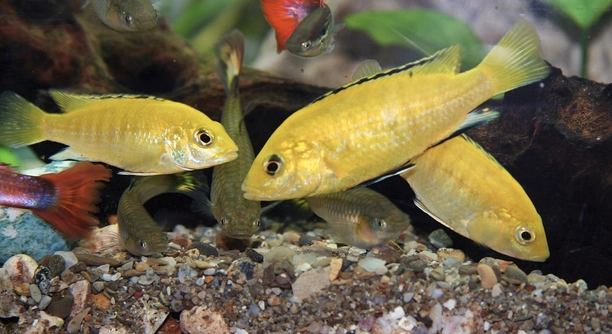
Electric Yellow Cichlids are known for their vibrant color and active nature, making them a popular choice among aquarium enthusiasts. Their behavior can be sensitive to environmental changes, particularly after a water change. Observing these reactions helps maintain a healthy tank.
After a water change, Electric Yellow Cichlids often exhibit increased activity, temporary territorial displays, and slight hiding behaviors. These responses are normal adjustments to altered water parameters, reflecting their instinctive need to reestablish comfort and familiar boundaries in their environment.
Monitoring these shifts in behavior ensures the long-term well-being of your fish and provides insight into their natural responses in captivity.
Understanding Behavior Changes After Water Changes
Electric Yellow Cichlids can react noticeably after a water change. Most commonly, they swim more actively, exploring every corner of the tank. Some may become slightly aggressive, chasing other fish as they reestablish their territory. Temporary hiding is also typical, especially among younger or more timid cichlids. These behaviors usually last a few hours to a day, depending on the size of the water change and how different the new water parameters are. The fish are adjusting to changes in pH, temperature, or mineral content. Watching them carefully during this time helps prevent stress-related issues. Providing consistent water quality and gradual changes reduces dramatic responses. Using a water conditioner can also help minimize sudden chemical shifts. Over time, most Electric Yellow Cichlids resume normal swimming patterns, feeding routines, and social interactions once they become accustomed to their refreshed environment. This adjustment period is a natural part of their behavior.
Adjusting gradually is key to reducing stress and keeping your cichlids healthy.
Observing these patterns allows you to respond quickly if behaviors extend beyond normal limits. It also builds confidence in managing water changes while maintaining a peaceful tank dynamic. Knowing which reactions are typical helps prevent unnecessary worry and ensures your fish remain active and thriving.
Tips to Minimize Stress
Keeping water changes consistent in timing and volume helps cichlids adapt more easily.
Before changing water, test temperature and pH to match the tank. Slowly adding new water prevents shock and keeps fish comfortable. Avoid sudden large water changes. Maintain clean filters and monitor behavior afterward to catch any unusual reactions early. Regular maintenance creates a stable environment, which reduces aggression and hiding. Providing familiar decorations or plants helps cichlids feel secure. Feeding small portions after water changes can encourage normal activity. Keeping interactions calm during this period prevents additional stress. Over time, these practices promote a balanced and harmonious aquarium where Electric Yellow Cichlids display natural colors and behaviors without prolonged anxiety. Understanding and implementing these steps ensures the fish adjust smoothly, improving their overall well-being.
Water changes are necessary, but how they are performed impacts the fish greatly. Taking precautions and observing reactions ensures the tank remains a safe, stable space. Combining careful planning with consistent monitoring allows you to manage changes effectively. Simple adjustments in water temperature, gradual addition of new water, and attention to social interactions minimize stress. Providing hiding spots and consistent feeding helps fish feel secure. With these measures, Electric Yellow Cichlids maintain bright colors, active movement, and regular feeding patterns. Over time, following these steps reduces the likelihood of aggressive encounters or prolonged hiding. A stable environment fosters healthier fish and encourages natural behaviors that make observing the tank enjoyable. Regular attention to water quality and fish behavior ensures long-term success in keeping these cichlids thriving.
Feeding Behavior After Water Changes
Electric Yellow Cichlids may eat less immediately after a water change. Their appetite usually returns once they adjust to the new water conditions. Monitoring feeding habits during this time ensures they are not stressed or avoiding food due to environmental changes.
Changes in water chemistry can temporarily alter feeding routines. Fish may hover near familiar hiding spots, showing little interest in food. Offering smaller portions encourages them to resume eating without overwhelming their system. It is important to maintain regular feeding schedules, even if portions are reduced. Gradually increasing food amounts as they settle helps prevent overfeeding and maintains water quality. Observation during feeding also highlights any unusual behavior, such as lethargy or aggression, that might indicate stress from the recent water change.
Providing balanced nutrition helps fish recover faster from temporary stress. Avoid sudden diet changes or introducing unfamiliar foods immediately after a water change. Maintaining consistency in feeding times and food types supports digestive health. Some fish may take longer to adapt than others, so patience is important. Using high-quality flakes or pellets and occasionally supplementing with live or frozen foods keeps the cichlids healthy and active. Over time, consistent feeding practices paired with careful monitoring create a stable routine that reinforces normal behavior patterns. This approach reduces the risk of health issues caused by stress-related appetite loss and ensures fish maintain vibrant color and activity.
Social Interactions and Territory
After a water change, cichlids may show increased territorial behavior. They often chase tank mates or patrol preferred areas to reassert dominance and familiarity within the tank.
Aggression is usually temporary, peaking shortly after the water change and decreasing as fish readjust. Providing visual barriers or rearranging tank decorations can help diffuse conflicts. Some individuals may retreat more often, avoiding confrontations while acclimating. Ensuring there are multiple hiding spots supports peaceful interactions and prevents injury. Observing interactions closely during this period allows intervention if disputes escalate. Consistency in tank conditions over time reduces stress-related aggression, helping fish establish a balanced social hierarchy. By carefully managing environment and space, normal social behavior is restored quickly, allowing all fish to coexist comfortably and maintain healthy activity levels.
Swimming Patterns and Activity
Electric Yellow Cichlids may swim more erratically after a water change. Sudden bursts of movement or circling around the tank are common as they adjust to new conditions. These behaviors typically settle within a few hours.
Some fish may linger near the bottom or decorations, appearing cautious. This is normal and temporary.
Hiding and Resting Behavior
Hiding is a common response after water changes. Fish often retreat to familiar spots, especially when the new water differs slightly in temperature or chemistry. This behavior helps them feel secure while acclimating.
Color Intensity and Display
Electric Yellow Cichlids may show slight fading or dulling of their vibrant color immediately after a water change. Stress and adjustment to new water parameters can affect pigmentation temporarily.
Interaction with Tank Decor
Fish often explore decorations after water changes, sometimes nudging or moving objects slightly. This exploration helps them reestablish their territory and adapt to the refreshed environment.
FAQ
Why does my Electric Yellow Cichlid hide after a water change?
Hiding is a natural response to environmental changes. When water parameters shift, fish feel less secure. Retreating to familiar spots allows them to acclimate without stress. Most cichlids resume normal activity within hours once they adjust. Consistent water conditions reduce the frequency of hiding behavior.
Why is my cichlid swimming erratically after a water change?
Erratic swimming occurs because the fish are sensing new water conditions. Temperature, pH, or mineral differences can temporarily confuse them. This behavior usually lasts only a short time. Monitoring movement ensures it doesn’t develop into signs of stress or illness. Gradual changes in water minimize this reaction.
Why does my cichlid show temporary aggression after a water change?
Aggression increases as cichlids reestablish territory. They may chase tank mates or patrol their preferred areas. This behavior is normal and decreases as the fish acclimate. Providing hiding spots and keeping decorations consistent helps reduce conflicts during adjustment periods.
Why is my cichlid’s color fading after a water change?
Color fading is often a stress response. Changes in water chemistry can temporarily affect pigmentation. Once the fish settles and water parameters stabilize, vibrant colors return. Maintaining stable temperature, pH, and mineral content supports consistent coloration and reduces prolonged dulling.
How long does it take for behavior to normalize after a water change?
Behavior typically normalizes within a few hours to a day. Some fish may adjust faster, while others take longer. Watching feeding, swimming, and social interactions helps determine if the adjustment is proceeding normally. Consistency in care reduces prolonged stress reactions.
Should I feed my cichlid immediately after a water change?
Feeding can be delayed slightly if the fish are stressed. Offering smaller portions encourages eating without overwhelming them. Once they begin feeding normally, gradually return to regular amounts. Avoid introducing new foods immediately, as sudden dietary changes can increase stress.
Can frequent water changes harm my Electric Yellow Cichlid?
Frequent drastic changes can stress fish, affecting behavior and color. Small, regular water changes are safer. Maintaining consistent water quality and avoiding sudden shifts reduces stress, promotes health, and helps preserve natural behavior patterns.
What water parameters should I monitor during a change?
Temperature, pH, and hardness are key factors. Matching new water closely to the tank minimizes shock. Using a water conditioner and testing equipment ensures a safe transition. Regular monitoring prevents stress-related health issues.
Why does my cichlid linger near decorations after a water change?
Fish use decorations as landmarks and safe zones. After water changes, lingering near familiar objects provides security. This behavior is temporary and helps the cichlid feel more comfortable while adjusting to altered water conditions.
How can I reduce stress during water changes?
Gradual water replacement, matching temperature and pH, and providing hiding spots all reduce stress. Maintaining a consistent routine and observing behavior after changes ensures the fish remain healthy and adapt smoothly to environmental adjustments.
Final Thoughts
Electric Yellow Cichlids are sensitive to changes in their environment, and water changes are one of the most noticeable events in their daily lives. Observing their behavior before, during, and after a water change is important for maintaining a healthy tank. Most fish show temporary reactions such as hiding, increased swimming, or brief aggression. These behaviors are normal and typically resolve within hours as they adjust to the new water conditions. Being aware of these patterns helps you distinguish between temporary stress and potential health concerns. Careful observation allows for timely intervention if behaviors persist beyond the expected adjustment period.
Maintaining stable water conditions is the best way to minimize stress for your cichlids. Gradual changes in temperature, pH, and mineral content prevent sudden shocks that could impact their behavior and overall health. Providing multiple hiding spots, consistent feeding schedules, and familiar tank decorations creates a secure environment that supports normal activity and social interactions. During the adjustment period, smaller food portions and calm handling further reduce stress. These simple steps promote recovery and help the fish maintain vibrant colors, active swimming, and proper social behavior. Over time, consistent care reduces the likelihood of prolonged stress and ensures a stable, thriving tank environment.
Paying attention to each fish’s individual responses is equally important. Some Electric Yellow Cichlids adapt quickly, while others may need more time to return to their regular patterns. Patience and careful observation are key to understanding how each fish reacts to water changes. Regular monitoring of feeding habits, swimming patterns, and color intensity provides valuable insight into their overall well-being. By combining gradual water changes with a stable environment and attentive observation, you can ensure your cichlids remain healthy, active, and comfortable. This approach supports long-term well-being and encourages natural behaviors, making your aquarium a balanced and peaceful habitat for all its inhabitants.

Hello,
If you enjoy the content that we create, please consider saying a "Thank You!" by leaving a tip.
Every little bit helps us continue crafting quality advice that supports the health, happiness, and well-being of pets around the world, for pets of all shapes, sizes, and species.
We really appreciate the kindness and support that you show us!