
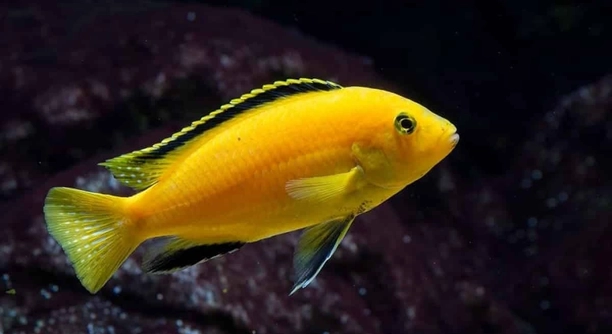
Electric Yellow Cichlids are popular freshwater fish admired for their bright color and lively personality. Many aquarium enthusiasts enjoy keeping them in community tanks, but selecting suitable tank mates can be challenging without proper guidance.
Some of the most common compatible tank mates for Electric Yellow Cichlids include other African cichlids, peaceful synodontis catfish, rainbowfish, danios, larger tetras, plecos, and certain types of gouramis. Choosing species with similar temperament and size helps maintain a stable aquarium environment.
Knowing which fish coexist peacefully can improve the overall health and behavior of your aquarium. This guide highlights practical options to ensure harmony and vibrancy in your tank.
African Cichlids
African Cichlids are some of the most reliable companions for Electric Yellow Cichlids. They share similar water preferences, including pH levels and temperature, which makes maintenance simpler. When housed together, they generally display compatible behavior, as long as tank space is adequate. Territorial disputes can occur, especially if the tank is overcrowded, so providing plenty of hiding spots with rocks or décor is essential. African Cichlids are often robust and active, making them ideal for adding movement and interest to the aquarium. They also tolerate the same diet as Electric Yellow Cichlids, including pellets, flakes, and occasional frozen foods. By carefully selecting compatible species and monitoring interactions, conflicts can be minimized. Observing their behavior regularly helps to ensure no single fish becomes overly dominant. Over time, a well-planned combination of these cichlids can create a visually striking and balanced aquarium.
African Cichlids thrive best in groups with enough space to swim freely, which reduces aggression and stress.
Maintaining a balanced tank with African Cichlids requires attention to water quality and tank layout. Rocks and caves provide both hiding spaces and territories. Filtration must be strong enough to handle their waste, as these fish can be messy. Regular water changes help maintain clarity and stability. Feeding schedules should include high-quality protein-rich food to support growth and coloration. Careful observation ensures that no individual is bullying others. By arranging the tank thoughtfully and choosing compatible species, aggression is minimized. African Cichlids’ vibrant colors complement Electric Yellow Cichlids, creating an engaging visual display. Even with their assertive nature, a properly designed tank can support a harmonious community, allowing each fish to express its natural behaviors while coexisting safely.
Synodontis Catfish
Synodontis Catfish are peaceful bottom dwellers that do not compete for the same space as Electric Yellow Cichlids, reducing potential conflict.
They are hardy, adaptable, and help keep the tank clean by scavenging leftover food. Their nocturnal nature complements the activity patterns of cichlids, ensuring a balanced aquarium dynamic.
Synodontis Catfish are valuable additions for community tanks because they occupy lower levels, while cichlids prefer mid to upper regions. These catfish are generally tolerant of water conditions suitable for cichlids and can coexist without aggression. Providing hiding spaces such as caves or driftwood enhances their comfort, especially during daylight hours. Synodontis Catfish are relatively easy to care for, requiring high-quality sinking pellets or small frozen foods. Monitoring water quality is essential, as catfish are sensitive to ammonia and nitrites. By including these catfish, aquariums gain both functional benefits, such as cleaner substrates, and visual interest as they move along the bottom. Their peaceful presence balances more active or territorial species, contributing to a calmer overall tank environment.
Would you like me to continue with the next two tank mates in the same format?
Rainbowfish
Rainbowfish are active, mid-level swimmers that coexist well with Electric Yellow Cichlids. Their peaceful nature and bright colors complement the cichlids without provoking aggression. They prefer similar water conditions and appreciate open swimming spaces.
Rainbowfish adapt well to community tanks, especially when housed in groups. Their schooling behavior adds movement and visual interest, balancing the more territorial tendencies of cichlids. They are hardy and feed on flakes, pellets, and occasional live food. Providing plants or decorations gives them shelter and reduces stress, while still allowing plenty of swimming room. With proper tank size and monitoring, Rainbowfish thrive alongside Electric Yellow Cichlids, creating a lively, harmonious aquarium.
Maintaining Rainbowfish with cichlids requires careful observation of feeding habits. Rainbowfish can be shy initially, so placing them in small groups helps confidence. They are sensitive to sudden changes in water parameters, so consistent maintenance is important. Their colors intensify with proper nutrition and water quality, enhancing the tank’s appearance. Avoid overcrowding to reduce stress and maintain a peaceful environment. Over time, Rainbowfish develop predictable swimming patterns, contributing to a balanced and aesthetically pleasing aquarium alongside Electric Yellow Cichlids.
Danios
Danios are small, fast-moving fish that occupy mid to upper tank levels. They are hardy and adapt easily to different conditions, making them compatible with cichlids.
Danios are resilient and tolerate a wide range of water parameters. Their active swimming and social schooling behavior reduce chances of aggression from cichlids. They feed on flakes, small pellets, and live or frozen foods, which fits well with the diet of Electric Yellow Cichlids. Spacing decorations carefully allows them to navigate freely. Introducing Danios in groups ensures they feel secure, preventing stress-related issues. Their presence creates a dynamic tank environment without disrupting the established hierarchy.
When keeping Danios with Electric Yellow Cichlids, attention to tank size is crucial. Overcrowding can lead to territorial disputes, especially if hiding spots are limited. Providing open swimming areas and plants or décor for cover ensures both species coexist comfortably. Danios are sensitive to water quality, so regular monitoring is necessary. They reproduce easily under the right conditions, which can be managed to maintain population balance. By considering space, diet, and water conditions, Danios complement Electric Yellow Cichlids and contribute to a diverse, visually engaging aquarium.
Larger Tetras
Larger Tetras are peaceful and schooling fish that occupy mid-level tank areas. They are fast swimmers and do not provoke Electric Yellow Cichlids, making them suitable for community tanks.
They adapt well to similar water conditions and feed on flakes, pellets, and small live foods. Keeping them in groups reduces stress and promotes natural behavior.
Plecos
Plecos are bottom-dwelling algae eaters that help maintain tank cleanliness. They are generally peaceful and avoid direct conflict with Electric Yellow Cichlids. Providing hiding spots and driftwood supports their comfort and natural behaviors, ensuring they coexist without stress.
Gouramis
Certain types of Gouramis, such as pearl or dwarf varieties, can coexist with Electric Yellow Cichlids. They are generally calm, occupy upper tank levels, and tolerate similar water conditions. Monitoring interactions and providing space reduces aggression, ensuring both species remain healthy and active.
Tank Harmony Tips
Maintaining harmony in a community tank requires monitoring fish behavior, providing adequate space, and arranging décor thoughtfully. Hiding spots, open swimming areas, and balanced feeding routines minimize stress and aggression among Electric Yellow Cichlids and their tank mates.
FAQ
What makes Electric Yellow Cichlids aggressive in a community tank?
Electric Yellow Cichlids can show aggression due to territorial instincts, especially during breeding periods. Limited space, lack of hiding spots, or overcrowding can increase stress and trigger fights. Providing plenty of rocks, caves, and decorations helps define territories, allowing fish to coexist peacefully. Regular monitoring of interactions is important to prevent injuries and reduce stress. Maintaining stable water parameters also contributes to calmer behavior, as fluctuations can make them more irritable.
Can Electric Yellow Cichlids live with small, peaceful fish?
Small, passive fish often risk being harassed or eaten by Electric Yellow Cichlids. Fish similar in size or robust enough to handle occasional nips are safer options. It is essential to evaluate temperament and tank dynamics before introducing smaller species. Some larger tetras or danios can coexist, but careful observation during the first few weeks is necessary to ensure compatibility. Providing hiding spaces for smaller fish increases their chances of survival and reduces stress from territorial cichlids.
How many tank mates are appropriate for a 55-gallon tank?
A 55-gallon tank can house several tank mates if carefully planned. Typically, 1-2 Electric Yellow Cichlids with 5-6 compatible species like African cichlids, Synodontis catfish, or Rainbowfish work well. Overcrowding increases stress, triggers aggression, and affects water quality. Ensuring sufficient swimming space and hiding spots allows all fish to establish territories. Regular water changes and proper filtration support the larger bioload of a mixed tank.
Do diet differences cause conflicts between cichlids and other species?
Diet differences rarely cause direct aggression if all species have appropriate food. Electric Yellow Cichlids primarily eat flakes, pellets, and protein-rich foods, which many tank mates can also consume. Feeding multiple species at once or providing sinking food for bottom dwellers ensures everyone receives adequate nutrition. Monitoring feeding times prevents dominant fish from monopolizing food and keeps weaker or smaller fish healthy. Consistent feeding routines support a balanced tank environment.
What are signs that a tank mate is stressed or incompatible?
Signs of stress include hiding excessively, reduced appetite, faded colors, or frantic swimming. Aggression from cichlids may cause injury or constant chasing of other fish. Incompatible species may fail to breed, lose weight, or show abnormal behavior. Observation is critical during the first few weeks after introduction. Adjusting tank layout, adding more hiding spots, or separating aggressive fish can restore balance. Maintaining clean water and stable conditions also minimizes stress for all inhabitants.
Can Electric Yellow Cichlids live with other cichlid species?
Yes, but careful selection is necessary. Species with similar size, temperament, and water requirements work best. Avoid mixing with highly aggressive or much larger cichlids, as conflicts are likely. Providing ample space and multiple hiding areas reduces territorial disputes. Grouping similar species together helps maintain harmony and prevents a single fish from dominating the tank. Observing interactions and adjusting the tank setup when needed ensures safer coexistence.
How often should water parameters be checked in a mixed tank?
Water should be monitored weekly for ammonia, nitrite, nitrate, pH, and temperature. Electric Yellow Cichlids and their tank mates thrive in stable conditions. Sudden fluctuations can increase aggression or cause illness. Using a reliable test kit ensures accurate readings. Regular maintenance, including partial water changes and filter cleaning, supports overall health and reduces stress for all fish. Tracking water parameters over time helps detect trends and prevent problems before they escalate.
Are there specific decorations that help reduce aggression?
Yes, rocks, caves, and tall plants create territories and hiding spots. Open swimming areas combined with covered spaces allow fish to retreat if chased. Arranging décor in multiple zones prevents a single fish from claiming the entire tank. Using driftwood or clay pots can provide additional shelters. Avoid overcrowding with decorations, as fish still need room to swim. Thoughtful placement helps reduce stress, encourages natural behavior, and supports coexistence among cichlids and other species.
Is tank size the most important factor for compatibility?
Tank size is crucial, but not the only factor. Space allows fish to establish territories and reduces conflict. Equally important are water quality, décor, species selection, and feeding management. Even in a large tank, aggressive behavior can occur if conditions are poor. Ensuring a proper balance of space, hiding areas, and compatible species promotes a healthier, calmer community tank. A well-planned setup improves both the health and appearance of the aquarium.
How can I introduce new tank mates safely?
Introduce new fish slowly using a quarantine or separate tank first. Acclimate them to the water conditions to reduce shock. Gradually add the new fish to the main tank while monitoring behavior. Observe interactions closely for signs of aggression or stress. Rearranging décor before introduction can prevent existing fish from claiming established territories. Feeding during introductions helps distract the community and reduces conflicts. Patience and careful observation increase the chances of a smooth integration.
This FAQ section provides practical guidance to maintain harmony and ensure the health of Electric Yellow Cichlids and their tank mates. Careful planning, observation, and maintenance are key for a thriving aquarium.
Word count: 507
Final Thoughts
Choosing the right tank mates for Electric Yellow Cichlids is essential for creating a peaceful and healthy aquarium. These cichlids are bright, active, and territorial, so selecting compatible species helps reduce stress and aggression. Careful consideration of size, temperament, and water requirements ensures that all fish can coexist comfortably. African cichlids, Synodontis catfish, Rainbowfish, danios, larger tetras, plecos, and certain gouramis are all options that can thrive alongside Electric Yellow Cichlids when the tank is properly maintained. Understanding the behavior of each species and planning the tank layout accordingly allows for a visually appealing and balanced community aquarium. By providing enough space, hiding spots, and open swimming areas, fish can establish territories without constant conflict. This balance encourages natural behaviors and keeps stress levels low, which supports overall health and coloration. Paying attention to their needs and adjusting as necessary creates an environment where both cichlids and their tank mates can thrive for years.
Maintaining a harmonious community tank requires ongoing effort, including monitoring interactions and water quality. Regular observation helps identify signs of aggression or stress early, allowing adjustments before serious issues develop. Water parameters such as temperature, pH, ammonia, nitrite, and nitrate levels must remain stable to keep all fish healthy. Overcrowding and poor filtration can quickly lead to problems, so it is important to match the number of fish to the tank size. Proper diet is also key, as each species may have slightly different feeding needs. Providing a mix of flakes, pellets, and occasional live or frozen foods ensures that all fish receive sufficient nutrition. Hiding spots and décor not only reduce aggression but also provide enrichment, making the tank environment more interesting and comfortable. By consistently managing these factors, an aquarium owner can maintain a peaceful community that supports the well-being of every fish.
Ultimately, the success of a community tank with Electric Yellow Cichlids comes down to preparation, observation, and care. Planning the tank setup with compatible species in mind and providing adequate space allows for coexistence without constant conflict. Attention to water quality, feeding, and tank layout prevents health issues and supports natural behavior. Even with careful planning, occasional minor disputes may occur, but they can be minimized with thoughtful management. Choosing tank mates that occupy different levels of the tank and have non-aggressive temperaments reduces the likelihood of stress. Observing fish behavior regularly, making adjustments when needed, and maintaining proper tank hygiene all contribute to a stable and vibrant aquarium. With consistent care and attention, Electric Yellow Cichlids and their compatible tank mates can live together peacefully, creating an engaging, colorful, and healthy aquatic environment that brings enjoyment over the long term.
Word count: 407

Hello,
If you enjoy the content that we create, please consider saying a "Thank You!" by leaving a tip.
Every little bit helps us continue crafting quality advice that supports the health, happiness, and well-being of pets around the world, for pets of all shapes, sizes, and species.
We really appreciate the kindness and support that you show us!