
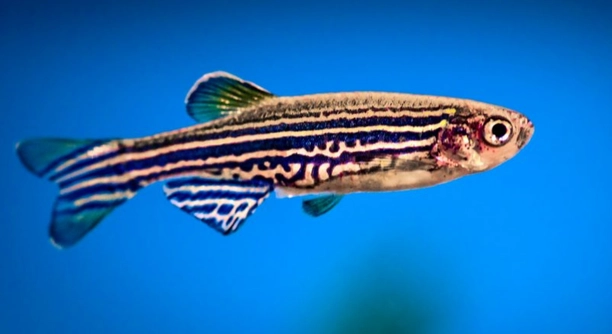
Have you ever rearranged your zebra danios’ tank and wondered if they notice or care about the changes you make?
Zebra danios can become less stimulated by an unchanging tank environment over time. Although they are hardy and adaptable, a monotonous layout may limit their natural behaviors, affecting their activity levels and overall mental engagement.
Rotating decorations and adjusting plant placements can support their well-being and encourage more consistent, lively behavior.
Why Tank Layout Matters for Zebra Danios
Zebra danios are active fish that enjoy exploring their surroundings. A tank that stays the same for weeks or months may not give them enough variety to stay engaged. While they can tolerate a stable environment, some mild changes can support their natural instincts. Adding or rotating plants, decorations, or rocks can help keep things interesting. These fish are known to investigate new items and swim through open spaces, so rearranging their tank now and then can promote both physical activity and mental stimulation. It doesn’t have to be a full overhaul—small changes can still make a difference. Avoid cluttering the tank, though, as too many objects can limit their swimming space. Keep a balance between hiding spots and open areas. Providing a mix of structure and freedom encourages natural behaviors and can even reduce occasional chasing or boredom-related inactivity. It helps them stay active, healthy, and alert.
Zebra danios do not require constant change, but periodic updates to their space can improve their quality of life.
A tank with minimal variation may still meet basic needs, but offering new textures, shapes, and swimming paths gives them something to explore. These fish are curious, and small changes can keep them mentally sharp.
How to Keep Things Interesting
Changing the tank layout every few weeks can help maintain your zebra danios’ interest and energy.
Start by rotating a few decorations instead of adding too many new items at once. Move a plant from one corner to another or shift a rock slightly to break visual patterns. You can also try adding floating plants to give the surface area more texture. Keep open swimming lanes clear since zebra danios are fast swimmers who prefer having room to dart around. Avoid sudden changes that can stress the fish. Instead, introduce new elements gradually so they can adapt with ease. Watching how they respond after each change can guide your future updates. If they investigate and swim more actively, the layout change likely helped. You can even alternate between different setups over time to keep things fresh. With just a little effort, your zebra danios can stay more engaged in their habitat without needing constant attention or large upgrades. This helps support their long-term well-being.
Signs Your Zebra Danios Might Be Bored
Zebra danios that lose interest in their surroundings may swim less, hover near one spot, or seem unusually inactive. You might also notice more chasing or nipping, which can indicate restlessness or a need for environmental change.
If your zebra danios begin acting differently, small signs can reveal boredom. When they stop swimming actively or avoid exploring the tank like they used to, it may be time to switch things up. Increased aggression among tank mates can also point to frustration from a lack of stimulation. These fish usually dart around quickly and investigate their surroundings, so a noticeable drop in movement is worth paying attention to. Watching their daily habits will help you understand when they need something new. Sometimes, even placing a small object in a different spot can restore activity. These shifts in behavior are their way of responding to the environment.
Stress and boredom can sometimes look similar, so it’s helpful to track how long the behaviors last. If your zebra danios are inactive for several days or start hiding often, it may be boredom rather than illness. However, if they also stop eating or breathe heavily, rule out health problems first. Once health is confirmed, try updating the layout. Something as simple as rearranging plants or removing one object and replacing it with another can refresh their interest. These subtle shifts support natural curiosity and help break up any monotony they’ve been experiencing.
Simple Layout Changes to Try
Start with easy changes like rotating existing decorations, moving plants, or changing the direction of water flow slightly. These minor updates don’t overwhelm the fish but still give them something new to explore. Make sure not to overcrowd the space or remove all hiding spots.
You don’t need to spend extra money or make major upgrades to improve their environment. Start by rotating between two sets of decorations every couple of weeks. This gives the impression of a new space without adding clutter. Floating plants can change the lighting and give your zebra danios new areas to swim under. You can also vary substrate textures or add smooth stones for a subtle effect. Try changing the background or adding a few vertical decorations that guide movement in new directions. Avoid sudden or frequent changes, and observe how your fish react each time. A good layout supports both comfort and stimulation. These small steps can help prevent boredom and promote healthier behavior.
How Often to Change the Layout
Changing the tank layout every three to four weeks can help keep your zebra danios engaged. This timing allows them to enjoy stability while still getting the benefits of fresh stimulation.
Avoid changing the layout too often, as frequent updates can cause stress. A slow, steady approach works best.
Other Ways to Keep Them Stimulated
Zebra danios benefit from more than just layout changes. Adding live plants, using bubble wands, or offering occasional treats like frozen brine shrimp can keep them alert and active. Try varying their diet with different textures and ingredients to spark feeding interest. Consider placing the tank in a space where they can observe movement outside the glass—this visual input can also reduce inactivity. If they are housed with compatible tank mates, group interaction may also encourage activity. Keep an eye on behavior and adjust the environment when needed. Mixing enrichment strategies helps prevent boredom in a balanced, low-stress way.
What to Avoid
Avoid rearranging everything at once or removing all hiding spots. Sudden, drastic changes can overwhelm zebra danios and lead to stress instead of stimulation.
FAQ
Can zebra danios get bored if their tank never changes?
Yes, they can. Zebra danios are naturally curious and active fish. When the tank stays exactly the same for long periods, they may lose interest. This can lead to signs of boredom, such as reduced activity, repetitive swimming patterns, or chasing tank mates more than usual. While they don’t need constant changes, even small adjustments every few weeks can help maintain their energy levels. Something as simple as shifting a plant or decoration can encourage them to explore again. Boredom may not harm them immediately, but keeping their environment interesting supports long-term health.
Do zebra danios like new decorations?
They usually respond well to new decorations, especially if they can swim around, through, or behind them. Items like smooth rocks, floating plants, or tunnels made for small fish can add variety and interest to their routine. Before adding anything new, make sure it’s safe for freshwater tanks and has no sharp edges. Introducing one or two pieces at a time is better than changing everything at once. This allows the fish to adjust gradually without stress. Watch their behavior after you add something new—if they explore it right away, that’s a good sign they’re engaged.
How do I know if my zebra danios are bored or sick?
Bored fish often appear less active, may rest in one spot, or show more aggression. However, sick fish might breathe heavily, refuse food, have clamped fins, or show signs of physical distress like fading color. If your zebra danios are inactive for more than a few days, it’s important to first rule out health issues by checking water quality and watching for symptoms. Once you confirm they are healthy, you can safely assume a lack of stimulation may be the reason for their behavior. In that case, changing the layout or adding enrichment is a helpful step.
Is it okay to change the tank layout often?
Frequent changes can cause stress. It’s better to space out updates to every three to four weeks. This gives the fish time to settle into a layout and enjoy it before something new is introduced. If you notice that your zebra danios react with stress—like darting wildly or hiding after a change—give them more time before adjusting things again. The goal is to support their natural behavior, not overwhelm them. Making one small change at a time, such as rotating a decoration or adding a new floating plant, helps maintain interest without causing discomfort.
Can I use toys or mirrors for stimulation?
Mirrors are not recommended for zebra danios. They can trigger aggressive or territorial responses, which can lead to stress over time. Toys designed for fish are often better suited for species that interact with objects more directly. For zebra danios, focus on tank features that promote swimming, such as current from a filter, open spaces, and decorative elements that create tunnels or hideouts. Changing their diet or offering occasional treats can also serve as a form of enrichment. Passive stimulation—like movement outside the tank—can keep them alert without requiring extra objects in their space.
Do zebra danios need tank mates to stay active?
Yes, they are social fish and do best when kept in groups of at least five to six. A group setting allows them to interact and display natural schooling behavior. If kept alone or in a very small group, they may become withdrawn or anxious. Proper group size helps prevent boredom and reduces stress. Just make sure the tank is large enough to handle the bio-load and give them enough space to swim. Compatible tank mates like small tetras or rasboras can also add variety, but avoid species that may nip fins or outcompete them for food.
What are other low-stress ways to keep them stimulated?
Changing the lighting slightly, rotating decorations, and introducing live plants are all gentle ways to enrich the tank environment. Creating soft water movement using an adjustable filter can also add variation. Even the placement of the tank can influence stimulation—zebra danios may respond to nearby movement, natural daylight (indirect), or soft background sounds. Just avoid loud areas or sudden light shifts. Offering different food textures, like flake, freeze-dried, or frozen options, keeps feeding time engaging too. These low-effort changes help support mental activity without overwhelming the fish or drastically altering their environment.
Final Thoughts
Zebra danios are active, curious fish that benefit from a thoughtfully arranged tank. While they may not show emotions the way mammals do, their behavior can shift when their environment remains unchanged for too long. Small signs like pacing, restlessness, or a drop in activity often suggest a lack of stimulation. These fish do well with some variation, and even minor changes can help. Moving a decoration, adjusting plant positions, or adding something new can refresh their interest in their surroundings. This helps support their mental and physical health without needing constant overhauls to the tank.
Keeping a balance between routine and novelty is important. Frequent or dramatic changes may cause stress, but small updates spaced out over time give them something new to explore without overwhelming them. These updates don’t have to be expensive or complicated. Swapping a plastic plant for a live one, or rearranging stones or tunnels, can be enough to engage their natural instincts. It’s also helpful to observe how the fish react to each change. If they seem curious or start schooling more actively, that’s a good sign they’re benefiting from the update.
Providing proper tank mates, clean water, and a safe, enriched environment goes a long way in keeping zebra danios healthy and comfortable. Since they are schooling fish, being in a group is part of what keeps them active and reduces stress. Combining this with a tank that has room to swim and a few layout changes from time to time gives them what they need to thrive. It doesn’t take much to support their natural behavior, but being consistent with small improvements can make a noticeable difference. By paying attention to their daily activity and making simple adjustments, you can help create a tank that’s both stable and stimulating.

Hello,
If you enjoy the content that we create, please consider saying a "Thank You!" by leaving a tip.
Every little bit helps us continue crafting quality advice that supports the health, happiness, and well-being of pets around the world, for pets of all shapes, sizes, and species.
We really appreciate the kindness and support that you show us!