
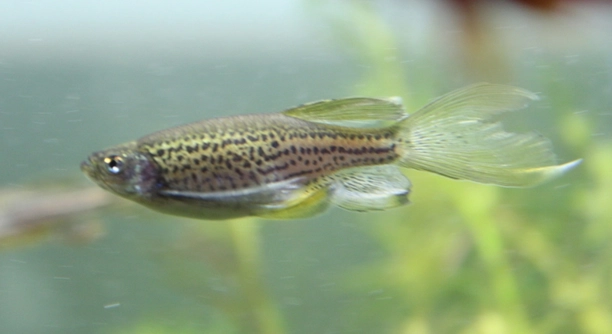
Do your zebra danios rush to the glass every time you feed them, making the tank feel a little too crowded?
Zebra danios often crowd the glass after feeding due to conditioned behavior. Over time, they associate the tank’s front area with food, especially when feeding occurs in the same spot. This behavior is reinforced daily.
Understanding this pattern helps you create a calmer, healthier environment while managing expectations and feeding habits more effectively.
Why They Swim Toward the Glass So Quickly
Zebra danios are active and observant fish. When feeding is done in one consistent area of the tank, they quickly learn to associate movement near the glass with food. Over time, this builds a routine. Even slight movement near the tank can trigger a group rush. It’s not that they’re aggressive or stressed—it’s just learned behavior. These fish have good memories for their size and tend to follow patterns. If you’ve been feeding them at the same time daily, they’ll anticipate it. They begin to expect food when they see you, and that’s why they gather by the glass.
Their response is mostly harmless but can look intense.
This behavior is common in community tanks. It reflects how quickly fish adapt to their surroundings and routines. Though it might seem like a concern at first, it’s typically just a sign that your danios are alert and well-acclimated. If you want to reduce the glass crowding, try changing feeding locations or timing occasionally. That may help reset their expectations. You could also offer small feedings in different parts of the tank. This spreads out their attention and movement, making things a bit calmer. Overall, it’s part of how they interact with their space and signals they’re engaged.
When It Could Be a Problem
Too much crowding at the glass may lead to nipping or stress if space is tight.
In tanks that are too small or have limited swimming space, aggressive chasing or fin-nipping can start. If several danios rush the glass at once, it may cause bumping or increased tension between them. You might also see weaker fish hanging back, not getting access to food. This can lead to imbalance in nutrition and possible health issues. Keeping an eye on feeding time behavior helps prevent this. If the tank has fewer hiding places or too much light, stress can build up. Adding a few plants or décor items can help break lines of sight and reduce this. A slightly longer feeding window, like scattering flakes slowly, can also lower competition. By spacing out how food enters the tank and monitoring behavior, you’ll give all your fish a chance to eat without conflict. A balanced setup supports calm feeding habits.
How Feeding Habits Influence Their Behavior
Feeding at the same time and place teaches zebra danios to expect food the moment they see movement. This builds routine behavior that can cause crowding.
When feeding is too predictable, danios will start to respond before food even enters the water. They may press close to the glass or dart around restlessly, especially if you’re late with their usual schedule. This kind of routine creates strong anticipation. If the food isn’t delivered quickly, frustration builds. Some danios might nip at others or compete too aggressively. Mixing up the feeding routine just a little can soften this response. Try alternating times, changing your approach path to the tank, or feeding in more than one spot. Even a slight change in order can ease their expectations and promote more balanced movement in the tank.
Adding variety in feeding methods helps reduce this crowding. Using floating foods, slow-sinking pellets, or even hand-feeding tongs can redirect their focus. This encourages them to spread out and explore different areas of the tank instead of bunching up in one place. When fish are busy searching for food across the tank, they interact more naturally. It also keeps their minds active and encourages healthy, active swimming behavior. A mix of feeding types prevents boredom and lowers the chance of hyper-focused behavior around the glass.
Tank Setup and Environmental Triggers
A plain tank without visual breaks encourages danios to gather in open spots, especially near the front. This can lead to crowding patterns.
Adding tall plants, floating plants, or vertical decorations breaks up open swimming space. This makes it less likely that danios will all head to the same place when they expect food. These additions give shy or slower fish a place to pause and reduce group pressure during feeding. Even using a background image can help prevent glass pacing. Keep lighting gentle, as harsh lighting makes them more reactive. Also, check water movement—if the filter flow pushes food toward the front, fish will naturally rush there. Slowing the current or using a feeding ring in a different spot can help shift their focus. When the tank has zones with varied flow, hiding spaces, and subtle lighting, fish distribute themselves better and act more calmly.
Small Changes That Make a Difference
Changing your feeding spot even slightly can break the cycle of glass crowding. Try alternating corners or using floating food to scatter their movement. A shift in location helps redirect their learned behavior.
Feeding at varied times instead of a strict schedule keeps anticipation levels lower. This reduces overexcitement and gives slower fish a better chance. Predictable routines make them overly alert near the glass.
When to Step In
If crowding leads to nipping, chasing, or missed meals, it’s time to adjust something. Watch how they behave just before and during feeding. Look for signs of stress like hiding, flaring fins, or erratic swimming. If weaker fish are losing out, or if one or two dominate the space aggressively, changes are needed. Break their routine slowly by introducing new feeding methods and rearranging tank decor. Observation is key—small tweaks often lead to big improvements.
Final Tip for a Calmer Tank
Balanced feeding routines and a varied setup go a long way. Keep things flexible, and your zebra danios will stay active and relaxed.
FAQ
Why do zebra danios crowd the glass after feeding?
Zebra danios crowd the glass because they associate movement near the glass with food. When you feed them in the same spot regularly, they quickly learn to expect food as soon as they see you approach. This learned behavior makes them rush to the glass in anticipation. They become conditioned to respond to your presence, thinking it signals the arrival of food.
Is it normal for zebra danios to get excited during feeding time?
Yes, it’s completely normal. Zebra danios are active and curious fish. They can get excited around feeding time because they’ve learned to associate you with food. This is a natural response to feeding schedules, especially when it happens regularly at the same time or place. However, if their excitement turns into stress or aggression, it might be time to adjust their routine or tank setup.
How can I stop zebra danios from crowding the glass?
To reduce crowding, change the location where you feed them. This disrupts their learned behavior of associating the glass with food. You can also feed in smaller amounts at different spots in the tank to spread them out. Another effective method is to vary the feeding time to reduce their expectation. Adding plants or decorations that block their line of sight also helps calm their movement. These changes will make feeding time less predictable and encourage more natural swimming patterns.
Do zebra danios fight during feeding time?
Zebra danios generally aren’t aggressive fish, but feeding time can sometimes bring out competition, especially if there’s a lack of space or if they’re too excited. If the tank is overcrowded or the food isn’t evenly distributed, some fish might chase others. This behavior is more common in smaller tanks or when food is scattered in one area. To prevent this, try feeding at different points in the tank or offering smaller portions. This helps reduce competition and allows all fish to eat comfortably.
Can feeding them at the same time each day cause problems?
Yes, feeding at the same time every day can lead to overexcitement and crowding. Fish, including zebra danios, learn to anticipate food based on timing. When they know feeding happens consistently at the same time, they get more eager, leading to a rush to the glass. To avoid this, try feeding them at different times each day or adjust the schedule slightly. Keeping the routine flexible helps keep their behavior calmer and reduces stress.
How do I know if my zebra danios are stressed?
Signs of stress in zebra danios include erratic swimming, rapid breathing, or hiding more than usual. If they’re constantly crowding the glass or bumping into one another, it can also indicate stress. Additionally, a stressed fish might have its fins clamped or show signs of fin damage from constant competition. If you notice these behaviors, it’s important to assess their environment and feeding routine to identify and address any sources of stress.
Are there any other signs I should look for that my zebra danios are healthy?
Healthy zebra danios are active, with smooth, brightly colored bodies. They should swim in schools and show curiosity when something new enters the tank. Their fins should be extended and not clamped. They should eat well without showing signs of aggression or stress. Regular observation is key to spotting any health issues early.
Can zebra danios be fed too much?
Yes, overfeeding can lead to water quality issues and obesity in zebra danios. They’ll eat more than they need if food is available, but too much food can cause excess waste, which leads to poor water conditions. Feed your zebra danios small amounts they can eat in a few minutes, and avoid feeding them more than once or twice a day. Excess food that sinks to the bottom can also spoil, adding to the problem.
Can I feed zebra danios different types of food?
Yes, zebra danios can eat a variety of foods, including flake food, pellets, and live or frozen options like brine shrimp or daphnia. Variety is important to ensure they get all the nutrients they need. Offering a mix of foods encourages natural foraging behavior and helps prevent boredom. Always choose foods appropriate for their size and feeding habits.
How often should I feed zebra danios?
Zebra danios should be fed once or twice a day. They are small, active fish with high metabolisms, so they need regular feedings to stay healthy. However, you should never overfeed them, as they tend to eat quickly and might consume more than needed. Feed them small portions and remove any uneaten food after a few minutes to maintain water quality.
Why do my zebra danios hang around the glass all the time?
Zebra danios are curious and often spend time near the glass, especially if they associate it with food or activity. If they’re constantly hanging around the glass, they might be looking for attention or anticipating feeding time. It’s also possible they’re seeking out areas with better water flow or light. While this behavior is generally harmless, ensure they have enough space and enrichment to explore other areas of the tank.
Do zebra danios need a lot of space to swim freely?
Yes, zebra danios need space to swim and explore. They are active swimmers and should be kept in a tank that provides plenty of room for movement. A tank of at least 20 gallons is recommended for a small group of zebra danios. If the tank is too small or overcrowded, it can lead to stress and aggressive behavior. Ensure the tank has hiding spots, plants, and open spaces for them to swim comfortably.
How can I tell if my zebra danios are bored?
Bored zebra danios may become less active or start engaging in repetitive behaviors like swimming in circles or constantly pacing at the glass. They may also become more aggressive or territorial toward each other. To combat boredom, try adding new tank decorations, changing the arrangement, or introducing new types of food. Providing enrichment like plants and objects to explore can help stimulate their natural behaviors and prevent stress.
Final Thoughts
Zebra danios are active and curious fish that can bring energy to any aquarium. However, their behavior after feeding can sometimes seem overwhelming, especially when they crowd the glass. This is a common response based on their learned association with feeding times. Understanding why they do this is important for managing their behavior and ensuring they stay healthy and comfortable in their environment.
By altering their feeding routine and making small adjustments to their tank setup, you can prevent zebra danios from becoming overly excited. Changing the feeding location, varying feeding times, and reducing overfeeding can make a big difference in their behavior. Adding decorations or plants to create more space and reduce their line of sight can also help calm them. These changes will allow zebra danios to remain active and engaged in a healthier, less stressful environment.
In the end, managing zebra danios’ behavior requires observation and small adjustments to their routine and environment. Every aquarium is unique, so it’s important to experiment with different strategies and see what works best for your tank. By maintaining a balanced and flexible approach, you can keep your zebra danios happy and reduce the tendency to crowd the glass after feeding.

Hello,
If you enjoy the content that we create, please consider saying a "Thank You!" by leaving a tip.
Every little bit helps us continue crafting quality advice that supports the health, happiness, and well-being of pets around the world, for pets of all shapes, sizes, and species.
We really appreciate the kindness and support that you show us!