
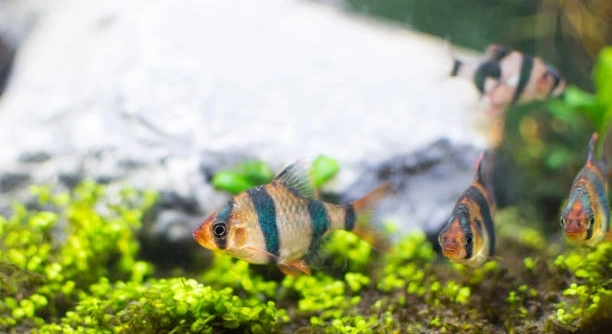
Tiger barbs are popular aquarium fish known for their vibrant colors and active behavior. Like any fish, they can face health problems, including fungal infections that affect their well-being. Understanding what causes these fungal issues is important for keeping tiger barbs healthy and thriving.
Fungal problems in tiger barbs are primarily caused by poor water quality, injuries, stress, overcrowding, improper diet, fluctuating temperatures, and weak immune systems. Each of these factors creates an environment where fungi can grow and infect the fish.
Learning about these causes can help you prevent fungal infections and maintain a healthy aquarium environment for your tiger barbs. This knowledge supports better care and happier fish overall.
Poor Water Quality
Poor water quality is one of the main reasons tiger barbs develop fungal infections. Dirty water contains excess waste, leftover food, and harmful chemicals that create a breeding ground for fungi. When water parameters like pH, ammonia, nitrites, or nitrates are off balance, it stresses the fish, lowering their ability to fight infections. Regular water changes and proper filtration are essential to keep the water clean. Without this, harmful bacteria and fungi can quickly multiply and infect your fish. Maintaining a clean tank environment prevents many health issues, including fungal problems, and helps tiger barbs stay strong and active.
Keeping your aquarium water clean is the first step in preventing fungal issues in your fish.
Water quality affects fish health more than most realize. It’s important to test your aquarium water regularly to detect changes early. Using a good filter and performing partial water changes once or twice a week removes toxins and keeps the water fresh. Also, avoid overfeeding, as excess food breaks down and pollutes the tank. If water conditions remain poor, fish stress increases and their immune systems weaken, making fungal infections more likely. Simple water maintenance habits can greatly reduce the risk of fungal problems and promote a healthy home for your tiger barbs.
Injuries and Stress
Injuries or constant stress weaken tiger barbs and make fungal infections more likely.
Fungal spores thrive on damaged skin or fins. Tiger barbs can get hurt by rough tank mates, sharp decorations, or even during handling. Stress from overcrowding, sudden changes in environment, or poor diet also lowers their defenses. When fish are stressed or injured, their immune systems cannot protect them well. This opens the door for fungal infections to take hold. Keeping your fish safe from harm and minimizing stress through good care practices is key to preventing fungal issues. Providing hiding spots and stable tank conditions helps reduce stress and protect your tiger barbs’ health.
Overcrowding
Overcrowding increases stress and pollution, making fungal infections more common among tiger barbs.
Too many fish in one tank cause poor water quality and constant competition for space and food. This stress weakens their immune systems, leaving them vulnerable to infections. Overcrowded tanks also increase the chance of injuries, which are common entry points for fungi. Proper stocking levels and tank size help reduce these risks, giving each fish enough room to thrive. Monitoring fish numbers and upgrading your tank if needed can prevent overcrowding and the fungal problems it causes.
Keeping a balanced number of tiger barbs improves their overall health and reduces infection risks.
Improper Diet
An improper diet can weaken your tiger barbs’ immune system, making them more prone to fungal infections. Feeding only one type of food or low-quality flakes lacks essential nutrients and vitamins that fish need. A varied diet including high-quality flakes, pellets, frozen, or live foods helps maintain their health and resistance to disease. Overfeeding should be avoided because it pollutes the tank and stresses fish, which can indirectly contribute to fungal issues. A well-rounded diet supports a strong immune system, keeping fungal problems at bay and promoting vibrant, active fish.
Balanced nutrition plays a critical role in preventing fungal infections and supporting your tiger barbs’ long-term health.
Fluctuating Temperatures
Fluctuating temperatures stress tiger barbs and weaken their immune systems. Sudden changes make it harder for fish to maintain normal bodily functions.
Consistent water temperature between 75°F and 79°F is best for tiger barbs. Using a reliable heater and monitoring temperature regularly helps avoid harmful swings that encourage fungal growth.
Weak Immune System
A weak immune system makes tiger barbs less able to fight off infections. Stress, poor diet, and poor water conditions all contribute to this weakness. Supporting their immune health through good care practices reduces the chance of fungal problems.
Poor Tank Maintenance
Neglecting regular tank cleaning and water changes causes toxin buildup. This toxic environment encourages fungal infections and harms fish health.
How can I tell if my tiger barb has a fungal infection?
Fungal infections usually appear as white, cotton-like patches on the skin, fins, or gills of tiger barbs. You might notice your fish scratching against objects or showing signs of lethargy. In some cases, the fungus can cause the fish’s scales to look dull or fuzzy. If left untreated, the infection can spread and make the fish weak. Regular observation is important to catch fungal infections early and start treatment before it worsens.
What steps can I take immediately if I see fungus on my tiger barb?
First, isolate the infected fish to prevent the fungus from spreading to others. Next, check your tank’s water quality and improve it if necessary by performing partial water changes and cleaning the filter. Treat the affected fish with antifungal medications available at pet stores. Follow the instructions carefully and continue treatment until the fungus clears. Maintaining a clean and stable tank environment helps the fish recover faster and reduces chances of reinfection.
Is it necessary to change the entire tank water when treating fungal infections?
It’s not usually necessary to change all the water at once. Partial water changes, around 25-30%, help reduce toxins and improve water quality without causing too much stress to the fish. Frequent partial changes during treatment are more effective than a single complete change. Keeping the water clean supports the fish’s immune system and speeds up recovery. Just make sure the new water matches the tank temperature and parameters to avoid additional stress.
Can diet alone prevent fungal infections in tiger barbs?
A balanced diet plays a big role in keeping tiger barbs healthy and their immune systems strong. However, diet alone can’t fully prevent fungal infections. Other factors like water quality, tank maintenance, and stress levels also matter. Feeding a variety of high-quality foods while maintaining good tank conditions gives your fish the best chance to avoid fungal issues.
How often should I test my aquarium water to avoid fungal problems?
Testing your water once a week is a good routine to catch any harmful changes early. Keep an eye on ammonia, nitrite, nitrate, and pH levels. Consistent testing helps you act quickly before conditions harm your tiger barbs or encourage fungus growth. If you notice sudden spikes, perform water changes or check filtration to fix the issue.
Are there any natural remedies for fungal infections in tiger barbs?
Some hobbyists use natural remedies like salt baths or Indian almond leaves, which have mild antifungal properties. These can sometimes help alongside proper tank care but usually aren’t strong enough to treat serious infections alone. Commercial antifungal medications are more reliable and recommended for treating fungal problems in tiger barbs.
Can fungal infections spread to other fish in the tank?
Yes, fungal infections are contagious and can spread to other fish if not treated promptly. The spores float in the water and infect healthy fish, especially if they have injuries or weakened immune systems. Isolating infected fish and maintaining good water quality reduce the risk of spreading the infection.
How long does it typically take to cure a fungal infection in tiger barbs?
Treatment usually lasts one to two weeks, depending on the infection’s severity and tank conditions. Consistency is key—completing the full course of antifungal medication and keeping the water clean will ensure the fungus is fully eliminated. Early detection and proper care can shorten recovery time.
Fungal infections in tiger barbs can be a serious problem, but with proper care, they are mostly preventable. Keeping your tank clean and maintaining good water quality are the most important steps. Regular water changes, good filtration, and avoiding overcrowding create a healthy environment that discourages fungal growth. Watching your fish closely for signs of stress or injury will help catch problems early, before infections spread. A balanced diet also supports your fish’s immune system and overall health, making them stronger against disease.
Stress and injuries are common causes of fungal infections, so providing a safe and calm tank is essential. Avoid sharp decorations and aggressive tank mates that can harm your tiger barbs. Keep the water temperature stable and avoid sudden changes. Stress weakens fish and makes it easier for fungi to take hold. If you notice any signs of fungus, act quickly by isolating the affected fish and using proper treatment methods. Early intervention can prevent serious damage and improve recovery chances.
Overall, caring for tiger barbs requires attention to many small details, but the effort is worth it. Understanding what causes fungal infections helps you make better decisions about tank maintenance and fish care. Keeping the environment stable, clean, and balanced will keep your tiger barbs healthy and vibrant. Fungal issues may seem difficult at first, but with steady care and good habits, you can protect your fish and enjoy a thriving aquarium for years to come.

Hello,
If you enjoy the content that we create, please consider saying a "Thank You!" by leaving a tip.
Every little bit helps us continue crafting quality advice that supports the health, happiness, and well-being of pets around the world, for pets of all shapes, sizes, and species.
We really appreciate the kindness and support that you show us!