
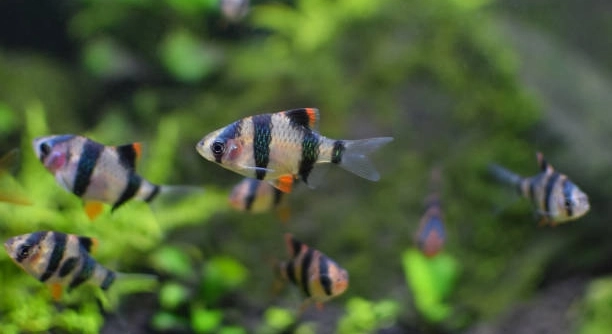
Tiger barbs are popular aquarium fish known for their lively behavior and striking colors. Many fishkeepers enjoy creating natural environments that support their health and activity. Floating plants are often used to enhance aquarium aesthetics and provide shelter.
Tiger barbs generally appreciate floating plants in their tanks. These plants offer shade, reduce stress by mimicking their natural habitat, and create hiding spots that encourage natural behaviors. Floating plants also help improve water quality, benefiting the overall aquarium environment.
Floating plants bring more than just decoration to a tank with tiger barbs. They contribute to a balanced and comfortable habitat, promoting well-being and natural activity.
Benefits of Floating Plants for Tiger Barbs
Floating plants create a natural environment that tiger barbs find comforting. These plants offer shade from bright aquarium lights, which can help reduce stress in the fish. Shade also mimics the dappled light found in their natural habitats, making the fish feel more secure. The roots hanging below the surface provide hiding places, especially for younger or more timid fish. Floating plants also slow water flow, creating calmer spots in the tank. Additionally, they help improve water quality by absorbing excess nutrients and releasing oxygen. This leads to a healthier tank overall. With floating plants, tiger barbs can display more natural behaviors like exploring and schooling. This makes the aquarium both attractive and supportive of the fish’s wellbeing.
Floating plants add value beyond just appearance by improving both fish comfort and water conditions.
When setting up floating plants, consider species like duckweed, water lettuce, or frogbit. These plants are easy to care for and grow quickly, providing ample cover and benefits without complicated maintenance. Keeping them trimmed prevents overcrowding and ensures enough light reaches other plants and fish below.
Common Concerns with Floating Plants in Tiger Barb Tanks
Some fishkeepers worry that floating plants might block too much light or reduce oxygen levels. However, when balanced properly, these issues are rarely a problem. Floating plants actually increase oxygen production during daylight hours and help reduce algae growth by limiting light penetration. It’s important to monitor plant coverage to avoid overcrowding.
If floating plants cover the entire surface, they can block light needed by other plants and fish. This can reduce oxygen production at night when plants consume oxygen. Regular trimming prevents this issue and keeps the tank healthy. Floating plants also trap debris, which means tanks with heavy plant coverage may need more frequent cleaning. But with simple care, floating plants contribute positively to a tiger barb tank’s environment.
When cared for correctly, floating plants support the health and activity of tiger barbs without causing major problems. Their presence promotes a stable and engaging habitat, encouraging fish to thrive naturally.
How Tiger Barbs Interact with Floating Plants
Tiger barbs often use floating plants as shelter from bright lights and to hide when feeling threatened. They enjoy swimming around and under the plants’ roots, which helps reduce stress and encourages natural behavior.
In a tank with floating plants, tiger barbs may display calmer and more active patterns. The plants create shaded areas where the fish can retreat when overwhelmed. This reduces aggression among them, as the fish have more space to avoid each other. Additionally, young tiger barbs benefit from the extra cover, which protects them from being bullied. Floating plants create a dynamic environment that keeps the fish engaged and comfortable.
Tiger barbs also use the roots of floating plants for grazing on algae and microorganisms. This supplements their diet and provides stimulation. The natural setup encourages healthier, more balanced fish in a well-maintained tank.
Choosing the Right Floating Plants
Not all floating plants are equally suitable for tiger barb tanks. Plants like duckweed, frogbit, and water lettuce grow quickly and provide good coverage without overwhelming the space. These options offer shade, shelter, and water quality benefits without requiring complex care.
When selecting floating plants, consider the tank size and lighting. Some fast-growing plants can multiply quickly, so regular trimming is necessary to avoid blocking too much light. Also, avoid plants with sharp leaves or strong chemicals, as these can harm tiger barbs. Keeping a balance between plant growth and open swimming areas ensures the fish stay active and healthy. Proper plant choice supports a vibrant and manageable aquarium environment.
Maintenance Tips for Floating Plants
Floating plants need regular trimming to prevent overcrowding and maintain good light levels in the tank. Removing dead or decaying leaves helps keep the water clean and healthy for the fish.
It’s important to check for plant pests and remove excess roots that might block filters or disturb water flow. Regular care ensures plants stay healthy and continue benefiting tiger barbs.
Light Requirements for Floating Plants
Floating plants thrive under moderate to bright light but can tolerate some shade. Too much direct light may cause excessive growth, while too little light can stunt plant health. Adjusting light exposure keeps plants balanced in the aquarium and supports overall tank health.
Impact on Water Quality
Floating plants improve water quality by absorbing excess nutrients and reducing algae growth. Their roots filter pollutants, helping maintain a stable environment. This natural filtration supports healthier fish and clearer water, reducing the need for frequent water changes.
Plant Coverage Balance
Maintaining the right balance between floating plants and open swimming space is key. Too much plant coverage limits light and movement, while too little reduces shelter. Finding the right mix keeps tiger barbs happy and the tank healthy.
FAQ
Do tiger barbs eat floating plants?
Tiger barbs are mostly omnivores and prefer algae, small insects, and flakes, but they sometimes nibble on soft floating plant leaves. This usually doesn’t harm healthy plants but can slow their growth. If you notice excessive nibbling, it may help to add more nutritious food to their diet.
Can floating plants reduce aggression in tiger barbs?
Yes, floating plants create shaded areas and hiding spots that reduce stress and help lower aggression. By breaking line of sight, plants give each fish space to retreat, which can prevent constant chasing and bullying in the tank.
Will floating plants affect oxygen levels in the tank?
During the day, floating plants produce oxygen through photosynthesis, improving water quality. However, at night, they consume oxygen like other plants. This is why it’s important not to let floating plants cover the entire water surface, to ensure good gas exchange.
How often should floating plants be trimmed?
Trimming depends on plant growth speed and tank size, but usually every 1-2 weeks is enough. Removing excess leaves prevents overcrowding and ensures light reaches all tank inhabitants and plants below.
Are all floating plants safe for tiger barbs?
Most common floating plants like duckweed, frogbit, and water lettuce are safe. Avoid plants treated with pesticides or those with sharp edges, as these might injure the fish. Always rinse new plants well before adding them to the aquarium.
Do floating plants require special care?
Floating plants are generally low-maintenance but need moderate lighting and nutrient-rich water to thrive. Regular trimming and removing decaying parts keep the tank clean. Avoid overcrowding to prevent blocking too much light.
Can floating plants help with algae control?
Yes, floating plants shade the tank and absorb nutrients algae need to grow. This natural competition helps reduce algae blooms, keeping the tank cleaner and healthier for tiger barbs.
Will tiger barbs uproot or damage rooted plants when floating plants are present?
Tiger barbs are known for nipping fins and sometimes plants, but floating plants usually protect rooted plants by covering the surface and reducing aggressive behaviors. Still, some rooted plants may need protection or placement away from aggressive fish.
Is it necessary to remove floating plants at night?
Removing floating plants at night is not required, but some keepers do it to improve oxygen exchange. Usually, regular trimming and balanced coverage prevent oxygen depletion and maintain a stable environment 24/7.
Can floating plants survive in tanks with strong water flow?
Strong currents can push floating plants around or damage them. Tiger barb tanks often have moderate flow, which floating plants tolerate well. If flow is too strong, plants may struggle to stay in place and grow properly.
How do floating plants affect water parameters like pH and hardness?
Floating plants have minimal direct effect on pH or hardness but can influence water quality by absorbing nutrients and releasing oxygen. Healthy plants help maintain stable water conditions, benefiting both fish and overall tank health.
What signs show floating plants are not thriving?
Yellowing leaves, slow growth, or excessive decay indicate floating plants need attention. These signs often point to poor lighting, nutrient deficiency, or water quality issues. Addressing these factors usually restores plant health quickly.
Can floating plants provide breeding sites for tiger barbs?
Floating plants offer cover that can protect eggs and fry, but tiger barbs are egg scatterers and may eat their young. Still, plants increase survival chances by providing hiding spots for fry during their most vulnerable stages.
Are there any disadvantages to having floating plants in a tiger barb tank?
Too many floating plants can block light and reduce swimming space. They may also trap debris, requiring more frequent cleaning. Balancing plant coverage is key to avoiding these drawbacks while benefiting from their advantages.
How do I introduce floating plants to a new tank with tiger barbs?
Add floating plants after the tank is cycled and stable. Rinse plants thoroughly to remove pests or chemicals. Introduce plants gradually and watch fish behavior, trimming plants as needed to maintain a balanced environment.
Floating plants can be a valuable addition to a tiger barb aquarium. They offer more than just visual appeal by creating a natural environment that supports the fish’s well-being. Tiger barbs benefit from the shade and shelter that floating plants provide. These plants help reduce stress and aggression by offering places to hide and calm spots to rest. The plants also encourage natural behaviors such as schooling and exploring, which keeps the fish active and healthy. When cared for properly, floating plants can improve the overall quality of the tank.
Besides providing shelter, floating plants play an important role in maintaining water quality. Their roots absorb excess nutrients like nitrates and phosphates, which helps control algae growth. This natural filtration contributes to clearer water and a healthier habitat for tiger barbs. Floating plants also add oxygen to the water during the day, supporting fish respiration. However, it is important to manage their growth by trimming regularly. Too many floating plants can block light from reaching other plants and fish, or limit swimming space. Keeping a good balance between open water and plant coverage ensures the tank remains stable and comfortable.
Choosing the right floating plants and maintaining them well is key to success. Easy-to-care-for species like duckweed, frogbit, and water lettuce are good choices for tiger barb tanks. These plants grow quickly and provide ample coverage without overwhelming the aquarium. Regular trimming and monitoring water conditions prevent problems like overcrowding or oxygen depletion. With the proper care, floating plants will not only survive but thrive alongside your tiger barbs. They create a peaceful, natural environment that promotes healthy, happy fish. Floating plants are a simple and effective way to enhance both the look and health of a tiger barb aquarium.

Hello,
If you enjoy the content that we create, please consider saying a "Thank You!" by leaving a tip.
Every little bit helps us continue crafting quality advice that supports the health, happiness, and well-being of pets around the world, for pets of all shapes, sizes, and species.
We really appreciate the kindness and support that you show us!