
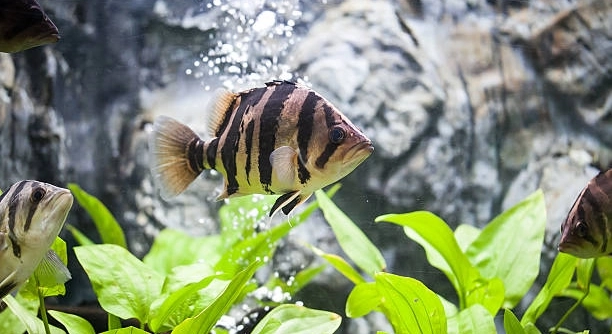
Tiger barbs and angelfish are popular choices for freshwater aquariums. Many fishkeepers enjoy having a variety of species in one tank to create a lively and colorful environment. However, compatibility between different fish is an important factor to consider for a peaceful aquarium.
Tiger barbs can sometimes coexist with angelfish, but caution is necessary. Tiger barbs are known to be active and nippy, which may stress angelfish, especially smaller or slower ones. Proper tank size and hiding spots help reduce conflicts significantly.
Knowing how these fish interact can improve your aquarium’s harmony. Understanding their behaviors and needs will help you decide if they are a good match for your tank.
Behavior Differences Between Tiger Barbs and Angelfish
Tiger barbs are energetic and fast swimmers. They often swim in groups and sometimes nip at the fins of slower fish. This behavior can stress more peaceful fish like angelfish. Angelfish are calmer and tend to move slowly around the tank. They prefer a quieter environment and can be shy when disturbed. Because of these differences, tiger barbs may provoke angelfish unintentionally, causing tension. Tank size and the number of hiding places are important factors that help reduce stress. Providing plants, decorations, or caves gives angelfish places to retreat if tiger barbs get too rowdy. It’s important to observe the fish regularly to catch any signs of stress early. If aggression becomes a problem, it may be necessary to separate the species for the wellbeing of both.
A larger tank with plenty of hiding spots helps create a better environment for both fish. This setup encourages natural behavior and less conflict.
When considering both species, understanding their behavior differences helps you create a more peaceful aquarium. A thoughtful layout and careful observation improve the chance that tiger barbs and angelfish will live together successfully. Both species can thrive if their needs are respected.
Tank Conditions for Coexisting
Tank size matters a lot when keeping tiger barbs and angelfish together. A minimum of 30 gallons is recommended to give both species enough space. Overcrowding can increase aggression and stress. Water temperature should be kept between 74°F and 79°F, which suits both fish well. Maintaining clean water with regular changes supports their health and reduces disease risks. Soft to moderately hard water with a pH between 6.5 and 7.5 works best.
Proper filtration and aeration keep the environment stable. Plants and decorations not only provide hiding spots but also help create a natural feel. Lighting should be moderate to avoid stressing the fish. Regular monitoring of water quality and fish behavior is key to early problem detection. Setting the right tank conditions supports peaceful coexistence and helps both species thrive in the same space.
Feeding Habits and Diet Compatibility
Tiger barbs are omnivores, enjoying flakes, pellets, and occasional live or frozen foods. Angelfish have similar dietary needs but prefer slightly larger food pieces. Feeding both species the right diet is important to keep them healthy and active.
Both fish benefit from a balanced diet rich in protein and plant matter. Tiger barbs are eager eaters and may compete during feeding, so distributing food evenly helps reduce stress. Angelfish can be shy and might miss out if more aggressive fish eat first. Offering sinking pellets or feeding at different tank levels encourages fair feeding opportunities. Regularly supplementing their diet with vegetables and occasional treats supports good health for both species.
Overfeeding can cause water quality issues, so it’s important to feed in moderation. Observing how each fish eats and adjusting portions accordingly ensures both tiger barbs and angelfish get proper nutrition without leftovers polluting the tank.
Potential Aggression and How to Manage It
Aggression is a common concern when mixing tiger barbs with angelfish. Tiger barbs can nip fins, especially when stressed or kept in small groups. Proper tank setup and enough companions can reduce this behavior.
Keeping tiger barbs in groups of six or more helps spread aggression within their own kind rather than toward angelfish. Providing ample space and hiding spots also minimizes conflict. Monitoring fish regularly allows early detection of aggressive behavior. If nipping persists, separating the species or adding more plants to create barriers might be necessary. Proper care and attention can often prevent serious problems and help maintain a peaceful tank environment.
Ideal Tank Setup for Both Species
A tank with plenty of plants and hiding spots helps reduce stress. Open swimming areas are also important for tiger barbs’ active nature.
Using smooth decorations and avoiding sharp objects protects the fins of angelfish, which are delicate and prone to damage.
Water Parameters and Maintenance
Stable water conditions are key to keeping both tiger barbs and angelfish healthy. Regular water changes, about 25% weekly, help maintain clean water. Monitoring temperature and pH keeps the environment within a safe range. Using a good filter ensures proper oxygenation and waste removal.
Signs of Stress to Watch For
Look for torn fins, hiding, or loss of appetite. These can indicate stress or aggression in the tank.
Tank Mates to Avoid
Avoid very slow or long-finned fish that tiger barbs might nip. Aggressive species can also cause problems.
FAQ
Can tiger barbs and angelfish live together peacefully?
Yes, they can live together, but it depends on several factors. Tiger barbs are active and sometimes aggressive, while angelfish are calm and delicate. Providing a large enough tank with hiding spots helps reduce stress. Keeping tiger barbs in groups of six or more spreads out their aggression. Regular monitoring is important to catch any problems early.
What tank size is best for keeping tiger barbs with angelfish?
A tank of at least 30 gallons is recommended. This size allows enough swimming space for tiger barbs and provides angelfish with quiet areas. Overcrowding increases aggression and stress, so a roomy tank improves chances of peaceful coexistence.
How many tiger barbs should I keep together?
It’s best to keep tiger barbs in groups of six or more. They are schooling fish and feel safer in groups. This helps prevent them from targeting slower fish like angelfish. Smaller groups can lead to more nipping behavior.
What do tiger barbs and angelfish eat?
Both species are omnivores. Tiger barbs enjoy flakes, pellets, and live or frozen foods. Angelfish prefer slightly larger flakes or pellets. Feeding both regularly with high-quality food and occasional treats keeps them healthy. Distribute food carefully to ensure shy angelfish get their share.
How can I reduce aggression in the tank?
Provide plenty of plants and decorations to create hiding spots and barriers. Keep tiger barbs in larger groups and avoid overcrowding. Regular water changes and stable water conditions reduce stress. Watch for aggressive behavior and intervene if necessary.
Are there any special water conditions needed?
Both fish prefer water temperatures between 74°F and 79°F, with a pH between 6.5 and 7.5. Moderate hardness is best. Stable water parameters are important, so regular testing and water changes are necessary.
What signs show my fish are stressed or aggressive?
Signs include torn fins, hiding, loss of appetite, or constant chasing. If you notice these, check tank conditions and consider rearranging or separating fish to reduce conflict.
Can angelfish get injured by tiger barbs?
Yes, because tiger barbs are fin nippers, angelfish with long, delicate fins can get hurt. Providing enough space and hiding places reduces this risk.
Should I feed the fish separately?
Feeding separately is helpful if tiger barbs are too aggressive during feeding times. Using sinking pellets for angelfish and spreading food around the tank helps ensure both species eat properly.
What are good tank mates for angelfish and tiger barbs?
Good tank mates are peaceful, mid-sized fish that can handle the active nature of tiger barbs without provoking aggression. Avoid very slow or long-finned fish that tiger barbs may nip. Research each species carefully before adding them to your tank.
How often should I clean the tank?
Perform partial water changes of about 25% weekly. Clean the substrate and filter regularly to keep water quality high. Good maintenance lowers stress and disease risks for all fish.
What should I do if aggression continues?
If aggression remains despite efforts, separating the fish is the safest option. You can create a divided tank or move one species to another aquarium. Sometimes, certain fish simply cannot live peacefully together.
Can young angelfish live with tiger barbs?
Young angelfish are more vulnerable to nipping. It’s better to introduce angelfish when they are larger and less prone to stress. Young fish also need more hiding spots to feel safe.
Is it better to introduce tiger barbs or angelfish first?
Introducing angelfish first can help them establish territory. Adding tiger barbs later allows them to adjust to the tank environment. This order may reduce initial aggression.
Do tiger barbs need special care?
Tiger barbs need a lively environment with enough companions. They are hardy but can become aggressive if stressed. Providing a balanced diet, stable water conditions, and space helps keep them healthy and calm.
How long do tiger barbs and angelfish typically live?
Tiger barbs usually live around 5 years, while angelfish can live 8 to 10 years with proper care. Maintaining good tank conditions helps maximize their lifespan.
Can these fish breed together?
No, tiger barbs and angelfish cannot breed with each other. They are different species with different breeding needs. Breeding angelfish requires specific conditions separate from tiger barbs.
What equipment is needed for a mixed tank?
A good filter, heater, and proper lighting are essential. Plants and decorations provide hiding spots and enrich the environment. Testing kits help maintain water quality.
Are tiger barbs noisy or disruptive to angelfish?
Tiger barbs are active and fast, which might stress calm angelfish. Providing enough space and hiding spots helps reduce disturbance and allows angelfish to retreat when needed.
Can angelfish defend themselves?
Angelfish are not aggressive defenders. Their size may deter very small fish, but they rely on hiding rather than fighting when stressed or threatened.
Is it necessary to quarantine new fish?
Yes, quarantining new fish before adding them to the main tank helps prevent disease spread. It’s a good practice for any new fish introduction.
These answers cover common concerns and provide useful tips to help tiger barbs and angelfish live together with less trouble. Keeping their environment stable and meeting their needs will improve the chances of a peaceful aquarium.
Keeping tiger barbs and angelfish together in the same aquarium can work, but it takes careful planning and attention. These two fish have different personalities and behaviors. Tiger barbs are lively, active, and sometimes nippy, while angelfish are calm and more delicate. Because of this, it is important to provide a large enough tank with plenty of hiding spots. This helps angelfish feel safe and reduces the chances of stress or injury. Watching how the fish behave over time will help you decide if they are getting along well or if changes are needed.
Tank conditions play a big role in how well tiger barbs and angelfish live together. Both species need similar water temperatures and pH levels, so it is possible to keep them in the same tank if these are stable. Keeping the water clean through regular changes and using a good filtration system also supports their health. Feeding is another important part. Since tiger barbs tend to be faster and more aggressive eaters, it’s good to make sure angelfish get their share of food. Offering food in different spots or at different times can help. Providing a balanced diet for both species keeps them healthy and happy.
Even with the right setup, it’s normal to see some occasional nipping or chasing because of the tiger barbs’ nature. Keeping tiger barbs in groups of six or more helps reduce this, as they focus their energy on each other. If you notice constant aggression or signs of stress in the angelfish, it may be necessary to separate them to prevent harm. Overall, patience and observation are key. By paying close attention and adjusting the tank conditions or fish groups as needed, you can create a peaceful environment where both tiger barbs and angelfish can coexist comfortably.

Hello,
If you enjoy the content that we create, please consider saying a "Thank You!" by leaving a tip.
Every little bit helps us continue crafting quality advice that supports the health, happiness, and well-being of pets around the world, for pets of all shapes, sizes, and species.
We really appreciate the kindness and support that you show us!