
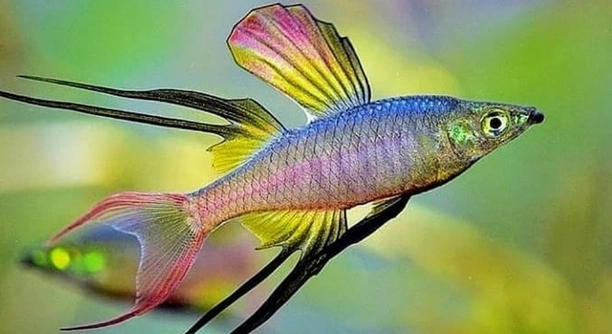
Have you ever noticed threadfins swimming quietly near the surface or gliding along the shorelines at dusk? These fish have unique behaviors that can be both calming and intriguing to observe during the evening hours.
Threadfins do not remain in a single spot while resting at night. They exhibit continuous movement, often patrolling shallow waters, which allows them to maintain oxygen intake, avoid predators, and search for food in low-light conditions.
Understanding their nightly habits can help in observing them safely and ensuring their environment supports natural behavior patterns.
Nighttime Movements of Threadfins
Threadfins are naturally active at night. Unlike many fish that settle in one place, threadfins move continuously, navigating shallow coastal waters. Their fins help them glide efficiently, making it easier to patrol for small prey and avoid larger predators. During the night, light levels drop, which affects visibility. This encourages threadfins to stay mobile, as stationary behavior could increase risk from ambush predators. They often swim near sandy bottoms or shallow reefs, where they can find small crustaceans, mollusks, and other edible organisms. Movement also helps maintain oxygen flow across their gills, which is crucial when water circulation is lower at night. Observing threadfins can reveal patterns of schooling behavior and subtle interactions with their environment. By following their nocturnal movements, you can better understand how these fish balance feeding, safety, and energy conservation under low-light conditions.
Threadfins’ nighttime swimming is essential for both feeding and safety, keeping them alert and adaptive.
Continuous movement ensures threadfins stay nourished and protected. It also allows them to respond to subtle changes in currents or predator presence. Over time, these patterns become predictable, which is useful for researchers or anyone observing their habits. Their mobility is a key factor in maintaining health and supporting the local ecosystem.
Resting Behavior and Environmental Factors
Threadfins do not sleep in a fixed spot, even when resting.
Environmental factors like water temperature, current, and light intensity strongly influence threadfin behavior. Warmer shallow waters encourage more movement, while cooler zones may slow them slightly. Predation risk also shapes their patterns; areas with fewer hiding spots see increased vigilance. Human activity, such as boating or fishing, can further alter nocturnal swimming routes. Threadfins respond to these cues instinctively, adjusting movement to ensure survival. Even subtle changes in salinity or oxygen levels prompt them to shift locations. These factors work together, ensuring threadfins remain active and alert throughout the night. Observing these patterns gives insight into how adaptable and responsive these fish are to their surroundings. By understanding their environmental needs, it becomes easier to predict behaviors and manage habitats effectively. Knowledge of these dynamics also highlights the delicate balance that supports coastal ecosystems.
Feeding Patterns at Night
Threadfins are active hunters after sunset, focusing on small crustaceans and fish larvae. Their constant movement allows them to find food efficiently while avoiding predators in dimly lit waters.
They feed by patrolling shallow areas, using their sensitive barbels to detect prey hidden in sand or under rocks. Nighttime feeding reduces competition with diurnal species and increases their chances of capturing smaller, slower prey. Their diet is flexible, allowing them to adapt to local food availability. Even when prey is scarce, they continue moving to maximize feeding opportunities while conserving energy.
Movement also helps threadfins maintain gill function and respiration during feeding. By swimming constantly, they prevent stagnant water around their gills, ensuring adequate oxygen intake. Nighttime feeding is not just about nourishment; it supports survival and overall health, helping threadfins stay alert and ready for environmental changes. This behavior demonstrates how their activity, even at night, is purposeful and finely tuned to their habitat.
Schooling and Social Behavior
Threadfins often swim in loose schools, which provides safety and improves feeding efficiency. Groups move together while maintaining individual spacing.
Schooling reduces the risk of predation because the group can react quickly to threats. It also increases the likelihood of locating food patches. Fish communicate through subtle movements and positioning, coordinating direction changes without vocal signals. Social interactions help maintain order within the group, ensuring that stronger fish do not dominate resources excessively. Schools can expand or contract depending on predator presence or prey density.
Movement in schools is a balance between staying close enough for protection and spreading out to reduce competition for food. This cooperative behavior is crucial for survival, particularly at night when visibility is low. The dynamics of the school allow threadfins to navigate safely, exploit feeding opportunities, and respond to environmental changes effectively. It also highlights how social behavior supports individual and group success in challenging conditions.
Predator Avoidance at Night
Threadfins stay in motion to reduce the risk of being caught by predators. Swimming constantly helps them detect threats early and escape quickly.
They rely on group movement and sharp reflexes to navigate safely. Darkness increases vulnerability, so vigilance is key for survival.
Light Sensitivity and Navigation
Threadfins are highly sensitive to light changes. Low light at night guides their movement patterns, influencing feeding and resting areas. They use visual and sensory cues to orient themselves, avoiding obstacles while staying close to safe zones. Light levels also affect the timing of their nocturnal activity, ensuring efficiency and safety during nighttime swimming.
Habitat Preferences
Shallow coastal waters and sandy bottoms are preferred. These areas provide food, shelter, and easy navigation at night.
FAQ
How do threadfins behave at night?
Threadfins remain active throughout the night, constantly moving in shallow coastal waters. Unlike some fish that settle in one spot, they swim continuously to feed, avoid predators, and maintain proper oxygen flow through their gills. Nighttime activity is essential for survival, as it allows them to respond to environmental changes and locate small prey like crustaceans and mollusks. They often move in loose groups, which provides safety and helps with finding food efficiently. Even subtle shifts in currents or light levels can influence their movement patterns.
Do threadfins sleep?
Threadfins do not sleep in a stationary position like some fish. Their version of rest involves reduced activity while continuing to swim slowly. This constant movement ensures oxygen flows over their gills and allows them to remain alert to predators. While they may appear calmer, they are still responsive to changes in their environment. This type of low-activity period can be seen as a “resting state” rather than actual sleep. It is a survival adaptation that supports their nocturnal feeding and predator avoidance behaviors.
Why do threadfins move in schools at night?
Threadfins swim in loose schools to enhance safety and feeding efficiency. Schooling allows them to detect predators faster and react collectively. It also improves chances of finding food, as more eyes are searching simultaneously. Within a school, fish maintain spacing to avoid competition for food while staying close enough for protection. Schooling behavior is flexible, expanding or contracting depending on predator presence, food availability, or water conditions. Social coordination through subtle movements ensures order within the group, which is crucial for survival during nighttime activity when visibility is low.
What environmental factors affect threadfin movement at night?
Several environmental factors influence their nocturnal behavior. Light intensity, water temperature, current speed, and oxygen levels all impact how threadfins swim and feed. Warmer shallow waters encourage more active movement, while cooler zones slow them slightly. Predation risk and human activity, such as boating or fishing, can alter their routes. Even small changes in salinity or oxygen levels prompt threadfins to shift locations. These factors work together, ensuring that the fish remain alert, safe, and nourished. Understanding these influences helps explain their continuous movement at night and habitat choices.
How do threadfins find food in the dark?
Threadfins rely on sensory barbels located near their mouths to detect prey hidden in sand or under rocks. These barbels are highly sensitive, allowing them to sense vibrations and small movements in the water. Movement itself aids feeding, as swimming slowly over the bottom exposes hidden crustaceans and mollusks. Nighttime feeding reduces competition from other species that are active during the day. Their ability to combine vision with tactile sensing ensures they can locate and capture food even in low-light conditions.
Do predators influence where threadfins swim at night?
Yes, predation risk is a major factor in their nocturnal patterns. Threadfins tend to avoid open waters where larger predators might strike. Shallow areas, sandy bottoms, and reefs offer both food and shelter. Constant movement helps them stay alert and respond to threats quickly. Schooling also enhances protection, as groups can detect danger faster than individuals alone. Predators shape not only where threadfins swim but also how they interact socially, ensuring that both feeding and safety needs are met efficiently.
Can human activity affect threadfin behavior at night?
Human activity, such as boating, fishing, and artificial lighting, can disrupt their nighttime movement. Noise and vibrations may cause them to scatter or change their swimming routes. Artificial lights can alter natural patterns of activity, making them more cautious or forcing them into less optimal feeding areas. Awareness of these impacts is important for conservation and responsible observation, ensuring threadfins can maintain natural behaviors and thrive in their habitats.
How do threadfins maintain oxygen levels while resting at night?
Continuous swimming ensures water flows over their gills, maintaining oxygen intake even during low-activity periods. Reduced movement in shallow waters could lead to insufficient oxygen, so their low-speed swimming is crucial. This adaptive behavior allows them to remain in safe zones while still “resting” and conserving energy.
Are there seasonal changes in threadfin nocturnal behavior?
Yes, seasonal shifts in temperature, prey availability, and water conditions influence night activity. During warmer months, feeding and movement may increase, while cooler months can slow activity slightly. Seasonal patterns also affect schooling size and preferred habitats, with fish adjusting to ensure survival, feeding efficiency, and predator avoidance year-round.
How can observing threadfins at night help researchers?
Studying nocturnal movement and behavior provides insight into feeding patterns, predator-prey dynamics, and habitat preferences. Observing schools, resting behaviors, and environmental responses helps researchers understand the ecological role of threadfins and how to manage coastal ecosystems effectively. These observations reveal the adaptability and resilience of threadfins under varying nighttime conditions.
This FAQ covers essential aspects of threadfin behavior, feeding, and environmental interactions, offering a clear view of their nocturnal life patterns.
Threadfins are fascinating fish that display unique behaviors during the night. Unlike some species that settle in one spot to rest, threadfins remain in motion, moving through shallow coastal waters. This constant movement is not random; it serves multiple purposes, from feeding to avoiding predators and maintaining oxygen flow through their gills. Nighttime activity is essential for their survival, and observing it can reveal how well-adapted they are to their environment. Their swimming patterns, though subtle, show careful balance between energy conservation and vigilance. While they may appear calm at times, they are always alert to changes around them, whether it is a shift in light, temperature, or the presence of predators. The way threadfins navigate and respond to these factors demonstrates their instinctive ability to protect themselves while still searching for food in low-light conditions.
Threadfins also show interesting social behavior at night. They often swim in loose schools, which provides safety and improves feeding efficiency. Being part of a group helps individual fish detect threats faster and locate food more effectively. Within the school, each fish maintains enough space to avoid competition while still staying close enough to benefit from the group’s collective awareness. Schooling is flexible, changing size and shape depending on environmental conditions, predator presence, and prey availability. This social behavior highlights how threadfins balance individual needs with group survival. Their reliance on sensory barbels to locate hidden prey and subtle communication within the school shows how these fish are highly adapted to life in shallow waters after dark. Nighttime movement is therefore not only about survival but also about maintaining social coordination and efficiency in feeding.
Understanding the nighttime habits of threadfins provides useful insight into their ecological role. Their constant movement helps sustain local food chains by feeding on small crustaceans, mollusks, and larvae. Predators rely on the activity of threadfins, and human observation can reveal patterns that support conservation efforts. Environmental factors like light, temperature, and water currents influence their behavior, which shows how closely they are tied to their habitat. Recognizing these patterns allows researchers, and even casual observers, to appreciate how these fish thrive in a natural setting. By moving continuously, staying in loose schools, and responding to environmental changes, threadfins demonstrate resilience and adaptability. Their nocturnal activity is a clear example of how fish have evolved strategies to survive and prosper in their surroundings, balancing safety, feeding, and social needs while navigating the night.
Word count: 406

Hello,
If you enjoy the content that we create, please consider saying a "Thank You!" by leaving a tip.
Every little bit helps us continue crafting quality advice that supports the health, happiness, and well-being of pets around the world, for pets of all shapes, sizes, and species.
We really appreciate the kindness and support that you show us!