
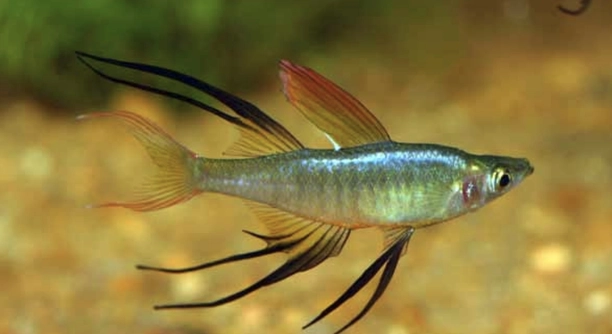
Threadfins are known for moving gracefully through the water, often in large schools. Observing their interactions can reveal subtle behaviors that show how these fish maintain social bonds within their group over time.
Threadfins display signs of group bonding through coordinated swimming patterns, synchronized feeding, protective behaviors, and mutual recognition. These actions help maintain social cohesion, enhance survival, and establish trust among members, indicating a structured social system within their schools.
These examples highlight how threadfins rely on one another, offering insights into their social lives and collective habits in their natural environment.
Coordinated Swimming Patterns
Threadfins often move in unison, creating fluid formations that seem almost choreographed. Watching them glide through the water, it’s clear they respond to one another’s movements instantly. This synchronization is not random; it allows the group to navigate efficiently while avoiding predators. The fish adjust their speed and direction subtly, matching the rhythm of the school. This behavior reduces energy use for each fish because they can draft behind others, taking advantage of reduced water resistance. Such coordinated patterns also help maintain spacing, so no fish is left vulnerable. Young threadfins learn these movements by observing older, more experienced members. Over time, these patterns become instinctual, showing how much the group relies on each member. These formations are vital for feeding, migration, and evading threats. The cohesion displayed in these synchronized swims illustrates a level of social organization that is both practical and complex, highlighting the importance of group unity in aquatic life.
These swimming formations are crucial for survival, helping threadfins conserve energy and stay safe while moving efficiently as a cohesive unit.
Observing the patterns closely, one can see subtle shifts in spacing and speed. Each fish responds to tiny visual cues, ensuring the school remains compact. This attention to detail demonstrates an underlying social structure and mutual reliance that benefits all members of the group.
Synchronized Feeding
Threadfins often feed together, moving through schools to chase prey in a coordinated manner.
During feeding, they appear to anticipate each other’s actions, splitting tasks to cover more area efficiently. This cooperation reduces competition and increases the success rate of capturing food.
Feeding in groups allows threadfins to exploit resources more effectively than solitary individuals. They often herd smaller fish or plankton into tight clusters, making it easier for everyone to feed. By coordinating their efforts, the group can adapt quickly to changing prey availability and environmental conditions. Some members may take the lead in locating food, while others follow, maintaining alignment and spacing that prevents chaos. The collective behavior also decreases the risk of any single fish being caught by predators while feeding. Over time, this repeated synchronized activity reinforces social bonds and helps establish trust. Each fish recognizes the value of cooperation, which enhances survival for the school as a whole. The feeding patterns demonstrate how group behavior can directly influence individual well-being and long-term cohesion within the school.
Protective Behaviors
Threadfins often stay close together when danger is near, forming tight groups to reduce individual risk.
When a predator approaches, the school quickly changes shape, creating a confusing mass that makes targeting one fish difficult. Some members take positions at the edges to shield the more vulnerable fish inside. This collective response is instinctive, ensuring that the school reacts almost simultaneously. Threadfins seem to communicate through movement and subtle changes in speed, alerting others to threats. The pattern of protection varies depending on the size of the predator and the environment, showing flexibility in their defensive strategies. By working together, the school maximizes the chance that most members survive, highlighting the importance of mutual awareness and group cohesion in their natural behavior.
Protective behaviors like this are vital for survival, demonstrating how threadfins depend on each other in risky situations.
Close observation shows some individuals actively adjust positions to guard the weak, revealing a sense of responsibility and coordination within the group.
Mutual Recognition
Threadfins often identify familiar members within their school, maintaining preferred positions nearby.
This recognition helps reduce conflicts and ensures smoother coordination during swimming and feeding. Fish seem to remember individuals they have interacted with before, showing consistent patterns in grouping behavior. By recognizing each other, threadfins maintain social order, avoiding unnecessary competition or aggression. The ability to identify peers strengthens the bonds within the school, allowing them to work together more efficiently and maintain overall group stability.
Recognizing familiar members contributes to the school’s cohesion. Fish align their movements with trusted companions, making swimming formations more precise. Over time, this consistent recognition reduces stress during feeding and predator evasion. The repeated interactions reinforce social bonds, allowing the school to function as a unified, cooperative unit. Mutual recognition also influences roles during group activities, such as which fish lead during movement and which follow. This structure highlights a sophisticated social system where individual memory and social awareness play key roles in maintaining harmony and effective collaboration among threadfins.
Resting Together
Threadfins often rest in close proximity, forming small clusters that provide safety and comfort.
Being near others reduces stress and allows fish to stay alert while conserving energy. The physical closeness reinforces social bonds and helps maintain group cohesion even during periods of inactivity.
Communication Through Fin Movements
Threadfins use subtle fin gestures and tail flicks to convey intentions or alert the group. These signals coordinate movement, warn of threats, and maintain order within the school. Fish respond instantly to these cues, showing a high level of social awareness and cooperation.
Leadership Rotation
In threadfin schools, leading positions shift among members, ensuring shared responsibility during movement and foraging.
How do threadfins choose which fish leads the school?
Threadfins don’t have a fixed leader; instead, leadership rotates depending on the situation. A fish with better knowledge of the environment or stronger energy levels often takes the lead temporarily. Others follow, matching its speed and direction, then roles shift naturally as needed. This rotation ensures no single fish is overworked and maintains fairness within the group. Leadership often depends on experience, with older or more alert fish guiding the school through tricky areas, while younger fish follow and learn. The rotation keeps the group flexible and responsive to changes, improving overall survival chances.
Why do threadfins swim in tight formations?
Tight formations help threadfins stay safe from predators. By moving together, the fish create a confusing visual mass that makes it hard for predators to single out one individual. It also reduces water resistance for those swimming behind, saving energy. The formations are coordinated, relying on constant observation and subtle cues from nearby fish. Tight grouping improves communication, feeding efficiency, and protection, showing how social behavior is essential for survival in their natural habitat.
Do threadfins recognize individual members of their group?
Yes, threadfins can recognize familiar individuals. This recognition allows them to maintain consistent swimming patterns with known companions and avoid conflicts. By remembering who has cooperated successfully in the past, they can maintain smoother coordination during feeding and predator evasion. Social familiarity strengthens bonds and reduces stress, which benefits the group’s overall stability. Fish often align themselves with trusted companions, creating predictable interactions that enhance group harmony.
How do threadfins communicate within their schools?
Threadfins rely on visual cues and fin movements to communicate. Tail flicks, body shifts, and fin gestures signal direction changes, alert the group to threats, or coordinate feeding. Responses are almost instantaneous, showing that threadfins are highly aware of each other’s movements. Communication allows the school to act as a unified unit, adapting quickly to environmental changes while maintaining cohesion.
What role does synchronized feeding play in group bonding?
Synchronized feeding strengthens social ties by encouraging cooperation. When threadfins feed together, they herd prey, split tasks, and share resources efficiently. This reduces competition and stress while improving survival chances for the group. Over time, repeated cooperative feeding reinforces trust, strengthens bonds, and ensures that all members benefit from collective efforts, making feeding a central part of social cohesion.
Why do threadfins sometimes rest closely together?
Resting in clusters provides safety and comfort. Proximity allows fish to stay alert to predators while conserving energy. It also reinforces social bonds and helps maintain cohesion during inactive periods. This behavior highlights the importance of physical closeness for both protection and group stability, showing that social interaction continues even during rest.
How do threadfins respond to threats as a group?
Threadfins react to threats through coordinated maneuvers. The school changes shape quickly, forming tight or erratic patterns to confuse predators. Some fish position themselves on the edges to shield the weaker members inside. Rapid communication through subtle movements ensures everyone responds together. These protective behaviors demonstrate a sophisticated social system where group survival depends on cooperation and mutual awareness.
Do threadfins form long-term bonds within their schools?
Yes, threadfins maintain long-term associations with familiar individuals. They remember companions, prefer swimming near trusted members, and adjust roles based on experience and trust. These bonds enhance coordination, reduce conflicts, and increase the group’s efficiency. Long-term relationships support survival, feeding success, and predator evasion, showing that social memory plays a critical role in school dynamics.
How does leadership rotation benefit the school?
Rotating leadership spreads responsibility among members, preventing fatigue in any single fish. It allows the group to take advantage of different skills, such as navigation knowledge or alertness to danger. Leadership rotation ensures flexibility, reinforces fairness, and strengthens group cohesion, contributing to the overall efficiency and resilience of the school.
Why is observing threadfin behavior important for understanding social bonding?
Studying threadfin interactions reveals how fish cooperate, communicate, and protect each other. Observing swimming patterns, feeding coordination, and recognition behaviors provides insight into the mechanisms of social bonding. Understanding these behaviors helps explain how group cohesion improves survival, showing the value of studying collective animal behavior in natural settings.
Threadfins are fascinating fish that show how social behavior can be important for survival. Their coordinated swimming, synchronized feeding, and protective behaviors all demonstrate that living in a group has clear benefits. By staying together, threadfins reduce the risk of being caught by predators, save energy while moving, and improve their chances of finding food. Each fish in the school contributes to the overall success of the group, showing that cooperation is a natural and essential part of their life. Even simple behaviors, like resting close to one another or recognizing familiar members, play a role in maintaining social bonds and ensuring the school functions smoothly. Observing these patterns can help us understand the importance of collective behavior in animals and how group dynamics affect survival.
The way threadfins communicate is also notable. They rely on subtle movements, like tail flicks and fin gestures, to send signals to one another. These small cues help coordinate movement, warn of danger, and organize feeding activity. The fact that threadfins can recognize individual members shows a level of social awareness that goes beyond instinct. Fish that are familiar with each other can maintain better spacing, align more easily, and respond faster to changes in the environment. This recognition strengthens trust within the school and makes group living more efficient. Leadership rotation further supports this social structure, ensuring that no single fish carries all the responsibility. This shared leadership demonstrates flexibility and fairness, which benefits the group as a whole. All these behaviors work together to create a strong, cooperative network among threadfins that is essential for survival in their natural habitat.
Understanding threadfin behavior gives insight into the broader concept of social bonding in animals. Their actions illustrate how cooperation, communication, and mutual support can improve the chances of survival for a group. Observing these fish can also highlight the balance between individual needs and group needs, showing how each member contributes to the success of the school. The repeated behaviors, such as coordinated swimming, synchronized feeding, and mutual recognition, show that these bonds are not accidental—they are consistent and important. Learning about threadfins reminds us that even fish can have complex social structures and that living together provides many advantages. These insights can be applied to understanding other species as well, giving a better perspective on how animals interact, survive, and thrive in groups over time.

Hello,
If you enjoy the content that we create, please consider saying a "Thank You!" by leaving a tip.
Every little bit helps us continue crafting quality advice that supports the health, happiness, and well-being of pets around the world, for pets of all shapes, sizes, and species.
We really appreciate the kindness and support that you show us!