
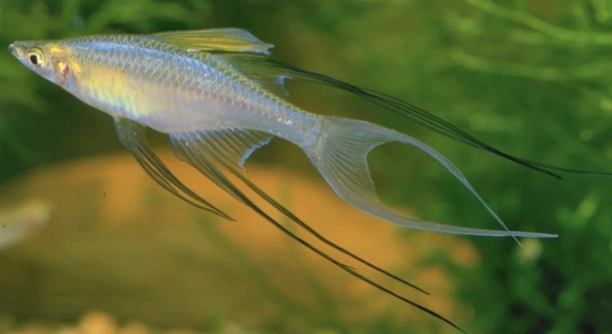
Have you ever noticed your threadfins swimming quietly when the lights in the room go out? Many aquarium owners observe this behavior and wonder if the change in lighting affects their fish’s movement. Threadfins are known for their graceful, deliberate swimming patterns.
Threadfins do exhibit reduced activity when room lights are turned off. This behavior is linked to their natural response to low-light conditions, where they slow movement to conserve energy and reduce visibility to predators, reflecting typical diurnal fish behavior.
Understanding this reaction helps maintain a healthy environment for your fish. Observing their activity patterns can improve care routines and ensure your threadfins thrive under proper lighting conditions.
Why Threadfins Slow Down in Low Light
Threadfins are naturally sensitive to changes in light. When the room lights go off, their activity slows because they rely on vision to navigate. In a darkened environment, they reduce movement to avoid obstacles and conserve energy. This behavior is similar to how many diurnal fish respond to evening or nightfall in the wild. Their muscles relax slightly, and swimming becomes more deliberate. Some threadfins may hover near the tank’s bottom or stay close to plants or decorations. This stillness also minimizes stress since sudden movements in darkness could lead to collisions. Over time, they adapt to consistent light cycles, showing predictable activity patterns. By observing these habits, you can create a more comfortable environment, adjusting light schedules to match natural rhythms. Consistent lighting not only helps them maintain normal behavior but also supports feeding and overall health. Watching how they react can provide insight into their needs.
Light conditions directly influence threadfin behavior, affecting both activity and feeding patterns within the tank.
Observing threadfins over several days will reveal patterns in their responses to lights turning off. You may notice a subtle pause in swimming, reduced interaction with tank mates, and a preference for sheltered areas. These responses are normal and indicate healthy adaptation. Providing predictable light cycles, including gradual dimming if possible, encourages natural behavior. Over time, your threadfins will adjust, moving confidently even as lighting changes, while still resting appropriately during low-light periods. Adjusting feeding times to align with active periods can also improve overall health and reduce stress. Consistency is key to helping your fish feel secure and comfortable in their environment.
Creating the Right Environment for Threadfins
Proper lighting is only one factor in maintaining threadfin health. Temperature, water quality, and tank layout also impact activity.
A well-structured tank allows threadfins to move freely while offering hiding spots for resting. Decorations, plants, and smooth substrates provide both comfort and safety. Consistent water parameters, including temperature and pH, reduce stress, promoting normal swimming even when lights change. By monitoring feeding, you can ensure nutrition aligns with their activity, adjusting schedules to support natural behavior. Over time, threadfins learn the rhythm of the tank, responding calmly to light changes. Observing their patterns and making small adjustments improves both their well-being and your enjoyment as a caretaker. The combination of proper lighting, water conditions, and thoughtful tank design encourages healthy activity and predictable rest periods, helping threadfins thrive in captivity. Regular attention to these details reduces unexpected stress and supports long-term health.
Adjusting Lighting for Threadfins
Gradually dimming lights in the evening helps threadfins adjust naturally. Sudden darkness can startle them, causing stress or erratic swimming. A consistent light schedule supports their circadian rhythm and promotes calm behavior.
Setting up a timer for your aquarium can create predictable light cycles. Threadfins respond well to gradual changes, mimicking natural dusk and dawn. Avoid turning lights off abruptly, as it can trigger temporary panic. By keeping a stable schedule, fish remain active during lit periods and rest quietly in low light. This consistency encourages normal feeding, swimming, and social interactions, reducing stress and improving overall health in your aquarium.
Observing your threadfins during lighting changes reveals subtle behaviors. Some may hover near plants, others glide slowly across open areas. These patterns indicate comfort levels and adaptation. Gradual adjustments allow you to fine-tune light intensity, helping them feel secure. Over time, predictable cycles encourage confidence in movement, reducing the risk of injury. Regular observation helps you understand preferences, ensuring a comfortable environment that matches their natural instincts.
Feeding and Activity Cycles
Feeding schedules influence threadfin activity more than many owners realize. Aligning meals with light periods maximizes energy use and encourages movement.
Threadfins are more responsive during lit periods when their vision guides them to food. Offering meals at consistent times trains them to anticipate feeding, increasing swimming and interaction. Avoid feeding in complete darkness, as it can lead to uneaten food and water quality issues. Proper portioning ensures they remain healthy without overfeeding. Observing how they react to light and food helps fine-tune routines. Small adjustments in timing and quantity create a balanced environment that supports both rest and active periods, keeping threadfins energetic and content.
Recognizing Resting Behavior
Threadfins often hover in one spot or move very slowly when lights are off. This is normal resting behavior and helps them conserve energy for active periods during the day.
Some may tuck near plants or decorations, seeking shelter. Recognizing these spots can help you design a safer tank environment that encourages natural rest without disturbance.
The Role of Water Temperature
Water temperature impacts threadfin activity. Cooler water can make them less active, while slightly warmer water encourages swimming. Maintaining a stable, appropriate temperature range supports normal behavior and reduces stress. Consistent monitoring prevents sudden drops or spikes, which can startle them or affect appetite.
Minimizing Stress in Low Light
Sudden noises or movement near the tank can startle threadfins when lights are off. Keeping the area calm during dark periods reduces stress and helps them maintain normal resting patterns.
FAQ
Why do threadfins stop moving when the lights go off?
Threadfins slow down in darkness because they rely heavily on vision to navigate. Reduced light triggers natural resting behavior, conserving energy and minimizing risk of injury. This is normal and reflects their diurnal activity pattern, where they are more active during daylight.
Is it harmful if my threadfins stay still for long periods at night?
No, it is not harmful. Threadfins often rest for several hours in low light. Extended periods of stillness are their way of conserving energy and staying safe. As long as they move normally during lit periods, their health is not affected.
Should I feed my threadfins in the dark?
Feeding in darkness is not recommended. Threadfins rely on vision to find food, and darkness can cause them to miss meals. Feeding during lit periods ensures they eat properly and prevents leftover food from fouling the water.
Can sudden light changes stress threadfins?
Yes, sudden changes can startle them. Abrupt darkness or bright lights may trigger panic swimming or collisions with tank decorations. Gradual dimming or timed lighting helps them adjust and reduces stress, supporting calm behavior.
How can I tell if my threadfins are healthy during dark periods?
Even while resting, healthy threadfins should show normal posture and occasional fin movement. They should return to normal swimming when lights are on. Lack of movement combined with unusual behavior, such as floating sideways or rapid gill movement, may indicate a problem.
Do threadfins need a nighttime hiding spot?
Providing shelters, plants, or smooth decorations allows threadfins to rest safely. Hiding spots help them feel secure and reduce stress during dark periods. This also mimics their natural environment where they would seek cover at night.
How long should the lights be off each night?
Lights should mimic a natural day-night cycle, typically around 10–12 hours of darkness per 24-hour period. Consistent cycles support circadian rhythms, encouraging normal activity and rest patterns while preventing stress caused by irregular lighting.
Can water temperature affect their resting behavior?
Yes, cooler water tends to slow their movements further, while stable, slightly warmer water supports regular activity. Maintaining a consistent, appropriate temperature range prevents unnecessary lethargy or stress, ensuring predictable patterns in both light and dark periods.
What should I do if my threadfins panic when lights go off?
Introduce gradual dimming or use a timer to transition lights slowly. Avoid sudden noises near the tank and ensure the environment is calm. Over time, threadfins will adjust and show less stress, moving confidently during periods of reduced light.
Are all threadfins affected by light changes the same way?
Individual behavior can vary slightly. Some threadfins may rest near decorations, others hover in open areas. Observing each fish helps you understand their preferences and design the tank for comfort, ensuring safe resting areas and predictable activity.
Does feeding schedule influence their activity during darkness?
Yes, threadfins are more active around predictable feeding times during light periods. Aligning meals with these periods encourages swimming and social interaction, while reducing activity during darkness when they naturally rest.
Can I use night lights for threadfins?
Soft night lighting can be used sparingly, but avoid bright or continuous illumination. Minimal light allows you to observe fish without disturbing their natural resting behavior, keeping them comfortable while ensuring safety in the tank.
How often should I monitor threadfins at night?
Occasional observation is sufficient. Frequent disturbances can stress them, while intermittent checks ensure they are resting safely and returning to normal activity when lights are on. Monitoring over several days provides insight into patterns and preferences.
Is it normal for threadfins to group together when resting?
Yes, grouping can occur as a natural protective behavior. Staying close reduces vulnerability and provides comfort. Ensuring enough space and hiding spots prevents overcrowding while supporting natural rest patterns.
Can lighting affect long-term health of threadfins?
Consistent, appropriate lighting supports circadian rhythms, feeding, and normal swimming behavior. Irregular or extreme lighting can increase stress and disrupt patterns, potentially affecting appetite, immune function, and overall well-being over time.
This FAQ covers the most common questions about threadfins and lighting, helping maintain their comfort, health, and natural behavior patterns in captivity.
Final Thoughts
Threadfins are naturally responsive to changes in light, and their behavior in low-light conditions is completely normal. When the room lights go off, they slow down or pause, conserving energy and reducing stress. This resting behavior is similar to what they would experience in the wild during evening hours. Watching them adjust to darkness can help you understand their needs and make small changes in the tank that improve their comfort. By observing how they move or stay still when lights are off, you can identify patterns that reflect normal health. Over time, you will notice that threadfins develop predictable routines, becoming more confident during light periods and more relaxed when resting. This natural rhythm is important for their overall well-being and can guide your care practices, including feeding schedules, tank layout, and lighting management.
Maintaining a stable environment is key to supporting threadfin behavior. Gradual lighting changes, consistent water temperature, and reliable feeding schedules all contribute to a calm and healthy aquarium. Sudden darkness or bright light can startle threadfins, so using timers or dimming lights slowly is helpful. Providing shelters, plants, or smooth surfaces allows them to rest safely and feel secure while the lights are off. Observing where they choose to rest can also inform how you arrange the tank. Over time, these small adjustments make a noticeable difference in stress levels and activity. When threadfins feel safe, they swim more confidently and interact normally during lit periods, which is an indication of good health. A well-structured environment that respects their natural responses to light ensures that your threadfins thrive.
Understanding the relationship between light and threadfin behavior also helps improve long-term care. Feeding during active periods ensures they get enough nutrition, while minimizing disturbances during dark periods allows proper rest. Watching how each fish responds individually can give insight into preferences and stress levels. Lighting, temperature, and tank structure all play a role in maintaining natural patterns. By paying attention to these factors, you can create a balanced environment where threadfins exhibit healthy activity, rest comfortably, and maintain normal growth and development. Over time, this careful observation and consistency build a stronger connection between the caretaker and the fish, supporting a well-maintained, thriving aquarium that reflects the natural behaviors of threadfins.

Hello,
If you enjoy the content that we create, please consider saying a "Thank You!" by leaving a tip.
Every little bit helps us continue crafting quality advice that supports the health, happiness, and well-being of pets around the world, for pets of all shapes, sizes, and species.
We really appreciate the kindness and support that you show us!