
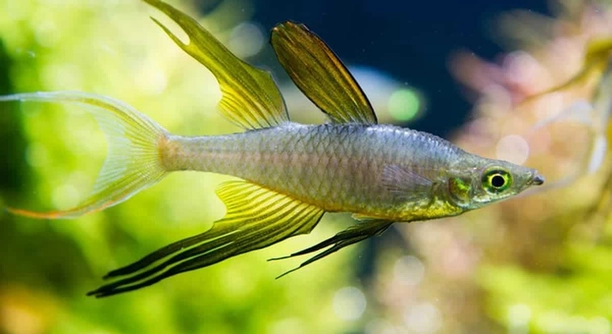
Have you ever noticed your threadfins avoiding the food you offer, leaving you wondering why they seem uninterested or hesitant during feeding time?
Threadfins might dodge your feeding hand due to environmental stress, poor water conditions, unsuitable diet, or unfamiliar feeding routines. These factors can cause anxiety or discomfort, leading the fish to reject food and hide from human interaction.
Understanding these subtle behaviors can help you create a calmer environment and build trust with your threadfins for smoother feeding sessions.
1. Stress from Sudden Movements
Threadfins are gentle fish that react quickly to sudden actions near their tank. Fast hand movements, loud noises, or abrupt lighting changes can startle them, causing them to hide or ignore food. This stress response is natural, especially in species known for their cautious nature. When they feel unsafe, their appetite drops, and they may take longer to resume feeding. Keeping movements slow and consistent can make a big difference. Over time, your threadfins will begin to associate your presence with safety instead of fear, making them more comfortable during feeding sessions.
A calm atmosphere plays a big role in maintaining your threadfins’ comfort. Even slight stress can affect their feeding rhythm and overall behavior, making them appear uninterested or withdrawn.
Patience helps your fish adjust to regular feeding routines. Establishing a predictable environment encourages them to feed without hesitation and helps strengthen their sense of security in your care.
2. Water Quality Issues
Poor water conditions can make threadfins lose their appetite quickly. When ammonia, nitrite, or nitrate levels rise, their delicate systems become stressed. Even slightly unclean water can lead to discomfort, making them less responsive to food.
Threadfins are highly sensitive to their surroundings, and stable water quality is essential for their feeding behavior. If the water is cloudy, has an unusual smell, or shows algae buildup, it’s often a sign that conditions are off. Regular testing is key to spotting imbalances early. Aim to maintain pH and temperature levels suited to their species, as fluctuations can also cause feeding avoidance. Performing small, consistent water changes helps prevent chemical spikes that stress your fish. Additionally, ensure the filter is functioning properly and not producing excessive current, as strong water flow can disturb threadfins during feeding. Maintaining clean, balanced water will encourage steady eating habits and keep them calm and active.
3. Unfamiliar Feeding Routine
Changing feeding times or methods can confuse threadfins easily. They rely on routine to feel secure, and sudden adjustments can cause them to avoid food. Keeping a regular schedule helps them recognize when it’s time to eat and reduces hesitation.
Threadfins prefer a calm and predictable environment, so feeding them at the same time each day encourages trust. If you suddenly switch to new foods or feed in a different way, they might not recognize it as something edible. Gradually introducing changes helps them adapt. Try mixing new foods with familiar ones and observe their response. Consistency in lighting and tank activity around feeding time also helps build familiarity. Over time, they’ll associate these cues with eating, making them more eager to approach your hand.
When routines are stable, threadfins eat with confidence. Predictable feeding strengthens their comfort level, promoting healthier digestion and more natural feeding behaviors overall.
4. Unsuitable Diet
Threadfins can become picky eaters when offered the wrong type of food. If their diet lacks proper texture, flavor, or nutrition, they often ignore it altogether. Choosing foods that match their natural diet encourages consistent feeding and better energy levels.
These fish usually prefer small, live, or slow-sinking foods that mimic their natural prey. Flakes or pellets that float too long can discourage feeding. Try offering daphnia, bloodworms, or brine shrimp to stimulate their appetite. If using pellets, pick ones that soften quickly and are small enough for them to eat comfortably. Rotating between fresh and prepared options can prevent boredom and nutritional gaps. Observe their response to each feeding—threadfins often show preference through movement and speed when approaching food. A varied diet that reflects their natural feeding habits helps them stay healthy, active, and eager during feeding time.
5. Overfeeding Habits
Threadfins may ignore food if they’re being fed too often. Overfeeding leads to reduced interest and can also affect water quality, further discouraging eating. Feeding small portions twice a day is usually enough to keep them satisfied and active.
Uneaten food can quickly decay, causing stress and poor appetite. Monitoring how much they consume each session helps maintain balance. A light feeding schedule ensures they stay eager for meals while keeping the tank clean and healthy.
6. Tank Mates Causing Stress
Aggressive or overly active tank mates can make threadfins anxious during feeding. When they feel threatened, they may hide or refuse food altogether. Choosing peaceful companions creates a calmer environment and helps restore their feeding confidence.
7. Temperature Fluctuations
Sudden changes in water temperature can lower their metabolism, leading to slower feeding behavior. Stable temperatures keep their energy levels consistent and encourage normal eating habits. Using a reliable heater and thermometer helps prevent stress caused by cold or overly warm conditions.
FAQ
Why do my threadfins suddenly stop eating?
Threadfins may stop eating due to stress, sudden temperature changes, or poor water conditions. When their environment feels unstable, they often respond by hiding or ignoring food. Check the water parameters first, ensuring ammonia, nitrite, and nitrate levels are within a safe range. It’s also important to observe any new tank mates or recent changes in lighting, decorations, or feeding habits. Even subtle adjustments can disturb them. Once stability is restored, they typically regain their appetite within a few days. Consistency and calmness are key to helping them return to regular feeding behavior.
How can I tell if my threadfins are stressed?
Threadfins show stress through quick darting, hiding, faded color, or loss of appetite. They may also become more sensitive to movement around the tank. If these signs appear, reduce noise, dim bright lighting, and ensure the water temperature remains steady. Adding plants or decorations gives them more hiding spots, which helps reduce anxiety. Stress is often reversible once the environment feels safe again. Observing small changes in behavior early can prevent long-term feeding issues and health problems.
What type of food is best for threadfins?
Threadfins thrive on a varied diet that mimics their natural feeding habits. Live or frozen options like brine shrimp, bloodworms, and daphnia are excellent for stimulating appetite. High-quality micro pellets or flakes can also be used, especially if they sink slowly. Avoid feeding them large or hard pieces of food, as threadfins have small mouths. Mixing different types of food ensures they receive balanced nutrition and prevents them from losing interest. Regular rotation between live and prepared options helps maintain their enthusiasm for feeding.
How often should I feed threadfins?
Feeding small amounts twice daily is usually ideal. Overfeeding can lead to bloated stomachs, poor digestion, and lower water quality. Only give what they can eat in about two minutes. Watch how they respond and adjust accordingly. If uneaten food remains, reduce the quantity next time. Consistency helps them develop predictable eating patterns, which improves digestion and keeps the tank cleaner. A regular schedule also helps threadfins feel secure, as they learn to anticipate feeding times.
Can tank mates affect my threadfins’ feeding habits?
Yes, tank mates can have a big influence. Aggressive or fast-feeding fish can intimidate threadfins and make them hesitant to eat. Peaceful tank companions like small tetras, rasboras, or corydoras are better choices. If feeding competition occurs, try offering food in multiple spots or at different depths. This allows threadfins to eat without feeling threatened. Monitoring their interactions helps ensure all fish receive enough food while maintaining harmony in the tank.
Do threadfins get bored with the same food?
They can become disinterested if fed the same meal every day. Offering a mix of textures and flavors keeps them engaged and encourages steady eating. Alternate between live, frozen, and flake foods for variety. You can also soak dry food in tank water or garlic extract to enhance its scent and taste. Threadfins respond strongly to aroma, so a little variation often restores their enthusiasm for feeding.
How long can threadfins go without eating?
Healthy adult threadfins can usually go a few days without food, especially if they are under mild stress or adjusting to new conditions. However, longer periods may weaken their immune system and affect coloration. If they refuse food for more than three days, inspect the tank’s temperature, water quality, and lighting. In most cases, improving environmental stability brings their appetite back naturally. Avoid forcing them to eat or overfeeding when they finally start again, as this can upset their digestion.
Is hand-feeding safe for threadfins?
Yes, but it takes patience. Hand-feeding can strengthen trust once they’re comfortable with your presence. Start by placing food near your hand without sudden movement. Over time, they’ll associate your hand with feeding rather than threat. Avoid forcing contact or hovering for too long, as this can cause stress. Once trust builds, threadfins may approach willingly, creating a calm and rewarding feeding routine.
Why do my threadfins eat less in the evening?
Threadfins are generally more active in the morning or early afternoon. Evening feeding might coincide with lower activity levels or temperature changes, affecting appetite. Feeding earlier in the day when they’re alert often leads to better results. Maintaining consistent lighting and timing helps balance their daily rhythm.
Should I isolate a threadfin that refuses to eat?
Isolation is only needed if the fish shows signs of illness or injury. Otherwise, adjusting the tank environment is more effective. If aggression or bullying occurs, consider using a temporary divider instead of full separation. Creating a stable, stress-free space usually restores their feeding interest faster than isolation.
Final Thoughts
Caring for threadfins requires a gentle and observant approach. Their delicate nature makes them sensitive to small changes in their environment, and this sensitivity often shows through their feeding behavior. When threadfins start dodging your feeding hand, it’s rarely due to stubbornness. It’s usually their way of communicating discomfort or uncertainty. The reasons behind this can range from poor water conditions and unsuitable diets to stress caused by tank mates or sudden movements. By paying attention to their reactions and the state of their surroundings, you can identify what’s causing their hesitation. Every fish has its rhythm and comfort zone, and understanding that is key to maintaining both their appetite and overall well-being.
Creating a calm and balanced environment plays a big role in how threadfins behave during feeding. They thrive in stable conditions with consistent lighting, gentle water flow, and peaceful tank companions. Any form of unpredictability can affect how safe they feel, which in turn impacts how eagerly they approach food. Regular maintenance, such as checking the water parameters and cleaning the tank, helps prevent issues that might stress them. Threadfins also respond well to routines. Feeding them at the same time each day encourages trust and predictability. When they begin to associate your presence with steady care, their anxiety decreases, and their natural curiosity returns. Small steps like these help build a stronger bond between you and your fish while ensuring they remain active and healthy.
In the end, helping threadfins feel comfortable enough to feed from your hand takes time and patience. Rushing the process or constantly changing their setup will only make them more cautious. Instead, focus on consistency, calmness, and observation. Notice the small signals they give—whether they hide more often, swim near the surface, or show less interest in food. These are all clues about their comfort levels. Adjusting water quality, diet, or tank dynamics can make a visible difference in how they respond during feeding. Remember, threadfins are peaceful fish that thrive best when they feel secure. When their needs are met, they show their trust by eating confidently and swimming freely. A balanced environment not only brings out their beauty but also ensures they remain vibrant and healthy for years to come.

Hello,
If you enjoy the content that we create, please consider saying a "Thank You!" by leaving a tip.
Every little bit helps us continue crafting quality advice that supports the health, happiness, and well-being of pets around the world, for pets of all shapes, sizes, and species.
We really appreciate the kindness and support that you show us!