
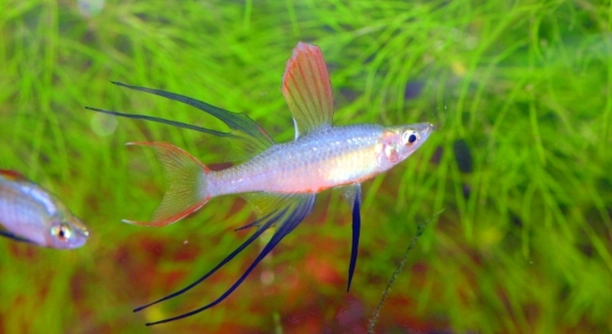
Have you ever found yourself wondering about the feeding habits of your Threadfin Rainbowfish and how they interact with different areas of the aquarium? These delicate, shimmering fish have unique behaviors that make them both fascinating and rewarding to observe.
Threadfin Rainbowfish show a natural preference for feeding at the mid-water level rather than the surface. While they will occasionally eat from the top, their delicate mouths and swimming style are better suited for mid-water feeding behavior.
Learning about their feeding habits can help you create a healthier, more natural environment for them, ensuring both their comfort and well-being in your care.
Understanding Threadfin Rainbowfish Feeding Behavior
Threadfin Rainbowfish are admired for their graceful swimming and delicate fins, but their feeding preferences are just as interesting. These fish thrive when they can eat in the middle part of the water column, where they naturally feel most at ease. Their slender mouths are not built for gulping food quickly from the surface, but rather for capturing small particles that float or drift gently in mid-water. When kept in aquariums, they may rise to the top occasionally, but this is usually less frequent. Providing the right type of food, such as finely crushed flakes or small live foods, helps them maintain good health. Understanding this feeding behavior allows keepers to support their natural tendencies. Creating an environment where they do not need to compete at the surface ensures they can feed comfortably and safely, which reduces stress and helps maintain their elegant, calm demeanor over time.
When cared for properly, Threadfin Rainbowfish display vibrant colors and an active yet peaceful nature, showing how much their feeding environment impacts their overall health.
Many keepers notice that feeding mid-water suits their delicate movements and keeps them less stressed. This makes it easier to see them thrive gracefully in a home aquarium setting.
How to Support Healthy Feeding
Threadfin Rainbowfish need a feeding setup that matches their habits, encouraging them to eat without struggling at the surface or bottom.
To support this, it is important to offer food types that remain suspended long enough for them to eat comfortably. Fine flakes, micro pellets, and tiny live or frozen foods such as daphnia and brine shrimp are excellent choices. Avoid large or heavy foods that sink too fast, as they can be difficult for Threadfins to manage. Feeding in smaller amounts throughout the day can be more effective than one large feeding, helping to prevent waste and maintain water quality. It also gives the fish more chances to eat at their preferred pace. Keeping strong currents low around the feeding area is another factor, as these fish prefer calm waters that allow food to linger mid-water. Observing how your Threadfin Rainbowfish respond to different feeding methods helps you adjust their diet for better results. Over time, these small adjustments make a big difference in their health and appearance.
Ideal Tank Setup for Feeding
A well-planned tank setup helps Threadfin Rainbowfish feed naturally. They prefer calm waters with gentle movement, as strong currents push food away too quickly. Plants and open space together create balance, keeping food suspended in mid-water for easy feeding.
Providing floating plants along with open swimming areas encourages a natural feeding rhythm. These plants break surface movement, allowing food particles to stay longer in the middle zone. A moderate filter flow ensures the water stays clean without disrupting feeding. Positioning food in calmer sections of the tank gives the fish a comfortable spot to eat without unnecessary competition.
Lighting also plays a role, as Threadfin Rainbowfish often feel more relaxed feeding under softer conditions. Using subdued lighting near feeding times encourages them to swim out more confidently. A thoughtfully arranged tank not only supports their feeding habits but also reduces stress, allowing them to maintain both health and beauty.
Best Feeding Practices
Smaller, more frequent meals are better than a single large feeding. This approach prevents overeating, keeps water quality stable, and allows each fish to feed at its own pace without rushing.
Offering a varied diet keeps Threadfin Rainbowfish healthy and vibrant. Alongside micro pellets and fine flakes, live or frozen foods provide valuable nutrition. Options such as baby brine shrimp, daphnia, and microworms encourage natural feeding behavior. It is also wise to avoid heavy foods that sink too quickly, as these delicate fish struggle to eat from the bottom. Feeding at the same time daily establishes routine, which helps them feel secure. Observing their response to different foods ensures you can adjust feeding patterns for the best results, giving them a diet that matches both their needs and their nature.
Common Feeding Mistakes
Overfeeding is a frequent mistake that harms both the fish and water quality. Excess food sinks, decays, and creates stress. Offering small portions multiple times daily avoids waste while ensuring Threadfin Rainbowfish get what they need.
Another mistake is relying only on one food type. While flakes or pellets may seem enough, these fish benefit greatly from variety. Mixing in live or frozen foods helps replicate their natural diet and keeps them active, healthy, and more vibrant in color.
Signs of Healthy Feeding
Healthy Threadfin Rainbowfish show bright coloration, smooth swimming, and active feeding behavior. When they consistently eat mid-water without hesitation, it is a sign they feel comfortable and are receiving the right food. A varied diet keeps them looking lively and well-balanced in the aquarium.
Feeding Frequency
Feeding them two to three times a day in small portions works best. This allows food to stay mid-water long enough, prevents competition, and keeps the water cleaner while maintaining the fish’s energy and natural behavior.
FAQ
How often should Threadfin Rainbowfish be fed?
Threadfin Rainbowfish do best when fed small portions two to three times per day. Feeding in smaller amounts ensures the food stays suspended in mid-water long enough for all fish to access it. Overfeeding in one sitting can lead to uneaten food sinking, polluting the water, and stressing the fish. Frequent feedings mimic their natural feeding patterns, allowing them to maintain steady energy levels. Observing how quickly they eat each portion helps adjust feeding amounts.
What types of food are best for Threadfin Rainbowfish?
A varied diet is ideal. Micro pellets and finely crushed flakes are staples, providing necessary nutrients. Adding live or frozen foods such as daphnia, baby brine shrimp, or microworms promotes natural feeding behavior. These foods encourage activity, improve coloration, and support overall health. Avoid large sinking foods, as these delicate fish are not adapted to feed from the bottom. Rotating food types ensures they receive a balanced diet and reduces the risk of nutritional deficiencies.
Can Threadfin Rainbowfish eat from the surface?
They can occasionally take food from the top, but it is not their preferred feeding zone. Their mouths and swimming style are adapted to mid-water feeding, making surface feeding less comfortable. Feeding at mid-water helps prevent competition and allows them to eat at a natural pace. Using floating plants can help control surface feeding by gently slowing food, making it easier for fish to access without rushing.
What should I do if some fish aren’t eating?
If certain individuals are not eating, check water quality and feeding conditions first. Strong currents or overcrowding can prevent fish from accessing food. Offering small portions in calmer areas of the tank helps all fish feed comfortably. Introducing live or frozen foods may also entice reluctant eaters. Observe their behavior closely, as prolonged lack of feeding can indicate stress or illness that needs to be addressed.
How do I prevent overfeeding?
Feed only what the fish can consume within a few minutes. Remove uneaten food promptly to avoid water quality issues. Multiple small feedings work better than a single large feeding, ensuring mid-water consumption without waste. Overfeeding can lead to bloating, lethargy, and a higher risk of disease. Keeping a consistent feeding schedule also helps the fish adapt and reduces the temptation to overfeed.
Do lighting conditions affect feeding?
Yes, lighting can influence feeding behavior. Threadfin Rainbowfish feel more comfortable under softer, moderate lighting, especially during feeding times. Bright lights may make them shy or hide, reducing mid-water feeding activity. Adjusting lighting intensity and providing shaded areas ensures they are confident and more willing to eat naturally in the middle zone.
Is it necessary to feed live foods regularly?
Live foods are not strictly necessary every day but are highly beneficial. They stimulate natural hunting and swimming behavior, enhancing overall health and coloration. Incorporating live or frozen foods a few times per week, alongside flakes or micro pellets, keeps the diet balanced and exciting. This variety prevents boredom and supports both physical and mental well-being in the aquarium.
Can Threadfin Rainbowfish share food with other species?
They can coexist with other peaceful fish if feeding areas are well managed. Mid-water feeding works best to reduce competition. Observing interactions and offering multiple feeding spots prevents stronger fish from monopolizing food. Proper spacing and suitable food size ensure all species can eat without stress or aggression.
How do I know if my fish are getting enough nutrients?
Signs of adequate nutrition include bright coloration, consistent mid-water swimming, and active feeding behavior. Healthy growth and regular activity also indicate proper diet. If fish appear pale, lethargic, or stop feeding, dietary adjustments may be needed. Rotating foods and incorporating live or frozen options helps maintain balanced nutrition and vitality.
What is the best way to introduce new foods?
Introduce new foods gradually to avoid digestive upset. Mix small amounts of the new food with familiar foods at first. Observe how the fish respond and increase the proportion over several days. Gradual introduction reduces stress, encourages acceptance, and ensures they receive a balanced diet without sudden changes that may affect feeding behavior.
Are there seasonal feeding adjustments needed?
In aquariums with stable temperature, seasonal changes are minimal. However, in setups with varying temperatures, metabolism may slow in cooler conditions, reducing feeding needs. Adjust portion sizes accordingly. Monitor fish activity levels and adjust feeding frequency to match their energy requirements, ensuring optimal health year-round.
Can I feed my fish at the same spot every time?
Yes, feeding at consistent locations helps establish routine and reduces stress. Threadfin Rainbowfish learn where food appears and can feed more confidently. However, varying the position slightly or offering multiple feeding spots can prevent competition and allow shy individuals access to food. Consistency paired with flexibility supports natural feeding behavior.
How do I handle leftover food?
Remove uneaten food after a few minutes to prevent water quality issues. Leftover food can decay, produce toxins, and lead to algae growth. Using a small net or siphon helps maintain cleanliness. Regularly monitoring feeding ensures portions are appropriate, minimizing waste and keeping the tank environment safe and healthy.
Is it safe to feed commercial foods exclusively?
Commercial foods like high-quality flakes or micro pellets can form the base of the diet but should be supplemented with live or frozen options for best results. Exclusively feeding commercial foods may limit variety and reduce stimulation, potentially affecting coloration, growth, and overall activity levels. A mixed diet ensures optimal health and longevity.
Can I feed them at night?
Threadfin Rainbowfish are primarily diurnal, feeding best during daylight or well-lit conditions. Feeding at night may be less effective, as fish may be less active or hide. Observing their natural activity patterns ensures feeding occurs when they are most alert and able to consume food efficiently.
What are the risks of improper feeding?
Improper feeding can lead to obesity, poor coloration, digestive issues, and water pollution. Overfeeding or offering unsuitable food types stresses the fish and can trigger disease. Maintaining mid-water feeding habits, proper portion sizes, and dietary variety prevents these problems and supports long-term health and natural behavior.
How do I transition fish to new foods?
Start by mixing small amounts of new food with familiar options, gradually increasing the new food’s proportion. Patience is key, as sudden changes can reduce appetite or stress fish. Consistent observation ensures a smooth transition, helping the fish adapt without disruption to feeding behavior or health.
Are there special considerations for young fish?
Juvenile Threadfin Rainbowfish require smaller, more frequent feedings and finely crushed foods to ensure they can consume and digest properly. Live or frozen micro foods are especially useful. Supporting proper growth at an early stage ensures strong, healthy adults with well-developed feeding habits.
Can Threadfin Rainbowfish overeat mid-water?
Overeating is possible even mid-water if too much food is offered. Small, measured portions reduce risk. Observing fish during feeding helps prevent waste and maintains water quality. Balanced feeding ensures that all individuals receive enough nutrition without excess, preserving both health and tank cleanliness.
How do I monitor feeding success?
Watch fish behavior closely during and after feedings. Active, mid-water consumption with little leftover food indicates successful feeding. Uneaten food, hiding, or lethargy may signal adjustments are needed. Regular observation allows fine-tuning of feeding routines and ensures the fish remain healthy, active, and vibrant.
Can stress affect feeding habits?
Yes, stress from poor water quality, overcrowding, or sudden changes can reduce appetite. Creating a calm environment, offering mid-water feeding, and maintaining consistent routines helps minimize stress and promotes regular, healthy feeding habits. Stress reduction supports natural behavior and overall vitality.
How long should each feeding session last?
Feedings should be brief, around two to three minutes, long enough for fish to eat comfortably without leaving significant leftovers. This prevents water contamination and ensures all fish access food. Short, controlled sessions maintain mid-water feeding and support overall tank health.
Is it better to feed in groups or individually?
Group feeding works well in community tanks when portions and locations are managed. Individual feeding is rarely needed unless specific fish are shy or weaker. Observing interactions ensures all fish get access and reduces competition, keeping the mid-water feeding pattern consistent.
What adjustments are needed for larger tanks?
In larger tanks, food should be distributed in multiple spots to reach all fish. Ensuring even suspension in mid-water prevents dominant individuals from monopolizing meals. Adjust portion sizes to match fish numbers and monitor how quickly food is consumed, maintaining balance and minimizing waste.
Do Threadfin Rainbowfish require special supplements?
Supplements are not usually required if the diet is varied. Occasionally adding vitamins or mineral-enriched foods can boost coloration and immunity, particularly if diet is limited. Monitor fish health and adjust supplementation based on their activity, color, and overall condition.
Can feeding routines affect breeding?
Yes, consistent and varied feeding supports reproductive health. Proper nutrition increases energy levels and vitality, which can encourage spawning. Offering high-protein live or frozen foods in addition to regular flakes helps condition fish for breeding and supports healthy fry development.
How can I tell if food is sinking too fast?
If most of the food reaches the bottom before fish can eat, it sinks too quickly. Using finer flakes, micro pellets, or slightly buoyant foods helps maintain mid-water suspension. Adjusting feeding techniques and locations ensures fish can access food naturally without unnecessary effort.
Are there foods to avoid completely?
Avoid large, hard pellets or oversized flakes that sink rapidly. Foods with excessive fillers or poor nutrition can harm health. Stick to appropriate-sized flakes, micro pellets, and small live or frozen foods to ensure they can eat comfortably in mid-water without stress or digestive issues.
Can Threadfin Rainbowfish become aggressive during feeding?
They are generally peaceful, but competition can arise if food is limited. Multiple feeding spots and mid-water distribution reduce aggression. Careful observation ensures all fish get access, maintaining harmony and healthy feeding behavior throughout the tank.
What is the best way to store food?
Keep dry foods sealed in a cool, dry place. Frozen foods should be stored in the freezer and thawed properly before feeding. Proper storage prevents spoilage, maintains nutritional value, and ensures safe consumption for your Threadfin Rainbowfish.
How do I clean up after feeding?
Remove uneaten food using a net or siphon after each session. Monitor water parameters and adjust feeding amounts as needed. Consistent cleanup prevents decay, reduces algae growth, and keeps fish in a healthy, stress-free environment.
Is it necessary to observe feeding every time?
Yes, observing feeding helps detect health issues, adjusts portions, and confirms all fish are eating. Regular monitoring ensures mid-water feeding is effective and prevents overfeeding, stress, or nutritional deficiencies. Observation supports both the fish’s well-being and tank cleanliness.
How do seasonal changes affect appetite?
Even in stable aquarium conditions, fish metabolism may vary slightly with temperature changes. Cooler water slows metabolism, reducing appetite. Adjust feeding frequency and portion size accordingly, always observing activity levels to maintain health.
Can I feed them with other tank mates?
Yes, peaceful species can share feeding times if food is evenly distributed. Avoid aggressive or fast-eating fish that outcompete Threadfins. Multiple feeding spots help ensure fair access and preserve mid-water feeding behavior without stress.
What is the best approach for introducing frozen foods?
Thaw frozen foods before offering and mix with familiar foods at first. Introduce gradually to encourage acceptance. This ensures fish can adapt to texture and taste without stress, maintaining feeding consistency and health.
How do I know if feeding habits are improving?
Improvement is seen in consistent mid-water feeding, reduced leftovers, active swimming, and bright coloration. Monitoring over several days helps confirm the routine is effective and supports long-term health and behavior.
Are there signs of overfeeding besides leftover food?
Yes, bloating, lethargy, and slow swimming indicate overfeeding. Maintaining small, measured portions prevents these issues while supporting proper growth, digestion, and overall health.
How do I encourage shy fish to feed?
Offer food in calmer areas, use smaller portions, and include live or frozen foods. Gradually adjust placement closer to shy individuals until they confidently feed. This approach supports natural feeding behavior without stress.
Can water temperature affect feeding habits?
Yes, Threadfin Rainbowfish feed best in stable, moderate temperatures. Water that is too cold slows metabolism, while excessively warm water can increase stress. Maintaining optimal temperature encourages consistent mid-water feeding and overall health.
How long does it take for fish to adjust to new feeding routines?
Most Threadfin Rainbowfish adjust within a few days to a week. Gradual changes, consistent portions, and mid-water placement help them adapt smoothly, ensuring natural feeding behavior and minimal stress.
Is it okay to feed floating foods occasionally?
Yes, occasional floating foods are fine but should not replace mid-water feeding. Threadfins may take small amounts, but regular mid-water feeding aligns with their natural habits and reduces competition at the surface.
What signs show feeding routines are too rigid?
If fish avoid food, appear stressed, or fail to eat all portions, routines may need flexibility. Adjust timing, location, or food type to match behavior, ensuring balanced, natural feeding without unnecessary stress.
Can feeding habits affect color intensity?
Yes, balanced and varied diets support vibrant coloration. Live or frozen foods rich in carotenoids enhance reds and oranges, while a mix of flakes and pellets maintains overall health. Proper feeding contributes directly to visual appeal and vitality.
How do I feed fish in a heavily planted tank?
Drop food gently near open mid-water areas. Fine flakes or micro pellets settle slowly, giving Threadfin Rainbowfish time to consume them. Monitor to ensure food does not get trapped in plants, maintaining water quality and access for all fish.
Are there special considerations for breeding fish?
During breeding, increase protein-rich foods like live or frozen micro foods. Frequent small feedings support energy and fertility. Maintaining mid-water feeding ensures adults stay healthy and strong, improving chances of successful spawning.
How much should I feed per fish?
Feed only what each fish can consume in two to three minutes. Portion size varies with age and size. Observing mid-water consumption ensures proper nutrition without overfeeding, supporting both health and water quality.
Can feeding times influence social behavior?
Yes, consistent feeding schedules reduce stress and competition, encouraging calm interactions. Mid-water feeding allows peaceful coexistence and maintains natural schooling behavior, ensuring a balanced, harmonious tank environment.
What is the ideal particle size for mid-water feeding?
Small flakes, micro pellets, and tiny live or frozen foods work best. These particles remain suspended longer, allowing Threadfin Rainbowfish to feed comfortably in the middle of the water column, supporting natural habits and reducing stress.
How do I handle picky eaters?
Introduce live or frozen foods gradually, offering small portions in calm areas. Mixing new foods with familiar ones helps acceptance. Observing their preferences and adjusting feeding techniques ensures all fish get adequate nutrition.
Can I feed at different heights in the tank?
Mid-water feeding should remain primary. Occasional surface or lower placements are acceptable but not necessary. Consistency in feeding height supports natural behavior and prevents stress or competition.
How does tank size influence feeding strategy?
Larger tanks require multiple feeding spots to reach all fish. Smaller tanks may need less distribution. Adjusting feeding locations ensures mid-water access for all fish and reduces overcrowding or competition.
Are frozen foods as nutritious as live foods?
Frozen foods retain most nutrients and are convenient, safe, and reliable. Live foods stimulate natural behavior, but frozen options provide similar benefits when handled properly, supporting a balanced diet for health and coloration.
Can feeding habits prevent disease?
Proper mid-water feeding, balanced diet, and portion control reduce stress and support immune function. Consistent routines minimize overfeeding, water pollution, and malnutrition, all of which contribute to healthier, disease-resistant fish.
What is the best water flow for feeding?
Moderate flow keeps food suspended without dispersing it too quickly. Strong currents can make mid-water feeding difficult, while stagnant water may cause uneaten food to settle. Balanced flow ensures accessibility and natural feeding behavior.
How do I balance feeding with tank maintenance?
Feed in small portions, remove leftovers promptly, and monitor water quality. This approach prevents excess waste while maintaining mid-water feeding habits and supports the overall health of the aquarium environment.
Can feeding times be synchronized with lighting?
Yes, feeding during daylight or when lights are on encourages active mid-water feeding. Aligning feeding with natural activity patterns supports healthy behavior and consistent nutrition, ensuring fish are comfortable and confident.
How do I prevent competition during feeding?
Distribute food across multiple mid-water areas and offer small portions frequently. Observing interactions helps identify dominant fish, allowing adjustments to reduce stress and ensure all fish access food without aggression.
Are there differences in feeding between adults and juveniles?
Juveniles need finer food and more frequent feedings to support growth. Adults require slightly larger portions but still feed mid-water. Adjusting food size and frequency ensures proper development for all ages while maintaining natural behavior.
Can feeding affect swimming patterns?
Yes, proper mid-water feeding encourages natural swimming and schooling. Overfeeding or inappropriate food placement may cause erratic or surface-biased movement, stressing the fish and disrupting normal behavior.
How do I know if a feeding change is needed?
Signs include uneaten food, lethargy, or changes in coloration. Observing feeding behavior, water quality, and fish activity helps determine if adjustments to diet, portion size, or placement are necessary to maintain health.
What is the recommended water temperature for optimal feeding?
Threadfin Rainbowfish feed best in moderate, stable temperatures, generally between 24–28°C (75–82°F). Maintaining this range ensures metabolism is active, allowing consistent mid-water feeding and overall vitality.
Can feeding routines be used to monitor health?
Yes, observing mid-water feeding behavior helps detect illness, stress, or dietary deficiencies. Changes in appetite or feeding patterns are early indicators that adjustments or interventions may be needed.
How long should I observe feeding behavior each day?
Watching the fish for the duration of feeding, typically two to three minutes, is sufficient. Observing their activity and consumption helps fine-tune portions, placement, and overall feeding strategy.
Are there specific tank decorations that help feeding?
Floating or mid-water plants slow food movement, making it easier for fish to feed. Open swimming areas allow natural mid-water behavior. Balanced decoration ensures accessibility, reduces competition, and supports healthy feeding habits.
Can stress from other fish affect feeding?
Yes, aggressive or overly active tank mates can disrupt mid-water feeding. Providing calm, well-distributed feeding zones allows Threadfin Rainbowfish to eat without stress, maintaining both health and natural behavior.
What are the best tools for mid-water feeding?
Tweezers, feeding rings, or small cups help control placement of flakes or micro pellets. These tools allow food to remain suspended, making it easier for Threadfin Rainbowfish to feed naturally and comfortably.
Can feeding habits be adjusted for breeding?
Yes,
Threadfin Rainbowfish are delicate, graceful fish that require careful attention to feeding habits. Understanding their preference for mid-water feeding helps maintain their health and natural behavior. Unlike some fish that feed aggressively at the surface or bottom, Threadfins are adapted to capture small food particles while swimming through the middle of the tank. Providing food that stays suspended long enough for them to eat comfortably is essential. Small flakes, micro pellets, or tiny live and frozen foods like daphnia or baby brine shrimp work best. By matching the food type and feeding method to their natural behavior, fishkeepers can support their well-being, reduce stress, and encourage vibrant coloration.
Maintaining a proper feeding schedule is equally important. Feeding smaller portions multiple times a day is preferable to offering one large meal. This approach ensures that all fish have access to food without competition or overcrowding, while also keeping water quality stable. Overfeeding can quickly lead to leftover food sinking to the bottom, decomposing, and affecting the tank’s environment. Observing your Threadfin Rainbowfish during feeding allows you to adjust portions, placement, and timing to suit their specific needs. Gradually introducing new foods can also keep them interested in their diet and provide a balance of nutrients. Over time, these practices contribute to stronger, more active fish that display natural swimming patterns and healthy colors.
Creating an appropriate environment is just as critical as feeding itself. A tank with open swimming space and gentle water flow allows Threadfin Rainbowfish to feed comfortably in mid-water. Floating or partially submerged plants can help slow food particles, giving them more time to eat. Ensuring that tankmates are peaceful reduces competition and allows these fish to maintain their feeding routine without stress. Monitoring water temperature, quality, and fish behavior provides feedback on whether the feeding strategy is working effectively. A thoughtful combination of suitable food, proper feeding routines, and a supportive tank environment ensures that Threadfin Rainbowfish remain healthy, active, and visually striking over the long term, making care simpler and more rewarding.

Hello,
If you enjoy the content that we create, please consider saying a "Thank You!" by leaving a tip.
Every little bit helps us continue crafting quality advice that supports the health, happiness, and well-being of pets around the world, for pets of all shapes, sizes, and species.
We really appreciate the kindness and support that you show us!