
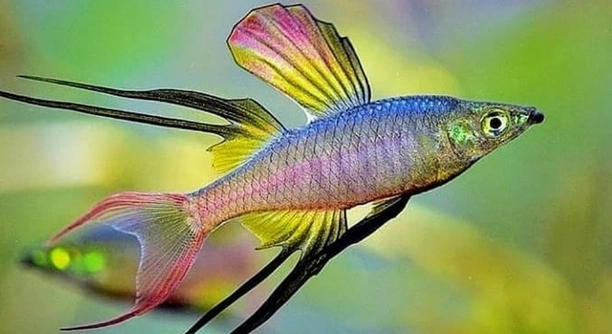
Threadfin Rainbowfish are small, vibrant fish that capture the attention of many aquarium enthusiasts. Their shimmering scales and active swimming patterns make them a lively addition to any tank, creating a dynamic and visually appealing environment for observers.
Threadfin Rainbowfish primarily rely on naturally occurring microorganisms within their habitat for nutrition. While they may occasionally ingest other small particles, their feeding behavior is largely guided by the availability of plankton and microalgae rather than active hunting.
Observing their interactions with waterborne microorganisms reveals subtle behaviors that highlight their feeding patterns. These insights provide a clearer understanding of their dietary habits and overall ecological role.
Feeding Behavior of Threadfin Rainbowfish
Threadfin Rainbowfish feed primarily on microorganisms such as plankton, algae, and tiny invertebrates. They move constantly through the water, filtering small particles from the surface and midwater layers. Their slender bodies allow them to navigate easily around plants and decorations, helping them access areas rich in food. They are opportunistic feeders, meaning they eat whatever suitable organisms are present in their environment. In a well-maintained aquarium, these fish can thrive on a mixture of live, frozen, and high-quality flake foods that mimic their natural diet. Observing them feed is subtle but fascinating; they often dart quickly to capture individual microorganisms while gliding steadily in search of more. Feeding frequency and the variety of available food directly impact their growth, coloration, and overall health. Overfeeding can lead to poor water quality, which in turn affects their ability to feed efficiently. Providing a balanced diet ensures they maintain their active behavior and vibrant appearance.
Their feeding style relies on small, consistent bites throughout the day rather than large meals.
Careful observation shows they adapt quickly to available food types, adjusting their swimming patterns to maximize intake without wasting energy.
Environmental Factors Influencing Feeding
Water quality and temperature play a significant role in how Threadfin Rainbowfish feed. Poor water conditions can reduce microorganism populations and make feeding less efficient.
A stable environment encourages active foraging and healthier fish. Maintaining clean water, proper pH, and consistent temperature ensures microorganisms flourish, which supports natural feeding behaviors. Aquatic plants and gentle currents mimic their native habitat, providing areas for microorganisms to gather. Light intensity also affects microorganism growth, indirectly influencing how often and how efficiently the fish can feed. Observing their feeding under different conditions can reveal preferences for certain areas of the tank and highlight subtle social behaviors, such as following others to food-rich zones. Seasonal variations in temperature and light can shift microorganism availability, prompting the fish to adjust swimming patterns and feeding times. Ensuring the tank environment aligns closely with natural conditions promotes better feeding efficiency, overall health, and a longer lifespan for these vibrant fish.
Diet Preferences
Threadfin Rainbowfish show a clear preference for live microorganisms over prepared foods. They are particularly drawn to plankton and small algae, often ignoring larger particles that do not resemble their natural diet.
While they can adapt to flake or frozen foods, live microorganisms stimulate natural feeding instincts and promote healthier growth. They often nibble continuously throughout the day, ensuring a steady intake of nutrients. In a mixed diet, combining live and high-quality prepared foods helps maintain their energy levels and vibrant coloration. Feeding behavior is influenced by both the size and movement of food particles, with smaller, motile microorganisms triggering more active hunting responses. Regular observation allows you to adjust the diet to match their preferences, ensuring they remain active, healthy, and visually striking in the tank.
They often spend time exploring the tank’s corners and plants to find hidden microorganisms. This behavior highlights their natural foraging instincts and need for an enriched environment.
Social Feeding Behavior
Threadfin Rainbowfish feed more efficiently in groups, often following each other to areas rich in microorganisms. This collective behavior increases their chances of capturing food quickly and reduces wasted energy.
Social feeding also helps establish minor hierarchies, with more dominant individuals taking prime positions near abundant food sources. Less dominant fish often adapt by learning movement patterns of others, following them to nutrient-rich spots. This interaction encourages more consistent feeding among the group and reduces competition stress. Group feeding can also enhance their activity levels, keeping them agile and alert. In a home aquarium, maintaining small groups allows these social behaviors to manifest naturally, promoting mental stimulation and a balanced environment where all fish have equal access to food resources.
Feeding Frequency
Threadfin Rainbowfish feed multiple times a day, taking small bites rather than large meals. Frequent feeding aligns with their natural grazing habits and ensures they get enough nutrients without overloading their digestive system.
Consistent feeding helps maintain energy levels and vibrant coloration. Irregular schedules can cause stress, reduce activity, and impact overall health, so steady routines are essential.
Impact of Tank Setup
Tank layout directly affects feeding efficiency. Plants, rocks, and gentle currents create zones where microorganisms gather, making it easier for the fish to find food. Dense vegetation provides shelter and encourages exploration, which naturally stimulates feeding behaviors. Proper lighting also supports microorganism growth, indirectly boosting food availability for the fish.
Adapting to Alternative Foods
Threadfin Rainbowfish can gradually accept frozen or flake foods when live microorganisms are limited. Transitioning slowly allows them to recognize new food as safe, maintaining nutritional balance.
Observing Feeding Patterns
Regular observation reveals subtle preferences, such as favored areas or times of day for feeding. Tracking these patterns helps optimize diet and tank conditions.
FAQ
How do Threadfin Rainbowfish find microorganisms in the tank?
They rely on movement and visual cues to locate microorganisms. Constantly swimming, they detect small particles drifting in the water. Plants and gentle currents concentrate microorganisms, creating natural feeding zones. Observing their behavior, you can see them dart quickly to capture tiny prey while maintaining steady motion through open areas.
Can they survive on prepared foods alone?
Threadfin Rainbowfish can survive on high-quality flake or frozen foods, but their health and coloration are best supported with live microorganisms. Prepared foods mimic their natural diet, but feeding exclusively on them may reduce their natural foraging behavior and overall vitality. Combining both ensures balanced nutrition.
How often should they be fed?
Frequent, small feedings are ideal. They naturally graze throughout the day, so providing several small portions instead of one or two large meals maintains steady energy and prevents overfeeding. Observing their activity can help adjust the timing and portion size.
Do they compete aggressively for food?
Competition exists, especially in smaller tanks. Dominant fish may claim prime feeding spots, while others follow or wait for food to move. Ensuring enough space and multiple feeding areas reduces stress and promotes fair access for all fish in the group.
What tank conditions help with feeding efficiency?
Clean water, stable temperature, and proper pH are crucial. Plants and gentle currents concentrate microorganisms, while moderate lighting encourages their growth. A well-maintained environment ensures the fish have constant access to food, reducing stress and promoting natural foraging behaviors.
Can they adapt to seasonal changes in microorganism availability?
Yes, Threadfin Rainbowfish adjust their swimming patterns and feeding times when food is less abundant. They may explore new areas or increase movement to locate microorganisms. Offering supplemental live or frozen food during these periods helps maintain nutrition and energy levels.
How do social behaviors affect feeding?
Group dynamics influence how efficiently they feed. Fish follow others to nutrient-rich spots, reducing wasted energy. Minor hierarchies develop, with dominant individuals taking the best positions, but this also teaches less dominant fish to follow patterns and find hidden microorganisms.
What are signs of poor feeding habits?
Signs include reduced activity, faded coloration, or constantly hiding. These may indicate insufficient food, poor water quality, or stress from overcrowding. Regular monitoring of behavior and tank conditions helps address issues before they affect health.
Can they eat other small organisms besides microorganisms?
Occasionally, they consume tiny invertebrates, but microorganisms remain the primary food source. Providing a balanced mix of live, frozen, or flake foods ensures they receive the nutrients needed without relying solely on unpredictable tank inhabitants.
How can feeding be optimized in home aquariums?
Multiple feeding zones, small portions throughout the day, and a mix of live and prepared foods optimize feeding. Observing patterns and adapting tank conditions, such as plants and lighting, supports microorganism growth and encourages natural foraging, keeping the fish active and healthy.
Do they require different foods at different life stages?
Juveniles benefit from smaller, more frequent feedings with high protein content, while adults thrive on a varied diet of microorganisms and prepared foods. Adjusting portion sizes and types of food ensures steady growth and vibrant coloration throughout their lifespan.
Are there any supplements that help with feeding?
Occasional vitamin-enriched flakes or frozen foods can support health, especially if live microorganisms are limited. Supplements should complement, not replace, natural feeding behavior. Balancing nutrition ensures optimal growth, energy, and color vibrancy.
How does observation improve feeding practices?
Watching their interactions and preferences helps tailor feeding schedules, portion sizes, and tank setups. Recognizing favored spots, times, or types of food allows you to provide an environment that supports natural behavior, ensuring healthier and more active fish.
What is the best way to introduce new foods?
Introduce gradually, mixing small amounts with familiar foods. This prevents stress and encourages recognition of new items as safe. Gradual adaptation maintains nutrition, supports natural foraging instincts, and prevents sudden dietary disruptions that could affect health.
How important is water flow for feeding?
Gentle water flow helps distribute microorganisms and keeps them suspended, making it easier for fish to locate food. Strong currents can hinder feeding, while stagnant water may reduce microorganism movement. Balanced flow encourages natural behavior and efficient nutrient intake.
Do they ever overeat?
Overeating is rare if portions are controlled, but excess flake or frozen foods can lead to bloating and poor water quality. Small, frequent feedings reduce waste and maintain optimal health. Observation ensures they consume what they need without overindulging.
How long can they go without food?
They can tolerate short periods without food, but prolonged fasting can stress them and reduce energy levels. Microorganisms in a well-established tank may sustain them briefly, but regular feeding is necessary for long-term health and activity.
What are common mistakes in feeding Threadfin Rainbowfish?
Overfeeding, underestimating tank space, or neglecting water quality are frequent issues. Ignoring social dynamics or relying solely on prepared foods can also impact growth and coloration. Observing behavior and adjusting diet and tank conditions prevents these problems.
Do lighting conditions affect feeding?
Yes, moderate lighting promotes microorganism growth, increasing food availability. Too little light reduces their numbers, while excessive light may stress fish. Balanced lighting supports both the fish and the microorganisms they rely on.
How can tank decorations improve feeding behavior?
Plants, rocks, and driftwood create areas where microorganisms accumulate, encouraging exploration. This stimulates natural foraging instincts, keeps fish active, and helps distribute feeding evenly across the tank. Dense plants also provide shelter, reducing stress during group feeding sessions.
Are some microorganisms better than others for their diet?
Live plankton and microalgae are preferred for optimal nutrition and activity. Tiny invertebrates supplement their diet, but variety is key. A mix of organisms ensures a balanced intake of proteins, fats, and micronutrients essential for growth and coloration.
Can feeding habits indicate overall health?
Yes, active and consistent feeding reflects good health, while lethargy or selective eating may signal illness, poor water quality, or stress. Monitoring behavior provides insight into tank conditions and the fish’s well-being, allowing timely interventions when needed.
Do juveniles feed differently from adults?
Juveniles are more persistent grazers, often feeding constantly to support growth. Adults may focus on nutrient-rich zones and consume larger particles more efficiently. Adjusting food size and frequency for each stage promotes healthy development and vibrant coloration.
How do you prevent food waste?
Providing small portions, multiple feeding spots, and observing consumption prevents excess. Removing uneaten food quickly maintains water quality and reduces the risk of bacterial growth, ensuring the fish have a healthy, clean environment to feed in.
Can feeding schedules affect social behavior?
Yes, predictable feeding times can reduce aggression and stress. Fish learn where and when food appears, creating harmony in groups and allowing all individuals to access resources fairly. Random or inconsistent feeding may trigger competition and disrupt social balance.
Do they forage differently in planted versus bare tanks?
In planted tanks, fish explore vegetation to find microorganisms, encouraging natural behavior. Bare tanks offer fewer hiding spots, causing more open swimming and less focused foraging. Plants enhance feeding efficiency, mental stimulation, and the overall health of the group.
How important is water temperature for feeding activity?
Optimal temperatures increase metabolism, encouraging active foraging. Too low or high temperatures reduce appetite, slow swimming, and limit feeding efficiency. Stable temperature supports microorganism growth and ensures fish maintain consistent nutrition and energy levels.
Can stress affect feeding behavior?
Yes, stress from overcrowding, sudden changes, or poor water quality can reduce appetite. Fish may hide, eat less, or show erratic behavior. Minimizing stress through stable conditions and proper tank management ensures consistent feeding and health.
How do you know if they are getting enough nutrients?
Healthy coloration, steady growth, and active swimming indicate sufficient nutrition. Observing feces, behavior, and interactions also helps determine if diet adjustments are needed. A balanced mix of live and prepared foods supports their dietary requirements.
Are feeding patterns different between males and females?
Males may display more active or dominant feeding behaviors, particularly in groups. Females often follow or forage in quieter areas. Understanding these differences ensures equitable food distribution and reduces stress, supporting overall health.
Can microorganisms survive without constant feeding?
Many microorganisms reproduce naturally in a well-established tank, sustaining themselves even if fish feeding is temporarily paused. This provides a continuous food source, but supplemental feedings ensure consistent nutrition for the fish.
How do you introduce juveniles to live foods?
Start with small, easily captured microorganisms, gradually increasing size and variety. Frequent feedings and gentle introduction help them recognize and consume live food efficiently, promoting growth and natural foraging behavior.
Does tank size influence feeding efficiency?
Larger tanks reduce competition and allow more natural foraging patterns. Smaller tanks concentrate fish and microorganisms, potentially causing stress and unequal access to food. Adequate space ensures all individuals can feed effectively.
What is the role of microalgae in their diet?
Microalgae provide essential nutrients and support digestion. It also supplements proteins and vitamins, enhancing coloration and energy levels. Including it in a varied diet ensures balanced nutrition and mimics their natural feeding habits.
How do you monitor feeding success in a group?
Watch interactions, consumption rates, and activity levels. Ensure all fish access food and adjust portions or placement as needed. Observing patterns helps maintain balanced nutrition and reduces stress from competition.
Can sudden changes in food type cause problems?
Yes, abrupt changes may cause refusal to eat, digestive upset, or stress. Gradual transitions allow adaptation while maintaining nutrient intake and supporting natural foraging behaviors.
How does water clarity affect feeding?
Clear water helps fish detect microorganisms visually, enhancing efficiency. Murky water can reduce visibility, causing slower feeding and increased stress. Regular maintenance maintains optimal conditions for effective foraging.
Do they store energy from food?
They metabolize food continuously rather than storing large amounts. Frequent small feedings provide steady energy, supporting constant activity and natural swimming patterns. Overfeeding can disrupt this balance, leading to bloating or poor water quality.
How can feeding routines improve tank harmony?
Consistent routines reduce aggression and competition. Fish anticipate feeding times and locations, allowing even less dominant individuals to access food. Predictable schedules support social balance and promote active, healthy behavior.
Are live foods better for growth than prepared foods?
Live foods generally enhance growth and coloration due to higher nutrient content and stimulation of natural hunting behaviors. Prepared foods provide convenience and supplementation but work best alongside live options for optimal development.
Do feeding patterns change as the tank matures?
Yes, as microorganisms establish and populations stabilize, fish may adjust foraging areas and activity. Observing these shifts allows better tank management and ensures continuous access to adequate nutrition.
How long should feeding sessions last?
Short, frequent sessions of a few minutes each prevent overfeeding and maintain water quality. Continuous grazing throughout the day mimics natural behavior and supports energy levels.
Can you track individual fish feeding?
In small groups, observation of each fish can identify preferences, health issues, or social dynamics. Tracking helps optimize portioning and ensures all individuals get adequate nutrition without excessive waste.
How do seasonal changes in light affect feeding?
Light affects microorganism growth, which indirectly impacts food availability. Longer periods of light increase microorganism populations, while reduced light slows growth. Adjusting feeding or supplementation maintains consistent nutrition during seasonal shifts.
What signs indicate they prefer certain microorganisms?
Fish often linger or swim repeatedly in areas with abundant preferred microorganisms. Quick darting to specific particles, consistent returns to certain zones, and ignoring other food sources all indicate preference.
Are live and frozen foods equally effective?
Live foods stimulate natural hunting behaviors and often provide higher nutrient levels. Frozen foods are convenient and maintain nutritional value, but may not fully engage foraging instincts. Combining both ensures optimal diet and activity.
Can feeding frequency affect color vibrancy?
Yes, consistent access to nutrient-rich foods enhances coloration. Irregular or insufficient feeding can dull colors and reduce energy. Balanced, frequent meals maintain both health and visual appeal.
Is it necessary to rotate food types?
Rotating food prevents dietary deficiencies, encourages natural foraging behavior, and maintains interest. Mixing live microorganisms, frozen items, and prepared flakes ensures a varied diet that meets all nutritional needs.
How important is observation during feeding?
Observation helps identify health issues, social dynamics, and feeding efficiency. Watching behavior ensures all fish get access to food and allows adjustments in portions or tank setup to optimize feeding success.
Can feeding schedules reduce aggression in mixed tanks?
Yes, predictable feeding times and multiple feeding areas reduce competition. Fish anticipate food and distribute themselves more evenly, lowering stress and maintaining group harmony.
Do microorganisms need supplementation for optimal nutrition?
In most established tanks, microorganisms reproduce sufficiently, but occasional supplementation with live or prepared foods ensures consistent nutrition and supports the fish’s natural diet.
How do you prevent overfeeding in a group setting?
Divide portions into multiple small feedings, provide several feeding areas, and remove uneaten food promptly. This ensures all fish have access without compromising water quality or health.
Can feeding habits indicate tank imbalances?
Changes in appetite, social behavior, or foraging patterns may signal water quality issues, overcrowding, or disease. Regular observation allows early detection and timely adjustments to maintain a healthy environment.
Do different tank decorations influence feeding patterns?
Yes, plants and structures create areas where microorganisms collect, encouraging natural exploration. Dense areas stimulate foraging instincts, while open spaces allow free swimming and reduce competition stress.
Can juveniles learn from adults during feeding?
Yes, juveniles often follow adults to nutrient-rich areas, learning patterns and efficient foraging behaviors. Social learning supports growth and adaptation in group settings.
Are there risks with live food sources?
Poorly sourced live food can introduce parasites or contaminants. Ensuring clean, reputable sources prevents illness and supports healthy feeding behavior.
Does feeding time affect tank activity?
Feeding stimulates activity, with fish becoming more alert and active during sessions. Consistent schedules create predictable behavior, reducing stress and supporting social balance.
How do you know when to adjust feeding portions?
Observe consumption, growth, and activity levels. Uneaten food, slow growth, or changes in behavior indicate the need to increase or decrease portions for optimal nutrition.
Can feeding routines improve longevity?
Yes, balanced, consistent feeding supports health, growth, and vitality, contributing to longer lifespans. Proper routines reduce stress, prevent malnutrition, and encourage natural behavior patterns.
How do you maintain a balance between live and prepared foods?
Provide a mix based on availability, nutritional value, and observed preferences. Live foods stimulate natural behavior, while prepared foods ensure dietary consistency. Adjust quantities as needed to maintain overall health and active foraging habits.
Can feeding practices impact reproduction?
Yes, proper nutrition and regular feeding support reproductive health. Adequate protein and nutrient intake enhance breeding success and ensure the development of healthy offspring.
Are feeding patterns affected by tank lighting cycles?
Yes, light influences microorganism growth and fish activity. Consistent lighting supports regular feeding behavior, while abrupt changes can disrupt patterns and reduce food intake.
How do you safely introduce new microorganisms?
Start with small quantities in controlled areas, monitoring fish responses. Gradual introduction reduces stress and allows fish to recognize new items as safe, supporting consistent feeding habits.
Can feeding routines prevent obesity in captivity?
Yes, portion control and frequent small feedings reduce the risk of overeating. Observing consumption ensures fish maintain healthy weight and avoid bloating.
Do they show preferences for moving versus stationary microorganisms?
Yes, movement attracts attention, triggering active foraging. Stationary particles are often ignored unless they resemble natural prey in size and shape. This behavior reflects their instinctive hunting strategies.
Are there seasonal adjustments needed for feeding?
Light, temperature, and microorganism populations fluctuate seasonally. Adjusting portion sizes, frequency, and supplementation ensures fish maintain nutrition and energy throughout the year.
Can feeding influence aggression during breeding periods?
Yes, well-fed fish are less likely to show extreme aggression. Consistent, adequate nutrition helps maintain social balance and reduces stress during sensitive breeding periods.
How do you monitor individual nutrition in larger groups?
Observation of behavior, size, and coloration helps assess individual intake. Strategic feeding areas and occasional isolated feedings ensure all fish receive sufficient nutrients.
Is it necessary to provide food at the surface, midwater, and bottom?
Yes, distributing food across levels accommodates natural swimming patterns and ensures equal access. Microorganisms may be concentrated differently, so providing multiple feeding zones supports efficient foraging.
How do you handle picky feeders?
Mix preferred live foods with small amounts of prepared foods. Gradually increase variety to encourage consumption while monitoring health and behavior to ensure proper nutrition.
Does feeding behavior change in stressful conditions?
Stress reduces appetite and activity, leading to selective feeding or hiding. Stabilizing tank conditions and maintaining consistent routines helps restore normal behavior and efficient feeding.
Can overfeeding affect water quality and microorganism populations?
Yes, excess food decays, increasing ammonia and reducing water quality. Poor conditions can harm both fish and microorganisms. Controlled feeding maintains balance, supporting healthy ecosystems in the tank.
Are live foods more stimulating than prepared foods?
Yes, live microorganisms trigger natural hunting instincts, keeping fish active and engaged. Prepared foods are less stimulating but essential for consistent nutrition when live food availability fluctuates.
How do you track the effectiveness of feeding routines?
Observe growth, activity, coloration, and behavior. Uneaten food, stress, or uneven feeding indicates adjustments are needed. Regular monitoring ensures all fish receive proper nutrition.
Do feeding habits indicate tank stability?
Consistent feeding behavior reflects a stable, healthy environment. Sudden changes can signal water quality issues, overcrowding, or stress. Monitoring patterns helps maintain optimal conditions.
Can feeding schedules influence water circulation patterns?
Yes, active foraging can increase localized water movement, aiding oxygen distribution and microorganism dispersal. Predictable feeding encourages natural circulation patterns within the tank.
How important is variety in a Threadfin Rainbowfish diet?
Variety ensures all essential nutrients are provided, supports natural behaviors, and prevents boredom. A mix of live microorganisms, frozen, and prepared foods promotes health and vibrant coloration.
Do they prefer certain microorganisms at specific times of day?
Yes, early morning and late afternoon often show higher activity, corresponding with natural peaks in microorganism availability. Adjusting feeding schedules to match these times can optimize intake.
Can social hierarchies impact feeding success?
Dominant fish may claim the best spots, while others follow or wait. Understanding group dynamics ensures all fish receive adequate nutrition without excessive competition.
Are feeding behaviors predictable?
Generally, yes. Fish develop routines based on light cycles, food availability, and social interactions. Observing these patterns allows optimization of diet and tank conditions.
Final Thoughts
Threadfin Rainbowfish are fascinating fish to observe, especially when it comes to their feeding habits. They rely primarily on microorganisms, moving steadily through the water to capture small particles. Their constant motion reflects their natural grazing instincts, which are essential for maintaining health and energy. In aquariums, replicating this natural environment is important. Plants, rocks, and gentle water flow create areas where microorganisms gather, allowing the fish to feed efficiently while also encouraging exploration. Proper lighting supports the growth of these microorganisms, further enhancing feeding opportunities. Understanding their behavior helps ensure they thrive, maintain vibrant coloration, and remain active in their tank environment. Observing their movements closely allows insight into which areas of the tank they prefer and which types of microorganisms they target most, which can guide feeding practices effectively.
Feeding Threadfin Rainbowfish requires consistency and attention to detail. They graze multiple times a day, taking small bites rather than consuming large meals. This pattern reflects their natural habits in the wild and supports steady energy levels. Offering a combination of live microorganisms and high-quality prepared foods ensures they receive a balanced diet. Live foods stimulate natural foraging behavior, while prepared foods provide consistent nutrition. Overfeeding can reduce water quality and stress the fish, so portion control is essential. Social dynamics also influence feeding, as dominant individuals may claim prime spots while others follow. Observing these behaviors allows you to adjust feeding practices, such as creating multiple feeding areas and dividing portions, to ensure all fish have access to adequate nutrition. Careful attention to these details promotes both health and harmony within the tank.
Maintaining the right tank environment is equally important as diet for Threadfin Rainbowfish. Stable temperature, clean water, and proper pH create optimal conditions for both the fish and the microorganisms they consume. Stressful conditions, overcrowding, or sudden changes in the tank can reduce appetite and disrupt feeding patterns. Juveniles and adults may have slightly different needs, with younger fish requiring more frequent feedings to support growth. Monitoring behavior, coloration, and activity levels provides insight into their overall health and whether dietary or environmental adjustments are needed. By combining thoughtful feeding practices with a well-maintained environment, these fish can display natural behaviors, remain active, and continue to thrive. Understanding their feeding habits offers a clearer picture of their needs and promotes a balanced, healthy life for Threadfin Rainbowfish in any aquarium setting.

Hello,
If you enjoy the content that we create, please consider saying a "Thank You!" by leaving a tip.
Every little bit helps us continue crafting quality advice that supports the health, happiness, and well-being of pets around the world, for pets of all shapes, sizes, and species.
We really appreciate the kindness and support that you show us!