
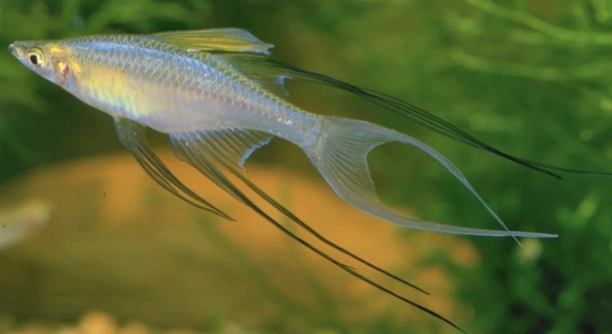
Threadfins are lively fish that enjoy exploring their environment. Adding small features to their tank can make a noticeable difference in their activity levels and overall happiness. Tiny adjustments often lead to better engagement.
Introducing small plants, hiding spots, gentle water currents, and varied textures can significantly improve threadfin activity. These additions encourage natural behaviors, stimulate movement, and provide a sense of security, ultimately supporting healthier, more active fish in a confined environment.
Even minor changes can have a meaningful effect on your tank. Small enhancements can transform the daily routine and interactions of your threadfins.
Floating Plants for Exploration
Floating plants create shaded areas that threadfins love to swim under and around. They provide gentle cover while still allowing light to filter through, which encourages natural exploration. Over time, these plants help fish feel secure while remaining active. Choosing lightweight, fast-growing plants keeps the tank balanced and clean.
They also help reduce stress by breaking up open spaces. Threadfins move more confidently when they have plants to navigate around.
Adding floating plants can improve oxygen levels slightly while giving fish multiple layers to explore. I like to use species that drift easily and don’t require heavy maintenance. This lets threadfins dart in and out naturally. The movement of the plants adds dynamic activity, encouraging swimming and interaction with the environment. Over time, these small additions make a noticeable difference in how lively and engaged the fish are. The shaded areas provide retreat zones, which is important for shy or smaller individuals in the tank. It’s a simple step that enhances both aesthetics and fish behavior.
Gentle Water Currents
Gentle water currents mimic natural river or stream flows.
Installing a low-flow filter or air stone can create soft movement. Threadfins respond positively to the currents, swimming against and alongside them. This stimulates exercise without causing stress. Overly strong currents should be avoided to prevent exhaustion or injury.
Currents help distribute nutrients and oxygen evenly, supporting plant growth and fish health. They encourage fish to explore more actively, using the entire tank space rather than staying in one area. I prefer adjustable filters to control flow and monitor how threadfins react. Currents also improve the cleanliness of the tank by moving debris toward collection points. Observing the fish interacting with gentle currents is satisfying, as it shows increased activity and engagement. Over time, threadfins develop stronger muscles and better swimming coordination. This small change provides both physical and mental stimulation, enhancing overall tank harmony. Properly placed currents can also create playful ripples and patterns, giving the tank a natural and dynamic feel.
Smooth Rocks and Pebbles
Smooth rocks and pebbles create natural resting spots and areas to explore. Threadfins enjoy swimming over varied surfaces, which adds texture to the tank and encourages activity. Avoid sharp edges to prevent injuries.
I like to arrange rocks in small clusters, leaving open swimming paths. This allows fish to move freely while exploring different textures. Rocks also provide visual interest and natural hiding spots for shy threadfins. Using varying sizes keeps the tank dynamic and makes the environment feel more natural. Over time, the fish start to interact with these areas consistently, resting, circling, and darting around them. Smooth surfaces prevent damage to fins and scales, and they also help beneficial bacteria colonize, which improves water quality. Creating small caves or tunnels can make a noticeable difference in activity levels and encourages social behavior among tank mates.
Rocks are easy to clean and reposition, making them a flexible tool for maintaining an engaging habitat. Watching threadfins use the spaces differently each day adds variety to their routine, keeping the tank lively.
Small Floating Toys
Small floating toys catch the attention of threadfins and inspire playful movements. Simple objects like ping-pong balls or lightweight rings can encourage chasing and exploration.
I usually rotate toys weekly to maintain interest. Floating items stimulate natural hunting and chasing instincts, especially in younger threadfins. They also provide visual enrichment that prevents boredom and encourages constant movement. Watching the fish interact with floating toys highlights their personalities and energy levels. It’s interesting to see which fish prefer certain objects, as some will patrol a floating toy while others observe from a distance. Over time, toys can create structured activity zones where threadfins repeatedly engage. This small addition brings measurable changes in behavior and helps maintain a healthier, more active environment. Rotating and changing toys keeps interactions fresh and prevents the fish from losing interest, maintaining consistent stimulation.
Small Driftwood Pieces
Driftwood provides natural hiding spots and surfaces for exploration. Threadfins enjoy swimming around and under the wood, which adds depth and texture to the tank. Choose smooth, untreated pieces to prevent water contamination.
Driftwood also supports beneficial bacteria growth, improving overall tank health. It creates small nooks that make shy fish feel safer and encourages movement throughout the tank.
Leaf Litter
Adding leaf litter mimics natural environments and gives threadfins areas to forage. Leaves release gentle tannins that slightly soften water, creating a more comfortable habitat. It also provides visual barriers that encourage exploration and natural behaviors, promoting active swimming around the tank.
Mini Cave Structures
Mini caves give threadfins secluded spots to rest and feel secure. These small shelters encourage movement as fish swim in and out, exploring different areas. The caves also provide social zones where multiple fish can interact safely.
Floating Moss Balls
Floating moss balls add texture and interest to the water surface. Threadfins nibble and swim around them, keeping daily activity levels higher while enhancing tank aesthetics.
FAQ
What types of plants work best for threadfins?
Threadfins respond well to lightweight, floating plants like duckweed, hornwort, or water lettuce. These plants provide shaded areas for exploration and natural cover without overcrowding the tank. Fast-growing species are ideal because they maintain water quality and keep the tank dynamic without heavy maintenance.
How often should I rotate floating toys?
Rotating toys weekly keeps threadfins interested and prevents boredom. Introducing new objects or rearranging existing ones stimulates natural hunting and chasing behaviors. Some threadfins prefer specific toys, so rotation allows all fish to explore different items and maintain consistent activity levels over time.
Can driftwood affect water quality?
Yes, untreated driftwood may release tannins that slightly color the water and lower pH. This is generally harmless and can mimic natural habitats, but it’s important to soak driftwood before placing it in the tank. Smooth, properly prepared pieces prevent damage to fish and support beneficial bacterial growth.
Are mini caves necessary in a small tank?
Mini caves are helpful even in smaller setups because they provide safe hiding spots. Threadfins use these spaces to rest and feel secure. Multiple small caves are better than one large one, as they reduce territorial disputes and encourage more active exploration throughout the tank.
Do rocks need special cleaning before adding them?
Yes, rinse rocks thoroughly with warm water and scrub off any dirt or debris. Avoid soaps or chemicals, as these can harm threadfins. Smooth rocks prevent fin damage and also allow beneficial bacteria to colonize, supporting a healthier tank environment.
How strong should water currents be?
Gentle currents are best. Low-flow filters or air stones provide movement without stressing threadfins. Strong currents can exhaust fish and discourage natural exploration. Adjustable flow options are useful for monitoring fish behavior and ensuring currents remain stimulating but not overwhelming.
Is leaf litter safe for all threadfins?
Leaf litter is safe if natural, untreated leaves are used, such as Indian almond or oak leaves. They provide cover, encourage foraging, and release mild tannins that soften water. Remove decaying leaves regularly to prevent water quality issues.
Can floating moss balls replace other decorations?
Moss balls add texture and interest but should complement, not replace, other features. They stimulate swimming and nibbling behaviors but don’t provide hiding spaces or structure like driftwood or caves. Combining moss balls with rocks, plants, and mini caves creates a well-rounded, active environment.
How do I know if threadfins are benefiting from these additions?
You’ll notice increased swimming, chasing, and interaction with the environment. Fish will explore different areas, use hiding spots, and engage with toys. Reduced stress signs, like fewer hiding behaviors and brighter coloration, indicate the tank additions are improving activity and overall wellbeing.
Are these tank additions expensive or high maintenance?
Most are affordable and low maintenance. Floating plants, moss balls, small rocks, and leaf litter are inexpensive and easy to manage. Weekly rotation of toys and occasional cleaning of driftwood or rocks is sufficient. Simple, small enhancements can significantly improve activity without high cost or effort.
How do I prevent over-cluttering the tank?
Balance is key. Leave open swimming areas while strategically placing plants, rocks, and caves. Overcrowding can stress threadfins and reduce activity. Introducing one or two new features at a time allows observation of how fish respond before adding more.
Can these additions improve breeding behavior?
Yes, providing hiding spots, plants, and textured surfaces can encourage natural behaviors, including spawning. Secure areas and shaded zones make threadfins more comfortable, increasing the likelihood of successful breeding. However, maintaining clean water and proper nutrition remains essential.
Are there any risks to using floating toys or decorations?
Small floating toys should be lightweight and non-toxic to prevent injury. Avoid sharp edges or easily breakable items. Monitor fish interaction with new objects to ensure no entanglement or damage occurs. Properly chosen decorations enhance activity safely.
How long does it take to see changes in activity?
Changes are often noticeable within a few days. Fish may start exploring new areas, swimming around decorations, and engaging with toys. Over a few weeks, increased overall activity, better coordination, and social interaction become more evident, showing the benefits of simple tank enhancements.
Threadfins are naturally active fish, and small adjustments in their tank can have a noticeable impact on their behavior. Adding elements like floating plants, smooth rocks, and mini caves gives them a more stimulating environment to explore. Even simple features such as moss balls or gentle water currents can encourage movement and engagement. Over time, these tiny additions create a more dynamic and enjoyable space, where fish feel secure and motivated to swim around. I have noticed that when threadfins have multiple points of interest, they move more consistently throughout the day, using different areas of the tank instead of staying in one spot. It’s a subtle change, but the improvement in their activity levels is clear, and it makes observing them much more rewarding.
Maintaining a balance in the tank is important. Too many decorations or overly strong currents can stress the fish rather than encourage activity. The goal is to provide variety while leaving enough open swimming space. Rotating toys or rearranging rocks occasionally keeps the environment fresh and engaging. Natural materials like driftwood and leaf litter not only add hiding spots and surfaces for exploration but also contribute to water quality by supporting beneficial bacteria. When carefully introduced, these small changes provide both physical and mental stimulation, which supports overall fish health. Watching threadfins interact with these features demonstrates how even minor enhancements can encourage natural behaviors, such as exploring, chasing, and resting in secure areas. By observing how the fish respond, it becomes easier to adjust the tank setup and ensure that the additions are beneficial.
Small enhancements don’t need to be expensive or complicated to be effective. Floating plants, smooth rocks, mini caves, and small toys are affordable and easy to manage. Regular maintenance, such as rinsing rocks, rotating toys, and monitoring water conditions, is all that is required to keep the environment safe and stimulating. Over time, the improvements in fish behavior are noticeable, with more frequent movement, engagement with decorations, and a more balanced interaction between tank mates. These tiny changes can transform a simple tank into an enriched habitat where threadfins thrive. Observing their increased activity and curiosity provides a clear reminder that small, thoughtful additions can make a big difference in keeping fish healthy, happy, and active in their aquatic home.

Hello,
If you enjoy the content that we create, please consider saying a "Thank You!" by leaving a tip.
Every little bit helps us continue crafting quality advice that supports the health, happiness, and well-being of pets around the world, for pets of all shapes, sizes, and species.
We really appreciate the kindness and support that you show us!