
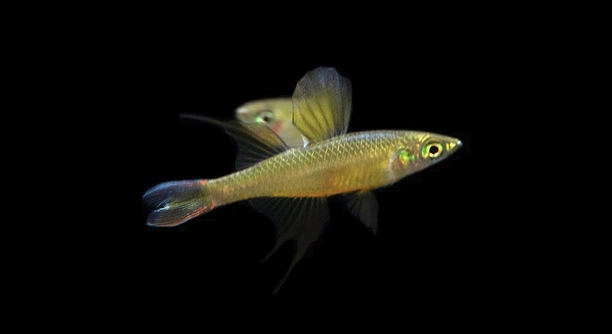
Do your Threadfin Rainbowfish seem a bit restless when the sky turns gray and the rain begins? Many aquarists notice subtle changes in their behavior, even during mild rainfall or shifts in weather patterns. Observing these patterns can be both fascinating and insightful.
Threadfin Rainbowfish exhibit noticeable behavioral changes during rainy weather. Increased activity, schooling behavior, and heightened feeding responses are commonly observed, likely driven by environmental cues such as water temperature, barometric pressure, and light variations associated with rainfall.
Understanding these responses can help you provide a more suitable environment and care routine for your rainbowfish in all weather conditions. It sheds light on their natural instincts and needs.
How Rain Influences Threadfin Rainbowfish Behavior
Rainy weather brings noticeable changes to Threadfin Rainbowfish in aquariums and natural habitats. These fish often become more active, swimming in tighter schools and exploring corners of the tank they usually ignore. Water conditions, including temperature and oxygen levels, shift slightly during rainfall, triggering their natural instincts. Many aquarists observe increased feeding behavior during or shortly after rain, suggesting that the fish sense changes in their environment that signal food availability. Light levels also drop during cloudy or rainy days, causing rainbowfish to adjust their swimming patterns and positions in the tank. Some may stay closer to the surface while others explore shaded areas. Even subtle vibrations from raindrops on the water’s surface can catch their attention, adding to their heightened alertness. These behavioral adaptations are not random but are consistent with survival strategies seen in their natural habitats, allowing them to respond to environmental changes efficiently and safely.
Observing these changes carefully can help improve tank management and ensure your fish remain healthy. Tracking behavior can reveal subtle environmental needs and preferences.
Providing a stable environment that mimics natural conditions is essential. While rain induces temporary changes, consistent care regarding water quality, diet, and space ensures that your Threadfin Rainbowfish thrive. Adjusting tank conditions slightly during rainy weather, such as maintaining steady oxygen levels and monitoring temperature, can reduce stress. Additionally, arranging plants or hiding spots can give fish areas to explore and retreat, mimicking natural shelter. Over time, recognizing behavioral patterns during rainy periods allows you to anticipate their needs. Feeding schedules may be adjusted, and observation of social interactions can prevent aggression. Even small changes, like light adjustment, can support their natural rhythms. With careful attention, you can create an environment that allows these rainbowfish to display natural behavior safely. Ultimately, understanding their response to weather changes strengthens your ability to provide optimal care and maintain a balanced, thriving aquarium.
Tips for Monitoring Behavior
Regular observation helps detect stress or abnormal activity. Watching swimming patterns, feeding, and social interactions can provide valuable insight.
Keeping notes on behavior during different weather conditions allows you to identify trends. Documenting their responses to rain helps in adjusting care routines effectively. You may notice that some fish become more territorial, while others increase schooling behavior. Recording water temperature, light levels, and feeding times alongside observed behaviors creates a clear pattern. This information aids in making decisions about tank maintenance, feeding schedules, and environmental adjustments. Additionally, noticing gradual changes can indicate health issues or stress factors that might otherwise go unnoticed. By combining careful observation with consistent care, your Threadfin Rainbowfish will have an environment that supports their natural instincts and promotes well-being.
Feeding Adjustments During Rainy Weather
Threadfin Rainbowfish often eat more during rainy weather, responding to subtle environmental changes. Adjusting feeding amounts slightly can prevent overfeeding while supporting their increased activity and metabolism during these periods. Monitoring behavior ensures their diet matches actual needs.
Rainy conditions can stimulate feeding instincts in Threadfin Rainbowfish due to changes in light, temperature, and water movement. Fish may become more active, exploring the tank and foraging more frequently. Offering smaller, more frequent meals can help accommodate their heightened appetite without risking water quality. Observing how quickly they consume food allows you to adjust portions, ensuring every fish receives adequate nutrition. Overfeeding can lead to waste accumulation and stress, so careful attention is key. Balancing diet and tank conditions during these periods promotes health and stability.
Consistent observation during rainy weather helps recognize which foods are preferred and how feeding patterns shift. Some rainbowfish favor live or frozen options during this time, reflecting natural behavior. Adjusting feeding schedules to match activity peaks maintains energy levels. Even minor changes in food type or timing can reduce stress and encourage natural foraging habits. Watching how the fish interact during feeding also provides insight into social behavior. Proper feeding adjustments help preserve water quality, prevent aggression, and promote overall well-being, ensuring your rainbowfish remain active and healthy.
Environmental Changes That Affect Behavior
Water temperature and oxygen levels shift slightly during rainfall, influencing rainbowfish activity. Maintaining stable tank conditions reduces stress and supports natural behavior.
Rain can slightly lower water temperature and increase dissolved oxygen, prompting Threadfin Rainbowfish to swim more actively or alter schooling patterns. These subtle changes simulate conditions they would encounter in the wild, triggering instinctive responses. Providing adequate aeration and monitoring temperature helps maintain consistency while allowing fish to express natural behaviors. Observing these shifts can guide minor adjustments, such as aeration timing, placement of decorations, or lighting intensity, to create a balanced environment.
Adjusting the tank environment to mimic mild rainy conditions allows rainbowfish to respond naturally without risking health. Minor modifications, like adjusting flow rate or adding temporary floating plants, can create shaded areas and shelter. These changes encourage exploration while reducing stress from sudden environmental shifts. Regular testing of water parameters ensures stability despite external weather fluctuations. Monitoring fish closely during these periods helps identify any signs of discomfort or abnormal activity. By responding proactively, you support their instinctive responses, maintain social harmony, and enhance overall well-being, creating a tank that balances natural behavior with safety and stability.
Social Interaction Changes
Threadfin Rainbowfish may school more closely during rainy weather, showing stronger social cohesion. They often mirror each other’s movements and maintain tighter group formations.
Aggression levels can decrease during these periods, as fish focus on coordination and environmental awareness rather than territorial disputes. Observing these interactions can help manage tank dynamics.
Lighting and Activity Levels
Rainy weather often reduces natural light exposure, affecting rainbowfish activity. They may shift to mid or lower tank areas and adjust swimming speed accordingly. Maintaining consistent artificial lighting helps prevent stress while supporting normal behavior patterns throughout the day.
Behavioral Indicators of Stress
Sudden changes in swimming patterns, loss of appetite, or hiding for extended periods may indicate stress. Monitoring these signs allows timely adjustments to tank conditions and care routines.
FAQ
Do Threadfin Rainbowfish get stressed during heavy rain?
Yes, heavy rain can temporarily stress Threadfin Rainbowfish, especially if it causes rapid changes in water temperature or oxygen levels. Fish may hide more often, swim erratically, or reduce feeding. Maintaining stable tank conditions, such as consistent temperature and proper aeration, helps minimize stress during these periods.
How can I adjust feeding during rainy weather?
During rainy weather, rainbowfish often show increased activity and appetite. It’s best to offer smaller, more frequent meals to match their energy needs without overfeeding. Observing how quickly they consume food and adjusting portions accordingly helps maintain water quality and prevents excess waste.
Do their social behaviors change in the rain?
Threadfin Rainbowfish may school more tightly and coordinate movements closely when sensing rain. Aggression often decreases as fish focus on group cohesion. Observing these patterns allows you to ensure social harmony and prevent potential conflicts within the tank.
Does reduced light affect their activity?
Yes, rain and overcast skies reduce light exposure, which can cause rainbowfish to shift to shaded areas of the tank and adjust swimming patterns. Providing consistent artificial lighting helps maintain their natural rhythms and supports normal activity levels.
Are there signs of long-term stress from rainy weather?
Long-term stress can manifest as prolonged hiding, loss of appetite, faded colors, or lethargy. Monitoring these signs and maintaining stable water conditions, including temperature, oxygenation, and cleanliness, is crucial for the fish’s overall health and well-being.
Should I change water parameters during rainy weather?
Minor adjustments may be needed to maintain stability. Ensuring proper aeration, stable temperature, and adequate filtration prevents sudden environmental shifts. Observing fish behavior in response to subtle water changes can guide necessary tweaks without causing additional stress.
Do Threadfin Rainbowfish feed differently during rain?
Yes, they may become more eager to feed as rainfall simulates natural environmental cues. Offering live or frozen food in smaller, frequent portions encourages natural foraging behavior while keeping water quality balanced.
How can I mimic natural rainy conditions safely?
Creating subtle changes, such as slightly lowering water temperature or increasing aeration, can simulate rainy conditions safely. Adding floating plants or temporary shaded areas gives fish shelter and encourages exploration, allowing them to display natural behaviors without risk.
Is it normal for rainbowfish to swim near the surface during rain?
Yes, some rainbowfish may move closer to the surface where oxygen levels are higher or where light is slightly dimmer. Monitoring their position and behavior ensures this is a temporary adjustment and not a sign of oxygen deficiency.
Can observing their behavior during rain improve care?
Absolutely. Tracking responses to rain helps anticipate feeding needs, social interactions, and environmental adjustments. Regular observation allows for proactive care, ensuring Threadfin Rainbowfish remain healthy, active, and stress-free even during changing weather conditions.
Do these changes affect breeding behavior?
Rainy weather can stimulate breeding instincts in Threadfin Rainbowfish. Increased activity, tighter schooling, and heightened feeding can support reproductive behavior. Providing optimal tank conditions and sufficient hiding spots encourages safe and successful spawning during these periods.
How often should I monitor behavior during rainy weather?
Daily observation is ideal. Keeping a log of swimming patterns, feeding responses, and social interactions helps identify trends, allowing timely interventions to maintain health and prevent stress. Regular monitoring ensures environmental adjustments match the fish’s natural responses.
Can lighting adjustments reduce stress during rain?
Yes, maintaining consistent artificial lighting during overcast or rainy days helps prevent sudden stress from dim natural light. Gradual transitions between light and dark periods support normal circadian rhythms and keep activity levels stable.
Are there signs of overfeeding in rainy conditions?
Yes, uneaten food, cloudy water, and increased waste indicate overfeeding. Feeding smaller, controlled portions helps maintain water quality while supporting the rainbowfish’s heightened activity during rainy periods. Observing consumption patterns ensures proper nutrition without negative effects.
Do Threadfin Rainbowfish respond to vibrations from rain?
Yes, surface vibrations caused by raindrops can alert rainbowfish to environmental changes. They may swim more actively or adjust schooling patterns in response. Providing a calm tank environment ensures these natural responses do not lead to stress or erratic behavior.
Threadfin Rainbowfish are sensitive to environmental changes, and rainy weather highlights this responsiveness. Observing their behavior during rain provides insight into how these fish interact with their surroundings. Many aquarists notice that rainbowfish become more active, swim in tighter schools, and explore areas of the tank they often ignore. These behavioral changes are natural responses to shifts in light, temperature, and oxygen levels. Even subtle vibrations on the water’s surface from raindrops can capture their attention. Understanding these reactions allows you to adjust tank conditions appropriately, supporting their natural instincts while maintaining a healthy environment. By paying attention to these details, you can ensure that your rainbowfish remain comfortable and active regardless of the weather outside.
Feeding habits often change during rainy weather, and recognizing these patterns is important for proper care. Threadfin Rainbowfish may exhibit a stronger appetite and increased foraging behavior when the water conditions shift. Offering smaller, more frequent meals can help match their increased energy needs without overloading the tank or affecting water quality. Monitoring how quickly the fish consume food allows for easy adjustment of portion sizes. In addition, maintaining stable water temperature and aeration during rainy periods reduces stress and encourages natural activity. Creating a balance between environmental stability and allowance for natural responses ensures the fish remain healthy. Observing both feeding and social behavior helps you detect early signs of stress or discomfort, allowing you to respond before issues escalate.
Environmental adjustments and careful monitoring are key to keeping Threadfin Rainbowfish thriving during rainy weather. Slight changes in lighting, oxygenation, or water flow can mimic natural conditions without creating unnecessary stress. Providing hiding spots and shaded areas encourages exploration and allows fish to exhibit natural behaviors safely. Regular observation of swimming patterns, schooling behavior, and overall activity is essential to identify trends and make informed adjustments. These small, proactive steps help maintain a stable tank environment while allowing the fish to respond naturally to changes in weather. With consistent care and attention, Threadfin Rainbowfish can adapt to rainy conditions while remaining active, healthy, and social, offering a rewarding experience for aquarists who appreciate their unique behaviors.

Hello,
If you enjoy the content that we create, please consider saying a "Thank You!" by leaving a tip.
Every little bit helps us continue crafting quality advice that supports the health, happiness, and well-being of pets around the world, for pets of all shapes, sizes, and species.
We really appreciate the kindness and support that you show us!