
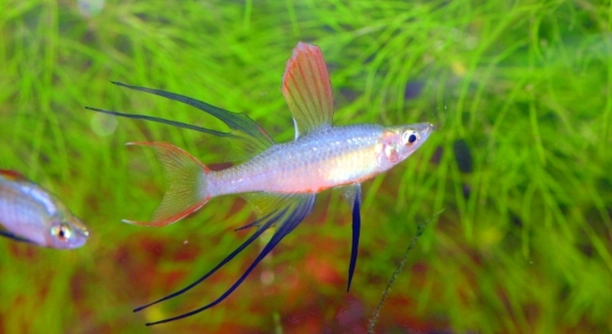
Do you enjoy keeping colorful fish but find yourself unsure how to care for Threadfin Rainbowfish properly? These vibrant freshwater fish are beautiful additions to any tank, yet beginners often make simple mistakes that affect their health and happiness.
The most common beginner mistakes with Threadfin Rainbowfish include overfeeding, maintaining poor water quality, inadequate tank size, lack of hiding spaces, incorrect water parameters, aggressive tank mates, and insufficient monitoring of their behavior. Addressing these issues ensures proper growth and longevity.
Understanding these common errors can help your Threadfin Rainbowfish thrive. By learning proper care techniques, you can create a healthy and vibrant environment for these lively fish.
Overfeeding Your Threadfin Rainbowfish
Overfeeding is one of the most frequent mistakes made with Threadfin Rainbowfish. Many beginners want to see their fish grow quickly or appear satisfied after every feeding. However, excess food can pollute the tank, increasing ammonia and nitrite levels, which are harmful. Uneaten food can decay, causing water quality to deteriorate, stressing the fish and making them more prone to disease. Feeding small amounts two to three times a day is sufficient. Observing how much they consume in a few minutes helps determine the proper portion size. High-quality flake or pellet food formulated for tropical fish provides balanced nutrition without excess waste. Including occasional live or frozen treats like brine shrimp or daphnia can enrich their diet, but should not replace staple meals. Consistency in feeding schedules also helps maintain stable water conditions. Monitoring your fish’s body condition will indicate if adjustments are necessary to prevent both underfeeding and overfeeding, ensuring their health.
Keeping feedings moderate helps maintain water quality and promotes steady, healthy growth without stress or illness.
By controlling feeding, your Rainbowfish remain active and colorful. You reduce risks of bloating, poor digestion, and water contamination. Consistent, measured feeding routines also make tank maintenance easier, minimizing algae growth caused by excess nutrients. Monitoring their behavior during meals allows you to spot any feeding problems early. Pairing proper portions with quality food supports vibrant coloration and strong immunity, keeping your fish thriving. Overfeeding not only affects water chemistry but can also disturb social behavior in community tanks, where some fish may become aggressive or dominant over food. With attention to feeding habits and careful portioning, you ensure your Rainbowfish enjoy a healthy diet while maintaining a clean, balanced aquatic environment.
Poor Water Quality
Water quality is critical for Threadfin Rainbowfish survival. Neglecting regular testing and maintenance can lead to stress, disease, or death.
Maintaining optimal pH, temperature, and filtration reduces stress. Regular water changes, typically 20-30% weekly, remove waste and stabilize water chemistry, ensuring a healthier environment. Avoid sudden changes in water parameters, which can shock fish. Filtration must match tank size and bio-load to handle waste efficiently. Overcrowding increases waste levels, so monitor stocking density. Testing kits for ammonia, nitrite, nitrate, and pH are essential tools for consistent water quality monitoring. Balancing hardness and temperature is equally important, as Rainbowfish thrive in slightly hard water between 22-28°C. Incorporating live plants can help absorb excess nutrients and provide hiding spaces, further reducing stress. Observing fish behavior offers clues to water issues; lethargy, faded color, or gasping may indicate poor conditions. Following these practices ensures your Threadfin Rainbowfish remain healthy, active, and long-lived in a stable aquatic environment.
Inadequate Tank Size
Threadfin Rainbowfish require enough space to swim freely and establish territories. Small tanks limit movement, stress the fish, and can stunt growth. A minimum of 30 gallons is recommended for a small group, with additional space for each added fish. Proper tank size supports natural behavior.
A cramped tank increases aggression and reduces oxygen levels, making it difficult for Rainbowfish to thrive. Limited swimming space affects their physical development, leading to weaker muscles and duller coloration. Overcrowding can also amplify waste buildup, making water quality maintenance more challenging. Providing ample swimming room allows fish to interact naturally, reduces stress, and supports overall health. Proper tank size also makes it easier to incorporate plants, decorations, and hiding spots, enriching the environment while ensuring each fish has sufficient territory.
Choosing a tank that matches the number of fish is essential. A larger tank promotes social interaction, reduces competition, and minimizes stress-related illness. It also allows for better filtration, stable water parameters, and a more attractive setup. Investing in a tank with adequate space is not just about aesthetics—it directly impacts the well-being and lifespan of Threadfin Rainbowfish, allowing them to display natural behavior and vibrant colors.
Incorrect Water Parameters
Threadfin Rainbowfish are sensitive to pH, hardness, and temperature fluctuations. Maintaining stable conditions prevents stress and disease while supporting growth and coloration. Sudden changes can be fatal.
Ideal conditions include a pH of 6.5–7.5, moderately hard water, and temperatures between 22–28°C. Regular testing helps monitor these parameters, ensuring a consistent environment. Rapid shifts in pH or temperature can weaken the immune system, making Rainbowfish prone to infections. Consistent heating and filtration reduce sudden fluctuations, while partial water changes help maintain chemical balance. Using a thermometer and test kits provides accurate readings and allows for early intervention. Live plants and substrate choice also influence water chemistry, supporting stability naturally.
Monitoring water parameters daily is crucial. Threadfin Rainbowfish thrive in steady conditions, and even small changes can affect behavior, appetite, and coloration. Water hardness influences mineral balance, impacting growth and reproductive health. Maintaining proper temperature ensures metabolic stability and activity levels. Regular testing for ammonia, nitrite, and nitrate prevents toxic buildup. Consistency reduces stress and supports immune function, minimizing disease risk. Adjusting conditions gradually when needed avoids shocking the fish. A stable environment promotes natural schooling behavior, optimal feeding, and vibrant appearance, enhancing both fish health and the overall aquarium experience.
Lack of Hiding Spaces
Threadfin Rainbowfish feel safer with plants, rocks, or decorations to hide among. A bare tank can cause stress, making them skittish and less active. Providing shelters helps reduce tension and allows natural behavior.
Hiding spots also support shy or weaker fish, giving them a place to rest or escape. Strategic placement of plants and décor encourages exploration while maintaining safety.
Aggressive Tank Mates
Aggressive fish can stress or injure Rainbowfish, leading to poor health or death. Peaceful community species are ideal for compatibility and reduced conflict.
Choosing calm, similarly sized fish prevents bullying and competition over food. Avoid large, territorial, or fin-nipping species. Careful planning of tank inhabitants ensures balanced interactions, less stress, and a harmonious environment.
Neglecting Behavior Monitoring
Observing Rainbowfish behavior helps detect illness, stress, or social issues early. Ignoring subtle changes can worsen problems. Regular attention ensures fish remain healthy and active.
Insufficient Diet Variety
Relying only on one type of food can lead to nutrient deficiencies. Mixing flakes, pellets, and occasional live or frozen foods ensures balanced nutrition and supports vibrant coloration.
FAQ
What is the ideal tank size for Threadfin Rainbowfish?
Threadfin Rainbowfish need space to swim and establish territories. A minimum of 30 gallons is recommended for a small group, with at least 10 gallons added per extra fish. Larger tanks help maintain water quality, reduce stress, and allow natural schooling behavior.
How often should I feed my Rainbowfish?
Feed small amounts two to three times daily. Observe how much they consume in a few minutes and adjust portions to prevent leftover food from polluting the tank. A balanced diet includes high-quality flakes or pellets, with occasional live or frozen treats like brine shrimp.
What water parameters are best for Threadfin Rainbowfish?
Maintain a pH between 6.5 and 7.5, moderately hard water, and a temperature range of 22–28°C. Use a thermometer and test kits to monitor stability. Sudden changes in water parameters can stress the fish and lead to disease or death.
How can I prevent overfeeding?
Only give what the fish can consume in 2–3 minutes. Remove uneaten food promptly, and maintain a regular feeding schedule. Consistency reduces water contamination and prevents bloating, poor digestion, and behavioral issues.
Do Threadfin Rainbowfish need hiding spots?
Yes. Plants, rocks, and decorations provide shelter and reduce stress. Hiding spaces allow shy or weaker fish to rest, escape aggression, and feel secure. A tank with natural hiding areas encourages healthy activity and exploration.
Which tank mates are suitable for Rainbowfish?
Choose peaceful, similarly sized fish. Avoid large, aggressive, or fin-nipping species, as they can harm Rainbowfish and disrupt social interactions. Compatible tank mates reduce stress, promote schooling, and create a balanced aquarium environment.
How often should I change the water?
Perform 20–30% water changes weekly to maintain water quality. Regular partial changes remove toxins, balance parameters, and reduce algae growth. Larger or overcrowded tanks may require more frequent monitoring and adjustments.
What signs indicate stress or illness?
Look for faded colors, lethargy, loss of appetite, unusual swimming patterns, or clamped fins. Early detection allows intervention before conditions worsen. Maintaining stable water conditions, proper diet, and adequate tank space reduces stress-related issues.
Can Rainbowfish live with live plants?
Yes. Live plants improve water quality, provide hiding spots, and reduce stress. They absorb excess nutrients and create a natural environment that encourages healthy behavior. Choose plants that tolerate similar water conditions to ensure long-term growth.
How do I monitor water quality effectively?
Use test kits to measure ammonia, nitrite, nitrate, and pH regularly. Observe fish behavior as an additional indicator of water health. Stable parameters prevent stress, support immune function, and maintain vibrant coloration. Regular monitoring ensures early detection of potential problems.
How do I maintain a balanced diet?
Feed a mix of flakes, pellets, and occasional live or frozen foods. This variety supplies essential nutrients for growth, immune function, and coloration. Avoid over-reliance on one food type to prevent deficiencies or digestive issues.
Why is tank size important for schooling behavior?
A sufficiently large tank allows Rainbowfish to swim together, reducing stress and aggression. Crowded spaces limit movement, hinder natural interactions, and can lead to weaker fish. Proper space encourages healthy social dynamics and overall vitality.
How do I prevent disease in Rainbowfish?
Maintain stable water parameters, avoid overfeeding, provide adequate space, and monitor behavior regularly. Quarantine new fish before adding them to the tank. Clean equipment and perform regular water changes to reduce pathogens. Preventing stress is key to disease resistance.
What temperature fluctuations are safe?
Threadfin Rainbowfish thrive in 22–28°C. Avoid rapid changes of more than 1–2°C at a time. Gradual adjustments reduce stress, maintain metabolism, and prevent temperature-related illness. Consistent heating equipment and monitoring are essential.
Are Rainbowfish compatible with community tanks?
Yes, if tank mates are peaceful and similar in size. Avoid aggressive or territorial species. Community tanks with adequate space, hiding spots, and stable water conditions support healthy interactions and reduce conflict.
How can I enhance coloration in Threadfin Rainbowfish?
Provide a balanced diet with high-quality food, maintain optimal water conditions, and reduce stress. Healthy fish in stable environments display vibrant, natural colors. Adding plants and décor enhances visual contrast, making colors more noticeable.
What is the recommended group size?
A minimum of six Rainbowfish is suggested to encourage schooling. Smaller groups may show stress or erratic behavior. Larger groups allow natural social dynamics, reduce aggression, and improve overall health and activity levels.
How do I know if my fish are overfed?
Signs include leftover food, bloated bellies, sluggish swimming, and poor water quality. Adjust portion sizes and feeding frequency accordingly. Observing feeding behavior helps maintain a healthy balance and prevents long-term health problems.
Can I mix live and frozen foods?
Yes, combining live and frozen foods adds variety and stimulates natural hunting behavior. Rotate with staple flakes or pellets to ensure a balanced diet. Moderation prevents overfeeding and water contamination.
How do I reduce stress in Rainbowfish?
Provide hiding spots, adequate space, stable water parameters, compatible tank mates, and a consistent feeding routine. Minimizing sudden changes in environment or diet ensures fish remain healthy, active, and display natural behavior.
How long do Threadfin Rainbowfish live?
With proper care, Threadfin Rainbowfish can live 5–8 years. Maintaining water quality, appropriate diet, and stress-free conditions contributes to longevity. Regular observation ensures early detection of issues that could shorten their lifespan.
What equipment is essential for a Rainbowfish tank?
Use a reliable heater, proper filtration system, thermometer, water test kits, and lighting. Decorations and live plants provide hiding spaces and reduce stress. Equipment that maintains stable conditions supports overall health and activity.
How do I introduce new fish safely?
Quarantine new arrivals for at least two weeks. Acclimate them slowly to the tank’s water parameters. This reduces the risk of disease, stress, and aggression, ensuring smooth integration into the existing group.
What is the best substrate for Threadfin Rainbowfish?
Fine gravel or sand is preferred. It supports plants, allows natural foraging, and is gentle on the fish. Avoid sharp or rough substrates that can injure fins or disrupt natural behavior.
How often should I clean the tank?
Perform partial water changes weekly and clean decorations, substrate, and filter media as needed. Avoid complete water replacement, which can shock the fish. Regular maintenance keeps water quality high and reduces disease risk.
Can Rainbowfish tolerate slightly hard or soft water?
Moderately hard water is ideal, but they can adapt to slightly softer or harder conditions if changes are gradual. Extreme shifts in hardness stress the fish, affecting health, coloration, and behavior.
What are common behavioral signs of stress?
Clamped fins, hiding excessively, loss of appetite, faded colors, and erratic swimming indicate stress. Observing these signs allows for quick adjustments in diet, tank conditions, or tank mates to restore well-being.
How do I ensure proper schooling behavior?
Maintain at least six fish in a sufficiently large tank with stable conditions. Avoid aggressive species and provide hiding spots. Proper group size and environment encourage synchronized swimming, reduce stress, and support social interaction.
How can I prevent algae growth while keeping Rainbowfish healthy?
Regular water changes, moderate feeding, and maintaining stable water parameters reduce nutrient buildup. Adding live plants competes with algae for nutrients, and proper lighting limits excessive growth, keeping the tank clean without harming fish.
Is it necessary to use a water conditioner?
Yes, conditioning tap water removes chlorine, chloramines, and heavy metals. This prevents irritation and stress in Rainbowfish, maintaining gill health and overall vitality. Always treat new water before adding it to the tank.
What is the best way to acclimate Rainbowfish?
Float the bag in the tank for 15–20 minutes, then gradually mix tank water into the bag over 30–60 minutes. Slowly releasing the fish reduces stress and helps them adapt to new conditions safely.
How do I handle sick Rainbowfish?
Isolate the fish in a quarantine tank. Adjust water conditions, provide proper nutrition, and apply medications if necessary. Prompt treatment prevents disease spread and supports recovery, keeping the main tank healthy.
Can Rainbowfish breed in home aquariums?
Yes, with stable water conditions, a slightly warmer temperature, and fine-leaved plants or spawning mops. Remove adults after eggs are laid to prevent predation. Successful breeding requires careful monitoring of water quality and tank setup.
How do I reduce fin damage in the tank?
Avoid aggressive or fin-nipping species, sharp décor, and overcrowding. Providing adequate swimming space and hiding spots protects delicate fins and prevents stress-related injuries. Regular observation ensures any damage is addressed quickly.
What is the most effective way to maintain stable water temperature?
Use a reliable heater and thermometer. Avoid placing the tank near drafts, windows, or direct sunlight. Gradual adjustments prevent shock and support metabolism, activity, and immune health.
How can I encourage natural behavior in Rainbowfish?
Provide ample swimming space, live plants, hiding spots, compatible tank mates, and a varied diet. Observing fish during feeding and interactions helps reinforce natural behavior and reduces stress.
What common mistakes should beginners avoid?
Overfeeding, poor water quality, insufficient tank size, aggressive tank mates, lack of hiding spaces, and ignoring behavior monitoring are common errors. Awareness and consistent care prevent health problems and ensure Rainbowfish thrive.
How do I balance aesthetics and functionality in a tank?
Incorporate live plants, safe décor, and natural substrate while maintaining swimming space. Proper filtration and hiding spots enhance both visual appeal and fish health.
What is the best way to manage nitrate levels?
Regular partial water changes, live plants, and careful feeding reduce nitrate buildup. Test water frequently and adjust maintenance routines to keep levels below harmful thresholds for Rainbowfish.
How do I ensure my Rainbowfish stay active and vibrant?
Stable water conditions, proper diet, adequate space, hiding spots, and compatible tank mates promote activity and coloration. Regular observation and timely adjustments maintain overall health and well-being.
Can Rainbowfish adapt to minor water parameter changes?
Yes, but changes must be gradual. Sudden fluctuations in pH, hardness, or temperature can stress the fish, weaken immunity, and reduce lifespan. Careful monitoring ensures safe adaptation.
How important is filtration for Rainbowfish tanks?
Filtration removes waste, stabilizes water chemistry, and supports oxygen levels. Proper filtration is essential for water quality, fish health, and overall tank stability. Choose a system rated for your tank size and bio-load.
Are there signs of social imbalance in Rainbowfish groups?
Aggression, isolation, or uneven feeding indicate social issues. Adjust group size, tank layout, or tank mates to restore harmony and ensure all fish thrive.
How do I reduce stress during maintenance?
Perform partial water changes, avoid sudden parameter shifts, and handle equipment gently. Minimizing disturbances supports health and prevents behavioral issues in Rainbowfish.
How can I make the tank more stimulating for Rainbowfish?
Add varied décor, live plants, and open swimming areas. Rotate hiding spots occasionally to encourage exploration while maintaining security and comfort.
Is it necessary to monitor ammonia and nitrite constantly?
Yes. Even small amounts are toxic to Rainbowfish. Frequent testing ensures early detection, allowing for timely intervention and water quality adjustments to prevent illness.
How do I recognize nutrient deficiencies?
Pale coloration, stunted growth, or poor appetite may indicate deficiencies. Adjust diet with varied high-quality foods to restore balance.
Can Rainbowfish tolerate different lighting conditions?
Moderate, consistent lighting enhances coloration and plant growth. Avoid extremes in brightness or prolonged darkness, which can stress fish and disrupt natural behavior.
How do I handle equipment failure safely?
Have backup heaters, air pumps, and filters. Monitor temperature and oxygen levels closely. Quick response prevents stress and potential fatalities.
What are the most critical daily checks?
Observe fish behavior, feeding response, and visible signs of disease. Monitor water temperature and ensure filters and heaters function correctly. Daily checks prevent minor issues from escalating.
How do I maintain consistent pH levels?
Use buffered water, live plants, and gradual water changes. Avoid sudden chemical additives. Stable pH reduces stress and supports healthy metabolism and coloration.
Can Rainbowfish tolerate small fluctuations in temperature or hardness?
Minor, gradual fluctuations are manageable, but rapid changes cause stress. Consistency ensures health, activity, and longevity, reducing risk of disease and behavioral issues.
How do I ensure long-term health for my Rainbowfish?
Provide stable water parameters, a varied diet, sufficient space, hiding spots, compatible tank mates, and regular monitoring. Preventing stress and maintaining cleanliness supports longevity and vibrant appearance.
What is the best approach to introduce new food?
Introduce small amounts gradually while observing fish response. Mix with familiar foods initially to encourage acceptance and avoid feeding refusal or digestive issues.
How can I prevent fin rot or other infections?
Maintain water quality, avoid aggressive tank mates, and provide hiding spots. Promptly isolate and treat any fish showing symptoms to prevent spread. Regular observation is essential.
Are Threadfin Rainbowfish suitable for beginners?
Yes, if water quality, diet, tank size, and tank mates are carefully managed. Awareness of common mistakes ensures they remain healthy, active, and colorful in a home aquarium.
How do I manage stress during tank rearrangement?
Move decorations gradually, maintain water stability, and provide hiding spots. Limit handling of fish to prevent panic and maintain their comfort.
What is the recommended lighting cycle?
A consistent 10–12 hour light period supports plant growth, fish activity, and coloration. Gradual transitions between light and dark reduce stress and maintain natural rhythms.
How do I monitor growth and development?
Observe size, body shape, and fin condition. Consistent growth with vibrant colors indicates proper care, while stunted or dull fish may need adjustments in diet, space, or water conditions.
Can Rainbowfish coexist with shrimp or snails?
Yes, small peaceful invertebrates usually coexist safely. They can help manage algae and clean the substrate while providing minimal competition for food. Avoid larger or aggressive invertebrates that may harm Rainbowfish.
How do I prepare for vacation care?
Arrange automatic feeders, check equipment, and ask someone to monitor water conditions. Ensure stable water parameters and adequate food supply to prevent stress in your absence.
How do I prevent cloudy water?
Moderate feeding, regular water changes, proper filtration, and avoiding overcrowding prevent cloudy water. Clean substrate and decorations as needed while maintaining stability for Rainbowfish health.
What is the best practice for acclimating new plants?
Rinse plants, trim dead leaves, and float them in tank water for several hours before planting. Gradual introduction prevents water parameter fluctuations and reduces stress on fish.
How important is tank layout for Rainbowfish activity?
Provide open swimming areas, hiding spots, and plants. A balanced layout encourages natural schooling, reduces stress, and supports overall health and coloration.
Can Rainbowfish adapt to slightly different diets?
Yes, but changes should be gradual. Sudden diet shifts can cause digestive upset or rejection. Mix new foods with familiar options to encourage acceptance.
How do I prevent aggression in mixed-species tanks?
Select peaceful, similar-sized fish. Avoid territorial species, provide ample space, and monitor interactions. Proper tank size and hiding spots reduce conflict and stress.
What is the recommended method for water testing?
Use reliable test kits for ammonia, nitrite, nitrate, and pH. Record readings regularly and respond promptly to deviations. Accurate testing supports healthy, stable conditions.
How do I maintain vibrant coloration?
Balanced diet, stable water parameters, adequate space, and minimal stress enhance coloration. Healthy fish display natural hues and remain active and visually appealing.
How do I handle sudden illness outbreaks?
Quarantine affected fish, adjust water quality, and provide treatment as necessary. Quick action prevents spread and preserves overall tank health.
How often should equipment be checked?
Daily checks for heaters, filters, and air pumps ensure proper function. Prompt maintenance prevents stress, disease, and potential fatalities in Rainbowfish.
Can Rainbowfish tolerate minor pH fluctuations?
Yes, small gradual changes are manageable. Rapid shifts, however, can stress fish and affect feeding, behavior, and immune response. Consistency is key.
How do I reduce the risk of parasites?
Quarantine new fish, maintain clean water, avoid overfeeding, and monitor behavior. Early detection and treatment prevent widespread infestations and health issues.
Are Rainbowfish schooling fish?
Yes, they thrive in groups of six or more. Schooling reduces stress, promotes natural behavior, and enhances visual appeal in the tank.
What is the best way to prevent overstocking?
Calculate tank volume per fish, considering adult size. Avoid overcrowding to reduce stress, aggression, and water quality issues. Proper planning ensures a healthy environment.
How do I maintain long-term water stability?
Use reliable filtration, regular partial water changes, consistent temperature, and buffered water. Monitor parameters frequently to prevent sudden shifts and ensure a stable, healthy environment.
Can Rainbowfish tolerate varying light intensity?
Moderate and consistent lighting is ideal. Too bright or irregular light can stress fish, while natural cycles promote activity, feeding, and coloration.
How do I encourage breeding behavior?
Provide optimal water conditions, live plants, and stable temperature. Remove adults from eggs to prevent predation. Monitor carefully for spawning activity and maintain water quality.
What is the most common beginner mistake?
Overfeeding, poor water quality, inadequate tank size, aggressive tank mates, and ignoring behavior monitoring are frequent errors. Awareness and consistent care prevent health issues.
How do I ensure fish are active daily?
Provide enough space, hiding spots, stable water parameters, and compatible tank mates. Regular observation and a varied diet promote daily activity and overall vitality.
Can Rainbowfish live in soft water?
Slightly soft water is tolerable if changes are gradual. Extremes in softness or hardness can stress fish and affect growth, coloration, and health.
What is the best way to reduce water stress?
Maintain stable water parameters, perform gradual changes, provide hiding spaces, and avoid overcrowding. Consistency supports immune function and reduces disease risk.
How do I prepare the tank for new Rainbowfish?
Clean substrate, check water parameters, ensure adequate space and hiding spots. Acclimate new arrivals gradually to prevent stress and disease.
How important is observation for healthy fish?
Daily monitoring allows early detection of disease, stress, or behavioral changes. Prompt action prevents problems from escalating and supports long-term health and vitality.
What are effective ways to reduce fin damage?
Final Thoughts
Caring for Threadfin Rainbowfish requires attention to detail, consistency, and patience. These vibrant freshwater fish are rewarding to keep, but beginners often make mistakes that impact their health and overall happiness. Overfeeding, poor water quality, inadequate tank size, and incompatible tank mates are common issues that can easily be avoided with proper preparation and knowledge. Maintaining stable water parameters, providing hiding spots, and monitoring behavior regularly are essential practices that support the fish’s natural activity, reduce stress, and promote vibrant coloration. Investing time in understanding their needs not only helps the fish thrive but also makes managing the tank more predictable and less stressful.
Creating a suitable environment involves more than just filling a tank with water and fish. Threadfin Rainbowfish benefit from an aquarium that mimics their natural habitat. This includes providing open swimming space, live plants, and decorations that serve as hiding spots. The combination of these elements encourages natural schooling behavior, reduces aggression, and gives shy fish a place to retreat. A tank that meets these requirements supports both physical and mental health. Feeding a balanced diet with a mix of high-quality flakes, pellets, and occasional live or frozen foods ensures proper nutrition. Careful attention to feeding habits prevents overfeeding, reduces water contamination, and maintains overall water quality.
Long-term success with Threadfin Rainbowfish depends on consistent monitoring and maintenance. Observing their behavior daily helps detect early signs of stress or illness, allowing timely interventions. Regular water testing, partial water changes, and proper filtration are key to maintaining a stable and clean environment. Choosing compatible tank mates and avoiding overcrowding prevents stress and promotes social harmony within the aquarium. By understanding the specific needs of Threadfin Rainbowfish and addressing common beginner mistakes, owners can enjoy active, colorful, and healthy fish. Consistent care and attention transform the aquarium into a stable, vibrant habitat where Rainbowfish can flourish for years.

Hello,
If you enjoy the content that we create, please consider saying a "Thank You!" by leaving a tip.
Every little bit helps us continue crafting quality advice that supports the health, happiness, and well-being of pets around the world, for pets of all shapes, sizes, and species.
We really appreciate the kindness and support that you show us!