
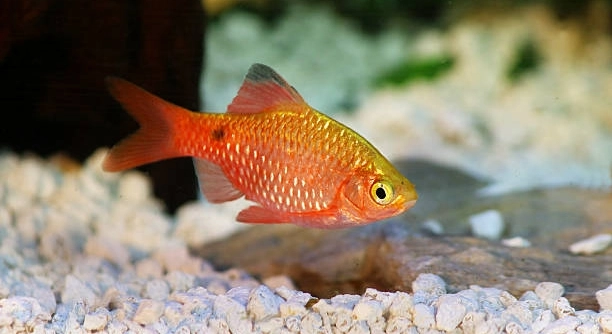
Do you ever wonder how the environment affects your Rosy Barbs? These colorful fish are popular in home aquariums and understanding their preferences can help keep them healthy and happy. Noise may play a role in their well-being.
Rosy Barbs generally prefer a calm environment with minimal background noise. Excessive sound or vibrations can cause stress, which may affect their behavior and health. Maintaining a quiet setting helps support their natural comfort and reduces anxiety.
Learning about their needs can improve your fish’s quality of life and make your aquarium more enjoyable for both you and your Rosy Barbs. Small changes in their surroundings can make a big difference.
Understanding Rosy Barbs’ Natural Habitat
Rosy Barbs come from calm rivers and lakes where noise levels are generally low. In their natural environment, sudden or loud sounds are rare, which means these fish are not used to constant background noise. When kept in home aquariums, loud noises from nearby electronics, music, or heavy foot traffic can cause stress. This stress might lead to changes in their swimming patterns, hiding behavior, or even affect their appetite. Observing how your Rosy Barbs react to sounds around the tank can give clues about what they prefer. Keeping their environment stable and quiet mimics their natural habitat and promotes their overall health. For many hobbyists, reducing noise has resulted in calmer, more active fish. It’s important to balance activity in the room with periods of quiet to support your fish’s well-being.
A quiet aquarium area helps Rosy Barbs feel more secure, reducing stress-related issues and encouraging natural behaviors.
Small adjustments in your tank’s location or reducing noise sources can make a noticeable difference for your Rosy Barbs. For example, placing the tank away from loud appliances or busy rooms helps create a peaceful environment. Consistent, low noise levels support better breathing and reduce erratic movements. While some mild background sounds might be harmless, constant loud noises should be avoided. This also includes tapping on the glass or sudden noises that startle the fish. Maintaining a calm space lets your Rosy Barbs thrive and display their beautiful colors more vividly. Taking time to observe and adapt your aquarium’s surroundings will lead to healthier, happier fish.
Managing Noise in Your Aquarium Environment
Background noise can sometimes seem unavoidable, especially in busy homes or apartments. Keeping the aquarium in a quieter corner or room helps reduce sound exposure.
Minimizing noise is about creating a stable, stress-free habitat. Use soft padding under the tank to reduce vibrations from furniture or floors. Avoid placing the tank near speakers, televisions, or heavy foot traffic areas. If you enjoy playing music or watching TV, consider turning down the volume or moving these activities away from the aquarium. Even small, consistent sounds like fans or air conditioners may affect your fish if too close. Monitoring your Rosy Barbs’ behavior when noise levels change helps identify what works best. It’s not necessary for total silence, but a calm environment supports better health. Finding the right balance between household activity and quiet time can greatly improve your aquarium’s atmosphere. Simple changes often result in more vibrant and active fish that are less prone to stress and illness.
Effects of Noise on Rosy Barbs
Loud or sudden noises can make Rosy Barbs nervous, causing them to hide or swim erratically. Stress from noise can affect their health over time.
Stress weakens their immune system and can lead to illness. When exposed to frequent loud sounds, Rosy Barbs may stop eating or lose their bright colors. They might also become less active or try to escape hiding spots. Prolonged stress affects their growth and breeding behavior. It’s important to watch for these signs and reduce noise if you notice changes. Quiet surroundings promote a stable, healthy environment that allows Rosy Barbs to behave naturally. Minimizing noise helps keep their stress levels low and supports their well-being.
Occasional gentle background noise usually isn’t harmful, but consistent loud sounds should be avoided. Even household noises can add up, so a calm setting makes a big difference. When noise is controlled, Rosy Barbs are more likely to explore and interact in their tank, showing their best colors and natural behaviors.
Creating a Comfortable Environment for Rosy Barbs
Choose a tank location away from busy areas or loud appliances to help reduce noise exposure. Use soft materials under the tank to absorb vibrations and prevent sound from traveling through furniture.
Position the aquarium where it can enjoy natural light but avoid direct sunlight, which can stress fish in combination with noise. Regular maintenance, like clean water and proper filtration, also helps keep stress low. Background noise isn’t the only factor affecting your fish’s comfort, but it’s an important one. Combining a quiet space with good water quality ensures Rosy Barbs remain healthy. Keeping daily noise levels steady and avoiding sudden loud sounds will make your fish feel safe and calm.
Soft background sounds, like a gentle air pump, are usually acceptable if consistent and not too loud. Monitoring your Rosy Barbs regularly will help you notice how different noise levels impact their behavior. This way, you can make adjustments that improve their living conditions over time.
Noise Levels to Avoid
Sudden loud noises can startle Rosy Barbs and cause stress. Consistent exposure to loud sounds like alarms, vacuum cleaners, or heavy footsteps should be minimized around the aquarium.
These noises disrupt their environment and may lead to hiding or erratic swimming. Keeping the tank in a quiet area helps maintain calmness and reduces stress-related behavior.
Signs of Noise Stress in Rosy Barbs
Changes in swimming patterns, loss of appetite, and hiding are common signs of stress caused by noise. Dull coloration or lethargy can also indicate discomfort from a noisy environment.
Observing these signs early allows timely changes to reduce noise and improve fish health.
Using Background Noise Wisely
Soft, continuous sounds like an air pump or gentle water filter usually don’t bother Rosy Barbs if volume is low and consistent.
When Noise Isn’t the Issue
If fish remain stressed despite low noise, other factors like water quality or tank mates may need attention.
Do Rosy Barbs need complete silence to thrive?
Rosy Barbs do not require total silence to be comfortable, but they do benefit from a calm and stable environment. Constant loud noises or sudden sounds can stress them, but soft, steady background noises—like a gentle air pump or aquarium filter—are usually fine. The key is consistency and low volume, as unexpected noise spikes can cause anxiety.
How can I tell if my Rosy Barbs are stressed by noise?
Signs of noise stress include hiding more than usual, erratic swimming, loss of appetite, and dulling of their colors. You might also notice lethargy or increased aggression. If these behaviors appear after changes in your home’s noise level, it’s likely that noise is causing stress. Observing your fish closely after noise disturbances helps identify the problem quickly.
Is background music harmful to Rosy Barbs?
Background music at a low volume is generally not harmful. However, loud or fast-paced music with sudden changes can startle the fish. If music is played near the tank, keep the volume moderate and avoid sudden bursts of sound. Choosing calm, consistent music over loud or erratic sounds helps maintain a peaceful aquarium environment.
What household noises should I avoid near the aquarium?
Loud appliances like vacuum cleaners, blenders, or washing machines can be disturbing. Foot traffic near the tank, slamming doors, and loud conversations also contribute to stress. Try to place the tank in a quieter area away from these noises, and avoid tapping on the glass or sudden loud noises that might scare the fish.
Can vibrations affect Rosy Barbs?
Yes, vibrations can cause discomfort similar to loud noise. Vibrations from furniture, floors, or nearby appliances can be felt through the tank glass. Using soft padding under the tank or placing it on a sturdy, vibration-absorbing stand reduces this problem. Minimizing vibrations helps keep Rosy Barbs calm and stress-free.
Will Rosy Barbs get used to background noise over time?
Some fish may gradually become less reactive to constant low-level noise, but this varies. Sudden or irregular noises remain stressful regardless of exposure. It’s best to provide a consistently quiet environment to avoid stress. Habituation to noise isn’t guaranteed, so reducing unnecessary sound is the safest approach.
How can I create a noise-friendly aquarium setup?
Choose a quiet spot away from busy areas. Use soft materials under the tank to reduce vibrations. Keep the volume of any equipment like air pumps low and steady. Avoid placing the tank near televisions, speakers, or heavy foot traffic. Regularly observe your fish’s behavior and adjust as needed to ensure their comfort.
Does silence improve breeding success in Rosy Barbs?
A calm environment, including minimal noise, supports breeding by reducing stress. Loud or erratic sounds can interfere with mating behaviors and cause the fish to hide. Providing a quiet, stable setting helps encourage natural breeding activities and increases the chances of healthy fry.
Can I use white noise machines near my aquarium?
White noise machines produce consistent sound that might mask sudden noises, but their effectiveness depends on volume and frequency. If the noise is gentle and steady, it may help reduce stress. However, if it’s too loud or changes unpredictably, it could have the opposite effect. Testing your fish’s reaction is important before relying on white noise.
What role does water quality play alongside noise?
Water quality is just as important as noise level for Rosy Barbs’ well-being. Poor water conditions cause stress and illness, which can be worsened by noisy environments. Maintaining clean water with proper filtration and regular changes helps fish cope better with environmental factors like noise. Both elements work together for healthy fish.
Rosy Barbs are beautiful fish that do best in calm and stable environments. While they do not need complete silence, keeping noise levels low and steady helps reduce their stress. Loud or sudden sounds can upset them, causing changes in behavior like hiding, erratic swimming, or loss of appetite. A quiet area for the aquarium lets the fish feel safe and comfortable, which supports their health and bright colors. Paying attention to how your Rosy Barbs react to noises around the tank will help you create the best space for them to thrive.
Reducing noise doesn’t have to mean removing all sound. Soft background noises, like a gentle air pump or filter running quietly, usually do not bother Rosy Barbs. In fact, some steady sounds can even help mask sudden noises that might startle them. The key is to avoid loud, sudden, or inconsistent noises near the tank. Placing the aquarium away from busy rooms, loud appliances, or areas with heavy foot traffic can make a big difference. Using soft padding under the tank can also reduce vibrations from floors or furniture. These small changes can lead to calmer fish that show natural behaviors and healthy growth.
Taking care of Rosy Barbs means considering all parts of their environment. Along with controlling noise, keeping the water clean and maintaining proper tank conditions is essential. Stress from poor water quality or noisy surroundings can weaken fish and make them more vulnerable to illness. Creating a quiet, clean, and stable home helps Rosy Barbs live longer and be more active. Observing your fish regularly and adjusting their environment when needed ensures they stay happy and healthy. A little attention to noise and other factors will go a long way in supporting your Rosy Barbs’ well-being.

Hello,
If you enjoy the content that we create, please consider saying a "Thank You!" by leaving a tip.
Every little bit helps us continue crafting quality advice that supports the health, happiness, and well-being of pets around the world, for pets of all shapes, sizes, and species.
We really appreciate the kindness and support that you show us!