
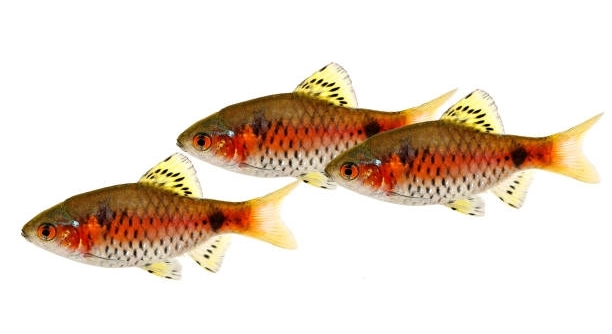
Are your rosy barbs acting skittish or showing signs of stress in their tank? It might be time to look at a few quick tank fixes that can bring calm back to your aquarium.
The quickest way to calm a stressed rosy barb is by improving water quality, reducing tank crowding, and ensuring proper temperature. These small but crucial adjustments can significantly reduce anxiety and promote better behavior in your fish.
From adjusting lighting to checking your filtration system, each fix plays a role in creating a peaceful space your rosy barb can thrive in.
Check the Water Conditions First
Rosy barbs can become restless or stressed when water conditions aren’t just right. Start by testing for ammonia, nitrites, nitrates, and pH levels. These fish do best in a slightly acidic to neutral range, around 6.5 to 7.5 pH. Ammonia and nitrites should always be at zero, while nitrates should stay under 40 ppm. Use a liquid test kit for more accurate readings than test strips. Also, maintain a steady temperature between 72–78°F. Sudden shifts in temperature or pH can unsettle your barb quickly. Perform regular water changes—about 20% weekly—to keep the tank stable and clean. Use dechlorinated water, and try to match the new water’s temperature before adding it. If your readings are off, don’t make rapid adjustments. Take your time correcting the levels, as sudden changes can cause more harm than good. Staying consistent with water maintenance is one of the most reliable ways to keep your rosy barb calm.
Test your water weekly, even if the tank looks clean. This keeps conditions safe and prevents issues before they start.
A clean, stable tank environment helps your fish stay active and peaceful. It also supports their immune system, which lowers the chances of stress-related illnesses. Good water makes everything easier.
Reduce Tank Crowding
Too many fish in one tank can quickly stress out a rosy barb. These active swimmers need space to move freely.
Rosy barbs are social, but they don’t do well when crowded. A general rule is one gallon of water per inch of fish, but rosy barbs thrive best in groups of five or more in tanks that are at least 20 gallons. Giving them plenty of room prevents territorial behavior and lets them swim without bumping into others. If your tank feels cramped, consider moving some fish to a second tank or rehoming a few. Also, make sure you’re not combining them with fish that nip or chase. Compatible tank mates include peaceful species like danios or corydoras. Plants and decorations can also help, offering spaces to rest or hide. But avoid overfilling the tank with too many objects. The key is a clean layout that still feels open. A peaceful tank setup supports better behavior and lowers stress levels, especially in more active fish like rosy barbs.
Adjust the Lighting
Too much light can make rosy barbs uneasy. Bright or long lighting hours can raise stress levels and affect their natural behavior. Keep lighting moderate, and give them a regular day and night cycle by turning lights off at night.
Rosy barbs don’t need intense lighting to thrive. A soft, even light for about 8 to 10 hours a day is enough. Avoid placing the tank in direct sunlight, as this can lead to overheating and algae growth. If your fish are hiding more often or darting around, the light might be too harsh. Use adjustable LED lights if possible, so you can control brightness and color tone. Also, adding floating plants helps reduce brightness naturally and gives them shaded areas to relax. When lights are too strong or always on, it creates a sense of exposure. These simple changes can bring noticeable calm to your tank.
Keeping a stable lighting schedule also supports their internal rhythm. Rosy barbs rely on light cues to stay active during the day and rest at night. Random lighting patterns can confuse them and add to their stress. A set routine helps your fish feel safe and secure. It’s a small step that makes a real difference.
Improve Filtration and Flow
Filtration plays a big role in keeping your rosy barb tank clean and peaceful. A weak or dirty filter can leave behind harmful waste, while a filter that’s too strong can cause constant current, making your fish feel like they’re fighting water all day.
Choose a filter that suits your tank size and fish type. Rosy barbs prefer some movement in the water, but not heavy flow that forces them to swim constantly. Sponge filters work well for smaller tanks, while canister filters are better for larger setups. Make sure the filter is cleaned regularly to avoid buildup. Avoid sudden changes in flow direction, as it can confuse or tire them. If your barb is staying in one corner or near the surface, your current might be too strong. Try using plants or decorations to break the flow and create calm spots. This gives your fish the choice to rest or explore freely.
Limit Loud Noises and Vibrations
Tanks placed near TVs, speakers, or slamming doors can cause stress in rosy barbs. Vibrations travel through water easily, making fish feel unsettled or unsafe. Choose a quieter area in your home to help keep your fish relaxed and active.
Even tapping on the glass or sudden movements can startle them. Try to keep traffic and loud activity away from the tank, especially during rest periods. A calm space helps your rosy barb feel secure and less reactive.
Keep a Balanced Feeding Schedule
Overfeeding can cause waste build-up and cloudy water, both of which can stress rosy barbs. Stick to feeding small amounts once or twice a day. Only give what they can finish in under two minutes. Uneaten food should be removed quickly to prevent water issues. A simple, consistent feeding routine helps them feel more settled and reduces aggressive behavior during mealtime. Include high-quality flakes or pellets, along with occasional treats like blanched veggies or bloodworms. Variety keeps them healthy without overloading their system. A stable feeding plan also helps regulate their digestion and energy levels throughout the day.
Watch for Bullying
Rosy barbs can nip if the group is too small or tank mates are poorly matched. Keep them in schools of at least five to spread out any aggressive behavior and maintain peace in the tank.
FAQ
How often should I change the water in my rosy barb tank?
Regular water changes are key to keeping your rosy barbs calm and healthy. It’s best to change about 20% of the tank water every week. This helps remove toxins and keeps the water fresh without shocking the fish. Avoid changing too much at once, as big shifts in water parameters can stress them. Using a gravel vacuum during water changes also removes leftover food and waste, preventing buildup. Remember to treat tap water with a water conditioner to remove chlorine or chloramine before adding it to the tank.
What is the ideal tank size for rosy barbs?
A minimum tank size of 20 gallons is recommended for a small group of rosy barbs. Since these fish are active swimmers and like being in groups of at least five, giving them enough space to move freely reduces stress and aggression. Larger tanks are better if you plan to keep more fish or other species with them. Avoid overcrowding, which leads to poor water quality and stressed fish.
Can rosy barbs live with other fish?
Yes, rosy barbs can live peacefully with certain other fish species if tank conditions are right. Choose tank mates that are similar in size and temperament, such as danios, mollies, or corydoras catfish. Avoid slow-moving or long-finned fish, as rosy barbs may nip at their fins. Always introduce new fish carefully and observe their behavior to ensure compatibility.
Why are my rosy barbs hiding all the time?
If rosy barbs hide constantly, it’s often a sign of stress or discomfort. Poor water quality, strong currents, too much light, or aggressive tank mates can cause them to retreat. Make sure the water parameters are stable and the tank environment feels safe. Adding plants or decorations provides hiding spots, which can help shy fish feel more secure.
How can I tell if my rosy barb is stressed?
Signs of stress include erratic swimming, hiding, loss of appetite, faded colors, and fin clamping. Stressed fish may also be more prone to disease. Keeping the water clean, maintaining a proper tank setup, and limiting sudden changes can help prevent stress. Pay attention to these signs early to address problems quickly.
Is it necessary to use a heater for rosy barbs?
Rosy barbs are tropical fish and do best in water temperatures between 72 and 78°F. If your home temperature stays within this range, a heater may not be necessary. However, in cooler climates or during colder months, a reliable heater ensures stable temperatures, preventing stress from sudden cold changes.
How often should I clean the filter?
Clean your filter every 2 to 4 weeks depending on tank size and stocking level. Avoid cleaning all filter media at once to preserve beneficial bacteria. Rinse filter parts gently with tank water to avoid killing helpful bacteria. Proper filter maintenance keeps water clear and supports a healthy environment.
Can overfeeding cause stress in rosy barbs?
Yes, overfeeding leads to leftover food that decays and pollutes the water. Poor water quality then stresses the fish and can cause illness. Feeding small amounts once or twice daily and removing uneaten food quickly helps prevent this problem.
What plants work well in a rosy barb tank?
Hardy plants like Java fern, Anubias, and hornwort are good choices. These plants tolerate the barbs’ active swimming and occasional nibbling. Floating plants also provide shade and help soften bright lighting, creating a more comfortable environment.
How do I reduce aggression among rosy barbs?
Keep them in groups of five or more to spread out aggression. Ensure plenty of swimming space and hiding spots with plants or decorations. Avoid overcrowding and incompatible tank mates. Proper feeding and a calm environment reduce stress that can trigger aggression.
Final thoughts on caring for rosy barbs focus on creating a balanced and calm environment. These fish are active and social, so their tank needs to support those traits. Regular maintenance, such as water testing and changes, plays a big role in keeping the water clean and stable. When water conditions are right, rosy barbs show healthier behavior and vibrant colors. It’s important to avoid sudden changes that can startle them. By paying attention to details like temperature, pH, and cleanliness, you help your fish stay comfortable and less stressed.
Another important point is tank setup. Rosy barbs need enough space to swim freely and interact with others in their group. Crowded tanks can cause tension and aggressive behavior, which makes the fish unhappy. Providing at least 20 gallons for a small school is a good start. Adding plants and decorations also helps by giving places to hide or rest. Lighting should be moderate, not too bright, to avoid causing anxiety. Filters need to be strong enough to keep water clear but not so strong that the current becomes overwhelming. Balancing these elements makes a peaceful home where your rosy barbs can thrive.
Feeding habits also affect the health and mood of your rosy barbs. Overfeeding can pollute the water, leading to stress and disease. Feeding small, controlled amounts once or twice a day keeps the tank cleaner and the fish happier. Including variety in their diet, like quality flakes and occasional treats, supports their nutrition. Watching how your fish respond to changes in feeding, tank mates, or environment helps you notice when something isn’t right. Taking these simple steps makes a big difference. A calm, well-maintained tank keeps rosy barbs healthy and lively, making your care efforts rewarding.

Hello,
If you enjoy the content that we create, please consider saying a "Thank You!" by leaving a tip.
Every little bit helps us continue crafting quality advice that supports the health, happiness, and well-being of pets around the world, for pets of all shapes, sizes, and species.
We really appreciate the kindness and support that you show us!