
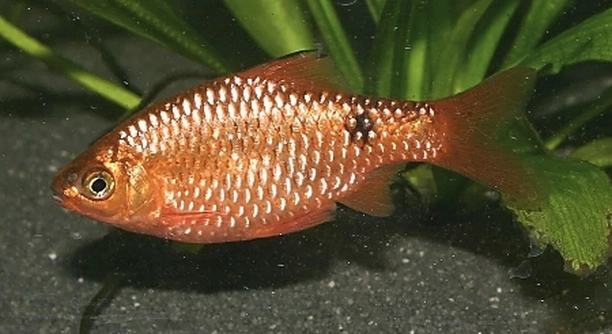
Have you ever watched your fish tank and noticed your rosy barbs zipping through streams of bubbles, almost like they’re playing? Their quick movements and playful behavior can make you wonder what they truly enjoy in their space.
Rosy barbs often enjoy swimming through bubbles, not just for play but also for stimulation and exercise. While not every individual reacts the same, many display increased activity and curiosity around moving bubbles in their environment.
Learning how bubble patterns, tank setups, and fish personalities connect can help you create a more enriching space for your rosy barbs.
Why Bubbles Can Be Appealing to Rosy Barbs
Bubbles can catch the attention of rosy barbs, especially when they are part of a gentle stream. These fish are active by nature, so they often explore anything that moves or changes in their tank. The sight and feel of bubbles can stimulate their curiosity and add variety to their environment. Some will swim through the stream for fun or as a way to interact with their surroundings. Others might just pass through occasionally without reacting much. It depends on the fish’s personality and the way the bubbles are presented. Strong bubble streams may push them away, while softer flows can be more inviting. Placing bubble wands or air stones in different spots also helps create areas of interest. Overall, bubbles can be a simple yet effective way to make a tank more engaging for rosy barbs, as long as the flow is safe and not too harsh.
Keep the bubbles soft and steady to make them enjoyable, not stressful, for your rosy barbs.
Try placing the bubbler in a corner of the tank first and observe how the rosy barbs react. If they explore and swim through it, then they’re likely enjoying it. If they avoid the area completely, the flow may be too strong or placed awkwardly. You can adjust the strength or location to better suit them. Over time, you’ll notice their patterns and preferences. Some may pass through quickly and move on, while others might linger or return to the bubbles repeatedly. It’s good to give them options. Bubbles can become a playful part of their routine, but they shouldn’t be the only source of stimulation. Make sure your tank includes plants, open swimming areas, and spots to rest. Variety helps maintain balance and keeps your rosy barbs active and interested. Keep watching their behavior to guide how you arrange and adjust bubble features in their space.
When Bubbles Might Not Be Enjoyed
Not all rosy barbs enjoy swimming through bubbles. Sometimes the stream is too strong, or the bubbles disturb other peaceful areas in the tank. This can cause stress or avoidance.
Rosy barbs can be active swimmers, but that doesn’t mean they enjoy strong currents. If the bubbles are pushing water too forcefully, it can cause discomfort or disrupt their natural swimming habits. They may start to hide more often or swim in strange patterns. This is a sign that something is off. Loud or constant bubbling noises might also be unsettling, especially in smaller tanks. It’s important to balance the fun of bubbles with the calmness of the tank. Keep other fish in mind too—some tankmates might not like bubbles at all. Watch how all the fish behave around bubble features. If one or more begin to avoid the area, it may be worth adjusting the placement, turning the airflow down, or using the bubbles more sparingly.
How to Safely Add Bubbles to a Rosy Barb Tank
Start with a basic air stone or bubble wand connected to an adjustable air pump. Place it in a corner or along the back wall of the tank, away from strong filters or plants that need calm water.
Once the bubble setup is in place, turn the airflow to the lowest setting. Watch your rosy barbs for a few minutes. If they approach the bubbles curiously or swim through them, that’s a good sign. If they seem startled, increase the distance between the bubbler and their favorite spots. You can slowly increase the airflow if needed, but always observe their reaction. It helps to give them areas in the tank without bubbles, so they have choices. This balance makes the tank more comfortable. Use smooth stones or decorations to hide the tubing if you want a cleaner look. Simple changes like these make a difference in their comfort.
It’s also a good idea to check for noise and vibration from the pump. Some cheaper models can rattle and cause a hum that spreads through the tank. This can make your fish uneasy, especially over time. If the pump is loud, placing it on a soft pad or switching to a quieter model helps. Also, don’t let the bubbles disturb the surface too much. Too much splashing can reduce CO₂ levels for your plants and might stress some fish. Keep the surface movement gentle. Test the setup during feeding time too—bubbles can scatter flakes and pellets, making it harder for the barbs to eat. A separate feeding zone away from the bubbles can solve this. It’s all about small adjustments to match your tank’s needs while making it fun for the fish. The more you observe, the easier it gets to find the right balance.
Signs Your Rosy Barbs Like the Bubbles
If your rosy barbs are swimming through the bubbles, lingering near the stream, or darting around with energy, they’re likely enjoying the setup. Their activity should look playful, not frantic or stressed.
You might also notice them returning to the bubble area throughout the day. This regular movement shows interest and comfort. If they were uncomfortable, they’d stay away or hide more often.
When to Make Adjustments
If your rosy barbs start avoiding the bubble stream, staying low in the tank, or swimming erratically, something may be off. A strong current or too much surface movement can cause stress. Try turning the airflow down or moving the bubble wand to a different area. Some fish adjust over time, but others may prefer a calmer setup. Watch their behavior closely for a few days after each change. It’s best to keep the tank flexible so you can make quick adjustments based on how your fish respond. Comfort and stability will always matter more than decorations or features.
How Often to Use Bubbles
You don’t need to run the bubbles all day. A few hours in the morning or evening can keep things interesting without overwhelming the tank. Try using a timer to keep the routine simple.
Do rosy barbs need bubbles in their tank?
Rosy barbs do not require bubbles to survive, but gentle bubbles can enhance their environment. Bubbles help increase oxygen levels in the water, which benefits the fish and plants. They also create movement that can keep the fish active and stimulated. However, too strong a current from bubbles can stress rosy barbs, so moderation is key. Bubbles are more of an enrichment feature than a necessity, especially in well-filtered tanks with good water circulation.
Can bubbles stress rosy barbs?
Yes, bubbles can stress rosy barbs if the airflow is too strong or constant. Strong bubbles create currents that may tire the fish or push them into unwanted areas. Loud bubbling noises or excessive surface agitation can also disturb them. Signs of stress include hiding, erratic swimming, or reduced appetite. It’s important to adjust bubble strength and placement to keep conditions comfortable. Monitoring their behavior after adding bubbles helps ensure they feel safe and relaxed.
Are all rosy barbs the same when it comes to bubbles?
No, individual rosy barbs can react differently to bubbles. Some enjoy swimming through them, finding the movement stimulating. Others might avoid the bubbles altogether, preferring calmer water. Fish personality, age, and tank setup all influence their reactions. It’s best to observe your own fish and adjust bubble features based on their responses rather than assuming all will react the same.
Will bubbles affect the water temperature?
Bubbles themselves don’t significantly change water temperature. However, the air pump creating the bubbles can generate a small amount of heat if placed inside the tank or very close to it. Most pumps are designed to stay cool, but in smaller tanks or hot environments, monitor temperature to avoid stress on the fish. Using external or quieter pumps helps reduce heat impact.
Do bubbles help with tank cleanliness?
Bubbles indirectly support tank cleanliness by improving oxygen circulation, which aids beneficial bacteria in breaking down waste. This helps maintain water quality. However, bubbles don’t clean the tank physically or remove debris. Regular water changes and filter maintenance are still necessary for a healthy environment. Bubbles complement these efforts but are not a substitute for proper tank care.
Can bubbles disturb plants in the tank?
Yes, strong bubbles can disturb delicate plants by creating excessive water movement. This might uproot or damage plants that need calm conditions. Some aquatic plants prefer still water, so placing bubble stones away from planted areas helps protect them. Alternatively, using gentle airflow and monitoring plant health ensures both fish and plants thrive together.
Is it safe to leave bubble stones running all day?
It’s generally safe but not always necessary to run bubble stones all day. Continuous bubbles can provide constant oxygenation, but may also cause stress or disrupt feeding and resting behaviors. Many keepers run bubbles for several hours, often timed with daylight, to simulate natural conditions. Using a timer helps create a balanced routine that benefits fish without overwhelming the tank.
What is the best type of bubbler for rosy barbs?
Simple air stones or bubble wands connected to adjustable pumps work best. They produce fine bubbles and gentle currents that are easy to control. Avoid strong bubble jets or large bubble columns, which create too much movement. Look for quiet, reliable pumps to minimize noise and vibrations that could bother the fish. Adjustable airflow is important to customize the bubble flow to your tank’s size and fish preferences.
How do I introduce bubbles to my rosy barb tank?
Start slowly by placing the bubbler in a less crowded corner and setting airflow to low. Watch how the fish react for a few days before increasing intensity or moving the bubbles. Make sure the fish have calm areas to retreat to. If the rosy barbs seem curious or swim through the bubbles, you can gradually increase the bubble time and strength. If they avoid the area, lower the airflow or reposition the bubbler.
Can bubbles help reduce algae growth?
Bubbles themselves don’t directly reduce algae growth. However, improved water circulation from bubbles helps prevent stagnant areas where algae thrive. Proper oxygen levels and good filtration combined with bubbles support a healthy tank environment that discourages excessive algae. Controlling light exposure and nutrient levels remain the main ways to manage algae growth.
Will bubbles affect the behavior of other fish with rosy barbs?
Yes, other fish in the tank may react differently to bubbles. Some species enjoy the added movement and oxygen, while others prefer calmer water. It’s important to watch all tank inhabitants and adjust the bubble setup accordingly. Balancing bubble strength and placement helps keep peace among all fish and prevents stress.
How often should I clean my air stone or bubbler?
Cleaning every 2-4 weeks is recommended to prevent clogging from algae or mineral buildup. Soak the air stone in vinegar or use a soft brush to remove debris. A clean bubbler ensures steady airflow and fine bubbles. Neglecting cleaning can reduce efficiency and cause irregular bubbling that might disturb the fish.
Can bubbles cause injury to rosy barbs?
Properly set up bubbles generally do not cause injury. However, very strong jets or large bubbles can push fish into tank walls or decorations, leading to harm. Also, sharp edges near bubble outlets can be dangerous. Always check your equipment and placement to avoid these risks. Gentle bubbles are safe and beneficial, but harsh setups can be harmful.
Is it okay to combine bubbles with a strong filter flow?
Combining bubbles with a strong filter flow may create currents too powerful for rosy barbs. These fish prefer moderate water movement. If you have a strong filter, use a bubbler with very low airflow or place bubbles where currents are minimal. The goal is to provide gentle stimulation, not constant pressure. Adjusting both filter and bubbler settings ensures a comfortable environment.
Do bubbles help oxygenate the water more than surface agitation?
Bubbles increase oxygen by moving water and increasing surface area contact with air. Surface agitation alone also oxygenates water effectively. Combining both can be beneficial but isn’t always necessary. In some tanks, surface movement from a filter outlet or heater is enough. Bubbles add extra oxygen and visual interest, which can be helpful in densely stocked or planted tanks.
Can bubbles make feeding time harder for rosy barbs?
Yes, strong bubbles can scatter floating food flakes or pellets, making it difficult for rosy barbs to feed. They might waste food or struggle to find it. Feeding away from the bubbler or temporarily turning off the bubbles during feeding helps. This simple change ensures your fish get the nutrition they need without frustration.
Rosy barbs are lively and curious fish that often benefit from having a well-balanced environment in their tank. Adding bubbles can be a simple way to increase activity and provide stimulation. Many rosy barbs enjoy swimming through gentle streams of bubbles because it mimics natural water movement and keeps them engaged. However, it’s important to remember that not all rosy barbs react the same way. Some may find strong or constant bubbling stressful. Observing how your fish respond to bubbles helps you decide whether to keep them in the tank and how strong the airflow should be.
When adding bubbles, the key is moderation and careful placement. Soft, steady bubbles placed away from resting or heavily planted areas usually work best. This creates a space where the fish can explore and play without feeling overwhelmed. It’s also helpful to give rosy barbs quiet areas where the water is calm. Running bubbles for a few hours a day is enough to maintain oxygen levels and interest in the tank. Overdoing it can cause stress or disturb other aspects of the tank, such as feeding or plant health. Small adjustments, like moving the bubbler or lowering the air pump, can make a big difference in keeping your rosy barbs comfortable.
In the end, adding bubbles is a personal choice based on your fish’s behavior and your tank setup. Some rosy barbs will thrive with a gentle bubble stream, while others prefer calm waters. Keeping an eye on their activity, eating habits, and general health will guide your decisions. Remember that bubbles are just one part of a good tank environment, along with clean water, proper filtration, plants, and hiding spots. By balancing these factors, you create a healthy and enjoyable home for your rosy barbs that suits their needs and personality.

Hello,
If you enjoy the content that we create, please consider saying a "Thank You!" by leaving a tip.
Every little bit helps us continue crafting quality advice that supports the health, happiness, and well-being of pets around the world, for pets of all shapes, sizes, and species.
We really appreciate the kindness and support that you show us!