
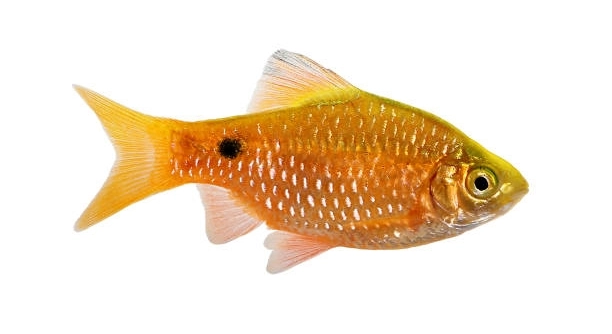
Rosy Barbs are popular freshwater fish known for their vibrant colors and active nature. Introducing them to a new tank can be challenging, as they need time to adapt to unfamiliar surroundings. Proper care during this period is essential for their well-being.
Helping Rosy Barbs adjust to new tanks involves maintaining stable water conditions, providing hiding spots, and gradually acclimating them to their environment. Monitoring their behavior and feeding routines supports a smooth transition and reduces stress in the new habitat.
Knowing how to support your Rosy Barbs during tank changes ensures they stay healthy and comfortable. This article outlines practical steps to help them settle confidently in their new home.
Prepare the Tank Before Introducing Rosy Barbs
Preparing the tank before adding Rosy Barbs is crucial for their comfort and safety. Start by cycling the tank to establish beneficial bacteria that break down harmful waste. This process stabilizes water quality and prevents toxic ammonia buildup. Next, ensure the temperature is steady between 74 and 79 degrees Fahrenheit, as Rosy Barbs prefer warm, stable conditions. Add natural decorations like plants, rocks, and driftwood to create hiding spots. These elements reduce stress by giving the fish places to retreat. Avoid sudden changes in water parameters, as they can shock the fish. Testing the water regularly for pH, ammonia, nitrite, and nitrate levels helps maintain a healthy environment. Doing all these steps before introducing Rosy Barbs sets the foundation for a smooth adjustment period and promotes their overall health.
Preparing the tank carefully reduces stress for the fish and prevents common problems. It helps create a balanced, safe environment that supports their adaptation.
Taking the time to prepare the tank ensures Rosy Barbs enter a healthy, stable habitat. Stable conditions minimize stress and allow them to focus on exploring and settling in. A well-prepared tank also lowers the risk of disease and improves their immune response. By arranging natural hiding spots, you encourage natural behaviors and make the fish feel secure. This setup supports their active nature while protecting them during vulnerable first days. Testing and maintaining water quality regularly prevents harmful spikes in toxins. Overall, these preparations improve the success of introducing Rosy Barbs to a new tank, allowing them to thrive quickly and comfortably.
Gradual Acclimation Is Key
Gradually acclimating Rosy Barbs helps them adjust without shock. Introduce them slowly to their new environment.
Slow acclimation minimizes stress by allowing fish to get used to differences in temperature and water chemistry. Start by floating the sealed bag with the fish on the tank surface for 15 to 20 minutes. This equalizes the water temperature inside the bag and the tank. Next, open the bag and slowly add small amounts of tank water every 10 minutes. This process helps fish adjust to new water parameters gradually. Avoid pouring the bag water directly into the tank to reduce contamination risks. Over one to two hours, this method reduces the chance of shock and supports better health outcomes. After acclimation, release the Rosy Barbs gently into the tank. Observing their behavior during this period helps identify any signs of stress or illness early, allowing prompt action if needed.
Careful acclimation improves Rosy Barbs’ ability to settle and thrive. It protects them from sudden environmental changes that could cause harm or illness.
Maintain Stable Water Conditions
Keeping water conditions stable is vital for Rosy Barbs’ health and adjustment. Sudden changes in temperature, pH, or ammonia levels can cause stress and illness.
Regularly test water parameters using a reliable kit. Maintain the temperature between 74 and 79 degrees Fahrenheit. Keep the pH between 6.5 and 7.5, which suits Rosy Barbs best. Perform partial water changes weekly to remove waste and replenish minerals. Avoid overfeeding, as excess food can pollute the water. Use a gentle filter to keep the environment clean but avoid strong currents, which can stress the fish. Consistent care of water quality helps Rosy Barbs stay active and healthy while settling in.
Stable water quality supports Rosy Barbs’ immune system and reduces the risk of disease. When the water remains balanced, fish are more likely to eat well and show natural behavior. Keeping conditions steady also prevents shock, which can occur with rapid fluctuations. Taking these measures builds a strong foundation for their long-term health and comfort in the tank.
Provide Proper Nutrition
Feeding Rosy Barbs a balanced diet supports their immune system and energy levels. Good nutrition helps them recover from the stress of moving to a new tank.
Offer a mix of high-quality flakes or pellets designed for tropical fish. Supplement their diet with live or frozen foods like brine shrimp, bloodworms, and daphnia for added protein and variety. Feed small amounts two to three times daily to prevent overfeeding and water pollution. Observe their eating habits to ensure all fish receive food. Healthy Rosy Barbs display vibrant colors and active swimming, which nutrition supports. Proper feeding during adjustment encourages growth and reduces vulnerability to illness.
Provide Hiding Spots
Hiding spots help Rosy Barbs feel secure and reduce stress. Use plants, caves, or decorations to create safe areas within the tank.
These spots allow shy or stressed fish to retreat when needed. A well-decorated tank mimics their natural environment and encourages natural behavior.
Monitor Behavior Closely
Watch Rosy Barbs for signs of stress or illness. Early detection allows prompt care, which can prevent serious problems.
Avoid Overcrowding
Too many fish in one tank increases stress and competition for resources. Maintain a reasonable fish-to-tank-size ratio to ensure comfort and health.
FAQ
How long does it take for Rosy Barbs to adjust to a new tank?
Rosy Barbs usually take about one to two weeks to fully adjust to a new tank. During this period, they may show signs of stress such as hiding or reduced appetite. Providing stable water conditions and proper care helps speed up their adaptation.
Can I introduce other fish with Rosy Barbs right away?
It is best to wait at least two weeks before adding other fish. This allows Rosy Barbs to settle and helps you monitor their health. Introducing new fish too soon can increase stress and the risk of disease.
What water parameters are best for Rosy Barbs?
Rosy Barbs thrive in water with a temperature between 74 and 79 degrees Fahrenheit and a pH of 6.5 to 7.5. Ammonia and nitrite levels should always be at zero, while nitrate should be kept below 20 ppm.
How often should I clean the tank when introducing new Rosy Barbs?
Perform partial water changes of about 20-25% weekly. Cleaning the tank helps remove toxins and maintain water quality but avoid full cleanings that could disrupt beneficial bacteria.
What signs show that Rosy Barbs are stressed?
Signs include hiding frequently, loss of appetite, clamped fins, lethargy, or unusual swimming patterns. Stress weakens their immune system, so it’s important to address any issues quickly.
Is it necessary to quarantine new Rosy Barbs?
Quarantining new fish for two weeks before adding them to the main tank can prevent the spread of disease. It’s a good precaution, especially if you have a healthy established tank.
What should I feed Rosy Barbs during their adjustment?
Feed a balanced diet of high-quality flakes or pellets, supplemented with live or frozen foods like brine shrimp or bloodworms. Feed small amounts two to three times daily to avoid overfeeding.
Can Rosy Barbs live with other fish species?
Yes, Rosy Barbs are generally peaceful and can live with other similar-sized, non-aggressive fish. Avoid keeping them with very small or slow-moving species, as Rosy Barbs are active swimmers.
How important is tank size for Rosy Barbs?
Tank size is important because overcrowding increases stress and poor water quality. A minimum of 20 gallons is recommended for a small group to provide enough space for swimming and hiding.
What should I do if my Rosy Barbs show signs of illness?
Isolate the sick fish if possible and check water quality immediately. Treat with appropriate medication based on symptoms, and improve tank conditions to support recovery. Consult a specialist if symptoms persist.
Can sudden changes in water cause Rosy Barbs to die?
Yes, sudden changes in temperature or water chemistry can shock Rosy Barbs and cause death. Always acclimate fish slowly and maintain stable water parameters to prevent this risk.
How can I reduce aggression in Rosy Barbs?
Keep them in groups of six or more to spread aggression. Providing plenty of space and hiding spots also helps reduce territorial behavior. Avoid mixing with overly aggressive species.
Are Rosy Barbs sensitive to water quality?
Rosy Barbs are moderately sensitive to poor water quality. Regular testing and maintenance are crucial to prevent harmful buildup of ammonia, nitrite, and nitrate, which can cause illness.
How do I know if my Rosy Barbs are healthy?
Healthy Rosy Barbs are active, swim confidently, have bright colors, and show interest in food. Clear eyes and intact fins are also signs of good health.
Can Rosy Barbs jump out of the tank?
Yes, Rosy Barbs can jump, especially if stressed or startled. Using a secure tank lid prevents escape and protects them from injury or loss.
Final Thoughts
Helping Rosy Barbs adjust to a new tank requires careful attention and consistent care. The process is not difficult but does demand patience. Taking the time to prepare the tank properly, acclimate the fish slowly, and maintain stable water conditions greatly improves their chances of settling in well. These steps help reduce stress, which is the main factor that can lead to illness or death during the adjustment period. When Rosy Barbs feel safe and comfortable, they show more natural behavior and better overall health.
It is important to remember that every fish is different. Some Rosy Barbs may adapt quickly, while others might take longer. Watching their behavior closely during the first few weeks helps catch any problems early. Look for signs of stress such as hiding, loss of appetite, or unusual swimming. If these signs appear, check water quality and feeding routines first. Making small adjustments can often improve their comfort. Providing a balanced diet and hiding spots also supports their well-being. Overall, consistent care helps build a strong foundation for your fish’s long-term health.
Adjusting Rosy Barbs to a new tank is rewarding when done thoughtfully. The vibrant colors and lively nature of these fish make the effort worthwhile. By following simple, clear steps, you give your Rosy Barbs the best chance to thrive in their new home. Keeping their environment stable and healthy ensures they stay active and happy. Maintaining good habits with water testing, feeding, and tank maintenance prevents future issues. With time and attention, your Rosy Barbs will grow comfortable and bring life to your aquarium for years to come.

Hello,
If you enjoy the content that we create, please consider saying a "Thank You!" by leaving a tip.
Every little bit helps us continue crafting quality advice that supports the health, happiness, and well-being of pets around the world, for pets of all shapes, sizes, and species.
We really appreciate the kindness and support that you show us!