
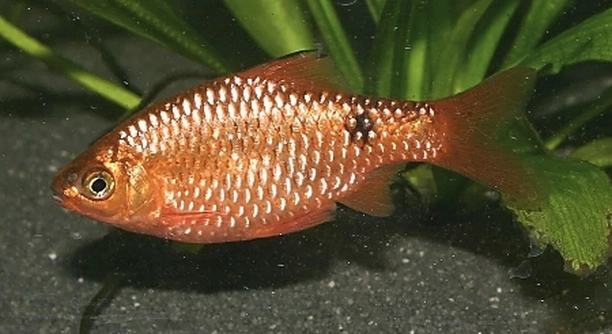
Do you ever watch your rosy barbs swim and wonder how they react to their own reflections? These lively fish are often seen exploring their tanks, sometimes interacting with mirrors or shiny surfaces. Their behavior can be quite interesting to observe.
Rosy barbs do show curiosity toward reflections, often mistaking them for other fish. This reaction is a natural response linked to their social nature and instinct to recognize companions or rivals in their environment.
Understanding how rosy barbs respond to reflections can help you create a more engaging and comfortable home for them in your aquarium.
How Rosy Barbs React to Their Reflections
When rosy barbs see their reflections, they often behave as if there is another fish nearby. This can lead to various responses like swimming closer, displaying colors more brightly, or even showing signs of mild aggression. These fish are social creatures, so they naturally respond to what looks like a companion or competitor. Sometimes, they will repeatedly approach and retreat from the mirror or shiny surface, trying to understand what they see. Their reactions may vary depending on the individual fish’s temperament and past experiences. Over time, they might get used to the reflection and stop reacting as strongly. This behavior shows that rosy barbs are aware of changes in their environment and can distinguish between real fish and reflections, but they still react instinctively to the image.
Observing these behaviors can be quite rewarding for those who keep rosy barbs as pets. It reveals a lot about their social instincts and intelligence.
Knowing how they respond to reflections helps aquarium owners design better tanks and avoid stressing their fish. Keeping reflections limited or controlled ensures the fish feel secure and reduces unnecessary aggression. It’s also a simple way to enrich their environment by providing visual stimuli, which can keep them active and healthy.
The Benefits of Visual Stimulation for Rosy Barbs
Visual stimuli like reflections can help keep rosy barbs alert and engaged. It encourages natural behaviors and helps reduce boredom.
However, too much exposure to reflections can cause stress or aggressive behavior. Rosy barbs might spend excessive energy reacting to their own image, which can affect their overall well-being. In small tanks or when mirrors are left inside, this effect can become overwhelming. It’s important to balance stimulation with comfort, providing hiding spots and peaceful areas where fish can retreat. Using tank decorations and plants can help break up reflections naturally. This creates a more varied environment that mimics their natural habitat. Visual interest is good, but it should never become a source of constant agitation. Finding this balance allows rosy barbs to thrive and display their best colors and behaviors.
Managing Reflections in Your Aquarium
Reflections can sometimes confuse rosy barbs and cause them to act stressed or aggressive. Managing these reflections is important for maintaining a calm tank environment.
One way to reduce reflections is by adjusting the lighting in the aquarium. Bright lights or direct sunlight can create strong reflections on the glass, making fish think there are rivals nearby. Using softer or indirect lighting helps minimize this effect. Another option is to place a background on the outside of the tank. This blocks reflections and gives the fish a more natural setting to feel secure. Some aquarists also use plants or decorations to break up reflective surfaces inside the tank, which distracts the fish from seeing their own image too clearly.
Regularly observing your rosy barbs’ behavior can help you notice if reflections are causing any stress. Small changes like repositioning the tank or adjusting light sources can make a big difference in how comfortable your fish feel.
Signs Your Rosy Barbs Are Stressed by Reflections
If your rosy barbs keep chasing or attacking their reflection, they might be stressed. Watch for repeated aggressive behavior or rapid darting.
Stress can lead to health problems in fish, such as weakened immune systems or loss of color. Over time, this constant agitation can cause exhaustion or injury. Fish may also stop eating or hide more often when stressed. It’s important to create a peaceful environment where they feel safe. Limiting exposure to mirrors or shiny surfaces can help. You can also try rearranging the tank decorations to reduce reflective areas. Stress signs should be taken seriously, as they affect the overall wellbeing of your rosy barbs. Adjusting their environment to reduce reflection-related stress is key to keeping them healthy and happy.
Encouraging Natural Behavior in Rosy Barbs
Rosy barbs thrive when they have space to swim freely and interact with their tank mates. Providing hiding spots helps them feel secure and encourages natural exploration.
Adding plants and decorations mimics their natural habitat and reduces boredom. This environment supports healthy social behavior and reduces stress caused by reflections or tank emptiness.
How Tank Size Affects Rosy Barb Behavior
A larger tank gives rosy barbs room to swim away from reflections and reduce confrontations with their own image. Crowded tanks increase stress and aggressive responses. Proper tank size supports their natural schooling behavior and keeps them calmer, leading to better health and vibrant colors.
Using Mirrors as Enrichment Tools
Mirrors can sometimes be used briefly to stimulate rosy barbs, but should be introduced carefully to avoid stress.
When to Remove Reflective Surfaces
If your rosy barbs show signs of constant stress or aggression, it’s best to remove or cover reflective surfaces quickly.
FAQ
Do rosy barbs recognize themselves in reflections?
Rosy barbs do not have self-recognition like some higher animals. They see their reflection as another fish rather than themselves. This often triggers social or territorial behaviors, as they try to interact or defend their space. It’s a natural response based on instinct, not self-awareness.
Is it harmful for rosy barbs to see their reflection often?
Frequent exposure to reflections can cause stress or aggression in rosy barbs. If they keep reacting strongly, it may lead to exhaustion or injury. Occasional reflection can stimulate activity, but constant exposure should be avoided to maintain their health and well-being.
How can I reduce reflections in my aquarium?
Reducing reflections involves controlling lighting and tank placement. Use indirect or softer lights instead of direct, bright lighting. Placing a solid background on the tank’s outside can block unwanted reflections. Inside the tank, plants and decorations help break up reflective surfaces.
Can reflections be used as enrichment for rosy barbs?
Yes, but with caution. Short exposure to mirrors can stimulate curiosity and activity. However, it should be limited to prevent stress or aggressive behavior. Monitoring your fish’s response is key to deciding how long or often to use this enrichment.
Why do rosy barbs sometimes chase their reflection aggressively?
This behavior comes from their natural territorial instincts. They mistake the reflection for a rival and try to assert dominance. Aggression toward reflections can increase in smaller tanks or when fish feel crowded.
Will all rosy barbs react the same to reflections?
No, individual fish vary. Some may ignore reflections after a while, while others stay reactive. Factors include personality, tank conditions, and how often they see their reflection. It’s important to observe your specific fish and adjust the environment accordingly.
Is it better to keep shiny objects out of a rosy barb tank?
Generally, yes. Shiny objects can create confusing reflections that cause stress. Avoid placing mirrors or reflective decorations unless carefully monitored. It’s best to create a natural-looking environment with plants and non-reflective décor.
Can reflection stress affect rosy barb health?
Yes, prolonged stress weakens their immune system and can lead to illness or color fading. Stress also reduces appetite and makes fish more vulnerable to diseases. Managing reflections helps keep them healthy and active.
How big should my tank be to minimize reflection stress?
A larger tank allows fish to swim away from reflections and lowers stress. For rosy barbs, a minimum of 20 gallons is recommended, with more space preferred for groups. Adequate space supports schooling behavior and helps reduce aggressive reactions.
Should I use a background on my aquarium?
Using a background is a simple way to block reflections from outside the tank. It also creates a more natural setting, helping fish feel secure. Backgrounds reduce confusion and stress caused by seeing their own image repeatedly.
What signs show that rosy barbs are stressed by reflections?
Look for repeated chasing of reflections, rapid swimming, hiding more often, loss of color, or reduced appetite. Aggression toward tank mates can also increase. These signs suggest the fish are uncomfortable and need changes in their environment.
How can I tell if my rosy barbs are bored or stressed?
Bored fish may swim lazily or show little interest in their surroundings, while stressed fish show frantic or aggressive behavior. Both conditions can occur if the tank environment lacks variety or causes confusion from reflections.
Is it okay to use mirrors for short playtime with rosy barbs?
Short, supervised use of mirrors can stimulate activity and curiosity. It should be limited to avoid causing prolonged stress. Always watch your fish carefully and remove the mirror if aggressive or stressed behavior appears.
Can reflections affect breeding behavior in rosy barbs?
Reflections may confuse breeding behavior by making fish think there are rivals or mates. This can increase aggression or disrupt normal breeding patterns. Creating a calm, natural environment with minimal reflections supports healthier breeding.
What should I do if my rosy barbs are constantly attacking their reflection?
If aggression persists, remove or cover reflective surfaces immediately. Adjust lighting and tank decorations to reduce reflections. Consider adding more plants or hiding spots so fish can retreat. Monitoring behavior daily helps ensure stress is under control.
Rosy barbs are active and social fish that often respond to their reflections with curiosity or territorial behavior. Understanding how they react can help you create a better environment for them in your aquarium. Reflections can sometimes cause confusion, making the fish think they see other rosy barbs nearby. This can lead to chasing, flashing colors, or even mild aggression. While this behavior is natural, too much exposure to reflections might stress the fish. Watching your rosy barbs closely will help you notice if they are reacting strongly and if any changes are needed to keep them comfortable.
Managing reflections in the tank is important to reduce stress and maintain peace among rosy barbs. Adjusting the lighting and placing a background on the aquarium are simple ways to limit reflections. Decorations and plants also help break up reflective surfaces inside the tank, making the environment more natural and less confusing for the fish. Providing enough space and hiding spots allows rosy barbs to swim away from their reflections and feel safe. These small changes can make a big difference in their behavior and health, helping them stay calm and happy.
Overall, keeping an eye on how your rosy barbs behave around reflections will help you maintain a healthy tank. If you notice signs of stress or aggression caused by reflections, take steps to reduce them. Using reflections sparingly as enrichment can be useful, but it should never cause constant agitation. The goal is to create a balanced, peaceful environment that encourages natural behavior and supports the wellbeing of your fish. By understanding and managing their responses to reflections, you can enjoy watching your rosy barbs thrive.

Hello,
If you enjoy the content that we create, please consider saying a "Thank You!" by leaving a tip.
Every little bit helps us continue crafting quality advice that supports the health, happiness, and well-being of pets around the world, for pets of all shapes, sizes, and species.
We really appreciate the kindness and support that you show us!