
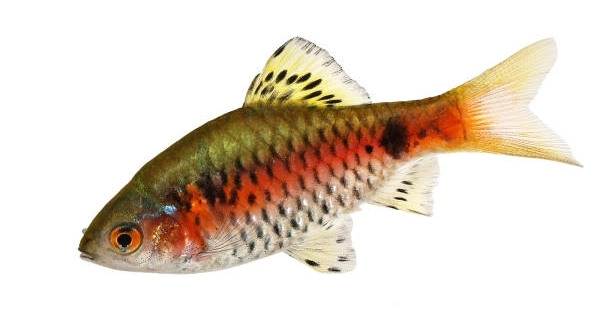
Many aquarium enthusiasts enjoy keeping Rosy Barbs for their lively behavior and vibrant colors. Sometimes, these fish may nudge or bump into their tank mates. This action can be puzzling for owners who want to understand their fish’s interactions.
Rosy Barbs nudge others mainly to establish social hierarchy, assert territory, or communicate during feeding times. This behavior is typical in schooling fish and helps maintain group structure and reduce conflict within the tank environment.
Recognizing these patterns can improve your understanding of your fish’s social needs. Knowing why they behave this way helps create a more harmonious aquarium community.
Understanding Rosy Barb Behavior
Rosy Barbs are active, social fish that interact with others through various behaviors, including nudging. This nudging is part of their natural communication and helps them navigate social dynamics within the tank. When a Rosy Barb nudges another, it may be asserting dominance or testing boundaries. Sometimes, it is simply a way to get attention or encourage movement. These fish thrive in groups, and this physical contact helps maintain order. The behavior can also occur during feeding when competition for food arises. In a well-maintained tank, nudging rarely leads to harm but serves as a way to establish a peaceful balance among the fish. Observing these interactions can help owners understand their fish’s social structure and identify if the tank environment needs adjustments to reduce stress or overcrowding.
Nudging is a normal social behavior that helps Rosy Barbs maintain group harmony and communicate their needs.
Knowing this behavior allows you to provide better care and a calmer tank environment for all your fish.
Managing Aggressive Nudging
Aggressive nudging can become a problem if it leads to stress or injury among fish. Keeping the tank clean and well-maintained helps reduce aggression. Providing enough space and hiding spots can also lessen tension. Overcrowding increases competition and causes more frequent nudging, so tank size and fish population must be balanced. Feeding your Rosy Barbs properly and on time reduces food-related aggression. Watching your fish regularly allows you to spot signs of excessive aggression early. If nudging becomes harmful, separating the most aggressive individuals or rearranging tank decorations to break up territories can be effective. Creating a stable environment helps maintain peaceful interactions and protects all fish from stress or injury.
Causes of Frequent Nudging
Frequent nudging can be a sign of stress or competition in the tank. Overcrowding, poor water quality, or lack of hiding places may increase this behavior. It is important to assess the tank conditions when noticing persistent nudging.
Stress caused by overcrowding often leads Rosy Barbs to become more aggressive. When space is limited, fish feel threatened and try to assert dominance through nudging. Poor water conditions can also increase stress, making fish more irritable. Lack of hiding spots reduces places for fish to retreat, causing constant interaction and nudging. Feeding routines may also play a role; if food is scarce or unevenly distributed, competition can increase nudging behavior. Observing your tank’s environment and fish behavior closely helps identify these causes and improve conditions.
Regular water changes, proper tank size, and adding decorations or plants can reduce nudging caused by stress. Providing enough food and maintaining good water quality are essential. Monitoring the tank closely allows you to make changes before the behavior becomes harmful. Adjusting these factors creates a balanced and peaceful environment for your Rosy Barbs.
When Nudging Becomes a Problem
Nudging turns into a problem if it causes injury or persistent stress. If fish show signs of damage or hiding too much, action is needed.
Addressing excessive nudging often requires environmental changes. Increasing tank size or reducing the number of fish can ease competition and lower stress levels. Adding more plants or decorations gives fish places to escape and reduces direct contact. Ensuring consistent feeding times and adequate food helps prevent food-related aggression. In some cases, isolating the most aggressive fish temporarily can restore peace. It is important to act early, as prolonged stress weakens fish immune systems and can lead to illness. Observing behavior daily helps catch issues before they escalate. Maintaining a calm and healthy tank environment supports the well-being of all your fish and prevents nudging from becoming harmful.
Signs of Excessive Nudging
Excessive nudging may cause visible injuries like torn fins or scales. Fish might also hide more often or show signs of stress such as rapid breathing or loss of color.
These signs indicate the need to adjust the tank environment. Ignoring them can lead to serious health issues for your Rosy Barbs.
How to Create a Peaceful Tank Environment
Maintaining good water quality is key to reducing stress and aggressive behavior. Regular water changes and monitoring ammonia, nitrite, and nitrate levels keep the tank safe. Providing plenty of space, plants, and decorations allows fish to establish territories and hide when needed. Avoid overcrowding to reduce competition. Feeding fish consistently and in proper amounts helps prevent food-related aggression. Watching your fish closely helps you spot problems early and make adjustments as needed. Creating a peaceful tank supports the health and happiness of your Rosy Barbs.
When to Seek Expert Advice
If aggressive nudging persists despite changes, consulting a fish care specialist is recommended.
FAQ
Why does my Rosy Barb keep nudging only one fish?
Rosy Barbs often target one fish to establish dominance or test social rank. This behavior can also happen if that particular fish is weaker or smaller. The nudging helps reinforce the hierarchy and boundaries within the group. If the nudged fish shows signs of stress or injury, separating them or adding more hiding spots can help reduce tension.
Is nudging a sign of aggression or play?
Nudging can be both. In many cases, it is a normal social interaction or playful behavior among Rosy Barbs. However, if nudging becomes frequent, forceful, or causes injury, it may indicate aggression. Monitoring your fish’s overall behavior and physical condition will help you distinguish between harmless nudging and harmful aggression.
How much space do Rosy Barbs need to prevent aggressive nudging?
A minimum tank size of 30 gallons for a small group of Rosy Barbs is recommended to reduce competition and stress. More space allows fish to establish territories and avoid constant contact. Overcrowding increases aggressive nudging and stress, so avoid keeping too many fish in a small tank.
Can changing the tank layout reduce nudging?
Yes. Adding plants, rocks, or decorations breaks up open space and creates hiding spots. This helps reduce direct line of sight between fish and lowers aggressive behavior. Rearranging the layout periodically can prevent territorial disputes from becoming too intense.
Does feeding routine affect nudging behavior?
Yes, feeding plays a role. Irregular feeding times or insufficient food can increase competition and nudging during mealtime. Providing enough food and feeding consistently reduces food-related aggression. Spreading food evenly across the tank also helps.
Is nudging more common during breeding season?
Yes, during breeding or spawning, Rosy Barbs may nudge more to assert dominance or court mates. This behavior is usually temporary and less harmful. Keeping the tank environment calm and stress-free can minimize excessive nudging during this period.
What should I do if my fish get injured from nudging?
Separate injured fish to allow healing and prevent further damage. Improve tank conditions by adding hiding places and checking water quality. Treat any wounds with appropriate aquarium medications if necessary. Reducing stress and aggression helps prevent repeated injuries.
Can mixing Rosy Barbs with other species affect nudging?
Yes, tank mates can influence behavior. Some species may provoke or tolerate nudging differently. Choose compatible fish to maintain balance. Avoid very timid or slow-moving fish that could be stressed by active Rosy Barbs. Research compatibility before introducing new fish.
How can I tell if nudging is causing stress?
Look for signs like hiding, loss of appetite, faded colors, rapid breathing, or unusual swimming patterns. These symptoms suggest stress and may require changes in tank setup or population. Early intervention helps maintain fish health.
Are there any natural ways to calm Rosy Barbs?
Maintaining stable water parameters, a proper diet, and a well-decorated tank with hiding spots supports calm behavior. Reducing sudden changes in light or noise also helps. Stress-free fish tend to be less aggressive and nudging decreases naturally.
Final Thoughts
Rosy Barbs are lively and social fish, and their nudging behavior is a natural part of how they interact. This nudging helps them communicate and maintain order within their group. While it can sometimes seem concerning, nudging usually does not mean harm. Understanding why your Rosy Barbs nudge helps you better care for their needs. It also allows you to create a tank environment where they feel safe and comfortable. Observing their behavior closely will help you notice when nudging is normal and when it might be a sign of stress or aggression.
Proper tank management is key to keeping nudging at a healthy level. Providing enough space, hiding places, and good water quality reduces stress and competition. Overcrowding and poor tank conditions often increase nudging and aggressive behavior. Feeding your fish regularly and ensuring there is enough food to go around also helps lower competition during mealtime. If nudging becomes excessive or causes injuries, small changes to the tank setup or fish population can often fix the problem. Taking these steps protects your fish’s health and promotes a peaceful tank atmosphere.
Paying attention to your Rosy Barbs’ behavior helps prevent problems before they grow. Early action is important because prolonged stress or injury can affect fish health and lifespan. If nudging remains a concern despite your efforts, seeking advice from a fish care expert can be helpful. Overall, understanding the reasons behind nudging and managing your tank properly leads to happier, healthier fish. This creates an enjoyable and relaxing aquarium for both you and your Rosy Barbs.

Hello,
If you enjoy the content that we create, please consider saying a "Thank You!" by leaving a tip.
Every little bit helps us continue crafting quality advice that supports the health, happiness, and well-being of pets around the world, for pets of all shapes, sizes, and species.
We really appreciate the kindness and support that you show us!