
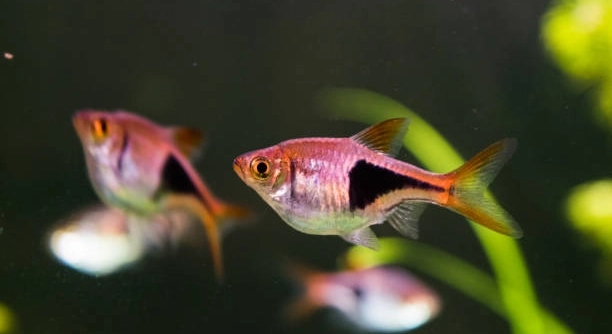
Do you ever find yourself observing your aquarium and noticing how your rasboras swim together? These small, peaceful fish seem to form groups, moving in unison and responding to their surroundings with subtle cues. Their social behavior is quietly fascinating.
Rasboras are capable of recognizing each other over time. Studies indicate that these fish can remember familiar tank mates, showing preferences for familiar individuals and adjusting their social interactions based on past experiences. This recognition contributes to group cohesion and reduced aggression.
Understanding this behavior can improve how you manage your aquarium and support healthy social dynamics among your fish. It reveals the complexity behind their simple, elegant movements.
How Rasboras Recognize Each Other
Rasboras rely on visual and chemical cues to identify familiar tank mates. Over time, they learn the unique patterns, swimming habits, and subtle movements of other fish in their group. This recognition helps reduce conflict and promotes smoother social interactions within the school. Fish that have spent weeks together often display calmer behavior when swimming alongside known individuals, showing preference for established companions. Recognition is not only about avoiding aggression but also about maintaining a sense of stability within the group. It allows each fish to navigate the tank with confidence, understanding who belongs in their immediate vicinity and who may be a newcomer. Even minor changes in the environment or the addition of new fish can influence how rasboras interact, making familiarity crucial for consistent social harmony. Overall, this behavior reflects an impressive ability to remember and adapt to others, enhancing the overall balance and well-being of the aquarium.
This recognition ability makes it easier to manage a peaceful tank and maintain cohesion among the school.
Familiarity among rasboras is built gradually. Fish that swim together for extended periods develop mutual awareness and respond more predictably to each other. Over weeks, they form associations based on patterns, scent, and swimming style. These connections strengthen the group and reduce stress. Newly introduced fish may take time to integrate, and observing how established fish react can guide adjustments. When rasboras recognize each other, they navigate the tank more efficiently, showing less erratic behavior and fewer territorial disputes. The process highlights their cognitive capacity and adaptability. Understanding these dynamics allows for a healthier, calmer aquarium environment, where each fish can thrive without unnecessary tension.
Signs Your Rasboras Remember Each Other
Rasboras that recognize each other often swim closer and mirror movements, creating a harmonious school.
Recognition among rasboras is evident through behavior and interactions. Fish that remember their companions display coordinated swimming, reduced chasing, and minimal aggression. When separated and reunited, they quickly resume familiar patterns, indicating memory retention. The familiarity also influences feeding, as recognized tank mates share space without competitive stress. Over time, consistent behavior reinforces group stability, and even small changes in routine or tank composition can be accommodated more smoothly. Observing these signs helps ensure that the aquarium remains a balanced and low-stress environment. Fish that consistently show recognition patterns are less likely to develop anxiety-related behaviors. Careful monitoring of social cues allows adjustments, like gradual introduction of new fish or rearranging decorations to reduce tension. Understanding these subtle interactions offers insight into their intelligence and contributes to maintaining a peaceful aquatic community where all members thrive together.
Memory Span of Rasboras
Rasboras can remember other fish for weeks, sometimes months, depending on tank conditions and social interactions. Their memory helps maintain group stability and reduces stress when navigating shared spaces or interacting with familiar companions.
Memory in rasboras is shaped by repeated interactions and environmental cues. Fish exposed to consistent tank mates gradually learn who is part of the group and who is new. This learning involves recognizing swimming patterns, coloration, and subtle behavioral signals. Memory retention supports coordinated swimming, allowing the school to move fluidly and avoid conflicts. When new fish are introduced, established rasboras rely on memory to assess their behavior and integrate them slowly. The stronger the memory, the smoother the social dynamics, as familiar fish naturally gravitate toward each other. Environmental stability, such as consistent feeding schedules and tank layout, further reinforces memory, helping fish recall familiar companions and respond appropriately over time.
Long-term memory in rasboras also affects feeding and territory management. Fish recognize individuals and adjust interactions accordingly, reducing competition and stress. Memory aids in social hierarchy and ensures the school remains cohesive.
Factors Affecting Recognition
Tank size, decorations, and water quality all influence how effectively rasboras recognize each other. Crowded or complex environments can make it harder to track familiar fish.
Recognition is also affected by stress and health. Ill or stressed fish may not interact normally, impairing memory and social behavior. Consistent routines, gentle handling, and maintaining water quality improve recognition abilities. Familiar fish show reduced aggression and smoother schooling behavior. Social bonding depends on stable conditions, and any sudden changes in temperature, pH, or tank composition can disrupt recognition. Introducing new fish gradually and monitoring interactions ensures memory retention is not compromised. Environmental stability allows rasboras to rely on past experiences and familiar companions when navigating their surroundings.
Other factors include age and species variations. Younger fish may take longer to recognize peers, while older, experienced fish display stronger social memory. Recognizing these differences helps in managing diverse groups and maintaining harmony in mixed-species tanks. Overall, understanding these influences allows for better planning and care, ensuring rasboras thrive together without unnecessary stress or conflict.
Social Behavior and Recognition
Rasboras tend to form tight schools, and their recognition of each other helps maintain group cohesion. Familiar fish swim together calmly, reducing stress and aggression while encouraging coordinated movements throughout the tank.
Recognition also impacts feeding behavior. Fish that remember each other share space more peacefully, preventing constant competition and ensuring all members get access to food without unnecessary tension.
Introducing New Fish
New additions should be introduced gradually to avoid disrupting established recognition patterns. Observing interactions helps determine if integration is proceeding smoothly.
Signs of Stress
Stress can interfere with recognition. Fish that hide, chase, or show erratic swimming may struggle to remember or interact properly with familiar companions.
FAQ
Do rasboras truly remember each other?
Yes, rasboras are capable of remembering other fish they have interacted with over time. They rely on visual and chemical cues to recognize familiar companions. This memory allows them to swim together smoothly, reduce conflicts, and maintain stable social groups within the tank.
How long can rasboras remember their tank mates?
Memory in rasboras can last for several weeks to months, depending on environmental stability and social consistency. Regular interactions and a consistent tank layout help reinforce their memory, while sudden changes can temporarily disrupt recognition and social behavior.
What behaviors indicate recognition among rasboras?
Recognized companions often swim closer together and mirror movements. They display less chasing or aggression, feed without competition, and maintain coordinated schooling. Reunited fish quickly resume familiar patterns, showing that they remember past interactions and prefer familiar individuals.
Can introducing new fish affect recognition?
Yes, adding new fish can temporarily disturb social balance. Established rasboras may show initial stress or aggression toward newcomers. Gradual introductions and careful observation help integrate new fish without compromising recognition and cohesion among existing tank mates.
Does tank size affect recognition?
Tank size influences how easily rasboras can identify each other. Smaller tanks may facilitate recognition due to constant proximity, while very large or heavily decorated tanks can make it harder for fish to track familiar companions, delaying memory formation.
Do stress and health impact memory?
Stressed or unhealthy fish may fail to interact normally, affecting recognition. Poor water quality, illness, or abrupt environmental changes can impair memory, causing erratic swimming, hiding, or aggression. Maintaining optimal conditions supports memory retention and smooth social behavior.
Do younger rasboras recognize each other as easily as adults?
Younger fish often take longer to form recognition patterns. Adults typically display stronger memory and established social preferences. Age, experience, and prior interactions all influence how quickly fish identify familiar companions and adapt to group dynamics.
Can recognition affect feeding behavior?
Yes, familiar fish share space more peacefully during feeding. Recognition reduces aggressive competition for food and ensures that all members of the school can eat without stress. Fish are calmer and more predictable when feeding with known companions.
Are there species differences in recognition ability?
Different rasbora species may vary in memory capacity and social behavior. Some species are more social and rely heavily on recognition for schooling, while others may form looser groups. Understanding these differences helps manage mixed-species tanks effectively.
How can I encourage recognition in my aquarium?
Maintaining consistent tank mates, stable water conditions, and a predictable routine strengthens recognition. Avoid frequent rearrangements or sudden introductions, and observe interactions to ensure all fish adapt smoothly. Familiarity grows naturally when fish share space and regular interactions over time.
What signs suggest recognition is not working?
Signs include constant chasing, hiding, erratic swimming, and frequent stress-related behaviors. These may indicate poor memory, overcrowding, or environmental issues. Addressing these factors restores normal social interactions and supports memory-based recognition within the school.
Does recognition improve group cohesion?
Yes, when rasboras remember each other, the school swims more fluidly, aggression decreases, and stress is minimized. Recognition fosters trust, stability, and predictable social patterns, ensuring the group functions harmoniously over time.
Can recognition help prevent injuries?
Recognized tank mates are less likely to fight. Memory reduces misunderstandings and aggressive encounters, lowering the risk of injury. Fish that are familiar with each other navigate shared space safely, avoiding conflicts that often arise among strangers.
Do environmental changes affect recognition?
Significant changes in tank layout, decorations, or lighting can temporarily confuse fish. While recognition is resilient, sudden environmental shifts may disrupt established patterns. Gradual adjustments allow fish to adapt while maintaining their memory of familiar companions.
Is recognition important for long-term health?
Yes, social stability reduces stress, which supports immune function and overall well-being. Fish that recognize each other experience less anxiety, have smoother schooling behavior, and maintain better health in a predictable and stable environment.
How can observation help maintain recognition?
Careful monitoring allows you to see interactions, identify stress, and assess social bonds. Observing feeding, swimming patterns, and group cohesion helps ensure recognition remains intact, guiding adjustments in introductions, tank setup, or care routines.
Do all rasboras in a tank recognize each other equally?
Not always. Dominant or older fish may establish stronger bonds, while newcomers or weaker individuals may take longer to be recognized. Social hierarchy, age, and individual behavior all influence recognition patterns within the group.
Can recognition decline over time?
Memory may weaken if fish are stressed, sick, or isolated. Extended separation from familiar companions can also reduce recognition, though regular interaction typically restores memory and group cohesion. Consistent care and environment support long-term recognition among rasboras.
Does recognition affect breeding behavior?
Familiarity among tank mates can reduce stress, indirectly supporting reproductive behavior. Fish that feel safe and recognized are more likely to display natural courtship and spawning activities, benefiting breeding success in a stable aquarium environment.
What role do chemical cues play in recognition?
Chemical signals from mucus, urine, or pheromones help rasboras identify companions. These cues complement visual observations, allowing fish to recognize familiar individuals even in partially obscured or dimly lit tanks. Chemical communication strengthens memory-based social interactions and cohesion.
Can recognition skills be enhanced naturally?
Yes, by maintaining consistent companions, minimizing sudden changes, and allowing repeated interactions. Gradual introductions, stable routines, and careful monitoring encourage fish to remember each other, promoting long-lasting social bonds.
How quickly do rasboras learn to recognize each other?
Recognition develops over days to weeks. Fish gradually observe and memorize visual and behavioral cues from companions. Consistent exposure and stable conditions accelerate learning, while frequent disruptions or new introductions slow the process.
Are there limitations to recognition?
While rasboras have good social memory, extreme changes in tank composition, overcrowding, or stress can interfere. Memory is not limitless, and fish may occasionally fail to recall all companions accurately, particularly in complex or unstable environments.
Does recognition affect hierarchy?
Yes, familiarity helps establish social ranking. Recognized companions understand each other’s roles, reducing conflict. Memory reinforces social structure, ensuring interactions are predictable, and dominant-subordinate relationships are maintained smoothly.
Can recognition be measured or observed scientifically?
Yes, behavioral studies track interactions, swimming patterns, and aggression levels. Recognized fish show predictable behavior, coordinated schooling, and reduced chasing. These observations confirm memory and recognition in controlled aquarium settings, providing evidence of cognitive capabilities in rasboras.
Is recognition unique to rasboras?
No, many schooling fish display recognition, but rasboras are notable for their subtle social cues and memory retention. Their ability to remember companions highlights complex social intelligence even in small aquarium species.
How does recognition improve tank harmony?
Recognized companions swim calmly, share space, and avoid unnecessary conflicts. This reduces stress, promotes health, and creates a visually pleasing and balanced aquarium environment, demonstrating the practical benefits of social memory.
What practical steps support recognition?
Maintain stable tank mates, consistent routines, gradual introductions, and good water quality. Monitor behavior for signs of stress or aggression. Providing a predictable environment strengthens memory, social cohesion, and overall health in your rasboras.
Does recognition vary by individual personality?
Yes, some fish are naturally more social or cautious. Personality affects how quickly a fish learns and remembers companions. Recognizing these differences helps in arranging tanks and managing social dynamics effectively.
Can recognition help reduce bullying?
Familiarity reduces aggressive interactions, as fish remember companions’ behaviors and social rank. Recognized fish are less likely to be harassed, creating a calmer and safer environment for all members.
Do changes in lighting or decoration impact recognition?
Subtle changes may cause temporary confusion, but fish often adapt. Abrupt or frequent modifications can disrupt established recognition patterns, so gradual adjustments are recommended to maintain social stability.
Can recognition influence overall behavior in the tank?
Yes, recognized companions swim together predictably, feed calmly, and respond appropriately to tank mates. This leads to consistent schooling patterns, reduced stress, and a more harmonious aquarium ecosystem.
Does recognition contribute to long-term well-being?
Recognition supports low-stress social structures, which improves immune function, reduces anxiety, and encourages natural behaviors. Fish that remember each other are healthier, calmer, and more likely to thrive in a stable environment.
Are there visual cues that are more important than others?
Patterns, swimming style, and movement consistency are key visual indicators. Fish rely on these cues to differentiate companions, alongside chemical signals, creating a multi-layered recognition system.
Do all rasboras show the same recognition skills?
Recognition varies by species, age, personality, and prior experiences. Some are faster learners or more social, while others may require longer exposure to form memory of companions. Understanding these differences helps manage mixed groups effectively.
How can I observe recognition in my aquarium?
Watch schooling patterns, feeding behavior, and reactions to reunions. Fish that swim together calmly, mirror movements, and avoid chasing demonstrate recognition. Observing these interactions provides insight into social memory and cohesion.
Does recognition impact breeding success?
Yes, calm and familiar environments reduce stress and allow natural courtship. Fish that recognize companions are more likely to display proper breeding behaviors, increasing reproductive success.
What is the role of repeated interactions in recognition?
Repeated exposure reinforces memory. Fish that frequently interact with the same companions remember them better, resulting in smoother social dynamics, reduced aggression, and coordinated group behavior.
Can recognition be disrupted?
Yes, isolation, stress, sudden tank changes, or introduction of unfamiliar fish can temporarily impair recognition. Returning to stable conditions allows memory and social patterns to recover naturally.
Do chemical and visual cues work together for recognition?
Yes, chemical signals complement visual observations. Together, they allow rasboras to identify companions reliably, even in partial visibility, supporting memory retention and social harmony.
Can recognition improve over time?
Yes, as fish continue interacting in a stable environment, their memory strengthens. Recognized companions become easier to identify, and social cohesion becomes more pronounced, enhancing overall tank stability.
How does recognition benefit aquarium management?
Understanding recognition helps prevent stress, manage feeding, reduce aggression, and ensure smooth integration of new fish. Knowledge of these patterns allows for a calmer, healthier, and more balanced aquarium.
Are there limitations to observational methods?
Subtle cues may be missed without careful monitoring. Some behaviors, like chemical recognition, are not visible. Consistent observation and awareness of multiple factors improve understanding of recognition and memory in rasboras.
Does recognition impact tank aesthetics?
Yes, recognized fish swim harmoniously, creating smooth schooling patterns that are visually pleasing. Calm and coordinated movement enhances the overall appearance of the aquarium, reflecting a healthy social structure.
What environmental factors most affect recognition?
Tank size, decorations, water quality, lighting, and consistent routines all influence how well fish remember companions. Stable conditions support recognition, while abrupt or extreme changes can temporarily disrupt social memory.
Can recognition prevent social stress?
Yes, familiar companions reduce uncertainty, aggression, and competition. Memory of companions provides predictability, lowering stress levels and promoting calmer, healthier interactions.
How do I know if recognition is established?
Indicators include coordinated swimming, calm feeding, minimal aggression, and quick adaptation after separation. Observing consistent, harmonious behavior shows that fish recognize and remember each other effectively.
Can recognition fail in mixed-species tanks?
Yes, differing social behaviors or memory capacity can make recognition less reliable. Careful species selection and observation help ensure social stability and reduce stress in mixed groups.
Is recognition more important in small or large groups?
Recognition is crucial in both, but small groups may form bonds faster due to constant interaction. Larger schools benefit from recognition to maintain cohesion and reduce conflict, ensuring smooth group dynamics.
Does recognition affect daily routines?
Yes, familiar companions move, feed, and interact predictably. Fish that remember each other experience fewer disruptions, maintain routine behaviors, and navigate the tank more efficiently.
Can recognition be influenced by feeding schedules?
Consistent feeding reinforces memory by providing repeated interactions in predictable conditions. Irregular schedules can disrupt established patterns, while regular routines support recognition and reduce competition.
Does recognition affect overall tank harmony?
Yes, it promotes calm schooling, reduces conflict, and ensures all fish share space effectively. Memory of companions is a key factor in maintaining a stable, low-stress aquarium environment.
Can recognition be restored after disruption?
Yes, stable conditions, consistent companions, and gradual reintroduction allow fish to rebuild memory and social bonds. Fish adapt quickly once stressors are removed, reestablishing harmonious interactions.
Is recognition linked to intelligence?
Recognition demonstrates cognitive abilities, including memory, learning, and social awareness. Rasboras show complex behaviors that reflect adaptability and memory retention, indicating notable intelligence for small aquarium fish.
Does recognition affect social hierarchy?
Yes, familiarity allows fish to understand roles and dominance within the group. Recognized companions reduce unnecessary conflict, reinforcing established hierarchy and promoting smoother group dynamics.
Can recognition improve health outcomes?
Yes, reduced stress from familiarity supports immune function, encourages normal behaviors, and lowers risk of injury. Fish that recognize companions tend to live longer, healthier lives in stable environments.
How long does it take for recognition to form in a new tank?
Typically, a few days to several weeks. Fish gradually observe companions, memorize cues, and adjust behavior. Consistent conditions and stable companions accelerate the process, fostering calm and cohesive schooling behavior.
Does recognition influence play or exploration?
Yes, familiar companions encourage more natural behavior. Fish explore, interact, and swim confidently when they recognize those around them. Recognition reduces fear and uncertainty, allowing them to engage with their environment freely.
Can recognition help with tank maintenance?
Yes, calmer, familiar fish are easier to feed, observe, and manage. Predictable social behavior reduces stress during water changes, rearrangements, or introductions, simplifying routine care and ensuring smoother tank management.
Are there long-term benefits of recognition?
Yes, fish that consistently recognize companions experience less stress, stable social interactions, smoother feeding, and coordinated schooling. Memory-based recognition enhances overall health, behavior, and visual appeal of the aquarium.
Does recognition vary by individual experience?
Yes, fish with more exposure to companions or prior stable environments tend to recognize others faster. Experience and repeated interactions strengthen memory, improving social cohesion and reducing conflict in the tank.
Can recognition affect reproduction indirectly?
Yes, reduced stress and stable social groups create favorable conditions for natural breeding behaviors. Fish that feel secure with familiar companions are more likely to court, spawn, and care for eggs successfully.
What is the relationship between recognition and stress reduction?
Familiar companions reduce uncertainty and aggression, lowering cortisol levels and promoting calm behavior. Memory of companions creates a predictable social environment, minimizing stress and supporting overall well-being.
Does recognition require active interaction?
Yes, repeated encounters and observation of companions’ behavior reinforce memory. Fish that interact regularly learn patterns, movements, and social cues, enabling recognition and smooth group dynamics over time.
Can recognition fail in crowded tanks?
Overcrowding increases stress and competition, making it harder for fish to track companions. Memory may be less reliable, and aggressive behavior can rise, disrupting social cohesion. Adequate space supports recognition and reduces conflict.
Do environmental enrichments impact recognition?
Decorations and hiding spots can both help and hinder recognition. They provide comfort but may obstruct sightlines. Balanced tank design allows familiarity while maintaining natural exploration and safe hiding areas.
How do I reinforce recognition after adding new fish?
Introduce newcomers gradually, observe interactions, and maintain stable routines. Allow established fish to adapt without abrupt changes. Over time, memory of companions strengthens, and social cohesion is restored.
Is recognition visible during night or low light?
Chemical cues and memory allow fish to recognize companions even when visibility is low. Visual cues may be limited, but schooling and coordinated behavior continue under dim conditions, showing memory-based recognition.
Does recognition affect energy levels?
Yes, familiar companions reduce stress-related hyperactivity. Fish expend less energy on aggression and chasing, allowing more efficient swimming, feeding, and natural behaviors, improving overall vitality.
Can recognition influence how fish respond to threats?
Recognized companions coordinate better during perceived threats. Schooling behavior is more synchronized, enabling efficient escape and protection. Memory of companions enhances group safety in stressful situations.
Does recognition require stable water conditions?
Yes, fluctuating parameters can stress fish, impair memory, and disrupt social bonds. Stable temperature, pH, and cleanliness support memory retention and ensure consistent recognition among tank mates.
Can recognition affect color and appearance?
Reduced stress from familiarity helps maintain vibrant coloration. Fish that feel secure with known companions display healthier skin and scales, reflecting overall well-being and proper environmental conditions.
How do chemical cues and visual cues interact in recognition?
Chemical signals complement visual observation, allowing fish to confirm identity even when sight is limited. This multi-sensory recognition ensures reliable memory and smooth interactions.
Is recognition stronger in older fish?
Typically, yes. Older or more experienced fish have had more time to learn patterns, recognize companions, and establish social hierarchies. Age enhances memory retention and predictable behavior.
Do rasboras communicate recognition to each other?
Yes, through movement synchronization, schooling patterns, and subtle chemical signals. Recognized fish adjust behavior, showing calm interactions, mirrored movements, and reduced aggression, reinforcing memory and group cohesion.
Does recognition improve tank efficiency?
Yes, familiar companions move predictably, feed calmly, and share space effectively. This makes tank management easier, reduces stress, and supports stable social and environmental conditions.
Can recognition be observed in all tank setups?
Yes, though visibility and tank complexity affect observation. Open spaces reveal schooling patterns, while dense tanks require closer monitoring to notice subtle social cues and memory-based behavior.
Does recognition affect social learning?
Yes, familiar companions model behavior for others. Fish observe and mimic routines, feeding patterns, and swimming movements, strengthening social memory and group cohesion.
Is recognition influenced by past stress events?
Yes, prior stress can temporarily impair memory. Fish may show hesitation or aggression until social bonds are reestablished under stable conditions.
Do rasboras recognize individuals visually or chemically first?
Both are important, but visual cues like swimming patterns and coloration are often primary. Chemical cues reinforce identification, especially in dim or obstructed conditions.
Can recognition reduce mortality?
Yes, calmer, coordinated groups face fewer injuries and less stress, improving survival rates. Memory of companions contributes to safer interactions and overall tank stability.
Do all fish in the school recognize each other equally?
Not always. Dominant, older, or more social fish may have stronger recognition. Less active or younger fish may take longer to form bonds, creating subtle differences in memory and behavior.
Can recognition influence response to feeding schedules?
Rasboras are small, peaceful fish, but their social behavior is surprisingly complex. Their ability to recognize each other plays an important role in how they interact within the school. Familiarity allows them to swim calmly together, reduce aggression, and maintain smoother social dynamics. Fish that remember their companions are more predictable in their movements, which helps the school stay coordinated and avoids unnecessary stress. Recognition also affects feeding behavior, as fish that know each other share space more peacefully and compete less during meals. Overall, memory and recognition are key to ensuring a harmonious environment in the tank, allowing each fish to feel secure and behave naturally.
Maintaining stable tank conditions is essential for supporting recognition. Water quality, tank layout, and consistent routines all influence how effectively rasboras remember their companions. Sudden changes, overcrowding, or stress can temporarily disrupt recognition, leading to aggression or erratic behavior. Gradual introductions of new fish and careful observation of interactions help ensure that social bonds are maintained. Environmental stability reinforces memory, enabling familiar fish to navigate the tank efficiently and feel comfortable with each other. By paying attention to these factors, aquarists can promote long-term social harmony and support the overall health of their fish.
Recognizing the importance of memory in rasboras provides practical benefits for aquarium management. Fish that remember their companions are less stressed, less aggressive, and better able to adapt to changes in the tank. This understanding allows for more thoughtful planning when adding new fish, rearranging decorations, or establishing feeding routines. It also highlights the cognitive abilities of these small fish, demonstrating that even seemingly simple creatures have social awareness and memory. By respecting their natural behavior and fostering stable, familiar conditions, aquarists can create a healthier, calmer, and more visually appealing aquarium where rasboras thrive together.

Hello,
If you enjoy the content that we create, please consider saying a "Thank You!" by leaving a tip.
Every little bit helps us continue crafting quality advice that supports the health, happiness, and well-being of pets around the world, for pets of all shapes, sizes, and species.
We really appreciate the kindness and support that you show us!