
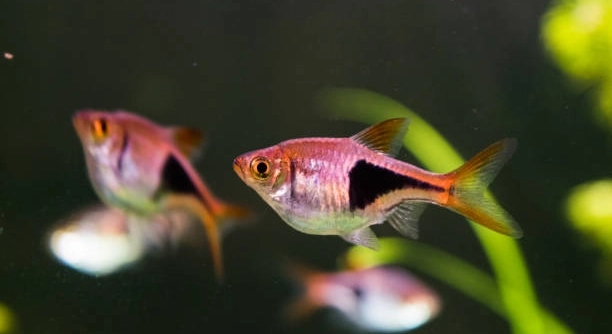
Have you ever noticed your rasboras swimming actively in the tank but wondered if the water temperature affects their behavior? These small, colorful fish are sensitive to changes in their environment and respond to it naturally.
Rasboras generally prefer warm water, typically between 74°F and 80°F. Maintaining a stable, slightly warm environment supports their metabolism, encourages natural swimming patterns, and promotes overall health, reducing stress and susceptibility to common illnesses in aquarium settings.
Keeping the water at the right temperature helps ensure your rasboras thrive, feel comfortable, and display their best colors in the tank.
Understanding Rasboras’ Temperature Needs
Rasboras are tropical fish, so their bodies are adapted to slightly warmer water. Keeping the tank between 74°F and 80°F allows them to stay active and healthy. Cooler water can slow their metabolism, making them less energetic and more prone to illness. Too high a temperature, on the other hand, can increase stress and reduce oxygen levels, which may affect their breathing. Observing your fish daily helps you notice changes in activity or color, which often signal that the water isn’t ideal. Using a reliable heater and thermometer ensures that the tank remains stable. Water changes and regular monitoring of the aquarium environment help maintain consistent conditions. It is also important to avoid sudden temperature fluctuations, as rasboras are sensitive and may react negatively. Gradually adjusting the water temperature if needed helps them acclimate without causing shock or stress.
Monitoring water temperature regularly ensures your rasboras stay healthy and active in the long term.
A consistent water temperature supports normal feeding habits, promotes vibrant coloration, and reduces stress. Rasboras thrive in stable conditions, and even minor fluctuations can impact their behavior. Maintaining the right temperature improves immune function, decreases the risk of disease, and allows them to swim and interact naturally. Ensuring proper temperature creates an environment where they can live comfortably and display natural behaviors.
Signs Your Rasboras Are Uncomfortable
Temperature changes can affect rasboras quickly, and noticing these signs early helps prevent problems.
Fish may become lethargic, hide more, or lose their bright colors when the water is too cold or too warm. You might see slower swimming, irregular breathing, or reduced appetite. Stress from inappropriate temperatures can make them more vulnerable to infections, so keeping a steady, warm environment is critical. Observing their behavior daily and adjusting the tank accordingly ensures they remain active and healthy. Using a thermometer and keeping the heater consistent are practical ways to prevent these issues.
Watching your rasboras closely gives insight into their comfort and overall health. When the water is too cold, they may stay near the bottom of the tank or cluster together. In warmer water, rapid gill movement and erratic swimming are common indicators of stress. Maintaining consistent conditions, performing regular water changes, and monitoring tank equipment all help mitigate these problems. Adjusting the heater gradually allows the fish to acclimate without shock. Additionally, combining proper temperature with clean water and suitable hiding spots creates a comfortable habitat. Tracking their behavior and health over time ensures that you can respond quickly if conditions shift. These small steps make a significant difference in keeping rasboras active, healthy, and vibrant.
Adjusting Your Tank for Optimal Temperature
Small heaters work best for maintaining stable water temperature. Place the heater near water flow to distribute heat evenly. Avoid placing it where fish spend most of their time resting, as concentrated heat can stress them.
Monitoring temperature daily is important. Sudden drops or spikes can make rasboras sluggish or cause hiding. Using a thermometer lets you check if the heater is working properly. In addition, regular water changes help maintain consistency, as adding cold or warm water without adjustment can shock your fish. Gradual temperature adjustments during seasonal changes or tank cleaning reduce stress. Observing behavior during these changes ensures your rasboras adapt well and continue swimming actively.
Proper heater placement and careful temperature monitoring directly influence the fish’s health. A stable environment prevents illness, encourages normal feeding, and keeps their colors bright. Even minor adjustments in placement or monitoring frequency improve tank conditions and help rasboras remain active and stress-free, maintaining overall well-being.
Choosing Between Warm and Cool Water
Warm water enhances metabolism, activity, and color in rasboras. It supports natural swimming patterns and reduces stress, which improves their overall health in the tank.
While cooler water can slow metabolism, it may sometimes be used for short-term purposes, like treating minor diseases, but it is not suitable long-term. Maintaining warmth consistently is key. Fluctuating temperatures can weaken their immune system and cause behavioral changes. Using a thermometer and heater combination ensures the water remains stable. Regular observation and small, gradual adjustments are crucial to keep the fish comfortable.
Warm water creates an environment where rasboras can thrive naturally. Stability prevents illness, promotes regular feeding, and reduces stress levels. Ensuring proper temperature supports growth and vibrant coloration. Too cold water reduces energy and increases susceptibility to infection. By consistently keeping the water slightly warm, the tank becomes a safe space where rasboras can exhibit natural behaviors and interact comfortably. Regular monitoring, proper heater placement, and awareness of seasonal changes all contribute to maintaining the ideal temperature, allowing the fish to flourish and remain healthy over time.
Maintaining Consistent Temperature
Heaters and thermometers are essential for keeping water temperature steady. Check them daily to ensure accuracy and prevent sudden fluctuations that can stress your rasboras.
Avoid placing the tank in direct sunlight or near vents. External temperature changes can interfere with stability and impact fish behavior.
Seasonal Temperature Adjustments
During seasonal changes, water temperature can shift naturally. Gradually adjust the heater to compensate for cooler or warmer room temperatures. Sudden changes can shock rasboras, so increase or decrease temperature by small increments. Regular monitoring and careful adjustments ensure the tank remains stable, supporting their health and activity.
Observing Rasboras’ Reactions
Rasboras’ behavior is a reliable indicator of comfort. Watch swimming patterns, appetite, and color for signs of stress or satisfaction.
FAQ
Do rasboras need a heater all year round?
Rasboras are tropical fish, so they benefit from a heater to maintain warm, stable water year-round. Even if your home feels warm, room temperature can fluctuate, especially at night or during seasonal changes. A reliable heater prevents stress, supports metabolism, and keeps them active.
Can rasboras survive in cooler water?
While they can tolerate slightly cooler water for short periods, prolonged exposure slows their metabolism, reduces activity, and can weaken their immune system. Cooler water is sometimes used temporarily for treating minor diseases, but warm, stable water is necessary for long-term health.
What is the ideal water temperature for rasboras?
The optimal range is 74°F to 80°F. Within this range, rasboras display natural swimming patterns, maintain bright coloration, and have a healthy appetite. Stability is more important than hitting an exact number, so consistent monitoring is key.
How can I tell if my rasboras are too cold?
Signs include sluggish swimming, hiding at the bottom of the tank, reduced appetite, and dull coloration. They may also cluster together in one area, trying to conserve heat. Observing these behaviors helps you adjust the temperature before stress affects their health.
What happens if the water is too warm?
Overly warm water increases their metabolism too much, causing rapid breathing, erratic swimming, and stress. It can also reduce oxygen levels, making it hard for them to breathe comfortably. Keeping the temperature steady prevents these issues and promotes long-term well-being.
How quickly should I adjust the water temperature?
Temperature changes should be gradual, around 1–2°F per day, to avoid shocking the fish. Rapid adjustments can cause stress, weaken their immune system, and sometimes lead to illness. Gradual changes allow the fish to acclimate naturally.
Is a thermometer necessary for every tank?
Yes, a thermometer is essential. It ensures the heater is accurate and that water remains within the ideal range. Even small fluctuations can affect rasboras’ behavior and health, so consistent monitoring is important.
Can seasonal changes affect rasboras?
Yes, room temperature changes can impact the tank. During colder months, extra heating may be needed, and in warmer months, ventilation or partial water changes can prevent overheating. Observing behavior during these shifts ensures comfort.
How often should I check the water temperature?
Daily checks are ideal. Morning and evening readings help spot fluctuations early. Combine this with regular water changes and heater maintenance to maintain a consistent environment.
Can rasboras adapt to slightly cooler or warmer water over time?
They can tolerate minor changes, but extreme shifts or frequent fluctuations cause stress. Long-term adaptation is limited; maintaining a steady, slightly warm environment is always best.
What equipment helps maintain ideal temperature?
A reliable aquarium heater, a thermometer, and, if needed, a heater controller to prevent overheating. Position the heater where water circulation is strong to distribute heat evenly, and avoid placing it near where fish rest.
Does water temperature affect breeding?
Yes, stable, warm water encourages natural breeding behaviors. Cooler or fluctuating water can delay spawning or reduce egg viability. Maintaining proper conditions supports reproductive health and increases chances of successful breeding.
Can temperature changes cause disease in rasboras?
Stress from temperature fluctuations can weaken the immune system, making them more susceptible to infections, fungal growth, or parasites. Consistent warm water reduces stress and helps prevent illnesses naturally.
How do I safely raise or lower the temperature?
Adjust the heater slowly, and if adding water during changes, ensure it matches tank temperature or adjust gradually. Avoid rapid shifts, as they can shock the fish and lead to health problems.
What are common mistakes with tank temperature?
Skipping a heater, relying on room temperature alone, ignoring thermometer readings, and making sudden adjustments. All of these can stress rasboras, reduce activity, or cause illness. Regular monitoring and careful control prevent these issues.
How long does it take for rasboras to acclimate to new temperatures?
With gradual changes, usually a few hours to a day. Sudden shifts require longer recovery and can cause long-term stress. Observing behavior during adjustments ensures they remain healthy and comfortable.
Can temperature affect coloration in rasboras?
Yes, stable warm water enhances colors, while cold or fluctuating water can make them dull. Vibrant colors indicate comfort and good health, so monitoring temperature helps maintain their natural appearance.
Do all rasbora species have the same temperature preference?
Most tropical rasboras prefer 74°F to 80°F, but slight variations exist between species. Checking specific species guidelines ensures optimal conditions, though the general range works for most common types.
How can I prevent temperature-related stress?
Use a heater, thermometer, and stable tank placement. Avoid direct sunlight, drafts, or vents. Perform gradual adjustments and monitor behavior. A consistent, slightly warm environment keeps rasboras active, healthy, and reduces stress effectively.
Are there long-term effects of improper temperature?
Yes, prolonged exposure to cold or fluctuating temperatures can stunt growth, reduce lifespan, increase disease risk, and cause behavioral issues. Maintaining stable conditions is essential for long-term health and activity.
What is the easiest way to maintain proper water temperature?
Combine a reliable heater with a thermometer, monitor daily, and make gradual adjustments as needed. Proper placement and consistent care ensure rasboras remain comfortable, healthy, and vibrant over time.
How do I know my rasboras are comfortable?
They swim actively, eat regularly, display bright colors, and interact naturally. Comfortable fish are less likely to hide or cluster in one area, signaling that the water temperature is ideal for their needs.
Can other tank conditions affect temperature comfort?
Yes, water quality, tank size, and decorations influence heat distribution. Proper filtration, circulation, and careful heater placement help maintain stable conditions, preventing stress and promoting healthy behavior.
Are there alternatives if a heater isn’t available?
In warm climates, room temperature may sometimes suffice, but it’s less reliable. Without a heater, fluctuations are more likely, increasing stress and reducing activity. A heater is strongly recommended for consistent care.
Does temperature impact feeding habits?
Yes, warm water encourages normal feeding patterns, while cold water slows metabolism, reducing appetite. Maintaining stable warmth ensures rasboras eat properly, supporting growth and overall health.
What temperature-related behavior should I watch for?
Lethargy, hiding, clustering, rapid gill movement, or erratic swimming often indicate discomfort. Observing these signs helps you adjust the environment quickly, keeping the fish healthy and active.
How precise does the temperature need to be?
Exact numbers are less important than consistency. Fluctuations, even small ones, can cause stress. A stable range between 74°F and 80°F is ideal for most rasboras, supporting their health and behavior.
Can temperature affect social behavior?
Yes, stressed fish may hide or become less active. Stable, warm water encourages normal schooling, interaction, and natural swimming patterns, helping them feel secure and comfortable in the tank.
Is there a risk of overheating the tank?
Yes, excessively warm water reduces oxygen levels and increases stress. Using a heater with a reliable thermostat and monitoring daily prevents overheating and ensures rasboras remain healthy.
How do I maintain temperature during water changes?
Preheat replacement water to match the tank, or adjust gradually during the change. Rapid shifts during water changes can shock the fish, so careful handling is important to maintain stability.
Can temperature affect breeding timing?
Yes, stable warmth triggers natural spawning behaviors. Cold or fluctuating water may delay breeding or reduce egg viability. Consistent temperature encourages successful reproduction and healthy offspring.
What’s the best way to track temperature trends?
Keep a log of daily readings, especially during seasonal changes. Noting gradual shifts helps you make timely adjustments and prevents long-term stress, ensuring rasboras remain healthy and active.
Does temperature interact with other water parameters?
Yes, warmer water can lower oxygen levels, and colder water slows biological processes. Maintaining a balance with proper filtration, aeration, and temperature ensures the tank remains healthy and supportive.
Can small heaters be used in large tanks?
Yes, but ensure they are sufficient to maintain the temperature across the tank. Larger tanks may need multiple heaters or higher wattage, combined with proper water circulation for even heating.
How do I handle sudden cold spells in the house?
Gradually increase heater output to compensate. Avoid rapid changes, and monitor behavior closely. Small, steady adjustments protect rasboras from stress and maintain healthy activity levels.
Are there signs of long-term temperature stress?
Dull colors, stunted growth, weak immune response, and unusual hiding are common signs. Long-term monitoring and consistent warm water prevent these issues and promote overall health.
Can temperature affect lifespan?
Yes, consistent, slightly warm water supports normal metabolism, reduces stress, and promotes longevity. Improper temperature can shorten lifespan by weakening health and increasing susceptibility to disease.
How often should equipment be checked?
Daily monitoring of heaters, thermometers, and tank placement is ideal. Regular maintenance ensures stable water conditions and reduces the risk of sudden stress or temperature-related issues.
Can rasboras tolerate small fluctuations during the day?
Minor variations of 1–2°F are generally tolerable, but frequent or larger swings increase stress. Maintaining a consistent range is better for long-term health, activity, and coloration.
What’s the simplest routine for temperature management?
Check the thermometer daily, adjust the heater gradually when needed, and avoid exposing the tank to drafts, sunlight, or vents. Consistency is the key to keeping rasboras healthy and active.
How does temperature affect energy levels?
Warm, stable water encourages normal activity and swimming patterns. Cold or fluctuating water reduces energy, making rasboras sluggish, less interactive, and more prone to hiding, affecting overall behavior and health.
Are there specific times when temperature matters most?
Yes, during seasonal changes, water changes, and when introducing new fish. Monitoring and gradual adjustments during these times prevent stress and ensure rasboras remain comfortable.
How can I combine temperature care with other tank maintenance?
Coordinate water changes, filtration checks, and heater monitoring together. Ensuring all aspects of tank care support stable, warm water creates an environment where rasboras thrive naturally and remain healthy.
Do younger rasboras have different temperature needs?
Juveniles benefit from the same slightly warm, stable range but may be more sensitive to sudden changes. Extra care during adjustments ensures growth and reduces stress.
Can tank decorations affect heat distribution?
Yes, dense decorations or plants can create cold spots. Place heaters where water flow spreads heat evenly to prevent uneven temperatures and stress among fish.
What temperature should quarantine tanks have?
Maintain the same range as the main tank, 74°F to 80°F, to avoid stress and ensure the fish remain comfortable while isolated for observation or treatment.
Is it safe to turn off heaters at night?
No, sudden drops in temperature can stress rasboras. Keep heaters on consistently, especially overnight, to maintain a stable environment.
Does tank size impact temperature stability?
Larger tanks maintain temperature longer but may need stronger heaters. Smaller tanks can fluctuate quickly, so consistent monitoring is crucial regardless of size.
Can temperature affect tank mates?
Yes, some species have different temperature preferences. Ensure all fish in the tank can tolerate the same slightly warm range to prevent stress and maintain harmony.
How long can rasboras tolerate minor fluctuations?
Short periods of 1–2°F change are usually safe, but frequent or extreme swings increase stress. Keeping the environment stable is always preferable.
Are there natural behaviors influenced by temperature?
Yes, swimming patterns, schooling, feeding, and breeding all respond to water temperature. Stable warmth encourages normal activity and interaction.
Does the type of heater matter?
Submersible heaters with adjustable thermostats provide consistent warmth. Choosing the right wattage and placement ensures even heat distribution and prevents stress.
How do I prevent temperature shocks during tank maintenance?
Match replacement water to tank temperature and adjust heaters gradually. Sudden changes during cleaning or water changes can stress rasboras and affect health.
Can temperature influence lifespan indirectly?
Yes, stable conditions support metabolism, reduce stress, prevent disease, and promote normal growth, all contributing to longer life. Improper temperatures can shorten lifespan through illness or weakened health.
What’s the most important tip for rasbora temperature care?
Consistency. Stable, slightly warm water, gradual adjustments, proper heater placement, and daily monitoring keep rasboras healthy, active, and vibrant, ensuring long-term well-being in the tank.
Maintaining the right water temperature is one of the most important parts of keeping rasboras healthy. These small tropical fish are sensitive to changes in their environment, and even minor fluctuations can affect their behavior and overall well-being. Warm, stable water supports their metabolism, encourages natural swimming patterns, and helps them display bright colors. A consistent temperature also reduces stress, which lowers the risk of disease and improves immune function. Using a reliable heater and thermometer makes it easier to monitor and maintain the ideal range, ensuring that your fish remain active and comfortable over time. Regular water checks and careful adjustments during seasonal changes are key to providing a stable environment that meets their needs.
In addition to temperature, observing your rasboras closely helps identify early signs of stress or discomfort. Lethargy, hiding, erratic swimming, or dull coloration can indicate that the water is too cold, too warm, or fluctuating too frequently. By paying attention to these behaviors, you can respond quickly to prevent long-term health problems. Gradual adjustments are important because sudden changes in temperature can shock the fish and lead to illness. Combining proper equipment with daily observation and gradual changes ensures that the tank conditions are consistently supportive. A well-maintained environment not only keeps your rasboras healthy but also allows them to exhibit their natural behaviors, interact normally with tank mates, and thrive in your care.
Overall, providing a stable, slightly warm environment is the best way to ensure rasboras live a long and healthy life. Consistent monitoring, proper heater placement, and careful management during water changes or seasonal shifts are all part of maintaining the right conditions. Warm, stable water encourages feeding, schooling, and natural activity, while also helping prevent stress and disease. Taking these steps creates a comfortable habitat where rasboras can thrive, displaying their vibrant colors and energetic behavior. With attention to detail and careful care, maintaining the right water temperature becomes a manageable routine that directly supports the health, happiness, and longevity of your rasboras in the aquarium.

Hello,
If you enjoy the content that we create, please consider saying a "Thank You!" by leaving a tip.
Every little bit helps us continue crafting quality advice that supports the health, happiness, and well-being of pets around the world, for pets of all shapes, sizes, and species.
We really appreciate the kindness and support that you show us!