
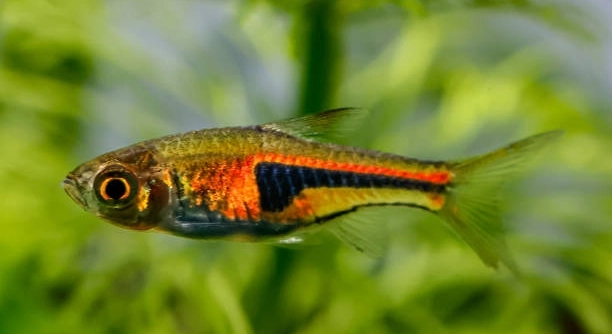
Rasboras are small, colorful freshwater fish that add life to home aquariums. Their playful movements during the day are easy to notice, but many aquarists wonder if these fish remain active after lights go out.
Rasboras can exhibit activity during nighttime, although it is generally reduced compared to daylight hours. They may swim slowly or explore their surroundings quietly, often responding to minimal light or disturbances in the tank environment.
Observing their night behavior can reveal more about their natural rhythms and help maintain a healthier aquarium ecosystem.
Understanding Rasboras’ Night Activity
Rasboras are primarily diurnal, which means they are most active during daylight. At night, their activity slows, but they do not completely stop moving. Observing them in a dimly lit tank reveals gentle swimming, exploring hiding spots, or gliding near plants. This behavior helps them stay aware of their surroundings while conserving energy. Some species are slightly more active at night than others, especially those that naturally inhabit shaded or slow-moving waters. Tank setup can influence their behavior as well. Plants, rocks, and dim lighting provide a sense of security, encouraging movement without causing stress. Feeding schedules can also affect night activity. Rasboras fed late in the day may remain near the feeding area, while those with a strict daylight feeding routine settle quietly at night. Monitoring these patterns allows for a better understanding of their natural rhythms and contributes to their overall health in captivity.
Night activity varies among individual fish depending on environment and diet.
Providing low light and secure hiding spots encourages gentle nighttime movement and reduces stress, allowing Rasboras to adjust naturally to darkness.
Factors That Influence Night Behavior
Light exposure significantly affects Rasboras’ nocturnal activity.
Tank conditions, species type, and social interactions play key roles in their night behavior. Proper lighting, balanced temperature, and regular feeding schedules create an environment where Rasboras can rest or move safely at night. Stress from sudden noise or strong currents may suppress movement, while a calm, stable tank encourages gradual exploration. Social dynamics also matter; Rasboras are schooling fish, and a group offers comfort, making them more likely to swim quietly together after lights go out. Some species exhibit increased activity in low light due to their natural habits, mimicking shaded riverbanks or dense vegetation. Observing these patterns over time allows aquarists to anticipate their behavior, adjust tank arrangements, and ensure the fish remain healthy. Understanding these factors helps in designing a tank that respects their natural instincts and provides a peaceful environment for both day and night activity.
Feeding and Nighttime Behavior
Rasboras usually eat during the day, but some may nibble at leftover food at night. Their reduced night activity means they rely on daytime feeding for energy, while occasional nighttime movement may lead them to explore uneaten flakes or small particles in the tank.
Providing a consistent feeding schedule ensures Rasboras get enough nutrition without disrupting their natural rhythms. Feeding once or twice during the day keeps them active and healthy, while avoiding overfeeding prevents water quality issues that can stress the fish. Observing how they respond to food near dusk can help determine if minor adjustments to timing are needed, allowing a balance between their energy needs and natural behavior.
Some Rasboras may adapt to low-light feeding if necessary, but most rely on daylight for active foraging. Over time, their patterns stabilize, and they focus on exploring or resting at night, conserving energy for daytime activity. Proper feeding routines and tank conditions support these natural rhythms and maintain their overall health.
Tank Setup and Night Activity
Plants and hiding spots make Rasboras feel secure during darkness, encouraging gentle movement and exploration.
Dense vegetation, smooth rocks, and shaded areas mimic natural habitats, providing comfort and safe places to rest. A well-structured tank allows Rasboras to move freely without feeling exposed, reducing stress and promoting consistent night behavior. Placement of plants and decorations affects swimming patterns, as fish tend to navigate through safe zones rather than open water at night. Additionally, dim lighting simulates dusk, helping them adjust gradually and maintain energy balance. Observing their nighttime positions can guide tank adjustments to improve comfort and activity levels.
Temperature and water quality also play crucial roles in night activity. Stable conditions prevent sudden energy loss or stress responses. Rasboras are sensitive to fluctuations, and consistent parameters support natural movement, even after lights go out. Grouping fish in appropriate numbers enhances security, encouraging subtle nighttime swimming. Providing low-intensity lighting, proper plant coverage, and careful monitoring of water parameters ensures Rasboras can rest safely while remaining capable of mild nocturnal activity. This approach balances comfort, health, and natural instincts effectively.
Common Nighttime Behaviors
Rasboras may rest near plants or decorations at night, showing minimal movement. Occasionally, they glide slowly across the tank, exploring familiar areas without causing stress or disturbing other fish.
Schooling behavior continues subtly at night. Fish may stay close together, providing security and comfort while conserving energy until daylight increases their activity levels.
Signs of Stress During Night
Restlessness, erratic swimming, or hiding in unusual spots can indicate stress. Poor water quality, sudden noise, or overly bright lights at night may trigger these behaviors, affecting their overall health and natural rhythms.
Adjusting Light for Night Activity
Gradually dimming lights before nighttime encourages natural rest. Sudden darkness can startle Rasboras, while low-intensity lighting mimics their natural environment, supporting calm and gentle movement.
Social Dynamics at Night
Rasboras feel more secure in groups, often staying together while resting. Social interaction influences how much they explore or remain still during nighttime hours.
FAQ
Can Rasboras see in the dark?
Rasboras have limited night vision and rely mostly on low light and familiar surroundings. They are not fully nocturnal and cannot see clearly in complete darkness. Their movement at night is slow and cautious, guided by memory of the tank layout and the presence of plants or decorations.
Do Rasboras sleep at night?
Yes, Rasboras do rest at night, though they do not sleep in the same way mammals do. Their metabolism slows, and they settle near plants, rocks, or other hiding spots. They may remain alert to disturbances, but their activity is minimal compared to daytime swimming.
Will Rasboras eat at night?
Rasboras primarily feed during daylight, but they may nibble on leftover food or algae in dim light. Nighttime feeding is not necessary if they receive adequate nutrition during the day. Overfeeding at night can lead to poor water quality and stress.
Do all Rasbora species behave the same at night?
No, species differences affect nighttime activity. Some species, like the harlequin Rasbora, may move slightly more at night, while others remain mostly still. Observing each species helps understand their preferred rest areas and patterns.
Can tank conditions influence night activity?
Yes, tank setup, lighting, temperature, and hiding spots significantly affect behavior. Dim lighting, stable water parameters, and secure plant coverage encourage gentle nighttime movement and reduce stress. Sudden changes can trigger erratic swimming or hiding.
Is it normal for Rasboras to hide all night?
Yes, hiding for most of the night is normal. Rasboras are naturally cautious and feel safer in sheltered areas. Proper tank structure and group presence help them feel secure while resting.
How many Rasboras should be kept together for night security?
Rasboras are schooling fish, and a group of at least six provides safety and reduces stress. Being in a school allows them to move gently together at night and feel more confident exploring the tank even in low light.
Does feeding schedule affect night behavior?
Yes, feeding schedules influence activity. Fish fed consistently during the day tend to rest more predictably at night. Irregular feeding may cause them to search for food in low light, increasing stress and erratic movement.
Can night activity indicate health issues?
Unusual nighttime behavior, such as constant restlessness or isolation from the school, may indicate stress, poor water quality, or illness. Monitoring their usual patterns helps identify potential problems early and maintain overall health.
Should aquarium lights be left on overnight?
No, continuous bright lighting is unnecessary and stressful. Low-intensity lighting can be used for observation, but complete darkness helps Rasboras rest and maintain natural rhythms. A gradual dimming before lights out works best.
How do Rasboras interact socially at night?
Social dynamics continue subtly. Rasboras often stay close together, which provides comfort and security. Group presence reduces anxiety and allows occasional gentle swimming without leaving the safety of the school.
Can changing tank layout affect night activity?
Yes, changing decorations or plant positions can confuse Rasboras, causing them to hide more or swim erratically at night. Maintaining familiar hiding spots supports calmer nighttime behavior.
Are there differences between young and adult Rasboras at night?
Juvenile Rasboras may be more active at night, exploring more cautiously, while adults tend to rest longer. Both benefit from secure hiding spaces and stable conditions to maintain healthy night behavior.
Is it normal for Rasboras to move slowly at night?
Yes, slow, deliberate swimming is normal. Reduced speed helps them conserve energy, stay aware of surroundings, and avoid collisions with tank decorations or other fish.
How can I encourage safe nighttime activity?
Provide adequate plants, hiding spots, and dim lighting. Stable water conditions, a consistent feeding schedule, and a well-sized school encourage gentle movement while keeping stress minimal. Monitoring their patterns ensures they are comfortable and healthy.
Final Thoughts
Rasboras are naturally active during the day and tend to slow down at night. Their nocturnal behavior is subtle, often limited to gentle swimming or resting near plants and decorations. Understanding this pattern is important for creating a suitable tank environment. Nighttime activity varies between species and individual fish, so observing their habits over time allows you to respond appropriately to their needs. Providing familiar hiding spots, stable water conditions, and a calm atmosphere helps them maintain their natural rhythm without causing stress. Even though they are less active at night, they still benefit from a secure environment that mimics their natural habitat.
Tank setup plays a crucial role in influencing Rasboras’ nighttime behavior. Dense plants, smooth rocks, and shaded areas give them a sense of safety while allowing occasional movement. Dim lighting simulates dusk and helps fish adjust gradually to darkness. A consistent feeding schedule ensures they get the energy they need during the day, minimizing unnecessary nighttime searching for food. Social factors are also important, as Rasboras are schooling fish and rely on the group for security. Observing their interactions and resting patterns can help determine if adjustments to tank conditions are needed. Stable water temperature, clean conditions, and a well-structured tank all contribute to calmer nighttime activity and overall well-being.
Monitoring and understanding these patterns ensures Rasboras remain healthy and stress-free. Slow, cautious swimming at night is a normal part of their behavior, and hiding in plants or near decorations is natural. Changes in activity, such as restlessness or isolation from the group, can indicate stress, illness, or water quality issues, so it is important to keep an eye on them. By providing a secure, well-maintained environment with appropriate light, social groupings, and hiding spaces, you support their natural rhythms and overall health. Observing their nighttime activity also allows for small adjustments that improve comfort and reduce stress, ensuring that Rasboras thrive in the aquarium while maintaining their natural behavior patterns.

Hello,
If you enjoy the content that we create, please consider saying a "Thank You!" by leaving a tip.
Every little bit helps us continue crafting quality advice that supports the health, happiness, and well-being of pets around the world, for pets of all shapes, sizes, and species.
We really appreciate the kindness and support that you show us!