
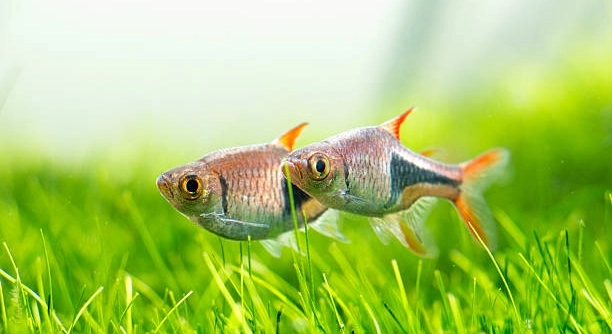
Have you ever noticed your rasboras swimming together but wondered how the tank environment affects them? These small, lively fish respond to their surroundings, and even minor changes can influence their behavior and comfort levels.
Rasboras generally prefer calm tanks with minimal disturbance and gentle water flow. A stable, quiet environment reduces stress, supports natural schooling behavior, and encourages healthier feeding and social interactions, making calm tanks more suitable than busy, high-traffic setups.
Knowing how rasboras respond to their environment can help you create a tank where they thrive, swim confidently, and display their natural, peaceful behaviors.
Understanding Rasboras’ Natural Habitat
Rasboras come from slow-moving rivers and calm waters in Southeast Asia. Their natural environment usually has dense plants, gentle currents, and quiet spaces. Observing this, it becomes clear why they prefer a tank that mimics these conditions. Fast currents or overcrowded tanks can make them nervous, causing erratic swimming or hiding. They are schooling fish, so they feel safer when they can stay together in groups. Soft lighting and planted areas help them feel secure and encourage natural behavior. A calm tank allows them to explore without fear, promoting better health and longevity. Even small disturbances, like loud noises or constant movement near the tank, can trigger stress. Keeping water parameters stable and avoiding sudden changes further supports their comfort. Creating this kind of environment doesn’t require advanced equipment—simple care and attention to tank layout can make a big difference. Over time, you will notice your rasboras swimming more confidently and appearing happier.
Stressful or busy tanks often reduce rasboras’ activity and appetite. They thrive when their space is peaceful and predictable.
Rasboras rely on calm conditions to maintain their schooling patterns. In a quiet tank, they swim together naturally, showing synchronized movements that are soothing to watch. Calm waters also support proper feeding and reduce aggression among other tankmates. Dense plants or hiding spots mimic their natural habitat, allowing them to retreat when startled. Sudden changes or high traffic near the aquarium can make them skittish and hide for long periods. Providing a stable, low-disturbance environment encourages them to explore and interact. Light levels, water flow, and decorations all influence how secure they feel. A calm tank also reduces stress-related illnesses, keeping them healthier over time. Understanding these small but important details allows you to create a tank where rasboras can thrive, display natural behavior, and live longer, more content lives. Consistent care and a peaceful environment are key to their well-being.
Signs Your Tank Might Be Too Busy
If rasboras frequently hide, dart nervously, or refuse food, your tank may be too busy for them.
A busy tank with strong currents, bright lights, or excessive activity can make rasboras anxious. Overcrowding or incompatible tankmates worsens stress. Observing their swimming patterns and appetite gives insight into their comfort level. Even minor changes, like rearranging decorations often, can disrupt their routine. It’s important to assess the tank layout and daily activity around it. Creating calmer zones with plants and gentle water flow helps them feel secure. Their schooling behavior may be disrupted if they feel threatened, leading to isolation or aggression. Stress from a busy tank can also weaken their immune system, making them more prone to illness. Adjusting the environment gradually, such as reducing strong currents or moving high-traffic objects away, allows them to adapt. Providing hiding spots and maintaining consistent feeding schedules gives them predictability and reassurance. Small adjustments, like dimming lights or spacing out tank maintenance, can significantly improve their well-being. By paying attention to these subtle cues, you ensure that your rasboras remain active, healthy, and stress-free, enjoying a tank environment that supports their natural behavior.
Tank Setup Tips for Calm Environments
Using live plants, smooth decorations, and gentle water filters creates a calm space for rasboras. Avoid overcrowding and strong currents, as these can make them stressed and skittish.
Position plants and hiding spots throughout the tank to allow rasboras to feel secure. Open swimming areas combined with shaded regions mimic their natural habitat. A gentle filter ensures water movement without creating turbulence, which could disturb their schooling patterns. Smooth decorations prevent injuries and provide resting spots. Light intensity should be moderate, as harsh lighting may cause them to hide. Spacing tankmates appropriately reduces competition and allows rasboras to swim freely without constant interference. Keeping these factors in mind makes it easier to maintain a peaceful environment. Gradual adjustments to decorations or tank flow help the fish adapt without sudden stress.
Monitoring water quality regularly is essential. Calm tanks with stable temperatures, pH, and low nitrate levels support healthier rasboras. Stress from poor water conditions can amplify the effects of busy environments, leading to health issues or reduced activity. Ensuring consistent water parameters helps maintain their natural coloration and encourages feeding. Regular water changes, combined with careful observation of behavior, make it easier to spot problems early. Even minor fluctuations in temperature or chemistry can cause noticeable changes in their behavior. By prioritizing calm conditions and stable water, rasboras can display natural schooling, swim confidently, and interact comfortably with their tankmates.
Feeding Practices to Maintain Calm Behavior
Offering small, frequent meals prevents competition and reduces stress among rasboras. Avoid overfeeding, as leftover food can pollute the tank.
Feed a balanced diet of high-quality flakes, micro-pellets, and occasional live or frozen foods. Distribute food evenly across the tank so all fish can eat without chasing or fighting. Rasboras prefer smaller portions that they can consume quickly, which prevents food from sinking and decomposing. Observing their feeding behavior helps gauge their comfort—active, calm feeding indicates a relaxed environment, while hiding or frantic movements suggest stress. Rotating food types provides nutritional variety while keeping them engaged. Avoid feeding in areas with strong water currents, as it may wash food away and cause frustration. Consistency in feeding times and amounts helps rasboras feel secure and supports their natural activity patterns.
Choosing Tankmates Carefully
Avoid aggressive or overly active fish, as they can stress rasboras and disrupt schooling. Calm, peaceful species work best alongside them.
Rasboras feel safer in groups, so tankmates should complement their behavior. Fish that dart or chase others create tension and limit their swimming space.
Light and Noise Management
Moderate lighting and minimal external noise help rasboras stay relaxed. Bright lights or constant disturbances can trigger hiding and erratic swimming. Adjust light schedules and place the tank away from heavy foot traffic or loud appliances to maintain a peaceful environment.
Observing Behavioral Changes
Changes in swimming patterns, appetite, or schooling may indicate stress. Tracking these behaviors early helps identify environmental issues before they affect health.
Decorating for Comfort
Use plants, rocks, and smooth surfaces to create hiding spots. This reduces stress and allows rasboras to explore safely, promoting natural behaviors and confidence in their environment.
FAQ
Do rasboras get stressed easily?
Yes, rasboras are sensitive to their environment. Sudden changes in water temperature, strong currents, or loud noises can stress them. Keeping a calm tank with gentle water flow, stable conditions, and peaceful tankmates reduces stress and helps them stay active and healthy.
How many rasboras should be kept together?
Rasboras are schooling fish and feel safer in groups. A minimum of six is recommended to maintain natural behavior, reduce hiding, and prevent anxiety. Larger groups often display better swimming patterns and social interaction. Small numbers may lead to loneliness or stress.
Can rasboras live with other fish?
Yes, but tankmates should be calm and non-aggressive. Fish that chase or nip at others can create stress. Peaceful species of similar size work best. Avoid large, territorial, or highly active fish that disrupt their schooling and confidence.
What kind of decorations do rasboras need?
Rasboras thrive with smooth decorations, live plants, and hiding spots. Dense planting mimics their natural habitat and provides shelter. Rocks or driftwood with smooth edges reduce injuries, while open swimming spaces allow them to display natural schooling behavior. Balance is key.
Do rasboras prefer dim or bright lighting?
Moderate lighting is ideal. Bright lights may cause them to hide, while very dim lighting can affect activity and feeding. Plants can provide shaded areas, giving rasboras the option to retreat if they feel exposed or stressed.
How often should I feed my rasboras?
Small, frequent meals work best. Overfeeding can pollute the tank, while underfeeding causes stress. A mix of high-quality flakes, micro-pellets, and occasional live or frozen foods ensures proper nutrition. Observe them during feeding to ensure all fish are eating comfortably.
What water parameters do rasboras need?
They prefer slightly acidic to neutral pH, moderate hardness, and stable temperatures between 72–78°F. Regular water checks and consistent water changes maintain healthy conditions, preventing stress-related behaviors or illness. Sudden changes in chemistry can upset their comfort.
How can I tell if my rasboras are happy?
Active swimming, schooling together, regular feeding, and bright coloration are signs of content rasboras. Calm, confident behavior indicates a suitable environment. Erratic swimming, hiding, or loss of appetite suggests stress or unsuitable tank conditions.
Do rasboras enjoy planted tanks?
Yes, they thrive in tanks with live plants. Plants provide cover, reduce stress, and encourage natural exploration. Floating plants or dense clusters create shaded areas, helping rasboras feel secure while maintaining open swimming spaces.
Is tank size important for rasboras?
Tank size is critical. Small tanks can cause stress and limit schooling behavior. A minimum of 20 gallons is recommended for a group, ensuring ample swimming space and proper water quality. Larger tanks allow more stable conditions and room for plants and decorations.
How do I reduce noise around the tank?
Place the tank away from loud appliances or high-traffic areas. Minimizing vibrations and sudden disturbances helps rasboras stay relaxed. Calm surroundings complement low lighting and gentle water flow, contributing to overall well-being and natural behavior patterns.
Can rasboras adapt to a busy household?
They can adjust to moderate activity if their tank remains calm internally. However, constant disturbances, high traffic, or sudden changes can cause stress. Providing hiding spots, plants, and stable water conditions helps them cope with occasional activity while maintaining comfort.
How often should I rearrange decorations?
Avoid frequent rearrangements. Sudden changes disrupt their sense of security. Gradual adjustments give rasboras time to adapt and reduce stress. Maintaining a consistent layout encourages natural schooling and confident swimming patterns while providing safe spaces.
Are there signs of long-term stress in rasboras?
Yes, persistent hiding, color fading, reduced feeding, or erratic swimming indicate prolonged stress. Long-term stress can weaken their immune system, making them more prone to disease. Calm, stable tank conditions are essential to prevent these issues.
Can rasboras be kept in a community tank?
Yes, as long as tankmates are peaceful and non-aggressive. Similar-sized fish with calm behavior complement rasboras’ natural schooling and reduce stress. Avoid large, boisterous, or predatory species that may intimidate or harm them.
Do rasboras need a specific water current?
They prefer gentle currents, similar to their natural slow-moving habitats. Strong currents can cause stress and erratic swimming. Adjustable filters or baffles help control flow, ensuring comfort while maintaining proper filtration and oxygenation.
How do I know if the tank is too busy?
Signs include hiding, frantic swimming, or refusal to eat. Excessive movement, incompatible tankmates, or strong water currents indicate the environment is too stimulating. Adjustments in layout, flow, or lighting help restore a calmer setting.
Should I separate rasboras if stressed?
Separation is usually unnecessary if the tank environment is corrected. Reducing stressors, adding hiding spots, or adjusting flow typically resolves issues. Only isolate fish if aggression or illness is present, and reintroduce them gradually to the main tank once conditions improve.
Can rasboras live in a planted versus bare tank?
Planted tanks are preferable. Plants provide shelter, reduce stress, and encourage natural behavior. Bare tanks may increase hiding and skittishness due to lack of cover. Even simple plant arrangements can improve comfort and activity levels, supporting overall health.
Do rasboras need specific temperature changes?
No, they prefer stable temperatures between 72–78°F. Sudden fluctuations can cause stress and weaken immunity. Consistent heating and monitoring help maintain comfort and natural activity, supporting feeding, schooling, and overall health.
How can I encourage natural schooling behavior?
Keep a minimum group of six, provide open swimming areas, and maintain calm surroundings. Plants and decorations should create safe spaces without overcrowding. Stable water conditions and peaceful tankmates encourage synchronized swimming and confident interactions.
Are there special considerations for breeding rasboras in calm tanks?
Yes, calm tanks with dense plants encourage spawning and reduce stress. Gentle filtration and consistent water parameters support successful breeding. Avoid disturbances and maintain regular feeding schedules to increase the chances of healthy fry.
What should I do if rasboras show sudden behavioral changes?
Check water quality, tankmates, lighting, and noise levels immediately. Sudden changes often signal stress or environmental problems. Correcting these factors promptly helps restore calm, normal behavior, and prevents long-term health issues.
Can stress affect rasboras’ lifespan?
Yes, prolonged stress weakens the immune system, reduces activity, and can shorten lifespan. Maintaining a calm, stable environment with proper tankmates, plants, and feeding routines supports longevity and overall well-being.
Is regular observation important for rasboras?
Absolutely. Watching their swimming patterns, schooling behavior, and feeding habits provides insight into their comfort. Early detection of stress allows adjustments in tank setup, lighting, or water conditions, preventing health problems and maintaining a calm environment.
Rasboras are small, peaceful fish that respond strongly to their environment. They are naturally used to slow-moving waters with lots of plants and calm surroundings. In a tank, these conditions translate to gentle water flow, smooth decorations, and plenty of hiding spots. When their environment is calm and stable, rasboras feel secure and display natural behaviors like schooling, exploring, and feeding without stress. Even small disturbances, such as sudden movements near the tank or loud noises, can make them skittish. Providing a quiet, steady environment helps them remain confident and healthy. The way you arrange the tank, choose tankmates, and maintain water quality all contribute to how comfortable they feel. Observing them closely gives clues about their needs and shows whether they are thriving or stressed.
Choosing the right tankmates is another key factor in keeping rasboras calm. Aggressive or overly active fish can disrupt their schooling patterns and create tension in the tank. Calm, non-aggressive species that swim slowly and maintain their own space help rasboras feel secure. Overcrowding should be avoided, as it reduces swimming space and increases competition for food. A peaceful group of six or more rasboras is ideal, as they rely on schooling to feel safe. Decorations like live plants, smooth rocks, and driftwood provide both shelter and areas for open swimming. Balanced lighting and minimal noise outside the tank further support a stress-free environment. Small adjustments, such as dimming lights or rearranging decorations slowly, can make a noticeable difference in their comfort. When all these factors are managed, rasboras display brighter coloration, consistent feeding, and confident swimming, showing that the tank conditions suit their natural preferences.
Feeding and water maintenance also play a major role in maintaining a calm tank. Rasboras benefit from small, frequent meals rather than large, occasional feedings. Overfeeding can pollute the tank and increase stress, while underfeeding can cause competition and anxiety. A mix of flakes, micro-pellets, and occasional live or frozen food provides the nutrients they need. Stable water parameters, including temperature, pH, and hardness, are essential to prevent stress-related health problems. Regular water changes and monitoring help maintain a consistent environment. By creating a calm tank, providing proper nutrition, and observing behavior carefully, rasboras can thrive, live longer, and show natural schooling and swimming patterns. Paying attention to these details ensures that they are happy, healthy, and peaceful in their aquatic home.

Hello,
If you enjoy the content that we create, please consider saying a "Thank You!" by leaving a tip.
Every little bit helps us continue crafting quality advice that supports the health, happiness, and well-being of pets around the world, for pets of all shapes, sizes, and species.
We really appreciate the kindness and support that you show us!