
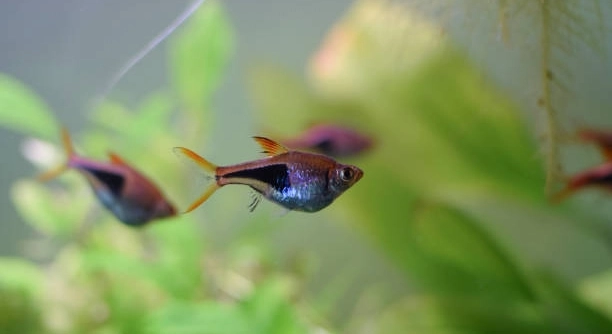
Rasboras are small, peaceful fish often kept in community tanks. Observing their behavior can be both relaxing and rewarding. These fish respond to changes in their environment, and new tankmates can sometimes influence their actions subtly.
Rasboras can detect new tankmates through visual and chemical cues. They often adjust swimming patterns, maintain cautious distances, or exhibit mild stress when unfamiliar fish are introduced. This sensitivity helps them assess safety and establish social hierarchies within the aquarium.
Understanding how rasboras sense newcomers can improve tank harmony and ensure the wellbeing of all fish in your aquarium environment. Proper introductions lead to calmer, healthier fish interactions.
How Rasboras React to New Tankmates
Rasboras are naturally social but cautious fish. When a new fish enters the tank, they often observe from a distance, swimming carefully around their usual spots. Some may form tighter groups, while others linger near plants or decorations, seeking security. Their reactions vary depending on the temperament of the newcomer and the overall environment. Temperature, tank size, and hiding spots can influence how comfortable they feel. Observing these behaviors can give insight into their adjustment process. Gradual introductions, such as using a divider or floating the new fish in a bag, allow rasboras to acclimate without stress. Over time, their curiosity often outweighs caution, and they begin swimming more freely. Providing a stable environment, including consistent feeding routines and clean water, supports their natural behavior and reduces stress during these transitions. Rasboras rely on both sight and chemical signals to gauge safety.
Introducing new tankmates gradually helps rasboras feel secure and minimizes aggression or stress. They adjust better in a calm environment.
Understanding their responses allows aquarists to manage introductions effectively. Watching how they interact with new fish reveals social patterns. Some rasboras remain cautious longer, while others explore actively. Tank structure, plants, and open swimming areas influence comfort levels. Certain species trigger more cautious behavior, while compatible companions promote smoother integration. Consistent care and monitoring during this phase prevent conflicts. Over time, even initially timid fish begin to interact naturally with newcomers, forming loose shoals or exploring together. Knowing how to read these behaviors ensures healthier, happier fish and reduces potential stress-related illnesses. Attention to detail, like observing fin clamping, erratic swimming, or avoidance, helps gauge readiness for full integration. The goal is a harmonious tank where all species coexist peacefully, guided by careful observation and patient introduction. Regular water changes, stable temperatures, and hiding spaces further support a smooth adaptation process, making tank life enjoyable for both the aquarist and the fish.
Signs of Stress and Adjustment
Rasboras may display stress through clamped fins, rapid darting, or hiding excessively when new tankmates are introduced. These signs indicate they are still assessing their environment.
Monitoring these signals helps prevent long-term stress and ensures proper acclimation. Gradual, calm introductions support their natural behavior and maintain overall tank harmony.
Careful observation is key to understanding how each rasbora adapts. Some may take days, while others adjust quickly. Providing sufficient hiding spots reduces stress and gives timid fish a sense of safety. Feeding patterns can be temporarily affected, so maintaining regular schedules encourages normal activity. Avoid overcrowding, as it can exacerbate tension and disrupt shoaling behavior. Adjusting tankmates in stages allows fish to establish boundaries naturally. Over time, rasboras resume regular swimming, schooling, and feeding routines, indicating successful acclimation. Recognizing individual differences in temperament ensures each fish receives proper attention. Creating a balanced, stress-free environment fosters healthier interactions, stronger immune responses, and overall well-being. By observing subtle cues, aquarists can intervene before stress escalates, promoting a peaceful, thriving community tank.
Preparing the Tank for Newcomers
Adding plants and decorations provides hiding spots for rasboras and new fish. Open swimming areas reduce stress and prevent territorial disputes. Stable water temperature and clean conditions help all fish adjust smoothly.
Providing a balanced environment allows rasboras to explore safely while observing newcomers. Gradually introducing new fish with a divider or floating bag gives them time to detect chemical and visual cues without direct contact. Rearranging decorations slightly can help reduce territorial behavior and promote exploration. Monitoring their behavior during this period ensures that stress remains low. Adjusting lighting and maintaining consistent feeding routines further supports comfort.
Cleaning and cycling the tank before adding new fish prevents sudden changes in water quality. Rasboras are sensitive to ammonia and nitrite spikes, so regular testing is essential. Adding new tankmates in small groups rather than all at once reduces anxiety. Observing social interactions helps identify compatible companions. Adjusting water flow and maintaining oxygen levels ensures all fish remain healthy. Providing sufficient hiding spaces, along with stable environmental conditions, promotes calm exploration. Taking these steps reduces aggressive behavior and encourages natural shoaling patterns. A carefully prepared tank fosters smoother integration for newcomers and supports the wellbeing of all residents.
Observing Social Behavior
Rasboras tend to form small groups and observe new tankmates from a distance at first. Their reactions reveal comfort and acceptance levels.
Close observation helps identify which fish interact positively and which require more time. Shoaling behavior, swimming patterns, and proximity to the new fish indicate stress or acceptance. Timid fish may hide, while confident individuals explore together. Feeding responses and movement around the tank provide further insight. Adjusting tankmates gradually supports peaceful integration and reduces aggressive encounters.
Social behavior in rasboras can be subtle. Clustering near plants or moving in synchrony indicates comfort, while avoiding new fish shows caution. Some rasboras take longer to join group activities, and individual personalities affect adjustment. Ensuring adequate space and hiding spots allows fish to establish boundaries naturally. Observing how they interact during feeding times and daily activity reveals compatibility. Timid or stressed fish should be given extra attention, while dominant fish may need monitoring to prevent harassment. Recognizing these patterns helps maintain a balanced tank and encourages harmonious shoaling. Consistent care and patience allow all fish to coexist safely, promoting long-term health and natural behavior.
Introducing Tankmates Gradually
Using a divider or floating bag helps rasboras observe newcomers without direct contact. This reduces immediate stress and allows fish to get used to new scents.
Short daily sessions of visual contact can help rasboras feel more secure. Over time, they recognize new fish as non-threatening and begin exploring together.
Monitoring Interactions
Observe swimming patterns, shoaling behavior, and feeding response closely. Timid rasboras may hide, while more confident individuals explore near newcomers. Adjust tankmates if signs of prolonged stress or aggression appear. Careful monitoring ensures smooth adaptation and balanced social dynamics within the aquarium.
Feeding Adjustments
Introduce food slowly to avoid competition. Feeding smaller amounts more frequently prevents dominant fish from stressing timid rasboras.
Maintaining Water Quality
Stable water conditions are crucial during introductions. Regular testing and partial water changes keep the environment safe and reduce stress for all fish.
FAQ
Can rasboras sense danger from new tankmates?
Yes, rasboras rely on both visual and chemical cues to detect potential threats. They may swim cautiously, cluster in groups, or hide when unfamiliar fish are introduced. This instinct helps them assess safety and maintain a sense of security within the tank.
How long does it take for rasboras to adjust to new tankmates?
Adjustment periods vary depending on the temperament of each fish and tank conditions. Some rasboras explore after a few hours, while others may take several days. Gradual introductions, ample hiding spots, and stable water parameters accelerate the acclimation process.
What are common signs of stress in rasboras?
Signs include clamped fins, rapid darting, hiding excessively, or refusing food. Sudden changes in swimming patterns or shoaling behavior also indicate stress. Observing these behaviors helps identify when interventions, such as adjusting tankmates or providing extra hiding spots, are needed.
Should I rearrange the tank when adding new fish?
Yes, minor rearrangements reduce territorial conflicts and encourage exploration. Moving plants or decorations slightly helps rasboras feel less threatened and prevents dominant fish from claiming established territories, promoting smoother integration.
Is it better to introduce new fish in groups or individually?
Introducing fish in small groups is generally safer. It reduces pressure on rasboras and allows them to assess newcomers gradually. Avoid adding all new fish at once, as sudden changes can trigger stress and disrupt social hierarchies.
How important is tank size during introductions?
Tank size significantly affects stress levels. Larger tanks offer more swimming space and hiding spots, allowing fish to establish territories without conflict. Overcrowding increases tension and can lead to aggression or prolonged stress in sensitive species like rasboras.
Can rasboras remember previous tankmates?
Yes, they can recognize familiar fish and adjust behavior accordingly. Shoaling patterns often reflect past experiences, and rasboras may be less cautious with known tankmates while remaining alert around newcomers.
Do rasboras react differently to species with similar sizes?
They tend to feel more comfortable around fish of comparable size and temperament. Aggressive or much larger fish trigger caution and hiding behavior. Compatibility in size and activity level supports smoother integration and minimizes stress.
How can I encourage positive interactions?
Providing multiple feeding spots, open swimming areas, and plants for cover promotes natural shoaling. Gradual introductions and consistent care help rasboras feel secure. Patience during the first few days ensures healthier social dynamics and reduces conflicts.
Are there any species that are not recommended with rasboras?
Highly aggressive or territorial fish should be avoided. Predatory species or overly active tankmates can cause stress, inhibit feeding, and disturb shoaling behavior. Choosing peaceful, similarly sized companions ensures a balanced and calm environment.
How often should I monitor their behavior after introducing new fish?
Frequent observation during the first week is crucial. Daily checks of swimming, shoaling, and feeding behaviors help detect stress early. Monitoring can be reduced gradually as rasboras adapt, but occasional checks maintain overall tank harmony.
Does water quality affect their adjustment to newcomers?
Absolutely. Stable temperature, low ammonia, and regular water changes are essential. Even small fluctuations can increase stress, making acclimation slower. Clean, well-maintained water supports healthy interactions and promotes confidence in exploring the tank.
Can feeding routines help reduce stress?
Yes, maintaining consistent feeding schedules provides a sense of normalcy. Offering food in multiple areas prevents competition and encourages timid rasboras to leave hiding spots, gradually building comfort with new tankmates.
What should I do if a rasbora remains stressed?
Increase hiding spots and consider temporary separation if stress persists. Observing individual needs and allowing gradual interaction supports recovery. Sometimes reducing the number of newcomers introduced at once helps restore calm.
How do plants and decorations influence integration?
Dense planting and decorations offer security for timid fish. They provide escape routes and break lines of sight, allowing both rasboras and newcomers to adjust at their own pace, reducing conflict and encouraging exploration.
Are visual introductions enough before direct contact?
Yes, allowing fish to see each other through a divider or floating bag is beneficial. It lets rasboras sense chemical cues and observe behavior safely, preparing them for a smoother transition once direct interaction occurs.
Do rasboras ever initiate contact with new tankmates?
Confident individuals may approach newcomers gradually. Observing this behavior indicates comfort and curiosity. Over time, more timid fish often follow, forming loose shoals and establishing a natural social hierarchy within the tank.
Can the presence of other species reduce stress during introductions?
Peaceful, calm species create a stable environment that encourages rasboras to feel secure. Non-aggressive tankmates provide a sense of normalcy and help maintain balanced social dynamics.
How can I tell if integration is successful?
Successful integration is shown by consistent shoaling, normal feeding, and relaxed swimming patterns. Timid fish gradually explore, hiding decreases, and aggressive behavior is minimal. Continuous observation ensures that all fish coexist harmoniously in a stress-free environment.
What steps prevent long-term stress during introductions?
Gradual introductions, ample hiding spots, stable water conditions, and consistent feeding routines are key. Regular monitoring and awareness of individual fish behavior help maintain health and natural interactions, promoting long-term harmony within the tank.
Rasboras are sensitive and social fish that respond quickly to changes in their environment. Introducing new tankmates can be stressful for them if not done carefully. Their reactions, such as cautious swimming, clustering, or hiding, are natural ways of assessing safety. Observing these behaviors helps aquarists understand how well the fish are adjusting and whether the tank setup supports a calm, balanced environment. By paying attention to both visual and chemical cues, rasboras can gradually accept newcomers without excessive stress. Ensuring that the tank has sufficient space, hiding spots, and plants encourages natural exploration while giving timid fish the security they need. Gradual introductions allow all fish to become familiar with each other’s presence before direct interaction, reducing tension and promoting healthy social dynamics.
Maintaining stable water conditions is essential during this period. Rasboras are highly sensitive to fluctuations in temperature, ammonia, and nitrite levels, which can increase stress and slow acclimation. Regular water testing, partial water changes, and consistent feeding routines create a predictable environment, making it easier for all fish to adapt. Tank size and layout also play a critical role in their comfort. Open swimming areas combined with dense planting allow fish to establish territories without feeling cornered or threatened. By observing individual behaviors, aquarists can identify which fish need more time or extra hiding spots, ensuring each rasbora adjusts at its own pace. Over time, even initially cautious fish begin to explore, interact, and form natural shoaling patterns, showing that a careful, structured approach to tank introductions leads to a harmonious aquarium.
Patience and attention to detail are key for long-term success. Watching how rasboras respond to newcomers provides valuable insight into their social structure and preferences. Some fish are naturally more cautious, while others are curious and quick to explore. Respecting these differences allows aquarists to support each fish individually while maintaining overall tank balance. Small adjustments, such as minor rearrangements of plants, adding extra hiding spots, or temporarily separating overly dominant fish, can make a significant difference in reducing stress. Over time, rasboras learn to recognize new tankmates, feel secure in their environment, and resume normal feeding and swimming behavior. A well-prepared tank, combined with careful observation and gradual introductions, promotes healthier interactions, reduces stress, and ensures the long-term wellbeing of all fish in the aquarium. Taking the time to understand their behavior ultimately leads to a calmer, more peaceful community tank that benefits every resident.

Hello,
If you enjoy the content that we create, please consider saying a "Thank You!" by leaving a tip.
Every little bit helps us continue crafting quality advice that supports the health, happiness, and well-being of pets around the world, for pets of all shapes, sizes, and species.
We really appreciate the kindness and support that you show us!