
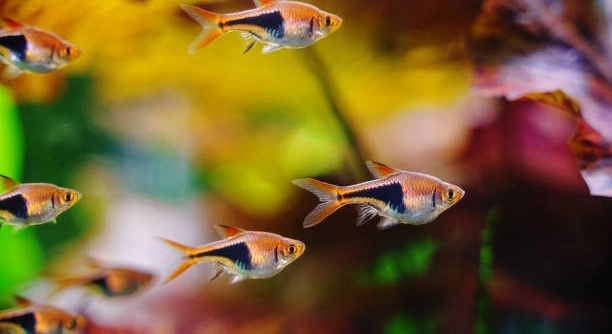
Do you ever notice your rasboras swimming quietly in their tank while the light changes throughout the day? Watching their subtle movements can make you wonder about the right environment to keep them healthy and active.
Rasboras do benefit from a consistent light schedule, as it helps regulate their natural behaviors, feeding patterns, and overall health. Maintaining a stable day-night cycle reduces stress and encourages regular activity within the aquarium environment.
Providing proper lighting for your rasboras not only supports their well-being but also enhances the visual appeal of your tank for everyone who sees it.
Understanding Rasboras’ Natural Light Needs
Rasboras are small, active fish that come from tropical freshwater habitats. In nature, they experience a regular cycle of daylight and darkness. Mimicking this schedule in your tank helps them feel secure and encourages normal behavior, including swimming, feeding, and resting. Sudden changes in light can startle them, causing stress that may lead to health problems or unusual behavior. Providing a stable light cycle also helps maintain plant growth if you keep live plants, which contributes to a balanced tank environment. Many hobbyists notice that rasboras become more colorful and energetic when their lighting is consistent. Observing their reactions to light changes can guide adjustments, ensuring they remain calm and active. Using timers can simplify maintaining this routine, giving your tank a predictable rhythm. Over time, consistent lighting creates a healthier, more natural environment that supports both fish and plants in the aquarium.
A consistent light schedule keeps rasboras comfortable and helps reduce stress-related behavior, making daily tank maintenance easier.
Even with careful attention to feeding and water quality, neglecting light cycles can disrupt your rasboras’ patterns. They rely on light cues to know when to rest and when to be active. Without proper scheduling, they may hide more often, eat less, or appear dull in color. Proper lighting supports their internal clocks and overall health. Using a timer allows you to control the duration and consistency, ensuring they experience approximately 10–12 hours of light daily. Gradual changes during sunrise or sunset periods are ideal, as sudden switches can shock them. Monitoring the tank’s behavior over time helps determine if adjustments are needed. Maintaining this balance not only benefits rasboras’ health but also enhances the beauty and stability of the aquarium ecosystem.
Choosing the Right Light for Your Tank
Rasboras do best under moderate, natural-style lighting that is not too harsh.
When selecting lighting for your aquarium, focus on a system that mimics daylight without producing excessive heat. LED lights are often ideal because they provide consistent brightness, use minimal energy, and allow for programmable schedules. Avoid extremely bright or flickering lights, as these can stress the fish. Position lights to evenly illuminate the tank while leaving areas of shade for resting. Observing your rasboras under different lighting intensities helps determine what works best for their comfort and activity. Adjusting duration and intensity seasonally can reflect natural conditions, supporting their internal rhythms. Pairing lighting with live plants not only enhances the tank’s look but also improves water quality, contributing to a healthier habitat. Following these guidelines creates a visually appealing and balanced aquarium that supports both the fish and the overall ecosystem.
Setting a Light Schedule
A regular light schedule helps rasboras stay active and healthy. Most fish thrive on about 10–12 hours of light, followed by darkness to rest. Timers make it easy to maintain consistency and reduce stress.
Using a timer for your aquarium light ensures that rasboras experience a steady day-night cycle without sudden changes. This consistency promotes normal swimming patterns, feeding behavior, and overall well-being. Gradually turning lights on and off, rather than sudden switches, helps the fish adjust naturally. Observing their activity can indicate whether the schedule is suitable or needs slight modifications. Proper timing also benefits plants and keeps algae growth manageable.
Consistency in lighting supports the natural rhythms of rasboras. Too much light can overstimulate them, leading to hiding or fatigue, while too little light may reduce activity and color vibrancy. Balancing light duration allows the fish to develop regular feeding habits and reduces stress. Over time, this contributes to healthier, more vibrant fish and a more stable tank environment, making maintenance easier and more enjoyable.
Adjusting Light Intensity
Moderate lighting is best for rasboras, providing visibility without causing stress or excessive algae growth.
High-intensity lights can make rasboras anxious and hide more often, while low light may make them less active and dull their colors. Using adjustable LEDs lets you control brightness to suit the tank’s size and setup. Gradually increasing light intensity in new tanks helps fish adapt without shock. Monitoring the fish’s behavior under different levels ensures they remain comfortable and active. Pairing the right light intensity with plants can enhance both fish health and the tank’s appearance, keeping the environment balanced and vibrant.
Light and Plant Growth
Proper lighting supports live plants in your tank, creating hiding spots and improving water quality. Healthy plants also reduce stress for rasboras and make the aquarium more natural and inviting.
Too much light can promote algae, which competes with plants and can cloud the water. Keeping a balanced schedule helps maintain plant health and provides a stable environment for the fish.
Seasonal Light Changes
Rasboras respond to subtle seasonal changes in light, which can affect breeding and activity. Slightly adjusting the duration of light to mimic shorter or longer days can encourage natural behaviors. Seasonal adjustments help maintain overall health, color vibrancy, and reproductive readiness without causing stress.
Avoiding Stressful Light Conditions
Sudden bright lights or constant illumination can stress rasboras, leading to hiding, erratic swimming, or loss of color. A consistent, moderate light schedule reduces these risks and keeps the fish comfortable in their habitat.
FAQ
How long should rasboras have their lights on each day?
Rasboras do best with about 10–12 hours of light daily. This schedule gives them enough time to swim, feed, and explore while still providing a period of darkness to rest. Using a timer helps keep this cycle consistent without daily manual adjustments.
Can too much light harm rasboras?
Yes. Excessive lighting can stress rasboras, making them hide more, swim erratically, or lose color vibrancy. High-intensity light also encourages algae growth, which can interfere with water quality and plant health. Moderate lighting ensures they remain active and visually healthy.
Do rasboras need complete darkness at night?
Complete darkness at night is important because it mimics natural conditions. Darkness allows them to rest properly and reduces stress. Even a small, continuous light can disrupt their internal rhythms and affect feeding behavior, sleep patterns, and overall health.
Is it necessary to adjust lighting for breeding?
Yes. Slightly increasing daylight hours during breeding season can encourage natural reproductive behavior. Consistent lighting helps signal seasonal changes, which can trigger spawning in many rasbora species. Gradual adjustments prevent stress while promoting readiness to breed.
Should I use a timer for my tank light?
Using a timer is highly recommended. It maintains a consistent light schedule without requiring daily manual changes, reduces stress for the fish, and supports plant growth. Timers also help prevent accidental overexposure or extended darkness.
Can low light levels affect rasboras’ color?
Yes. Rasboras need moderate lighting to display their best colors. Too little light can make them appear dull, while consistent moderate light helps highlight their natural hues and makes them more active in the tank.
Do live plants affect lighting needs?
Yes. Live plants require sufficient light to grow and photosynthesize, which in turn benefits rasboras by providing hiding spots and improving water quality. Matching plant and fish light requirements ensures a balanced and healthy tank ecosystem.
Can sudden changes in lighting stress my rasboras?
Absolutely. Rasboras are sensitive to abrupt light changes. Turning lights on or off too quickly can startle them, cause hiding, or trigger erratic swimming. Gradual transitions or dimmers help fish adjust naturally.
Is LED lighting better than fluorescent lights?
LEDs are generally better because they offer consistent brightness, lower heat output, and energy efficiency. Many LEDs are dimmable or programmable, which helps maintain proper light cycles and intensity for rasboras and plants.
What signs show my rasboras are stressed by light?
Signs include hiding constantly, swimming frantically, loss of color, or reduced appetite. If these behaviors appear after changing lighting conditions, adjusting intensity or duration can help them return to normal behavior.
Can artificial light fully replace natural sunlight?
Yes, if the light mimics natural daylight with proper duration and intensity. High-quality LED lights can provide the spectrum fish and plants need, supporting both activity and plant growth. Natural sunlight is not necessary and can sometimes cause excessive algae.
How do I balance light for multiple fish species?
Observe all species’ behavior and adjust lighting to a level that suits the most sensitive fish. Moderate, consistent light usually works well, while hiding spots and plants allow more timid species to retreat when needed.
Does tank size affect lighting needs?
Yes. Larger tanks may require more powerful lighting to reach all areas, especially if plants are included. Smaller tanks can manage with lower intensity, but uniform distribution is key to prevent dark spots or overexposed areas.
Can timers fail, and what happens then?
Timers can fail, which may leave lights on too long or off entirely. Unexpected changes can stress rasboras and affect plant health. Having a backup plan, like manual monitoring or dual timers, helps prevent disruptions to their routine.
Are there benefits to gradual light changes like dawn and dusk simulations?
Yes. Simulating sunrise and sunset reduces stress, encourages natural activity patterns, and prevents abrupt light shocks. Gradual changes make the tank feel more natural, helping rasboras maintain consistent behaviors and feeding schedules.
Does lighting affect water temperature?
High-intensity lights can slightly increase water temperature, especially in smaller tanks. LEDs produce less heat than traditional lighting, making them safer for maintaining stable temperatures suitable for rasboras.
Can rasboras survive without light for a period?
They can survive short periods without light, but prolonged darkness can disrupt feeding habits, reduce activity, and dull their colors. Maintaining a consistent cycle is important for long-term health and vitality.
Should I change lighting when adding new fish?
Gradually introducing new fish to the same lighting schedule prevents stress. Sudden changes or prolonged bright light can overwhelm newcomers, causing hiding or reduced feeding. Keeping the schedule consistent helps all fish adjust smoothly.
Do rasboras need brighter light for viewing, even if moderate is best for them?
No. Bright lights for human viewing can stress the fish. Moderate light benefits the fish while still allowing visibility. Adjustable lighting or shaded areas can satisfy both aesthetic and biological needs.
How often should I check and adjust the light schedule?
Check the schedule regularly, especially when changing seasons, adding new fish, or introducing plants. Minor adjustments may be needed to maintain a natural cycle, but drastic changes should be avoided to prevent stress.
This FAQ provides practical guidance for keeping rasboras comfortable and healthy while balancing their light needs with tank aesthetics and plant growth. Maintaining proper lighting is simple with observation and consistency.
Final Thoughts
Maintaining the right light schedule for your rasboras is a small step that makes a big difference in their overall health. Consistent lighting supports their natural behaviors, including swimming, feeding, and resting. When fish have a regular day-night cycle, they are less stressed and more active, which can also make your tank more enjoyable to watch. Using timers can make this process simple, removing the need to manually turn lights on or off every day. Over time, a stable light routine helps create a predictable environment, which is particularly important for small, sensitive species like rasboras. Consistency is key, and even small adjustments, like gradually increasing or decreasing light during seasonal changes, can help your fish feel more comfortable in their home.
The type and intensity of light you choose are also important for your rasboras’ well-being. Moderate, natural-style lighting works best, providing enough brightness to show their colors without causing stress or encouraging excessive algae growth. High-intensity lighting or sudden changes can startle fish, leading to hiding or erratic swimming. At the same time, low light can make them less active and dull their appearance. Many hobbyists find that LED lights are ideal because they are energy-efficient, adjustable, and can be paired with timers for consistent scheduling. Additionally, if you keep live plants in your tank, proper lighting is necessary for plant growth, which indirectly benefits the fish by improving water quality and providing hiding spots. Balancing the needs of both the fish and plants will create a stable, healthy environment that promotes long-term wellness for your rasboras.
Understanding how lighting affects your rasboras helps you make better decisions for their care. Regular observation is essential, as each tank and species may respond slightly differently to light conditions. Watching how your fish behave under varying schedules or intensities can guide you in adjusting lighting for their comfort. Signs of stress, such as hiding, loss of color, or reduced activity, often indicate that changes are needed. On the other hand, active swimming, healthy feeding habits, and vibrant coloration show that your lighting setup is working well. By paying attention to these details, you can maintain a balanced tank that supports both the fish and any plants you keep. Simple practices, such as using timers, gradually adjusting light intensity, and monitoring fish behavior, make a significant impact on their overall well-being. Providing the right light schedule is not just about visibility or aesthetics—it is a crucial factor in keeping rasboras healthy, active, and happy in their aquarium home.

Hello,
If you enjoy the content that we create, please consider saying a "Thank You!" by leaving a tip.
Every little bit helps us continue crafting quality advice that supports the health, happiness, and well-being of pets around the world, for pets of all shapes, sizes, and species.
We really appreciate the kindness and support that you show us!