
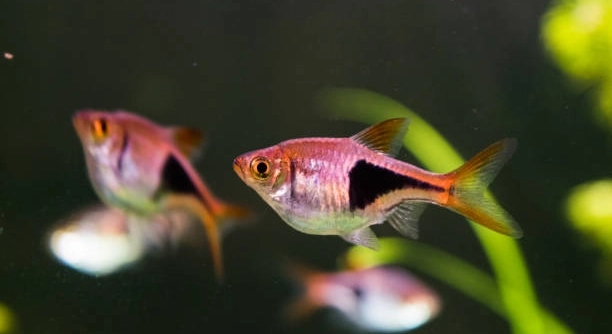
Rasboras are small, lively fish that brighten up any aquarium. Their delicate movements and shimmering colors make them a favorite among fish enthusiasts. Observing their behavior can reveal subtle signs of well-being and contentment in these aquatic creatures.
When rasboras are happy, they display distinct behaviors such as swimming energetically in groups, exploring their environment actively, engaging in playful interactions with other fish, and showing bright coloration. These actions indicate positive health, social satisfaction, and a well-adjusted habitat.
Recognizing these behaviors allows aquarists to create a more fulfilling environment. Observing their small gestures can enhance understanding of their needs and overall happiness.
Energetic Schooling Movements
Rasboras often swim in tight, coordinated groups when they are happy. This schooling behavior is not only visually appealing but also an important indicator of their comfort and security. When the water conditions are ideal and the tank environment feels safe, they synchronize their movements, gliding smoothly together. Observing them weave through plants, dart across open spaces, or circle decorations shows they feel confident in their habitat. The collective motion helps reduce stress and signals social well-being. Even small shifts in speed or formation reflect subtle changes in mood, allowing careful observers to gauge overall happiness. Providing hiding spots and consistent water parameters encourages these synchronized displays. Watching them interact as a school can be calming and satisfying. The energy they display during these movements often spreads throughout the tank, enhancing the liveliness of all its inhabitants. Their fluid, continuous swimming is a sign that they are thriving.
These coordinated movements indicate contentment. When rasboras move as a school, it shows they are secure, relaxed, and mentally stimulated.
Encouraging this behavior requires proper tank setup. Open swimming areas, gentle water flow, and adequate plant cover allow rasboras to express natural instincts. Monitoring their interactions helps ensure a healthy, happy group, and consistent conditions maintain these patterns over time.
Bright Color Displays
Rasboras’ colors become more vivid when they are happy and healthy. Their fins and bodies reflect light with stronger intensity, signaling positive well-being.
Happy rasboras display brighter, more intense hues that highlight their natural beauty. Changes in environment, diet, or water quality can directly affect how their colors appear. Feeding a varied diet rich in nutrients, maintaining clean water, and reducing stressors help enhance these displays. Strong lighting and carefully chosen plants can further accentuate their tones, making them more noticeable. Unlike dull or faded colors, these vibrant displays indicate both physical health and emotional comfort. Observing these changes over time allows one to track their happiness levels and adjust care practices accordingly. Their glowing appearance also boosts visual interest in the tank, making their presence more engaging and satisfying to watch. These colorful signs are reliable markers of contentment in small aquariums.
Bright coloration reflects physical health, diet quality, and environmental comfort. Maintaining conditions that support these factors ensures rasboras remain lively and visually striking, providing both observable happiness and aesthetic enjoyment.
Playful Darting
Rasboras often dart quickly between plants or around the tank when they are content. These sudden, agile movements show excitement and engagement with their environment, signaling that they feel safe and stimulated. Watching these quick bursts can be entertaining and indicate positive energy.
These playful dashes are more than random movements. They reflect curiosity, comfort, and a strong sense of territory. When a rasbora explores corners of the tank or navigates through decorations, it demonstrates confidence in its surroundings. Regular, unhindered movement helps maintain muscle tone and promotes overall health. Tanks with sufficient space, open areas, and scattered plants encourage these bursts, allowing the fish to exercise naturally. Over time, these darting patterns become predictable, showing that the fish has adapted to the environment and trusts its habitat. Such activity is a clear sign of mental stimulation and physical well-being.
Observing playful darting also reveals social dynamics among rasboras. Fish may chase each other briefly in friendly interactions, reinforcing bonds within the group. These interactions help reduce boredom and prevent stress, while also offering insight into individual personalities. Ensuring a balanced group and stable water conditions supports this behavior, keeping the fish happy and active daily.
Surface Snacking
Rasboras nibble at the water surface when feeding happily. This behavior indicates they are alert, energetic, and responding well to provided food.
Surface feeding is a healthy sign, showing that the fish are confident and comfortable. When they approach floating food without hesitation, it demonstrates trust in the environment and routine. Small variations in speed or timing reflect individual preferences and energy levels. Maintaining a varied diet, including flakes and small live or frozen foods, encourages consistent surface activity. Over time, this behavior also provides an opportunity to monitor appetite and overall health.
Regular surface snacking contributes to their nutritional balance and mental engagement. Fish that actively feed at the surface are more likely to maintain strong coloration, stamina, and social interactions. Observing feeding patterns can highlight changes in health or environment, allowing timely adjustments. Providing consistent feeding schedules and suitable food types ensures rasboras remain motivated, energetic, and happy. Their surface activity is not only practical for nutrition but also adds a lively dynamic to the tank, enhancing observation pleasure.
Gentle Fin Flicks
Rasboras often flick their fins lightly when content. This subtle movement shows relaxation and comfort in their surroundings, indicating that they feel safe and unstressed.
These gentle flicks also help with minor adjustments in balance and navigation. Observing them can reveal small shifts in mood or alertness, showing that the fish is healthy and mentally engaged.
Resting in Groups
Rasboras frequently rest close together among plants or decorations. Group resting provides security and reinforces social bonds, which are essential for their well-being.
Curious Exploration
Happy rasboras explore new areas of the tank actively. They investigate plants, substrate, and decorations without hesitation, demonstrating confidence and engagement with their environment.
Bubble Blowing
Some rasboras blow tiny bubbles at the water surface. This behavior is playful and indicates contentment, reflecting positive energy and curiosity within their habitat.
FAQ
How can I tell if my rasboras are happy?
Happy rasboras exhibit energetic swimming, synchronized schooling, bright coloration, and playful darting. They explore the tank confidently and interact gently with other fish. Observing regular surface feeding, gentle fin flicks, and occasional bubble blowing are additional signs of contentment. Consistent behavior patterns indicate comfort with their environment.
What tank conditions help rasboras stay happy?
Stable water parameters are crucial. Maintain a temperature between 72-78°F and a pH around 6.5-7.5. Clean water, moderate filtration, and a gentle current help create a stress-free environment. Providing plants, hiding spots, and open swimming areas encourages natural behaviors and supports mental stimulation.
Is social interaction important for rasboras?
Yes. Rasboras are schooling fish, and being in a group of at least six reduces stress and promotes happiness. They rely on social bonds for security and coordinated movements, which also enhances their natural behaviors and overall well-being.
What diet supports happy rasboras?
A varied diet improves health and encourages natural behaviors. Flakes, micro-pellets, and occasional live or frozen foods like brine shrimp or daphnia provide essential nutrients. Feeding small amounts multiple times a day maintains energy levels and encourages surface activity, playful darting, and exploration.
Why do rasboras dart suddenly around the tank?
Quick, agile movements are signs of happiness and curiosity. Darting helps them exercise, explore, and interact socially. Ensuring the tank has enough space, plants, and open areas allows these natural behaviors, preventing boredom and supporting mental and physical health.
How can I enhance their coloration naturally?
Bright colors reflect good health and environmental comfort. Providing a balanced diet, stable water conditions, and proper lighting helps their colors remain vivid. Plants, smooth substrates, and gentle currents can further accentuate natural hues. Regular observation ensures colors remain strong over time.
Do rasboras need hiding spots?
Yes. Plants, rocks, and decorations provide security and reduce stress. Happy rasboras often rest among cover, which allows them to feel safe while maintaining social bonds. Hiding spots also encourage exploration and playful behavior without fear.
What is the significance of bubble blowing?
Bubble blowing is a playful and curious behavior, signaling contentment. It demonstrates that rasboras are relaxed and engaged with their environment. Observing this small behavior alongside darting, schooling, and surface feeding indicates overall happiness.
How often should I monitor their behavior?
Daily observation is ideal. Monitoring swimming patterns, coloration, feeding habits, and interactions helps identify changes in mood, health, or environment. Consistent care and attention ensure rasboras remain active, healthy, and happy in their habitat.
Can stress affect their happiness?
Stress from poor water quality, overcrowding, sudden changes, or aggressive tank mates can reduce natural behaviors and dull coloration. Maintaining stable conditions, a proper group size, and a safe environment prevents stress and encourages content behavior.
How do I encourage playful behaviors?
Providing open swimming spaces, scattered plants, and varied food types stimulates darting, exploring, and surface activity. Gentle currents and safe tankmates enhance engagement, promoting healthy mental and physical activity. These conditions support natural expression of happiness in rasboras.
Are there warning signs of unhappiness?
Dull coloration, hiding excessively, reduced activity, or loss of appetite indicate discomfort or stress. Observing these behaviors allows timely intervention to improve water quality, diet, or social conditions, restoring their happiness and well-being.
Rasboras are small fish, but they have complex behaviors that reflect their well-being. Observing them closely allows us to understand their moods and needs. Happy rasboras swim energetically, explore their environment, and interact with others in their group. These behaviors are not just for show—they indicate that the fish are comfortable, well-fed, and living in a suitable habitat. Paying attention to signs like schooling movements, playful darting, and surface feeding helps maintain their health. Even subtle behaviors, such as gentle fin flicks or tiny bubble blowing, provide insight into their emotional state. Recognizing these patterns is important for anyone keeping rasboras, as it ensures the fish are thriving in a safe and enriching environment.
Maintaining proper tank conditions plays a crucial role in their happiness. Stable water parameters, a balanced diet, and a clean, well-organized tank contribute to positive behaviors and vibrant coloration. Plants, hiding spots, and open swimming spaces allow rasboras to express natural instincts like exploration and social interaction. Group dynamics are also essential, as rasboras feel more secure in a school and rely on social bonds for comfort. Observing how they rest together, move in unison, or engage in playful chasing helps identify whether they are relaxed or stressed. Consistent care and attention to their environment encourage behaviors that show contentment, such as lively swimming, bright colors, and curiosity. Over time, these small signs build a clear picture of overall happiness, making it easier to adjust care routines and maintain a healthy aquarium.
Watching rasboras thrive can be both satisfying and informative. By noticing how they behave and respond to their surroundings, we gain insight into their needs and preferences. This awareness helps create a stable environment that promotes mental and physical well-being. Providing suitable conditions, appropriate nutrition, and sufficient space for movement allows them to display natural behaviors freely. Encouraging these behaviors strengthens their health, reduces stress, and enhances the visual appeal of the tank. Understanding the ways rasboras express happiness ensures they are well cared for and can enjoy a rich, stimulating environment. Observing their small gestures, from schooling movements to surface snacking, provides a consistent reminder of how even tiny creatures communicate comfort and contentment in subtle, meaningful ways.

Hello,
If you enjoy the content that we create, please consider saying a "Thank You!" by leaving a tip.
Every little bit helps us continue crafting quality advice that supports the health, happiness, and well-being of pets around the world, for pets of all shapes, sizes, and species.
We really appreciate the kindness and support that you show us!