
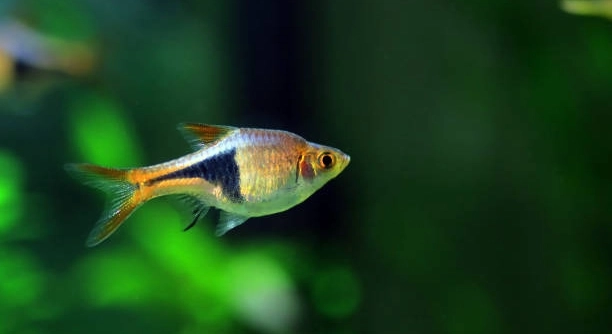
Breeding rasboras can be challenging for dedicated aquarists who provide care yet see no results, creating confusion and disappointment while tanks appear stable, clean, and well maintained despite consistent feeding routines and careful water monitoring.
The primary reasons rasboras refuse to breed include unsuitable water parameters, inadequate conditioning diets, stress from tank mates, insufficient spawning cues, improper lighting cycles, immature specimens, and environmental instability, all of which disrupt hormonal readiness and suppress behaviors in captivity.
By examining each cause closely, aquarists can adjust care practices and create conditions that support healthy, reliable rasbora spawning success.
Unstable Water Conditions
Water quality plays a direct role in rasbora breeding behavior. When parameters shift too often, fish focus on survival rather than spawning. Temperature swings, incorrect pH, and inconsistent hardness interfere with natural signals needed for reproduction. Even clean tanks can cause issues if water changes are irregular or rushed. I have learned that stability matters more than perfection. Rasboras respond best to slow adjustments that mimic seasonal changes found in nature. Sudden corrections, even with good intent, create stress that delays breeding readiness. Poor filtration flow can also disrupt comfort levels, especially for shy species. When water feels unpredictable, rasboras conserve energy and avoid vulnerable activities like spawning. Keeping conditions steady over time allows hormones to regulate properly and encourages calm, natural interactions within the tank over extended periods without constant interference from external maintenance habits and unnecessary equipment changes that alter daily balance inside the aquarium system for fish.
Consistent testing helps prevent hidden problems from building unnoticed. Small weekly water changes, matched in temperature and chemistry, support long term balance. Avoid reacting quickly to minor fluctuations. Patience allows rasboras to settle, feel secure, and gradually display natural breeding behaviors without constant environmental disruption caused by frequent adjustments alone.
Many aquarists overlook how lighting and daily rhythms affect spawning readiness. Rasboras rely on predictable light cycles to regulate hormones tied to reproduction. Lights left on too long or switched at random confuse internal clocks. I keep lighting simple, using timers to maintain consistency. Dim areas also matter, as constant brightness increases tension. Floating plants help soften light and create comfort. When day and night patterns remain stable, rasboras conserve energy and focus on pairing behaviors. Balanced lighting supports calm movement, reduces stress, and encourages natural courtship without forcing artificial triggers that disrupt long term breeding stability within home aquariums.
Stress and Social Environment
Stress remains a major reason rasboras avoid breeding. Crowded tanks, aggressive tank mates, and constant activity increase alert behavior. Even peaceful fish can cause pressure when space is limited. A calm setup allows rasboras to relax, pair naturally, and conserve energy for spawning without unnecessary territorial competition from surrounding fish.
Rasboras are sensitive to their surroundings, and social stress often develops quietly. When housed with fast moving or dominant species, they remain cautious and withdrawn. This constant vigilance redirects energy away from reproduction. I noticed improved behavior once I reduced tank activity and chose compatible species. Providing dense plants and visual breaks helps rasboras establish safe zones. Group size also matters. Too few fish disrupt natural schooling comfort, while overcrowding limits personal space. A balanced group encourages confidence and normal interaction. Feeding routines contribute as well. Irregular feeding or competition at mealtime increases tension. Offering small, frequent meals helps reduce rivalry. Breeding tanks benefit from isolation, where external movement and noise are minimal. When rasboras feel secure within their social structure, breeding behaviors emerge gradually and consistently without force. Tank placement inside the home also influences stress levels. Loud rooms, constant foot traffic, and sudden vibrations create unease. I prefer quieter locations with limited disturbance. Covering tank sides can further reduce visual stressors. Stability in social and physical surroundings builds trust. Over time, this calm environment supports conditioning, pairing, and successful spawning without aggressive intervention from human presence and routine household motion that otherwise disrupt breeding focus in captive settings.
Inadequate Diet and Conditioning
Rasboras need proper conditioning before breeding can begin. A weak or repetitive diet limits energy reserves and affects egg development. When meals lack variety, fish remain healthy enough to survive but not prepared for the physical demands of spawning over extended periods in captivity without proper nutritional support long term.
Breeding success improves when rasboras receive protein rich foods during conditioning phases. Live and frozen options such as daphnia or brine shrimp stimulate natural instincts and support egg production. I noticed stronger coloration and calmer behavior after adjusting feeding schedules. Small portions given multiple times daily reduce waste and stress. Dry foods alone often lack essential nutrients needed for reproduction. Rotating food types ensures balanced intake. Consistency matters, as sudden changes disrupt digestion. A slow, steady conditioning period prepares both males and females for spawning activity without overwhelming their systems over extended timelines within controlled home aquariums for optimal readiness.
Female rasboras require sufficient fat reserves to develop viable eggs. Without proper nutrition, spawning may occur rarely or not at all. Males also depend on diet to maintain stamina for courtship displays. I learned that feeding more does not mean feeding better. Overfeeding creates water issues that counter progress. Balanced meals paired with clean conditions work together. Conditioning should last several weeks, not days. Rushing this stage often leads to failed attempts. Patience and observation help fine tune feeding without excess while maintaining consistent routines and monitoring subtle behavioral changes closely over time in breeding setups at home tanks carefully.
Missing Environmental Spawning Triggers
Rasboras rely on environmental signals to initiate spawning behavior. Without clear triggers, breeding remains dormant. Water level changes, gentle temperature shifts, and softer lighting often signal seasonal patterns. I found that static conditions limit response. Simulating subtle changes encourages natural timing. These adjustments must remain gradual. Sudden shifts create stress. When cues align properly, rasboras respond with increased activity and pairing behavior during controlled breeding periods in captivity with careful observation and restraint applied consistently.
Many breeding attempts fail because tanks remain unchanged for long periods. In nature, rasboras spawn during seasonal transitions tied to rainfall and temperature. Mimicking this does not require dramatic changes. Slightly cooler water followed by gradual warming often helps. Lowering water levels before a refill can trigger interest. I prefer small adjustments spaced over days. Lighting should follow a natural rhythm, not extended brightness. Adding fine leaf plants or spawning mops provides safe egg sites. These cues work together. Isolating breeding pairs during this phase reduces distraction. When conditions reflect natural cycles, spawning becomes more likely without force and supports calmer interactions that encourage successful egg release and fertilization over time within stable home aquariums using patience rather than constant intervention or rushed adjustments alone.
Immature Fish and Poor Sex Ratios
Rasboras will not breed if they are too young or poorly paired. Immature fish focus on growth, not reproduction. When sexes are mismatched, courtship stalls. I learned waiting matters. Allowing fish to fully mature before breeding attempts improves confidence, behavior, and long term spawning success in controlled home aquariums settings.
Proper ratios help breeding progress naturally. Too many males increase chasing, while too few reduce stimulation. I prefer small groups with more females. This reduces stress and supports pairing. Observing subtle changes in interaction helps confirm readiness without forcing outcomes through constant separation or rearranging fish within breeding tank setups.
Improper Tank Size and Layout
Tank size and layout affect breeding success more than expected. Cramped spaces limit movement and raise tension. Rasboras need room to school calmly before pairing. I noticed better results after upgrading tank length rather than height. Open swimming areas mixed with dense plants create balance. Bare tanks discourage natural behavior. Spawning sites must feel secure, not exposed. Substrate choice matters less than plant cover. When layout supports hiding and flow, fish settle faster. Consistent structure allows rasboras to establish comfort zones. Rearranging decor too often resets behavior and delays spawning readiness over time within stable long term breeding tank environments.
Excessive Human Interference
Frequent interference interrupts breeding progress. Constant netting, rescapes, and testing create alert behavior. I keep hands out unless necessary. Observation works better than action. Allowing routines to remain unchanged builds trust. Calm maintenance schedules support natural spawning patterns and reduce unnecessary stress during sensitive conditioning periods for captive rasbora breeding.
FAQ
Why are my rasboras not spawning even though they look healthy?
Healthy appearance alone does not guarantee breeding readiness. Rasboras may still lack proper conditioning, environmental triggers, or social comfort. I’ve seen fish that are perfectly colored and active still refuse to spawn because water parameters were slightly off or stress levels were high. Ensuring proper diet, consistent water conditions, and calm surroundings is essential. Spawning readiness often takes weeks of careful observation and small adjustments rather than immediate results, even when all other care factors seem ideal.
How long should I condition my rasboras before attempting to breed them?
Conditioning usually takes two to four weeks. During this time, focus on high-quality protein-rich foods like live or frozen daphnia, brine shrimp, and micro worms. I feed smaller portions several times a day to maintain energy without overloading the tank. Observing behavior during this period helps gauge maturity and readiness. Both males and females require proper nutrition to stimulate egg production and courtship activity. Skipping or shortening this period often leads to poor spawning attempts and wasted effort.
Can water temperature alone trigger spawning?
Temperature plays a role but is not enough by itself. Gradual changes that mimic seasonal shifts, combined with soft lighting and subtle water level adjustments, tend to produce better results. I noticed rasboras respond more readily when these cues occur together rather than one at a time. Sudden temperature changes often stress fish instead of encouraging breeding. Maintaining stable baseline conditions is also critical to prevent fluctuations that interfere with hormonal readiness.
Do tank mates affect breeding success?
Yes, they can significantly impact breeding. Aggressive or overly active species create stress and prevent courtship. I often isolate pairs or small groups in separate breeding tanks to reduce distraction. Even peaceful fish can inhibit spawning if the environment feels unsafe. Providing hiding spaces, dense plants, and visual breaks encourages comfort and allows natural pairing behaviors to emerge without interference.
What kind of plants or spawning sites work best?
Fine-leaved plants, floating moss, and spawning mops provide safe surfaces for egg laying. I find that rasboras prefer areas where they can hide slightly while spawning, reducing exposure to light or movement. Open swimming areas mixed with plant coverage allow both courtship and escape routes, which lowers stress. Dense vegetation also supports fry survival once eggs hatch. Spawning success improves when these features remain consistent rather than frequently moved.
How can I tell if my rasboras are ready to spawn?
Mature males often display brighter colors and more active chasing behavior, while females may show a slightly rounded abdomen. I look for consistent interactions rather than occasional bursts of activity. Paired displays, gentle nudging, and focused schooling around specific areas often indicate readiness. Patience is key—forcing interaction rarely succeeds. Observing over several days ensures the signs are genuine and not temporary reactions to stress or feeding routines.
Is frequent tank maintenance harmful during breeding attempts?
Yes, too much interference increases stress and delays spawning. I limit water changes to gentle, gradual routines and avoid netting or rearranging decorations. Observation from a distance works better than hands-on adjustments. Calm, predictable maintenance schedules support breeding without disrupting pair formation or courtship.
How long does it take for eggs to hatch?
Rasbora eggs typically hatch within 24 to 48 hours, depending on temperature and water quality. I keep the tank dimly lit and stable during this period. Any sudden changes can harm eggs or fry. After hatching, keeping conditions consistent helps fry survive and grow without additional stressors from rapid environmental changes.
Can I encourage spawning with hormones or chemicals?
Hormonal treatments are rarely necessary for home aquariums. I prefer natural methods like diet, conditioning, and environmental cues. Artificial stimulation can create complications and increase stress. Success is more sustainable when rasboras are given time and stable conditions to respond naturally to cues that mimic their native seasonal patterns.
What is the best way to protect eggs and fry?
Separate breeding tanks or dense vegetation reduce predation from adults. I gently remove eggs or provide fine plants for hiding. Minimal disturbance and clean, stable water ensure higher survival rates. Frequent observation helps monitor progress without increasing stress. Fry require calm conditions and small, frequent feedings once hatched to thrive.
Final Thoughts
Breeding rasboras can feel challenging at first, but understanding the factors that influence their behavior makes the process more manageable. Water conditions, diet, social environment, and environmental cues all play a crucial role in whether these fish decide to spawn. I have found that success rarely comes from one single adjustment. Instead, consistent attention to multiple aspects of their care creates a stable environment that encourages natural breeding behavior. Even small changes, like providing fine-leaved plants or adjusting lighting gradually, can make a noticeable difference over time. The more stable and predictable the tank, the more confident and active the rasboras become. They respond to calm surroundings and steady routines, and this patience often leads to better results than trying to rush the process.
Proper nutrition is another essential part of preparing rasboras for breeding. A varied, protein-rich diet supports both males and females in developing the energy and stamina needed for courtship and egg production. I have seen how fish that receive consistent, high-quality feed become more colorful, active, and responsive in their interactions. Overfeeding or using low-quality foods can create water issues, stress the fish, and hinder breeding. Balancing portion size, frequency, and variety is key. Conditioning periods of several weeks allow both sexes to build reserves and demonstrate natural behaviors, which improves the likelihood of successful spawning. Maintaining water quality alongside diet ensures that these changes support the fish without introducing additional stressors.
Patience and observation are just as important as environmental or dietary adjustments. Rasboras are sensitive creatures, and subtle signs often indicate readiness to breed. Watching interactions, noting changes in behavior, and monitoring physical conditions all provide valuable information. I have learned that frequent interference, such as moving decorations, netting fish, or sudden water changes, can undo weeks of preparation. Calm maintenance routines, stable tank layout, and minimal disturbances allow fish to feel secure and focus energy on pairing and spawning. By combining careful observation, proper conditioning, stable water, and thoughtful environmental cues, it is possible to create an aquarium where rasboras can breed naturally and consistently over time, turning what initially seems like a challenge into a rewarding experience.

Hello,
If you enjoy the content that we create, please consider saying a "Thank You!" by leaving a tip.
Every little bit helps us continue crafting quality advice that supports the health, happiness, and well-being of pets around the world, for pets of all shapes, sizes, and species.
We really appreciate the kindness and support that you show us!