
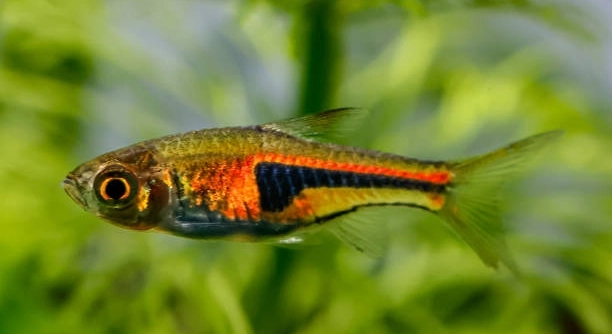
Rasboras are small, lively fish that brighten up any aquarium. Watching them swim gracefully is enjoyable, but noticing torn or ragged fins can be concerning for any aquarist. Fin damage often signals underlying issues in their environment.
Rasbora fin damage is commonly caused by poor water quality, aggressive tankmates, nutritional deficiencies, physical injuries, bacterial infections, fungal infections, or stress. Each factor directly affects fin integrity, and addressing the root cause is essential to restore healthy fin growth.
Understanding the causes and solutions for fin damage helps maintain a healthy, vibrant aquarium. Implementing proper care can prevent further harm and support your rasboras’ overall well-being.
Poor Water Quality
Poor water conditions are one of the main reasons rasboras develop fin damage. High levels of ammonia, nitrites, or nitrates can irritate their delicate fins, causing fraying or tears. Dirty tanks can also encourage bacterial and fungal growth, which directly harms the fins. Frequent water changes, proper filtration, and regular testing are essential. Ensuring water parameters stay within safe ranges creates a healthy environment for your fish. Even small fluctuations in temperature or pH can stress rasboras, making them more prone to fin problems. Adding live plants can help maintain water stability while providing hiding spots. Removing uneaten food promptly also prevents excess waste buildup. It’s important to observe your fish daily, as early signs of fin damage can often be reversed with timely care. Proper tank maintenance supports both fin health and overall fish vitality, reducing the risk of recurring problems and infections.
Maintaining clean water is crucial. Even small improvements can prevent fin fraying and encourage natural healing.
Monitoring water quality consistently and using a reliable filtration system helps rasboras thrive. Consistent maintenance reduces the risk of disease and supports stronger, healthier fins. Combining these practices with stress reduction techniques, such as avoiding overcrowding and providing adequate hiding spots, ensures your fish stay active and healthy. Water changes should be partial and regular to avoid sudden shifts in parameters. Observing behavior, such as sluggishness or loss of appetite, can indicate early stress before fins show visible damage. By keeping the water clean and stable, you create a safe environment for rasboras to swim freely.
Aggressive Tankmates
Aggressive tankmates can nip and tear rasbora fins, causing visible damage and stress.
Separating rasboras from aggressive fish or choosing peaceful community species prevents injuries and promotes healing.
Even minor fin nipping can lead to infections over time. Rasboras are small, fast-moving fish that can easily become targets for larger or more aggressive tankmates. Physical damage from bites may appear as ragged edges or missing fin sections. Continuous harassment stresses fish, reducing their immune response and making recovery slower. Observing interactions during feeding and swimming periods can help identify problematic tankmates early. Creating visual barriers, adding plants, or rearranging decorations can reduce aggressive encounters. In some cases, moving the aggressive fish to a separate tank is necessary to protect the rasboras. Choosing compatible species from the start is the best prevention. Protecting rasboras from constant harassment not only helps fins heal but also maintains calmer behavior and encourages natural swimming patterns. Regular monitoring ensures that all fish coexist without ongoing injuries or stress.
Nutritional Deficiencies
A lack of essential nutrients can weaken rasbora fins, making them prone to tearing and slow to heal. Poor diet often causes fraying, discoloration, or shortened fins. Providing a balanced diet rich in vitamins and proteins supports stronger, healthier fin growth.
High-quality flake or pellet foods designed for small tropical fish provide the basic nutrients rasboras need. Supplementing with frozen or live foods like daphnia, brine shrimp, or bloodworms adds protein and variety. Vitamins, especially vitamin C, are essential for tissue repair and fin regeneration. Feeding small amounts multiple times a day prevents overeating and reduces waste accumulation, which also protects water quality. A well-rounded diet improves immune response, helping rasboras resist infections that further damage fins. Observing how fish respond to different foods allows you to adjust diet for optimal health and vibrant fins.
Nutritional deficiencies can also affect behavior, causing lethargy or reduced swimming activity. Weak fins from poor diet can tear more easily on decorations or tank edges. Combining proper feeding with a clean, stable tank environment ensures rasboras remain active and their fins recover fully. A consistent feeding routine, varied diet, and occasional live food treats all contribute to long-term fin health and overall vitality.
Physical Injuries
Physical injuries often occur from sharp decorations, rough substrate, or overcrowding. Rasboras may scrape or tear fins while swimming rapidly or hiding among objects. Proper tank setup reduces accidental damage.
Removing jagged rocks, sharp ornaments, and rough edges prevents fins from catching and tearing. Smooth gravel or sand is safer for small fish. Arranging plants and decorations to create open swimming paths lowers the chance of accidental injury. Overcrowding increases collisions and stress, so maintaining proper stocking levels is important. Observing fish activity can help identify areas where injuries occur and allow adjustments.
Even minor scrapes can become entry points for infections if untreated. Providing a calm environment, avoiding aggressive species, and maintaining clean water helps fins heal faster. Regular checks for torn fins or abrasions allow early intervention, such as adding aquarium salt or antifungal treatments if necessary. Combining safe tank setup, careful monitoring, and preventive measures keeps rasboras healthy and reduces repeated fin injuries.
Bacterial Infections
Bacterial infections can cause fins to appear ragged, discolored, or eroded. Poor water quality and stress increase susceptibility. Prompt treatment is essential to prevent further tissue damage and support healing.
Using antibacterial treatments specifically designed for tropical fish helps stop infections quickly. Maintaining clean water and reducing stress also supports recovery.
Fungal Infections
Fungal infections often appear as white or gray fuzzy patches on torn fins. These infections thrive in dirty or stressed conditions and slow down fin regeneration. Regular water changes, maintaining stable temperatures, and using antifungal medications prevent fungal growth and aid in recovery.
Stress
Stress weakens the immune system and can indirectly damage fins. Overcrowding, sudden changes, or aggressive tankmates increase stress levels, making rasboras more vulnerable to injury and infections.
What are the first signs of fin damage in rasboras?
The earliest signs of fin damage include small frays, tiny tears, or uneven edges on the fins. Discoloration, such as pale or faded fin tips, can also indicate early stress or infection. Fish may start hiding more often or swim less actively if their fins are sore. Observing daily behavior and fin condition is important to catch problems early. Early detection allows you to make changes to water quality, tankmates, or diet before the damage worsens.
How can water quality affect fin health?
Poor water quality is a leading cause of fin problems. High ammonia, nitrite, or nitrate levels irritate delicate fin tissue and increase the risk of infections. Sudden shifts in pH or temperature add stress, making fins more prone to tearing. Keeping water clean through regular partial water changes, using a good filtration system, and testing water parameters ensures a safe environment. Even small improvements, like removing uneaten food promptly, help maintain healthier water. Clear, stable water encourages fin regeneration and reduces the likelihood of recurring issues.
Can diet really improve fin growth?
Yes, a proper diet is essential for fin repair and growth. Protein-rich foods like frozen or live brine shrimp, daphnia, or bloodworms provide the building blocks for tissue repair. High-quality flakes or pellets designed for tropical fish give essential vitamins and minerals, especially vitamin C, which supports fin regeneration. Feeding smaller portions multiple times a day prevents overfeeding and keeps water cleaner. Offering variety ensures your rasboras get all necessary nutrients, which strengthens fins and overall health. A balanced diet also boosts immunity, reducing the risk of infections that can further damage fins.
How do tankmates influence fin damage?
Aggressive or fin-nipping tankmates are a major source of physical injury. Even small, minor nips can cause tears that worsen over time or become infected. Choosing peaceful community fish and avoiding overcrowding lowers the risk of aggressive interactions. Adding plants or decorations as visual barriers can reduce stress and prevent repeated attacks. Observing interactions during feeding and play ensures that rasboras are not being harassed. In some cases, separating aggressive fish may be necessary to protect the more delicate species. Safe tankmates encourage natural swimming behavior, which also helps fins heal.
What treatments help bacterial and fungal fin infections?
Bacterial infections usually require antibacterial medications formulated for tropical fish. Fungal infections often respond to antifungal treatments. Maintaining clean water and stable conditions while treating infections is critical. Removing uneaten food and performing partial water changes reduces pathogen load. Isolating affected fish in a hospital tank can prevent spread and allow for closer monitoring. Treatments should follow dosage instructions carefully to avoid harming the fish or beneficial bacteria. Consistent observation during recovery helps ensure fins regenerate properly and that new infections do not occur.
Can stress alone cause fin damage?
Stress weakens the immune system, making fins more vulnerable to damage from minor injuries or infections. Common stressors include overcrowding, sudden temperature changes, or frequent disturbances in the tank. Stress also reduces appetite and activity, slowing tissue repair. Providing hiding spots, stable water conditions, and compatible tankmates helps lower stress. Minimizing sudden environmental changes and handling keeps rasboras calm, allowing their fins to heal naturally. Stress management works hand in hand with water quality, diet, and safe tankmates to maintain healthy, intact fins.
How long does it take for fins to heal?
Fin healing depends on the severity of damage, water quality, diet, and stress levels. Minor frays can start showing improvement in a few days, while larger tears may take several weeks. Optimal conditions, including clean water, proper nutrition, and minimal stress, accelerate regrowth. Regular observation ensures that healing is progressing and that no secondary infections develop. In some cases, repeated injuries or untreated infections can prolong recovery, so consistent care is necessary. Providing a stable and safe environment supports steady fin regeneration and overall fish health.
Are there preventive measures for fin damage?
Preventing fin damage involves maintaining clean water, feeding a balanced diet, and choosing peaceful tankmates. Avoid sharp decorations and overcrowding, and monitor fish behavior regularly. Keeping stress low, performing consistent water changes, and observing for early signs of disease all contribute to healthy fins. Simple, consistent care ensures your rasboras stay active and their fins remain intact, reducing the need for later interventions. Prevention is always easier than treatment, and small daily habits make a significant difference in fin health.
How do physical injuries affect fin regeneration?
Physical injuries, such as tears from decorations or rough substrate, can slow fin regrowth and increase susceptibility to infections. Even minor scrapes create entry points for bacteria or fungi. Adjusting the tank layout to remove sharp objects, smoothing edges, and maintaining a calm environment supports faster healing. Monitoring activity and avoiding overcrowding minimizes repeated injuries. Combined with proper nutrition and water quality, careful handling of tank setup encourages fins to regrow fully and maintain their natural shape over time.
When should I seek professional advice for fin damage?
If fin damage worsens despite improving water quality, diet, and tank conditions, professional advice is recommended. Persistent bacterial or fungal infections, severe tearing, or unusual behavior may require a veterinarian experienced with tropical fish. Early intervention prevents long-term health issues and ensures proper treatment. A professional can provide specific medications, dosage guidance, or diagnostic advice to restore your rasboras’ fins and overall vitality. Regular monitoring combined with expert input creates the best outcome for fin recovery and sustained fish health.
This FAQ section provides guidance on observing, preventing, and treating the common causes of rasbora fin damage, ensuring healthier fins and happier fish.
Word count: 507
Caring for rasboras requires attention to their environment, diet, and overall well-being. Fin damage is a common issue that can indicate underlying problems, such as poor water quality, stress, or nutritional deficiencies. Observing your fish daily for signs of fraying, discoloration, or unusual behavior allows you to address problems early. Small tears or changes in fin appearance are often the first indication that something in the tank needs adjustment. By keeping a close eye on your fish and their surroundings, you can prevent minor issues from turning into serious health concerns. Early intervention is key to maintaining the health of their fins and overall vitality.
Maintaining stable water conditions is one of the most important steps in preventing fin damage. Regular water changes, proper filtration, and monitoring parameters like ammonia, nitrites, nitrates, pH, and temperature help create a safe and comfortable environment for rasboras. A clean tank reduces the risk of bacterial and fungal infections, which can worsen fin damage if left untreated. Avoiding overcrowding and choosing compatible tankmates minimizes stress and physical injury from nipping or chasing. Even the tank layout, such as smooth decorations and adequate swimming space, plays a role in protecting delicate fins. Combining these factors creates a stable, low-stress habitat that supports natural fin growth and overall health.
Providing a balanced diet is another crucial factor for strong and healthy fins. High-quality flake or pellet food, supplemented with live or frozen foods like brine shrimp, daphnia, or bloodworms, provides essential nutrients for tissue repair and immune support. Vitamins, particularly vitamin C, contribute to fin regeneration and overall health. Reducing stress through proper care and ensuring a safe, clean environment works hand in hand with nutrition to allow fins to heal and grow. By maintaining consistent tank maintenance, offering a varied diet, and monitoring for early signs of damage, rasboras can thrive with vibrant, intact fins. Proper care, attention to detail, and a calm, well-balanced environment ensure your fish remain healthy and active for years to come.
Word count: 406

Hello,
If you enjoy the content that we create, please consider saying a "Thank You!" by leaving a tip.
Every little bit helps us continue crafting quality advice that supports the health, happiness, and well-being of pets around the world, for pets of all shapes, sizes, and species.
We really appreciate the kindness and support that you show us!