
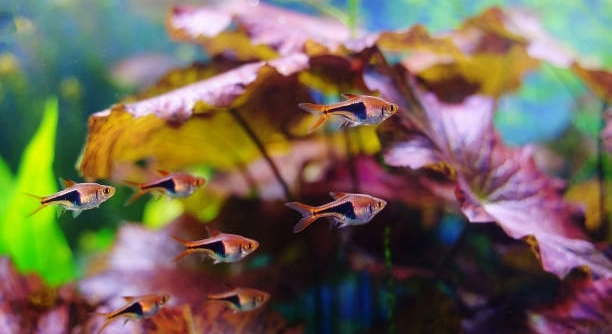
Do you ever find yourself wondering if everyday household noise affects your peaceful Rasbora swimming around in their tank?
Rasboras can react to room noise, especially sudden or loud sounds, which may cause stress and erratic swimming behavior. Their sensitivity to vibrations and sound pressure makes them responsive to changes in their surrounding environment.
Learning how different types of noise influence your Rasbora can help you create a calmer, more stable habitat for your fish.
How Room Noise Affects Rasboras
Rasboras are sensitive to their surroundings, and this includes the sounds and vibrations that come from outside their tank. Loud voices, sudden bangs, or the hum of appliances can all create pressure waves that travel through the water. Since Rasboras rely on their lateral line system to detect movement and vibration, they may interpret unexpected noise as a threat. This can lead to sudden darting, hiding, or even long-term stress if the noise becomes a regular issue. Over time, such stress may impact their immune system, eating habits, and overall behavior. If they’re constantly exposed to unpredictable noise, their environment becomes less secure, which can affect how active and comfortable they are during the day. While some background noise is tolerable, consistent or erratic sounds can disrupt their usual patterns.
Keeping the tank away from TVs, stereos, or high-traffic areas can help reduce noise sensitivity and support a healthier setup.
A calm environment lets Rasboras maintain their natural behavior, which is essential for their long-term wellbeing.
Signs Your Rasboras Are Stressed by Noise
When Rasboras are stressed by noise, they may become skittish, swim erratically, or hide more often than usual.
In some cases, you might notice that they refuse food or show less interest in their surroundings. Their colors may also appear duller, which is a sign of discomfort. If the tank is located near a source of regular household activity—like a kitchen, living room, or a shared hallway—these behaviors may become more obvious over time. Repeated exposure to loud sounds, vibrations, or sudden disturbances can alter their usual rhythm and cause them to react defensively. While Rasboras are peaceful fish, stress lowers their tolerance and may even lead to aggression between tank mates in more severe cases. Observing how they react during louder moments in your home can give you a better idea of what might be affecting them. Moving their tank or adding sound-absorbing materials around it could make a meaningful difference in how safe they feel.
Creating a Quieter Environment for Your Rasboras
Placing your aquarium in a low-traffic area of your home is one of the easiest ways to reduce noise exposure for your Rasboras. Avoid spots near televisions, speakers, doors, or kitchens where sudden sounds often occur.
If you live in a noisy household, consider using soft furnishings around the tank to absorb sound. Carpets, curtains, and padded furniture help reduce echoes and vibration. Adding a background panel or insulation board behind the tank can also muffle some of the ambient noise. You can even place a thick mat under the aquarium stand to reduce floor vibrations. If your filter is noisy, upgrading to a quieter model or adjusting the flow may help. These small changes can make the environment feel more secure for your fish. A peaceful space supports steady behavior, better feeding habits, and less hiding—especially for sensitive species like Rasboras.
Monitor the room throughout the day to catch noise patterns. Certain times, like early mornings or evenings, may be louder due to regular household activities. If you notice more skittish behavior during those hours, try shifting your routine slightly to ease the impact. A simple adjustment, like keeping doors closed or speaking softly near the tank, can improve their comfort level significantly. Watch for signs of improvement like more active swimming and brighter colors.
Other Factors That May Be Mistaken for Noise Stress
Sometimes behavior changes are blamed on noise when the real cause lies elsewhere. Water quality, tank mates, or poor lighting can produce similar signs of stress in Rasboras.
Check your water parameters regularly—ammonia, nitrite, and nitrate levels should stay within safe ranges. Even mild imbalances can make Rasboras restless or inactive. Tank mates also matter. If housed with aggressive or overly active species, Rasboras may react in similar ways as they would to loud noises—by hiding, darting, or eating less. Dim lighting or sudden light changes can also startle them and cause stress-like behavior. Make sure your aquarium is well-cycled, kept clean, and has stable lighting throughout the day. It helps to rule out these other factors before making changes based solely on room noise. A balanced, peaceful tank setup—both in sound and structure—leads to healthier fish.
Simple Ways to Monitor Their Behavior
Watching your Rasboras closely during louder moments in the day helps you understand their reactions. If they dart around, hide suddenly, or bunch together near the bottom, noise may be the reason. Keep track of when and how often this happens.
Try observing them during quiet periods as well. If they swim freely, explore plants, and show bright coloring, it’s a sign they’re comfortable. Comparing these behaviors can give you a clearer picture of what’s affecting them and when.
When to Make Changes to Their Setup
If your Rasboras continue to show signs of stress after you’ve reduced noise, it may be time to adjust their setup further. Start with small changes like adding more hiding spots using plants, driftwood, or decorations to make them feel secure. Move the tank to a more private part of your home if needed. A small shift away from busy areas can make a big difference. Make sure lighting is soft and consistent, and check that filter output isn’t causing extra movement. Always give your fish time to adjust after changes, watching for steady improvements in their behavior over several days.
Consistency Makes a Difference
Once your Rasboras feel safe in their environment, keep things steady. Avoid frequent changes in light, layout, or sound.
FAQ
Do Rasboras get stressed by loud noises?
Yes, loud and sudden noises can stress Rasboras. Their sensitivity to vibrations means that unexpected sounds might trigger fear responses like darting or hiding. Prolonged exposure to noise can impact their health by causing constant stress, which affects their eating and activity levels.
Can normal household sounds bother Rasboras?
Everyday noises like talking, vacuum cleaners, or appliances may bother some Rasboras if the tank is in a busy area. However, steady background sounds at low volume are usually less disturbing than sudden or loud noises. Placement of the tank away from common noise sources helps reduce stress.
How can I tell if my Rasboras are stressed?
Signs of stress include erratic swimming, hiding, loss of appetite, and dull colors. They may group tightly or stay still near the tank bottom. Watching their behavior during noisy versus quiet times can help identify if noise is a problem.
Will Rasboras get used to noise over time?
Some Rasboras may gradually adapt to consistent low-level noise, but sudden or very loud sounds will likely always cause a reaction. Long-term exposure to disruptive noise is not recommended as it can cause ongoing stress and health issues.
Is it okay to have the tank near a TV or stereo?
It’s best to avoid placing the tank directly near TVs, stereos, or speakers. These devices produce vibrations and sudden volume changes that Rasboras can detect. If unavoidable, try to limit volume and reduce bass, and add soft materials around the tank to absorb sound.
What other factors can stress Rasboras besides noise?
Water quality issues, aggressive tank mates, poor lighting, and inadequate hiding spots are common causes of stress. Keeping water clean and stable, choosing peaceful companions, and providing plants or decorations help maintain a calm environment.
How can I reduce noise stress without moving the tank?
Adding sound-absorbing materials like curtains, rugs, or foam panels around the tank area can help. A thick mat under the aquarium stand reduces vibrations. Keeping household noise low near the tank and limiting sudden loud sounds also improves comfort for Rasboras.
Does background noise from outside (like traffic) affect Rasboras?
Traffic and other outside noises can affect Rasboras if the tank is near windows or thin walls. Using window coverings or relocating the tank to an interior room helps minimize external noise impact. Soundproofing measures can further reduce vibrations transmitted to the tank.
Can Rasboras’ behavior improve if noise is reduced?
Yes, lowering noise levels usually helps Rasboras feel safer and behave more naturally. They become more active, show brighter colors, and have better feeding habits. Small environmental changes often result in noticeable improvements.
Should I use a tank cover to block noise?
A tank cover mainly helps reduce light fluctuations and prevent fish from jumping, but it offers little noise reduction. Focusing on the tank location and sound absorption around it is more effective for controlling noise stress.
How important is routine for Rasboras in noisy environments?
Maintaining a consistent daily routine for feeding, lighting, and tank care helps Rasboras manage stress better. Predictability in their environment provides stability, which can offset some effects of unavoidable noise.
Can stress from noise lead to illness in Rasboras?
Chronic stress weakens Rasboras’ immune systems, making them more vulnerable to infections and diseases. Ensuring a quiet and stable environment supports their overall health and longevity.
Is it normal for Rasboras to hide when the room is noisy?
Yes, hiding is a natural response to perceived threats. Frequent hiding during noisy periods indicates discomfort. Providing plenty of plants and shelters helps Rasboras feel secure and reduces stress-related behavior.
What is the best way to test if noise affects my Rasboras?
Try observing their behavior in quiet versus noisy conditions. Note changes in activity, feeding, and coloration. If negative behaviors increase with noise, consider relocating the tank or reducing the noise source.
Can I use white noise or soft music to calm Rasboras?
Soft, consistent sounds may help mask sudden noises and create a soothing background. However, it’s best to keep volumes low and observe your fish’s response. Some Rasboras might tolerate soft music, while others prefer silence.
How often should I check on Rasboras to ensure they’re not stressed?
Regular observation throughout the day helps catch signs of stress early. Watching them during different household activities allows you to identify specific noise triggers and make adjustments accordingly.
This FAQ covers key concerns about how room noise interacts with Rasbora behavior and wellbeing. Implementing simple environmental controls can improve their comfort and health in your home aquarium.
Rasboras are delicate fish that thrive best in calm and stable environments. Noise in the room, especially sudden or loud sounds, can disturb them because they are sensitive to vibrations and changes around their tank. This sensitivity means that even everyday household noises can sometimes cause them to react with stress. When stressed, Rasboras may swim erratically, hide more often, or lose interest in eating. Over time, ongoing stress from noise can affect their health and wellbeing. Creating a quieter environment by placing the tank away from loud appliances or busy areas in the home can help reduce this stress and allow Rasboras to feel more secure.
In addition to limiting noise, providing a well-maintained aquarium plays a crucial role in their comfort. Good water quality, proper lighting, and peaceful tank mates all contribute to reducing stress and encouraging natural behavior. It is important to observe your Rasboras regularly and note how they respond to different levels of noise and activity around them. Sometimes what seems like noise stress may be caused by other factors, such as poor water conditions or aggressive fish nearby. Addressing these issues together helps create a balanced environment that supports their health and happiness.
Overall, paying attention to the sounds and vibrations your Rasboras are exposed to is part of responsible fish care. Small changes, like moving the tank to a quieter room or adding soft furnishings to absorb sound, can make a noticeable difference. While some noise is unavoidable in daily life, minimizing sudden loud sounds and maintaining consistency in their environment encourages calm behavior. By understanding how noise affects Rasboras and taking simple steps to protect them from unnecessary stress, you can enjoy watching these beautiful fish thrive in your aquarium.

Hello,
If you enjoy the content that we create, please consider saying a "Thank You!" by leaving a tip.
Every little bit helps us continue crafting quality advice that supports the health, happiness, and well-being of pets around the world, for pets of all shapes, sizes, and species.
We really appreciate the kindness and support that you show us!