
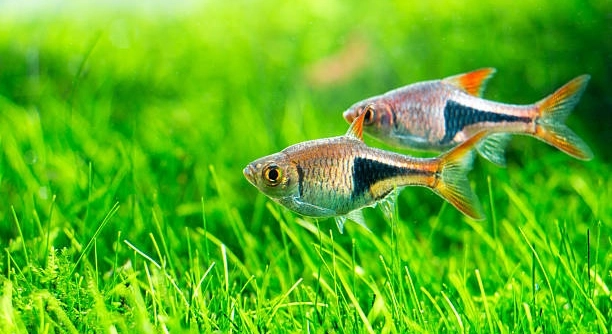
Sudden light changes in an aquarium can affect fish behavior in many ways. Rasboras, popular freshwater fish, respond noticeably when their environment experiences quick shifts in lighting. Understanding these reactions helps maintain a healthy tank.
Rasboras typically react to sudden light changes by exhibiting increased activity or hiding behavior. These responses are natural stress reactions aimed at protection. The fish may dart quickly, seek shelter, or reduce movement until they acclimate to the new light conditions.
Observing these behaviors provides insight into their comfort and well-being. Learning how to manage light changes can improve the overall health of your aquatic environment.
Immediate Movement and Startle Response
When the light suddenly changes, Rasboras often display quick, sharp movements. This startle response is their way of reacting to unexpected changes in their surroundings. The sudden brightness or dimness can trigger them to dart around the tank or swim rapidly. It is a natural defense mechanism that helps them avoid potential threats. These fish may also freeze momentarily, assessing the situation before deciding their next move.
This quick response helps Rasboras protect themselves in the wild.
Rasboras are small, agile fish that rely on speed and alertness to stay safe. Sudden light changes simulate natural events like cloud cover shifting or a predator’s shadow. This makes them react instinctively, increasing their swimming speed or seeking shelter quickly. Watching this behavior can be both fascinating and informative. It also indicates that the fish are alert and responsive. However, frequent or harsh light changes can increase stress, which affects their health negatively. Managing lighting conditions carefully ensures Rasboras remain calm and comfortable, promoting a balanced environment. Providing plants and hiding spots helps them feel secure during these changes.
Seeking Shelter Behavior
Rasboras often seek shelter when lights change abruptly. This behavior is a sign they feel unsafe or stressed.
They tend to hide among plants, decorations, or behind tank structures. This reduces exposure and helps them feel protected. When the light dims quickly, some Rasboras may become more active, but many prefer retreating to shaded areas until the light stabilizes. This instinctive response helps reduce stress and conserves energy. Fish that have safe hiding places tend to recover faster after light changes and exhibit healthier behavior overall. Providing ample cover in the aquarium encourages natural behavior and comfort. Monitoring how often Rasboras seek shelter can also help identify if lighting conditions need adjustment to improve their well-being.
Changes in Schooling Patterns
Rasboras often adjust their schooling behavior after sudden light changes. They may tighten their groups or scatter briefly before regrouping.
This response helps them feel safer and more coordinated. When the lighting shifts unexpectedly, the fish instinctively stay close together to reduce vulnerability. Schooling tightly provides a sense of security by making it harder for predators to single out an individual. This behavior also helps them communicate and navigate their environment efficiently during uncertain conditions. After the initial reaction, the group usually returns to normal spacing once the light stabilizes, indicating they feel more comfortable again.
Observing these changes in schooling patterns can reveal the level of stress in the tank. Consistent disturbances in lighting may lead to longer periods of tight grouping, which is a sign that Rasboras are uneasy. Providing a stable lighting schedule reduces these fluctuations and promotes natural social behavior among the fish.
Color and Appearance Changes
Sudden light changes can cause temporary shifts in Rasboras’ coloration. Their colors may fade or become dull as a stress response.
This color change is a survival mechanism, helping them blend into their surroundings and avoid detection. When the light brightens suddenly, their bodies may appear paler, while dimming light can cause colors to deepen slightly. These variations are usually brief and return to normal once the fish adapt. Monitoring color changes offers insight into how comfortable the fish feel with their environment and lighting conditions.
Prolonged or frequent light changes may lead to lasting stress, which can affect health and coloration over time. Keeping lighting gradual and predictable helps maintain their vibrant appearance. In a well-maintained tank, Rasboras show strong, vivid colors that reflect their good condition. Proper care of light exposure supports both their physical health and natural beauty.
Feeding Behavior Changes
Rasboras may reduce their feeding activity right after a sudden light change. They often become more cautious and less interested in food.
This pause in feeding is a reaction to stress. Once they adjust to the new light, their appetite usually returns to normal.
Interaction with Other Fish
Sudden light changes can temporarily alter how Rasboras interact with other tank mates. They might become more withdrawn or less social until they feel secure.
This shift is natural, as they focus on self-preservation during times of stress. After acclimating, their normal social behavior typically resumes.
Resting and Activity Levels
After sudden light shifts, Rasboras may rest more or reduce movement for a short time. This helps them conserve energy while adjusting to the change.
Sensitivity to Light Intensity
Rasboras are sensitive to the brightness of the aquarium lighting. Too bright or fluctuating light can cause stress and discomfort.
How quickly do Rasboras react to sudden light changes?
Rasboras respond almost immediately to sudden changes in lighting. Their startle reflex kicks in within seconds, causing rapid movements or freezing behavior. This quick reaction is a natural survival instinct to protect them from potential threats in their environment.
Is it normal for Rasboras to hide after the lights change suddenly?
Yes, hiding is a common and normal behavior. When light shifts abruptly, Rasboras often seek shelter to feel safer. Hiding reduces their exposure to perceived danger and helps lower stress. Providing plants and decorations in the tank supports this natural response and promotes comfort.
Why do Rasboras change their color when the light changes?
Color changes occur due to stress and environmental adaptation. When the light suddenly brightens or dims, Rasboras may become paler or their colors might deepen briefly. This helps them blend in with surroundings, reducing visibility to predators. The color usually returns to normal once they adjust.
Can sudden light changes harm Rasboras?
Frequent or extreme light changes can cause stress, which may weaken the immune system and affect overall health. While a single sudden change isn’t usually harmful, repeated disturbances can lead to prolonged stress. It’s best to maintain stable and gradual lighting to keep them healthy.
How can I reduce stress from light changes in my aquarium?
Introduce lighting gradually using timers or dimmers to mimic natural dawn and dusk. Avoid switching lights on or off abruptly. Providing plenty of plants and hiding places also helps Rasboras feel secure during light transitions, reducing their stress levels.
Do Rasboras need specific light intensity?
Yes, they prefer moderate lighting that is not too bright or harsh. Excessive brightness can cause discomfort and lead to stress behaviors like hiding or erratic swimming. Adjustable lighting is ideal to match their natural habitat’s conditions.
Will Rasboras stop schooling because of light changes?
Sudden light shifts can temporarily disrupt schooling behavior. They might tighten their groups or scatter briefly. However, once comfortable, they return to normal schooling patterns. Consistent lighting helps maintain stable social behavior.
What signs show Rasboras are stressed due to lighting?
Look for rapid darting, excessive hiding, faded coloration, reduced feeding, and erratic swimming. These signs indicate discomfort and stress. Monitoring their behavior closely after lighting changes helps identify if adjustments are needed.
How long does it take for Rasboras to adjust after a sudden light change?
Adjustment time varies but usually ranges from a few minutes up to an hour. During this period, fish gradually resume normal activities and coloration once they feel safe and adapted to the new light level.
Can I use a timer to help Rasboras adjust to lighting?
Using a timer is highly recommended. It creates a predictable light cycle that mimics natural conditions. Timers help avoid sudden, unexpected lighting changes that stress Rasboras, promoting healthier and more stable behavior.
Should I turn off aquarium lights at night for Rasboras?
Yes, Rasboras need darkness or very low light to rest properly. Continuous lighting can cause stress and disrupt natural rhythms. Turning lights off or using a low-intensity moonlight setting supports their wellbeing.
Do Rasboras react differently to natural sunlight versus aquarium lights?
Natural sunlight can be harsher and more variable than aquarium lights, causing stronger reactions. Controlled aquarium lighting is preferable as it provides stable, adjustable illumination that better suits their needs.
Are young Rasboras more sensitive to light changes than adults?
Young Rasboras tend to be more sensitive since they are still developing and more vulnerable. Sudden lighting changes can stress them more easily, so gentle, gradual light transitions are especially important for younger fish.
Can light stress cause illness in Rasboras?
Prolonged light stress weakens immune function, making Rasboras more susceptible to diseases. Keeping light changes minimal and gradual helps prevent stress-related health problems and supports a strong immune system.
Is it okay to use bright lights to showcase Rasboras’ colors?
Bright lights may enhance their colors but can also increase stress if too intense or sudden. It’s better to use moderate lighting and avoid abrupt changes to balance appearance and fish comfort.
What is the best way to introduce Rasboras to a new tank lighting setup?
Introduce new lighting gradually by increasing intensity over several days. Using a dimmer or adjustable light helps ease their adaptation. Observing behavior closely during this period ensures they adjust without undue stress.
Understanding how Rasboras react to sudden light changes is important for keeping them healthy and comfortable. These fish rely on stable conditions to feel safe in their environment. When the lighting shifts too quickly, they show signs of stress, such as darting movements, hiding, or changes in color. These reactions are natural but can become harmful if the light changes happen frequently or abruptly. Knowing how Rasboras behave in response to light helps aquarists create a better habitat for them, reducing unnecessary stress and promoting well-being.
Managing lighting in an aquarium requires attention and care. Gradual light transitions, using timers or dimmers, can help Rasboras adjust more easily to changes in brightness. Providing plenty of hiding spots and plants also supports their natural instincts to seek shelter when they feel insecure. Consistency is key; regular lighting schedules mimic the natural day and night cycle, making Rasboras feel more at ease. Watching their behavior closely after adjusting light conditions is helpful. If they show less stress and return to normal schooling and feeding habits, it means the lighting setup is working well.
Taking the time to understand and meet the lighting needs of Rasboras contributes to their overall health and happiness. Sudden light changes can disrupt their daily routines and cause stress that affects their immune system and behavior. By creating a stable environment with gentle light changes, you help your Rasboras thrive. These simple steps improve not only their comfort but also their vibrant appearance and natural behavior. Maintaining good lighting practices is a small effort that makes a big difference in the care of these delicate fish.

Hello,
If you enjoy the content that we create, please consider saying a "Thank You!" by leaving a tip.
Every little bit helps us continue crafting quality advice that supports the health, happiness, and well-being of pets around the world, for pets of all shapes, sizes, and species.
We really appreciate the kindness and support that you show us!