
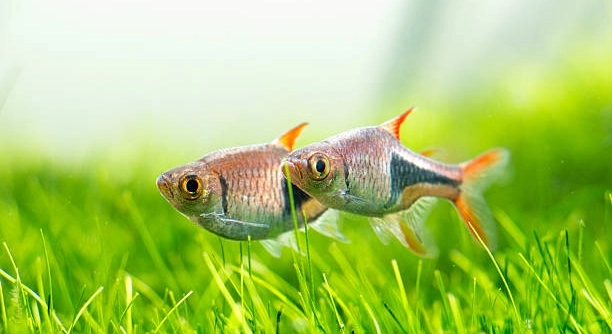
Do you ever notice how small fish like rasboras move in groups and wonder if their movements mean something? These tiny fish often swim close together, making gentle turns and quick darts in the water. Their behavior seems more than random swimming.
Rasboras communicate through movement by using coordinated swimming patterns and body language to signal each other. These movements help them stay together, avoid danger, and find food, showing clear social interaction within their groups.
Understanding rasbora movement helps you appreciate how these fish interact and stay safe in their environment. Learning more about their behavior can deepen your connection to these fascinating little swimmers.
How Rasboras Use Movement to Stay Together
Rasboras often swim in groups called schools, moving in sync to stay close. This coordinated movement helps them avoid predators, as it confuses attackers and makes it harder to catch any single fish. When one rasbora changes direction or speed, others quickly follow. This quick response creates a smooth flow in their group. These fish also use subtle body shifts and fin flicks to send messages about danger or food nearby. Their movements show clear communication without sounds or colors. Watching rasboras swim together feels like seeing a well-practiced dance in the water. This behavior helps keep them safe and connected.
The way rasboras swim together reduces stress and helps them feel more secure. Their smooth, coordinated motions are a key survival tactic.
Their schooling is more than just staying close—it is a complex form of non-verbal communication. Each movement signals something important, helping the group react quickly to threats or opportunities.
Movement Signals in Different Situations
Rasboras use different movements depending on the situation.
When feeding, they slow down and spread out to cover more area. This helps them find food efficiently without bumping into each other. If a predator approaches, they swim faster and tighten their group for protection. Small changes in body angle or fin movement can mean warning signals. These subtle signs tell the group to be alert or prepare to flee.
In calmer moments, their movements are gentle and relaxed. This shows they feel safe and comfortable in their environment. Such movement patterns also help establish social order within the school, where dominant and submissive fish maintain balance through positioning and swimming style. Watching these variations gives insight into their social structure and survival strategies. Their ability to change movement quickly shows how smart these small fish really are.
How Movement Affects Rasbora Behavior
Movement plays a big role in how rasboras act around each other. Their swimming patterns affect group safety and social interaction.
When rasboras swim close together in synchronized patterns, it reduces their chance of being singled out by predators. These smooth movements also help keep the group organized. If one fish changes speed or direction, others follow almost instantly, showing strong communication through motion. This quick response system allows them to escape danger more effectively.
Rasboras also use movement to establish social roles within the group. Dominant fish may lead the school or swim more confidently in open areas, while less dominant ones stay near the center or back. These patterns help maintain order and reduce conflicts. Movement signals can show mood or readiness to mate, making it a key part of their daily life.
Movement Communication and Environmental Influence
Rasboras’ movement changes with their environment. Water conditions, space, and light affect how they swim and communicate.
In a crowded tank, rasboras tend to swim more slowly and stay close to avoid bumping into each other. Clear water helps them see group movements better, improving coordination. Dim lighting may make them swim more cautiously or hide. Environmental stress, like poor water quality, can cause erratic movements, signaling discomfort or danger. Understanding these influences helps when setting up an aquarium to support natural rasbora behavior. Their movement patterns reveal much about their well-being and the environment around them.
Recognizing Stress Through Movement
Rasboras show stress through changes in movement. They may swim erratically or hide more than usual.
When stressed, their usual smooth swimming becomes jerky or frantic. These behaviors can signal problems in their environment or health.
Movement as a Warning Signal
Sudden darting or rapid turns often warn the group of danger nearby. Rasboras rely on these quick movements to alert others. This helps the entire school react quickly to threats and stay safe.
Movement in Breeding Behavior
During breeding, male rasboras swim more actively to attract females. They perform short bursts and display more vibrant movements to gain attention.
Movement and Group Dynamics
How rasboras swim together shapes their social structure. Movement keeps the group balanced and coordinated, helping maintain harmony within the school.
How do rasboras communicate through movement?
Rasboras use their swimming patterns and body movements to send signals to each other. They swim closely in groups, and when one fish changes direction or speed, others follow quickly. These changes help them warn about danger, show social status, or coordinate feeding. Movement is their main way to stay connected and safe without using sounds or bright colors.
Why do rasboras swim in schools?
Swimming in schools helps rasboras stay safe. By moving together in tight groups, they confuse predators and lower the chance of any one fish being caught. Schooling also makes it easier to find food and keep social bonds strong. This group movement is natural and very important for their survival.
Can rasboras recognize each other through movement?
Rasboras may recognize group members by subtle differences in swimming style and body language. While they don’t have advanced recognition like some animals, their coordinated swimming helps them identify who belongs in their group and who doesn’t. Movement helps maintain the group’s social structure.
What does erratic swimming mean in rasboras?
Erratic or jerky swimming often signals stress or illness. It can happen when the water quality is poor, the tank is overcrowded, or a predator is near. Watching for unusual movement patterns is a good way to check on their health and environment.
Do rasboras use movement during mating?
Yes, male rasboras use lively, quick movements to attract females. They swim in short bursts and may display brighter colors while moving actively. This courtship behavior is a key way to show readiness to mate.
How do environmental factors affect rasbora movement?
Water clarity, temperature, light, and tank space all influence how rasboras move. Clear water allows better group coordination, while dim light can make them swim more cautiously. Limited space or poor water quality may cause stress and change their swimming patterns.
Can rasboras communicate danger through movement?
Rasboras use quick darts and sudden changes in direction to warn each other about threats. These rapid movements alert the whole school to be ready to escape, helping the group avoid predators.
Is movement important for social hierarchy in rasboras?
Movement plays a role in showing social rank. Dominant fish often lead the group or swim more confidently, while less dominant ones stay near the middle or back. These patterns keep peace and reduce conflicts.
How can I tell if my rasboras are happy based on their movement?
Smooth, coordinated swimming in a tight group usually means rasboras feel safe and comfortable. Relaxed, gentle movements suggest they are not stressed. If they swim freely and interact often, it’s a good sign they are healthy and content.
What should I do if I notice unusual movements in my rasboras?
If rasboras swim erratically or hide too much, check the tank’s water quality and temperature first. Make sure the tank isn’t overcrowded and there are no aggressive tank mates. Improving these conditions often helps normalize their behavior.
Movement is an important way that rasboras communicate with each other. These small fish rely on their swimming patterns and body language to share information within their groups. By moving in sync, they can stay safe from predators, find food, and keep social order. Watching how rasboras move helps us understand how they interact and take care of each other. Their movements are not random but have clear meaning that supports their survival and well-being.
When rasboras swim together in schools, they use coordinated motions to create a strong group bond. Each fish reacts quickly to changes in speed or direction from others, showing a type of silent communication. This helps the entire group respond to danger or opportunities. Different types of movements can also signal stress, comfort, or readiness to breed. Their movement is a natural language that expresses many important messages. It is fascinating how such small fish have developed this form of communication without sounds or bright colors.
Knowing how rasboras communicate through movement can help people who keep them as pets. Understanding their behavior allows for better care and helps create an environment where they feel safe and comfortable. Watching their smooth swimming and group coordination can be calming and enjoyable. Movement plays a key role in the health and happiness of rasboras, making it a useful sign to observe. Overall, their communication through movement is a reminder of how animals use simple, natural ways to connect with each other.

Hello,
If you enjoy the content that we create, please consider saying a "Thank You!" by leaving a tip.
Every little bit helps us continue crafting quality advice that supports the health, happiness, and well-being of pets around the world, for pets of all shapes, sizes, and species.
We really appreciate the kindness and support that you show us!