
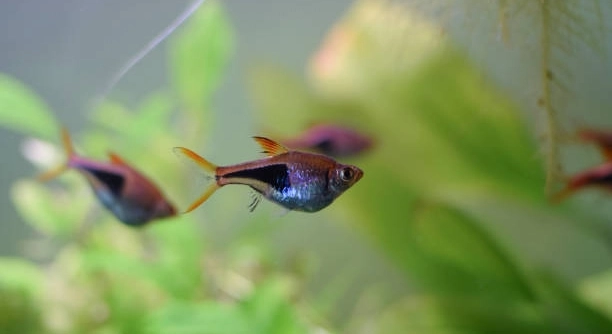
Have you ever noticed your rasbora acting a little off, even though everything in the tank looks perfectly fine at first glance?
Rasbora often signal stress or health issues through subtle changes in behavior, such as hiding more often, swimming erratically, or losing color. Recognizing these quiet signs early can help prevent serious problems.
Understanding what to watch for can make a big difference in keeping your rasbora healthy and stress-free in their aquatic home.
Loss of Color
Rasbora are known for their shimmering scales, so any fading or dullness is often the first sign that something’s not right. This color change usually happens gradually, which makes it easy to miss at first. It may be due to stress, poor water conditions, or an inadequate diet. Even a small shift in pH or temperature can throw them off. If you’ve recently introduced new fish or changed anything in the tank, that can trigger stress too. Clean water, consistent temperature, and a high-quality diet can help bring their color back. It’s important to check your water parameters and feeding routine if you notice any fading. A rasbora that feels safe and well-fed will typically regain its brightness over time. Keep an eye on how long the color stays faded—if it lasts more than a few days, it’s a sign you may need to act quickly.
Color loss is more than a cosmetic issue. It usually signals deeper problems in the tank’s balance or the fish’s overall health.
Acting quickly can often restore your rasbora’s natural shine. Once you find and fix the cause, color tends to return within a few days. Regular observation is key in catching changes early.
Lethargic Swimming
Sluggish swimming is another common sign that something’s wrong. Healthy rasbora are active, especially in small groups.
When a rasbora moves slowly, hangs near the bottom, or avoids other fish, it may be reacting to stress or discomfort. This could be caused by a sudden change in water temperature, ammonia spikes, or even bullying by tankmates. A fish that normally zips through the tank but now barely moves might be feeling unwell. Lethargy is often linked to water quality, so checking ammonia, nitrite, and nitrate levels is always a good first step. Feeding habits also matter. If the fish isn’t getting enough nutrients, energy levels drop. Some rasbora slow down temporarily after a big meal or during the nighttime, but that kind of rest is normal. If they’re sluggish for more than a day, especially during peak activity hours, it’s time to look more closely. Fixing the root cause quickly can help prevent further health problems.
Unusual Hiding
Rasbora usually swim in the open, especially when they feel safe. If one starts hiding more than usual, something may be bothering it. This behavior is often linked to poor water quality or stress from aggressive tankmates.
Check your tank for sudden changes, like temperature drops or loud disturbances near the aquarium. Even bright lighting or a strong current can cause your rasbora to retreat to corners or plants. Hiding can also signal illness. Internal parasites or early infections may make a fish more withdrawn. If the behavior continues, it’s worth observing the group dynamic. Are other fish bullying it? Is there enough cover for it to feel safe without disappearing completely? Balance is key—rasbora need hiding spaces but shouldn’t rely on them all day. Once conditions improve or stress is removed, most will return to open swimming.
Long-term hiding usually means the rasbora isn’t feeling safe. Make sure the tank has gentle flow and shaded areas. If other fish are nipping or chasing it, try rearranging decorations or separating aggressive species. Also, check for signs of illness like weight loss or clamped fins. These clues, along with hiding, often appear early. Catching them now can help avoid a bigger issue later.
Clamped Fins
Clamped fins are easy to miss at first. Unlike flaring fins that show confidence or activity, clamped fins appear tight and pressed against the body. This is usually a sign that your rasbora feels unwell or stressed.
Common causes include poor water quality, sudden temperature swings, or early signs of illness like fin rot or parasites. Even minor changes like skipped water changes or inconsistent lighting can make a difference. Rasbora with clamped fins might also lose color or stop schooling. This posture means they’re uncomfortable, so it’s important to act quickly. First, test your water and fix any imbalances. Look for other signs like labored breathing or spots on the skin. A fish in this state may also avoid food. Improving the environment often helps, but if symptoms persist, isolation and treatment may be needed. Catching this early can stop the issue from spreading to others.
Loss of Appetite
A healthy rasbora usually eats with enthusiasm. If it starts ignoring food, there’s often a reason behind it. Poor water conditions, internal parasites, or illness can all cause a sudden change in appetite.
Watch for other signs like weight loss, isolation, or sluggish movement. Skipping one meal isn’t always a concern, but ongoing refusal is.
Erratic Swimming
When a rasbora swims in quick, darting motions or struggles to stay balanced, it often means something is irritating it. This could be due to toxins in the water, parasites, or stress from environmental changes. Sudden jerky movements or bumping into tank walls shouldn’t be ignored.
Gasping at the Surface
Rasbora gasping near the surface is usually a sign of low oxygen levels. It can also mean ammonia or nitrite is too high. Check your water immediately and increase surface movement if needed.
FAQ
Why is my rasbora hiding all of a sudden?
Rasbora are active schooling fish, so when one starts hiding a lot, it’s usually reacting to stress. This can be from poor water quality, temperature swings, or changes in the tank like new fish or strong lighting. If there’s aggression in the tank, your rasbora might be avoiding bullies. Even loud noises or vibrations outside the tank can cause it to retreat. Make sure there are enough hiding spots, but also check your water parameters. When conditions return to normal, rasbora usually come back out on their own.
What does it mean when a rasbora clamps its fins?
Clamped fins often show that a rasbora is uncomfortable or unwell. The fins look tightly pressed against the body instead of being held open. This can mean the water isn’t right, or that the fish is getting sick. It may be caused by parasites, bacterial infections, or stress. Take a close look at the rasbora and check for other symptoms like dull color or loss of appetite. A water test is a good place to start. Fixing the root cause quickly often helps the fish relax and open its fins again.
How do I know if my rasbora is stressed?
Stress shows up in small ways. A stressed rasbora might swim alone instead of schooling, hide more often, lose color, or act jumpy. Skipping meals and darting around the tank are also signs. Common stress triggers include poor water quality, tank overcrowding, or sudden changes like new decorations or fish. Rasbora are sensitive, so even a strong filter current or incorrect lighting can make them uneasy. To help, keep their environment calm and consistent. Test water regularly and avoid making big changes all at once.
Can rasbora get sick from bad water quality?
Yes, rasbora are very sensitive to changes in their environment. Poor water quality can lead to many problems like fin rot, clamped fins, and loss of appetite. High ammonia or nitrite levels are especially dangerous. Even small imbalances in pH or temperature can stress them out and lower their immune response. Regular water testing and weekly water changes can help prevent these issues. If you see multiple fish acting oddly, check your water right away. Clean, stable water is one of the best ways to keep rasbora healthy.
Why is my rasbora not eating?
A rasbora may stop eating if it feels stressed, unwell, or uncomfortable in its environment. Causes range from parasites and internal infections to high ammonia levels. Make sure food isn’t too large or unfamiliar. Try offering a variety like flakes, micro pellets, or frozen options. If the fish still refuses to eat, observe it for other symptoms like bloating or sluggish movement. Quarantine may be needed if illness is suspected. Often, improving water conditions and reducing tank stress helps restore appetite.
Is one rasbora acting strangely a cause for concern?
Yes, it can be. Rasbora usually stick together and behave similarly. If one starts acting differently—like hiding, floating oddly, or swimming alone—it’s worth paying attention. Early changes in one fish can signal the start of a bigger problem that may affect others later. It doesn’t always mean the fish is sick, but it’s a warning sign that something in the tank might be off. Check your water, observe its behavior over a day or two, and look for any other signs of stress or illness.
How do I prevent problems with my rasbora?
Consistency is key. Keep the tank clean with weekly water changes and test your parameters regularly. Feed them high-quality food in small amounts and avoid sudden changes in their environment. Don’t overcrowd the tank, and always quarantine new fish before adding them. Make sure the filter and heater are working properly. Also, keep the lighting gentle and provide enough cover so they feel safe. Healthy rasbora are active and colorful. The more stable and peaceful the tank, the less likely you’ll see stress-related issues.
Final Thoughts
Rasbora are peaceful and active fish, but they also tend to show stress in quiet ways. They don’t always display obvious signs when something is wrong. Instead, they often signal problems through small changes—like losing color, hiding more, or swimming differently. These shifts can be easy to miss, especially if you’re not watching closely every day. That’s why it’s important to get familiar with your rasbora’s usual behavior. When you know what’s normal, you’re more likely to spot what’s not. The earlier you notice a problem, the easier it is to fix it before it affects the whole tank.
Many of the issues rasbora face come down to their environment. Things like poor water quality, sudden changes in temperature, or not enough oxygen can all impact their health. Even loud noises or bright lighting near the tank can cause stress over time. Simple things like keeping the water clean, testing it regularly, and feeding them properly can go a long way. It also helps to give them a peaceful home with hiding spots and gentle water flow. When rasbora feel secure, they tend to stay active, colorful, and healthy. A little bit of care each week can prevent many of the problems mentioned earlier.
Catching quiet warning signs early makes a big difference. You don’t need to make big changes all the time. Small, steady efforts often work best—like doing regular water changes, observing your fish for a few minutes daily, and not overcrowding the tank. Rasbora are sensitive but also quite resilient when given the right conditions. If you take care of their needs, they usually bounce back quickly. Keeping them happy isn’t complicated, but it does take attention and consistency. Over time, these quiet swimmers will reward you with their peaceful presence and smooth group movements that are both calming and enjoyable to watch.

Hello,
If you enjoy the content that we create, please consider saying a "Thank You!" by leaving a tip.
Every little bit helps us continue crafting quality advice that supports the health, happiness, and well-being of pets around the world, for pets of all shapes, sizes, and species.
We really appreciate the kindness and support that you show us!