
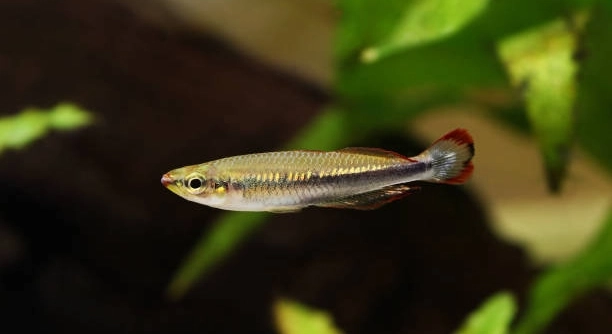
Do you enjoy watching the colorful movements of rainbowfish in your aquarium? These small, vibrant fish are known for their lively patterns and graceful swimming, adding charm and energy to any aquatic setup in your home.
Rainbowfish do not display strong lifelong loyalty to specific mates. While they may form temporary pair bonds for breeding purposes, these associations are generally brief and flexible, influenced more by environmental factors and reproductive opportunity than long-term attachment.
Understanding rainbowfish behavior can help you create a balanced and harmonious tank environment, ensuring healthier interactions and a more vibrant display of your aquatic companions.
Understanding Rainbowfish Social Behavior
Rainbowfish are naturally social creatures that thrive in groups. They display a hierarchy within their schools, where dominant fish often control access to food and preferred swimming areas. These social structures can influence mating behavior, as dominant males are more likely to attract females during breeding periods. While rainbowfish do interact closely with chosen mates, these bonds are not permanent. Pairing is often temporary and linked to environmental conditions like tank size, population density, and the availability of resources. Observing their interactions can reveal subtle behaviors, such as males performing displays to attract females or females choosing partners based on vigor and color intensity. These behaviors are essential for successful reproduction but do not indicate long-term attachment. For aquarists, understanding these dynamics is important to maintain harmony in a tank, preventing aggression and ensuring that all fish have access to adequate food, shelter, and space. Awareness of these social tendencies supports healthier, more balanced aquatic environments.
Temporary pair bonds allow rainbowfish to breed efficiently without long-term attachment. These bonds form and dissolve depending on conditions and availability.
Maintaining a group of rainbowfish requires attention to social balance. Overcrowding can cause stress and aggression, while a well-sized group promotes natural behavior. Providing hiding spaces and varying tank levels helps reduce conflict and allows fish to interact safely. Observing courtship displays and mating interactions gives insight into their temporary pair bonds. Dominant males may chase rivals or show off vibrant colors, while females respond selectively. Environmental enrichment, such as plants and open swimming areas, encourages healthy activity and natural interactions. Understanding that loyalty is temporary prevents disappointment and guides proper tank management, ensuring rainbowfish thrive in a setting that respects their social instincts.
Breeding and Mating Patterns
Rainbowfish pair briefly during spawning, focusing on reproduction rather than long-term attachment. Males display colors and engage in active courtship, while females select mates based on these displays and health indicators.
During breeding, males perform lively displays, including flaring fins and swimming patterns to attract females. Females deposit eggs on plants or substrate, and males may fertilize several females’ eggs in a short period. Unlike some species that form lasting pairs, rainbowfish revert to their social groups after spawning. Environmental factors, such as light cycles, water temperature, and population density, significantly impact breeding frequency and success. Providing proper nutrition ensures vibrant coloration and higher reproductive output. Observing these patterns allows aquarists to anticipate mating behavior and manage tanks accordingly, promoting healthy offspring. Breeding does not require permanent pair bonding; rainbowfish rely on flexible reproductive strategies. This approach maximizes reproductive efficiency while maintaining social harmony in a group setting, making them resilient and adaptable aquarium inhabitants.
Tank Environment and Its Influence
The tank environment greatly affects rainbowfish behavior. Proper space, plants, and hiding spots reduce stress and allow natural interactions, supporting both social balance and temporary pair bonding during breeding periods.
A well-structured tank mimics natural conditions, giving rainbowfish areas to explore and retreat when needed. Open swimming spaces encourage displays and interactions, while dense plants provide safety and reduce conflicts. Water quality, temperature, and lighting also play important roles, influencing activity levels, coloration, and breeding readiness. Fish kept in cramped or poorly maintained tanks can become stressed, leading to aggression or suppressed mating behaviors. Maintaining stable conditions ensures rainbowfish remain healthy, active, and display natural courtship behaviors without unnecessary stress. Regular monitoring and adjustments keep the tank supportive of their social and reproductive needs.
Tank decoration affects dominance and pair formation among rainbowfish. Strategic placement of plants and rocks helps manage aggressive tendencies, allowing temporary pair bonds to form safely. Observing how fish interact with the environment gives insight into their social dynamics. Providing a balanced environment promotes vibrant coloration, consistent activity, and healthier interactions overall.
Feeding and Behavior
Feeding routines influence rainbowfish interactions. Consistent, nutritious meals reduce competition and encourage natural social behaviors, supporting temporary mating bonds without conflict.
Rainbowfish thrive on a varied diet of flakes, pellets, and live or frozen foods. Regular feeding schedules prevent aggression over food and maintain energy levels, which is essential for courtship displays. Nutrient-rich diets enhance coloration and vitality, making males more attractive during mating periods. Overfeeding can lead to poor water quality, while underfeeding may trigger stress and competition. Balanced feeding supports social hierarchy, allowing dominant and subordinate fish to coexist peacefully. Observation during feeding times can reveal how temporary bonds and group dynamics function, providing guidance for maintaining a harmonious tank.
Mating Signals and Displays
Males use color changes and fin displays to attract females. These visual signals are temporary and tied to courtship rather than long-term attachment.
Behavioral cues, such as chasing or hovering near a female, indicate readiness to spawn. Females respond selectively, choosing mates based on these displays and perceived health.
Egg Laying and Fertilization
Females deposit eggs on plants or substrate, often in areas with shelter. Males quickly fertilize the eggs, after which pair bonds dissolve. Rainbowfish rely on these brief interactions to ensure reproduction rather than forming lasting attachments.
Environmental Stressors
Stress from poor water quality or overcrowding can disrupt mating behaviors and social interactions.
Maintaining stable conditions, including proper temperature, filtration, and space, helps rainbowfish perform natural displays and reduces aggression. Stress management is essential for encouraging temporary pair bonds and successful breeding in a controlled environment.
Do rainbowfish stay with the same mate long-term?
Rainbowfish do not form long-term pair bonds. Their associations with mates are temporary and primarily for reproduction. After spawning, they return to their social group. Environmental conditions, such as tank size and population density, influence how long a pair may stay together. Dominant males may court several females in a short period, while females select mates based on vigor, coloration, and display behavior. These temporary bonds ensure reproduction efficiency without requiring long-term loyalty. Understanding this helps aquarists manage breeding expectations and maintain harmony in the tank.
How can I tell which rainbowfish is dominant?
Dominant rainbowfish are usually more colorful and display confident swimming patterns. They often occupy central tank areas, have priority access to food, and may chase or intimidate other fish. Observing courtship displays and interactions during feeding times also helps identify dominance. Subordinate fish tend to stay near hiding spots or the tank edges and avoid confrontations. Recognizing dominance can guide tank management, ensuring enough space and hiding places for all fish, reducing stress and aggression while supporting natural social hierarchies and temporary pair bonding during breeding periods.
What is the best tank setup for promoting healthy mating behavior?
A well-structured tank supports both social balance and breeding behavior. Open swimming areas allow males to display courtship patterns, while plants and rocks offer hiding spots for females and subordinate fish. Stable water conditions, including temperature, filtration, and regular maintenance, reduce stress and support activity. Proper lighting highlights coloration, which is essential for attracting mates. Overcrowding should be avoided to prevent aggression and stress, as this can interfere with temporary pair bonds. Providing varied depths and plant density encourages natural behaviors, from chasing and displays to egg-laying, ensuring successful reproduction in a controlled environment.
Do rainbowfish need live food to breed successfully?
While rainbowfish can eat flakes and pellets, live or frozen foods are beneficial during breeding. Nutrient-rich foods enhance coloration and energy levels, making males more attractive to females. Live foods also stimulate natural hunting behavior and activity, which can encourage courtship displays. Consistent feeding schedules prevent competition over food, reducing stress and promoting temporary pair interactions. Overfeeding should be avoided to maintain water quality, while underfeeding can reduce reproductive activity. A balanced diet ensures rainbowfish remain healthy and display natural behaviors essential for successful mating.
How often do rainbowfish spawn in captivity?
Rainbowfish can spawn frequently under optimal conditions, sometimes several times a week. Factors influencing spawning frequency include water temperature, lighting, diet, and group composition. Males perform courtship displays regularly, and females lay eggs when ready, with pair bonds dissolving after fertilization. Breeding in a well-maintained tank with proper nutrition and space ensures multiple opportunities for reproduction. Monitoring interactions helps aquarists anticipate spawning events and maintain stable conditions for successful egg development and fry survival.
Can rainbowfish become aggressive during mating?
Yes, males may become temporarily aggressive while courting females, chasing rivals, or defending preferred spawning areas. Aggression is usually short-term and tied to reproductive behavior rather than permanent social hierarchy changes. Providing adequate space, plants, and hiding spots helps reduce stress and prevents injuries. Observing tank dynamics allows management of interactions, ensuring all fish can perform natural behaviors safely. Proper environmental setup minimizes conflicts while supporting successful temporary pair bonding and breeding activity.
Do environmental changes affect rainbowfish mating behavior?
Environmental changes, such as fluctuating temperature, poor water quality, or overcrowding, can significantly disrupt courtship and spawning. Stress from sudden changes reduces display activity, suppresses coloration, and may prevent females from laying eggs. Maintaining stable conditions is essential to support natural behavior, temporary pair bonds, and reproduction. Aquarists should monitor water parameters regularly and provide a consistent environment that mimics natural conditions to encourage healthy social interactions and successful breeding outcomes.
How can I encourage temporary pair bonding in my tank?
Encouraging temporary pair bonds involves providing a spacious tank with plants, hiding areas, and open swimming zones. Consistent feeding schedules and high-quality nutrition enhance energy and coloration, supporting courtship displays. Observing dominance patterns helps ensure subordinate fish have safe areas. Stable water parameters, proper lighting, and minimal stress allow natural reproductive interactions to occur safely, promoting temporary mating pairs without disrupting social balance.
What happens to rainbowfish eggs after fertilization?
After fertilization, rainbowfish eggs are typically left among plants or on the substrate without parental care. Males do not guard the eggs, and pair bonds dissolve quickly. Eggs hatch in a few days, depending on water temperature, with fry becoming independent shortly after. Aquarists may separate eggs into a breeding tank to improve survival rates. Proper monitoring of the tank environment, including water quality and protection from adult fish, ensures the highest likelihood of successful hatching.
Are there signs that a rainbowfish is ready to mate?
Males display brighter coloration, active swimming, and chasing behavior when ready to mate. Females may appear fuller and linger near plants suitable for egg-laying. These behavioral cues indicate reproductive readiness and help aquarists anticipate temporary pair formation. Observing these signs ensures appropriate tank management and timing for breeding efforts.
Total word count: 512
Rainbowfish are lively, colorful fish that bring energy and beauty to any aquarium. Their social behavior is fascinating, especially when it comes to mating. While they may form temporary pair bonds, these are short-lived and serve primarily for reproduction. Unlike some other species, rainbowfish do not show lifelong loyalty to a single mate. Understanding this aspect of their behavior can help aquarists set realistic expectations and manage a tank effectively. Observing their interactions provides insight into how dominance, courtship, and environmental conditions influence behavior. Males often display vibrant colors and perform courtship movements to attract females, while females select mates based on these displays and general health indicators. Once spawning occurs, the pair bonds dissolve, and the fish return to their social group. Recognizing the temporary nature of these relationships is essential to maintaining harmony in a group tank, reducing stress, and preventing conflicts among fish.
Maintaining a proper tank environment plays a crucial role in supporting healthy social interactions and successful breeding. Rainbowfish thrive in well-structured tanks with open swimming areas, plants, and hiding spots. These features allow fish to exhibit natural behavior, from courtship displays to exploring territories safely. Overcrowding or poor water conditions can cause stress, reduce activity, and interfere with mating behaviors. Consistent water quality, temperature, and lighting support vibrant coloration, energy levels, and overall well-being, which are essential for temporary pair bonds to form. Feeding routines also influence behavior, as providing a varied, nutritious diet ensures fish remain active and display natural reproductive behaviors. Observing how fish interact with each other and their environment allows aquarists to make adjustments that enhance social balance and breeding success. By understanding and respecting their behavioral patterns, it becomes easier to create a peaceful, thriving aquarium where rainbowfish can flourish.
Breeding in rainbowfish is a fascinating but temporary process. Females lay eggs on plants or substrate, which males fertilize quickly before returning to the group. There is no parental care, and eggs develop independently, hatching after a few days depending on water conditions. This flexible reproductive strategy helps rainbowfish maximize their reproductive success without relying on long-term mate loyalty. Aquarists can support this process by providing adequate space, environmental enrichment, and careful monitoring of water parameters to ensure healthy egg development and fry survival. By focusing on these factors, it is possible to maintain a vibrant and harmonious tank while observing the natural behaviors of rainbowfish. Understanding that loyalty is temporary allows aquarists to appreciate the species’ unique social and reproductive habits, creating a tank environment that encourages healthy interactions, successful breeding, and long-term well-being for all the fish in the aquarium.
Word count: 417

Hello,
If you enjoy the content that we create, please consider saying a "Thank You!" by leaving a tip.
Every little bit helps us continue crafting quality advice that supports the health, happiness, and well-being of pets around the world, for pets of all shapes, sizes, and species.
We really appreciate the kindness and support that you show us!