
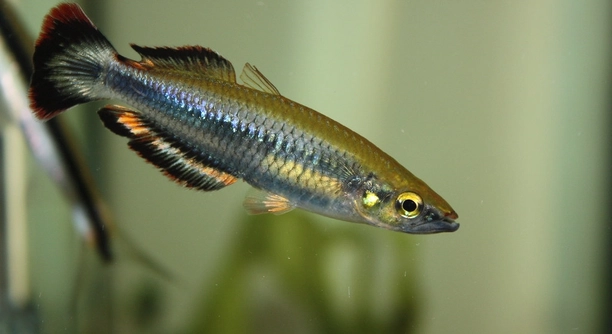
Rainbowfish are known for their shimmering, vibrant colors that brighten up aquariums. These small freshwater fish often display a range of hues that seem to shift depending on their environment and interactions with other fish.
Rainbowfish do exhibit changes in color that correspond to mood, stress, or social interactions. Color intensity and pattern variations serve as a form of communication, signaling aggression, readiness to mate, or submission within their social groups.
Observing these color changes provides insight into their behavior and overall well-being in both home aquariums and natural habitats.
How Rainbowfish Communicate Through Color
Rainbowfish use their colors to signal messages to each other. Bright, intense colors often show dominance or readiness to breed, while duller colors can indicate stress or submission. Changes in lighting, water quality, and tank mates can also influence these shifts. Observing these variations helps understand their social interactions and moods. Males are usually more colorful than females, especially during mating periods. Color can also change when the fish feels threatened or is adjusting to new surroundings. Young rainbowfish may show less variation, gradually developing full hues as they mature.
Watching these color changes gives insight into their emotional state.
Paying attention to patterns and intensity can reveal health issues or social tensions, making it easier to maintain a healthy aquarium and ensure the fish thrive.
Factors Affecting Color Changes
Stress, diet, and tank conditions can influence a rainbowfish’s coloration.
Maintaining stable water temperature, proper nutrition, and minimal stress is key to vibrant colors. Poor water quality, overcrowding, or sudden environmental changes can dull their appearance and affect behavior. Regular observation allows early detection of issues, helping keep them healthy and active. Environmental enrichment and proper lighting encourage natural color expression, making the fish appear brighter and more lively. Stress reduction is important because prolonged stress not only alters color but can also compromise the immune system, leading to illness. Adequate hiding spots and compatible tank mates reduce tension. Diet rich in carotenoids and natural pigments supports vivid hues. Seasonal or social triggers can also temporarily intensify coloration. Overall, careful management of diet, environment, and social conditions ensures rainbowfish display their colors effectively, reflecting both physical health and emotional state.
Recognizing Stress Through Color
Dull or faded colors often indicate that a rainbowfish is stressed. Stress can result from poor water conditions, aggressive tank mates, or sudden changes in the environment.
Stress in rainbowfish can affect both behavior and appearance. Fish under stress may hide more, swim erratically, or lose appetite. Their colors often become muted, which can signal underlying health or environmental issues. Long-term stress may make them more vulnerable to disease. Watching subtle changes in hue and pattern allows you to respond quickly, adjusting tank conditions or social arrangements to reduce tension and support their well-being.
Not all color changes are negative. Some shifts can be temporary responses to light, temperature, or social interactions. Understanding these differences helps ensure that interventions are appropriate. Regular observation, maintaining proper water parameters, and providing a calm environment are essential steps to support rainbowfish health and color vibrancy.
Mating and Color Displays
Bright, intensified colors often appear during mating seasons, especially in males.
Males display their most vibrant colors to attract females and assert dominance over rivals. This color display communicates fitness and readiness to breed. Females may respond with subtle color changes themselves, signaling receptivity. Tank dynamics, such as the number of males and females, influence how intense these displays become. Environmental factors like light levels and water clarity also impact visibility of these colors. Consistent nutrition enhances the vibrancy of pigments, supporting more effective communication during mating periods.
Understanding these color signals can help aquarists manage breeding efforts more effectively. Proper tank setup, compatible groupings, and attentive observation of behavioral cues ensure rainbowfish can exhibit natural mating behaviors safely. Environmental stability reduces stress, making males more likely to display full coloration, while females show receptivity without hiding. This balance creates a healthier, more interactive tank environment.
Social Hierarchy and Color
Rainbowfish use color to establish social hierarchy. Dominant fish often display brighter colors, while submissive fish show paler shades.
Color changes help maintain order in the tank. Subtle shifts communicate status without direct aggression, reducing fights and supporting a stable social environment for all fish.
Environmental Influences
Light, water quality, and tank decoration directly affect rainbowfish coloration. Proper lighting highlights natural pigments, while poor conditions can dull them. Regular water changes, balanced diet, and minimal stress promote consistent, vibrant colors. Tank setup, including plants and hiding spots, also supports natural behavior and visual display.
Health Indicators
Changes in color can signal illness. Dull or uneven hues may indicate disease or poor nutrition, requiring attention and adjustment to tank care.
FAQ
How can I tell if my rainbowfish is stressed?
Stress in rainbowfish is often shown through color changes and behavior. Dull or faded hues usually indicate tension or discomfort. They may hide more, swim erratically, or eat less than usual. Observing these subtle signs helps identify environmental or social issues early, so adjustments can be made.
Do all rainbowfish change color for the same reasons?
Not all rainbowfish display color changes for identical reasons. Some shifts are related to social hierarchy, while others are triggered by mating behaviors, stress, or environmental factors. Males often show more dramatic changes than females, especially during breeding periods. Age and health also influence how and when colors change.
Can diet affect a rainbowfish’s colors?
Yes, diet has a significant impact on coloration. Foods rich in natural pigments, like carotenoids, enhance brightness and vibrancy. Regular feeding of high-quality flakes, pellets, and occasional live or frozen foods supports pigment development. Poor nutrition can dull colors and affect overall health.
Are environmental changes responsible for color shifts?
Environmental factors strongly influence rainbowfish coloration. Lighting, water temperature, and water quality affect pigment expression. Sudden changes, overcrowding, or aggressive tank mates can stress fish, causing color dulling. Maintaining a stable environment encourages natural, vibrant displays. Plants, hiding spots, and proper tank decor also help reduce stress.
Do rainbowfish use color to communicate with each other?
Yes, color is a key form of communication. Bright colors can signal dominance, mating readiness, or aggression, while paler colors indicate submission or stress. Observing these shifts allows you to understand their social dynamics and adjust tank conditions to reduce conflict.
How often do rainbowfish change color?
Color changes can happen daily or seasonally. Quick shifts may reflect immediate stress or social interactions, while longer-term changes relate to growth, health, or breeding cycles. Monitoring these patterns helps identify normal behavior versus potential problems.
Can stress permanently affect their coloration?
Prolonged stress can have lasting effects on a rainbowfish’s color and health. Chronic dulling may indicate ongoing environmental or social issues. Addressing water quality, tank mates, and diet promptly can help restore vibrancy and prevent long-term damage.
Do females show color changes too?
Yes, though usually less pronounced. Females may display subtle shifts in response to male displays, social hierarchy, or stress. These changes often help maintain group harmony and signal readiness or submission without aggressive behavior.
Is lighting important for color visibility?
Lighting plays a major role in how colors appear. Proper aquarium lighting enhances natural pigments and highlights their hues. Poor lighting can make even healthy fish appear dull. Consistent light cycles also support regular behavior and breeding patterns.
Can I encourage brighter colors safely?
Yes, by combining good nutrition, stable water conditions, and minimal stress. Providing appropriate tank mates, proper lighting, and a balanced diet enhances natural color expression. Avoid sudden environmental changes or overcrowding to ensure fish display vibrant colors safely and naturally.
How do I know if a color change is normal?
Normal color changes often follow patterns related to behavior, social hierarchy, or breeding cycles. Sudden, irregular, or prolonged dulling may indicate stress or illness. Tracking daily behavior, appetite, and interactions helps distinguish between typical and concerning shifts.
What role does age play in color development?
Young rainbowfish may have muted colors that intensify as they mature. Males often develop brighter, more dramatic patterns over time, especially during breeding periods. Age-related changes are normal and signal growth and maturity rather than stress.
Can tank size affect coloration?
Yes, small or overcrowded tanks can stress rainbowfish, leading to paler colors. Providing adequate space, plants, and hiding spots reduces tension and allows natural color expression. Larger, well-structured tanks support social interactions without constant conflict.
How quickly can diet changes improve color?
Improvements depend on the fish and the type of nutrients provided. Generally, consistent high-quality food with natural pigments shows noticeable changes within weeks. Maintaining a stable, nutritious diet is key for long-term color vibrancy.
Are color changes linked to health problems?
Often, yes. Sudden or uneven color changes can signal disease, parasites, or nutritional deficiencies. Observing behavior, appetite, and appearance alongside color shifts helps identify potential health issues early. Prompt care prevents deterioration and supports recovery.
Do rainbowfish communicate emotions through color like humans?
While not identical to human emotions, rainbowfish use color to signal stress, readiness to breed, or social status. Color changes reflect internal states and environmental interactions, offering insight into their well-being. Monitoring these signals allows you to provide a supportive, healthy habitat.
How can I maintain consistent, healthy colors?
Stable water parameters, a balanced diet, and minimal stress are key. Regular observation and prompt adjustments to tank conditions help ensure vibrant, natural coloration. Consistent lighting, compatible tank mates, and enrichment also encourage natural behaviors that display healthy colors effectively.
Is it normal for colors to fade at night?
Yes, many rainbowfish display subdued colors in low light or at night. This temporary fading is natural and often reversed during the day. Understanding daily patterns prevents unnecessary concern over natural fluctuations in appearance.
Do all species of rainbowfish show the same color patterns?
No, different species have unique coloration and patterns. Some are naturally more vibrant, while others display subtler hues. Knowing the specific species’ characteristics helps interpret color changes accurately and manage care accordingly.
Can social interactions trigger sudden color changes?
Yes, interactions such as establishing dominance or courtship can cause rapid shifts in hue. Observing these dynamics helps understand their behavior and manage tank conditions to reduce stress or aggression.
How important is observation for color monitoring?
Frequent, careful observation is essential. Noting changes in color, behavior, and social interactions allows early detection of stress, health issues, or environmental problems. This proactive approach ensures rainbowfish remain vibrant and healthy in any aquarium setting.
Rainbowfish are fascinating creatures that communicate a lot through their colors. Their hues are more than just decoration—they serve as signals to other fish and provide insight into their emotional and physical state. Bright, vibrant colors often indicate good health, social confidence, or readiness to mate. In contrast, dull or muted tones can suggest stress, illness, or environmental discomfort. Understanding these color changes allows aquarists to create a supportive and stable environment where the fish can thrive. Paying attention to these visual cues is essential for maintaining the overall well-being of rainbowfish, whether in a home aquarium or a larger display tank. By observing subtle changes in pattern, intensity, and hue, owners can respond quickly to any issues, ensuring the fish remain healthy and display their natural beauty fully.
Maintaining consistent care practices directly affects the expression of rainbowfish coloration. Stable water conditions, proper nutrition, and minimal stress help keep their colors bright and their behavior balanced. Diet is particularly important, as foods rich in natural pigments like carotenoids enhance vibrancy. Meanwhile, environmental factors such as lighting, tank decoration, and the presence of compatible tank mates play a role in how colors appear and how often they change. Social interactions, especially among males, often result in temporary shifts in brightness, reflecting hierarchy or mating behavior. Recognizing the difference between normal variations and signs of stress or illness allows owners to manage their tanks effectively. Regular observation combined with proactive maintenance ensures rainbowfish can express their full range of colors safely and naturally.
Ultimately, the color changes in rainbowfish offer a window into their emotional and physical state. By learning to read these signals, aquarists can foster a healthy, harmonious tank environment that supports natural behaviors. Understanding how stress, diet, environment, and social dynamics influence coloration helps prevent health problems and promotes long-term vibrancy. These small, shimmering fish rely on color not only for communication but also as an indicator of their well-being. Taking the time to notice, interpret, and respond to these visual cues makes caring for rainbowfish more rewarding and ensures they continue to flourish. Observing the subtle shifts and interactions within the tank adds a deeper appreciation for these colorful, expressive fish and encourages attentive, informed care that benefits both the fish and the keeper.

Hello,
If you enjoy the content that we create, please consider saying a "Thank You!" by leaving a tip.
Every little bit helps us continue crafting quality advice that supports the health, happiness, and well-being of pets around the world, for pets of all shapes, sizes, and species.
We really appreciate the kindness and support that you show us!