
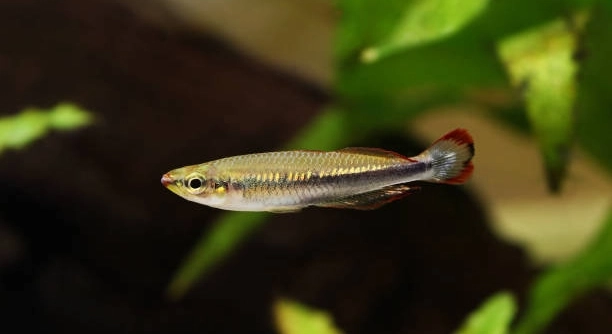
Have you ever noticed your rainbowfish reacting when someone walks past the tank, even without tapping the glass or changing water conditions around them in a quiet room during normal daily activity at home environments?
Rainbowfish are capable of recognizing movement outside their aquarium due to well-developed vision and motion sensitivity. External motion triggers neural responses associated with threat assessment, feeding anticipation, and environmental awareness, even when no direct interaction occurs within controlled captive settings.
Observing these behaviors more closely reveals how tank placement and daily surroundings influence rainbowfish stress levels and responsiveness over time.
How Rainbowfish Detect External Movement
Rainbowfish rely heavily on vision to understand what happens around their tank. Their eyes are positioned to notice changes in light, shadow, and motion beyond the glass. When movement occurs outside, their brains process it as part of the environment, not as random noise. This ability helps them stay alert and adjust behavior quickly. I have noticed that even calm movements can draw their attention, especially during feeding times. Sudden motion often causes brief pauses in swimming, while slow movement may lead to tracking behavior. This response is rooted in survival instincts passed down from life in open waters. In rivers and lakes, noticing motion early helps avoid danger and locate food. Inside aquariums, the same instincts remain active, shaping how rainbowfish react to daily household activity near their tanks. This constant awareness explains why consistent surroundings can reduce stress and support stable behavior patterns over time for captive fish.
Movement recognition is strongest when lighting is balanced and glass is clear. Poor lighting or cluttered backgrounds reduce visibility. Tanks placed near walkways increase stimulation, while quieter locations limit visual input. These conditions influence how often rainbowfish respond and how quickly they settle afterward during normal daily tank exposure periods.
External motion does not mean rainbowfish understand people as individuals. They respond to movement patterns rather than identity. Repeated exposure can create familiarity, reducing startle responses over time. I have seen this happen in my own tank after consistent routines. Regular feeding schedules and gentle movement help fish remain calm. Erratic motion can increase hiding behavior and disrupt schooling. Understanding this difference allows better tank placement and interaction habits. It also explains why tapping glass causes stress. Respecting their visual sensitivity supports healthier behavior and more natural swimming patterns within controlled home aquariums with predictable surroundings and minimal disruptions present.
What This Means for Aquarium Setup
Tank placement directly affects how rainbowfish experience movement. Locations near televisions, doors, or hallways increase exposure. Constant stimulation can raise alertness levels. Calmer areas allow steadier behavior. I prefer placing tanks where movement is predictable, which seems to support relaxed swimming and consistent feeding responses over long periods of time.
Understanding movement sensitivity helps create a more stable aquarium environment. Rainbowfish benefit from visual consistency, which reduces unnecessary stress responses. Simple adjustments can make a difference. Keeping backgrounds plain limits excess motion behind the tank. Using steady lighting prevents sudden visual changes. Avoid placing tanks directly across from windows where shadows shift throughout the day. I have found that slow, deliberate movement during maintenance keeps fish calmer. Feeding from the same spot reinforces predictable patterns. Over time, rainbowfish adapt to routine motion and show smoother schooling behavior. This does not mean they ignore their surroundings. Instead, they learn what is normal. When movement remains consistent, energy is spent on growth, coloration, and social behavior rather than constant alertness. These small choices support long term health. They also make observing rainbowfish more enjoyable, as behavior appears confident and natural within the aquarium space. This approach aligns with how rainbowfish evolved in open habitats with steady visual cues. Consistency builds trust in their surroundings. I noticed brighter colors and calmer interactions after adjusting placement and routines carefully. These observations highlight the importance of thoughtful setup for long term success in home aquariums that support consistent behavior and overall fish well being daily environments.
Daily Human Activity and Rainbowfish Behavior
Daily movement around the aquarium becomes part of a rainbowfish routine. Walking past the tank, sitting nearby, or performing regular tasks creates patterns they learn to expect. When movement follows a rhythm, fish show steadier swimming and reduced startle responses during normal daylight hours within stable home environments over time.
I have noticed rainbowfish react differently depending on how often they see activity outside the glass. Frequent gentle movement becomes familiar and less alarming. Sudden or irregular motion causes brief scattering or freezing. Over time, fish associate consistent activity with safety. This association supports better feeding responses and tighter schooling. Tanks in busy rooms require more visual stability to prevent overload. Simple routines help. Moving slowly, maintaining feeding schedules, and limiting abrupt gestures allow fish to adjust. These behaviors mirror survival instincts without triggering constant alert states. Stability supports calm behavior and visible confidence during long term home care practices.
External movement also interacts with tank mates and social structure. Rainbowfish are schooling fish, so one startled individual can influence the group. When outside motion is predictable, schooling remains cohesive. When unpredictable, groups loosen or scatter. I have observed calmer dominance interactions when surroundings remain steady. Fish spend more time exploring midwater instead of hiding. This balance supports natural behaviors like synchronized swimming and foraging. It also reduces energy spent on stress reactions. Over weeks, fish exposed to consistent environments show improved coloration and appetite. Visual calm plays a role in overall aquarium harmony for long term captive care success.
Limiting Visual Stress in Home Aquariums
Reducing visual stress starts with awareness of the fish perspective. Glass does not block motion. Shadows, reflections, and silhouettes still register clearly. I avoid placing tanks directly behind seating areas. Slower maintenance movements help prevent sudden reactions. Consistent lighting reduces sharp contrasts. These adjustments limit unnecessary stimulation and support relaxed swimming patterns during active household hours and promote steadier behavior over extended observation periods within calm home aquarium environments daily routines maintained consistently over time.
Background choice and room layout influence how much movement rainbowfish process each day. Solid backgrounds reduce visual noise and reflection. Plants create soft barriers without blocking swimming space. I prefer neutral colors behind tanks to limit contrast shifts. Keeping cords and moving objects out of sight also helps. Curtains can reduce shifting light patterns from windows. These choices shape how fish interpret motion. When fewer distractions exist, fish respond mainly to meaningful changes, like feeding or maintenance. This improves focus and reduces unnecessary alert behavior. Over time, rainbowfish appear more settled and responsive. Small environmental refinements support healthier routines, better coloration, and consistent social interactions without overwhelming their sensitive visual systems in typical home aquariums managed with thoughtful placement and daily care habits maintained consistently.
Feeding Time Versus Quiet Periods
Rainbowfish show different reactions during feeding versus quiet periods. When expecting food, outside movement often triggers excitement rather than caution. Swimming speeds increase and fish gather near the glass. This response reflects learned associations between motion, routine, and positive outcomes within consistent aquarium environments over long term daily care routines.
During low activity times, the same movement can appear more intense. Fish may pause, shift direction, or tighten schooling briefly. I notice this most in the evening. Reduced lighting and fewer distractions make external motion stand out more clearly to visually alert rainbowfish resting near midwater zones within calm tanks.
How Feeding Routines Shape Movement Response
Feeding routines play a strong role in how rainbowfish interpret outside movement. Repeated pairing of footsteps or approaching shadows with food delivery builds anticipation. Fish learn patterns quickly. I have seen them gather before lids open. This learned response reduces fear and replaces it with expectation. However, inconsistent feeding tied to sudden movement can create confusion. Fish may rush the glass, then retreat. Keeping feeding times regular helps movement remain meaningful. Predictable cues allow fish to conserve energy, maintain steady schooling, and show confident behavior during daily interactions around the aquarium in typical home care settings with stable visual routines.
Maintenance Movement and Fish Awareness
Tank maintenance introduces unusual movement that rainbowfish notice immediately. Hands, tools, and shifting decor change visual patterns fast. I move slowly during cleanings. Calm actions reduce scattering and help fish resume normal swimming faster once maintenance ends keeping stress levels lower across the entire group over repeated care sessions consistently.
FAQ
Do rainbowfish notice movement outside the tank?
Yes, rainbowfish are highly sensitive to movement and changes in their environment. Their eyes are adapted to detect motion, so they will often react when something passes by outside the aquarium. This can include shadows, people walking, or objects moving near the tank.
Why do rainbowfish react differently to various movements?
Rainbowfish reactions depend on size, speed, and distance of the movement. Quick or sudden motions tend to startle them, while slower movements may only catch their attention briefly. Their behavior can also be influenced by tank size, lighting, and the presence of other fish, which affect their sense of security.
Will rainbowfish become stressed by constant movement outside?
Continuous activity near the tank can make rainbowfish anxious. They may hide among plants or decorations, stay at the bottom, or become less active. A stable and calm environment reduces stress and helps maintain their health and vibrant colors. Minimizing sudden movements or placing the tank away from heavy foot traffic is recommended.
Do rainbowfish ever ignore movement outside?
Yes, they can become accustomed to frequent activity. Over time, rainbowfish may notice movement but not respond aggressively. Familiar patterns, like household members walking by regularly, become less startling. This adaptation allows them to conserve energy while still remaining alert for real threats.
Can rainbowfish see through reflections and glass distortions?
Rainbowfish can see reflections and some distortions through aquarium glass. Reflections may confuse them or make them react to imaginary movements. Clear, clean glass reduces this effect, while distorted or curved glass can exaggerate movements, sometimes causing unnecessary stress. Adjusting tank placement can help minimize these issues.
Does the type of rainbowfish affect how they notice movement?
Different species have varying sensitivity to motion. Some, like the Boesemani rainbowfish, are more reactive and cautious, while others may be more relaxed. Tank environment, social structure, and prior experience also play roles in how each species responds to outside movement.
How can I safely observe rainbowfish without causing stress?
Approach the tank slowly and avoid sudden gestures. Use soft lighting and maintain a predictable routine. Watching from a distance or through side angles can reduce stress. Introducing gentle movement outside the tank occasionally helps them adapt without causing fear.
Do rainbowfish use movement to identify threats?
Yes, rainbowfish rely on movement to detect predators. Quick or unusual motion signals danger, prompting defensive behaviors like hiding or swimming rapidly. Their keen eyesight helps them differentiate between harmless activity and potential threats, which is crucial for survival in the wild.
Will tank decorations impact their response to movement?
Plants, rocks, and hiding spots can influence how rainbowfish react. Dense decorations allow them to feel secure and reduce stress when they see movement. Open tanks without cover may make them more reactive, as they feel exposed to potential danger.
Can rainbowfish adapt to frequent visitors or household activity?
With time, rainbowfish can become accustomed to people moving around the home. Gradual exposure helps them learn that regular activity poses no threat. This adaptation improves their comfort and allows them to display natural behavior without constant stress responses.
Do lighting conditions change how they see movement?
Lighting affects visibility and perception of movement. Bright light enhances their ability to see fine details, while dim lighting can make them more cautious or sluggish. Consistent light schedules support natural activity patterns and reduce sudden reactions to outside motion.
Is it normal for rainbowfish to follow movements outside the tank?
Yes, they often track movements with their eyes or swim in response. This behavior is instinctive, reflecting their natural alertness and curiosity. Following motion is a way for them to stay aware of their surroundings and potential changes in their environment.
Can outside movement trigger feeding behavior?
Sometimes, yes. Rainbowfish may associate movement with feeding if it occurs near feeding times. They may swim toward the source or become more active in anticipation. Keeping feeding routines consistent helps separate normal activity from cues for food.
How do social dynamics affect reaction to movement?
Rainbowfish often react collectively. In a group, one fish noticing movement can trigger a response from others. Dominant or more alert individuals may influence the behavior of the school, causing synchronized swimming or hiding behaviors that reflect group vigilance.
Are some movements more likely to scare rainbowfish than others?
Fast, sudden, or unexpected motions are more likely to trigger stress. Gentle or slow movements are less alarming. Objects moving unpredictably, like pets or rapidly changing shadows, can be particularly unsettling. Managing the environment helps minimize unnecessary fear responses.
Do rainbowfish ever play with movement outside the tank?
While not playful in the human sense, they may show curiosity by swimming toward harmless movement. Investigating motion allows them to explore their environment safely. Repeated gentle exposure helps them distinguish between neutral activity and real threats, making them more confident.
Can mirrors or reflective surfaces confuse rainbowfish?
Yes, mirrors can make them think another fish is present. This may trigger competitive or defensive behavior. Limiting reflective surfaces and monitoring reactions helps maintain calm and prevents unnecessary stress or aggression.
What is the best way to monitor rainbowfish response to outside movement?
Observe quietly and note changes in swimming patterns, hiding, or color intensity. Regular observation helps identify stress triggers, allowing for adjustments in tank placement, lighting, or household routines to support their well-being.
Do rainbowfish respond differently to natural versus artificial movement?
They may distinguish between movement from natural sources, like shadows from plants, and artificial sources, such as passing hands or objects. Natural movements often elicit brief curiosity, while artificial movements can trigger stronger reactions depending on speed and frequency.
How long does it take for rainbowfish to adapt to frequent movement?
Adaptation varies by species and individual temperament. Some may adjust in a few days, while others take several weeks. Gradual, predictable exposure helps them learn that regular household activity is not a threat, promoting calm behavior over time.
This FAQ section covers various aspects of rainbowfish perception of movement outside the tank, helping owners understand, support, and reduce stress for their fish in a home environment.
Final Thoughts
Rainbowfish are naturally alert and sensitive to movement in their environment. This sensitivity helps them survive in the wild, where detecting motion can signal both opportunities and potential threats. In a home aquarium, this instinct remains strong, so it is normal to notice them reacting to people, pets, or objects moving near their tank. Their responses can range from brief curiosity to hiding or darting around, depending on the type of movement and the individual fish’s temperament. Understanding that this behavior is instinctive can help aquarium owners interpret what they see more accurately. It is important to provide a stable environment with adequate hiding spaces and plants, which allow rainbowfish to feel secure when movement occurs outside the tank. Over time, they can learn to tolerate frequent activity without stress, especially when the movements are predictable and consistent.
Creating a calm and controlled environment is key to maintaining their health and well-being. Placing the aquarium away from heavy foot traffic or areas with constant motion can reduce unnecessary stress. Additionally, consistent lighting and feeding schedules help rainbowfish feel more secure and less reactive to external changes. Observing their behavior regularly allows owners to spot signs of stress early, such as color fading, hiding for long periods, or erratic swimming. Intervening with minor adjustments, like adding more decorations or repositioning the tank, can significantly improve their comfort. While some fish may remain more reactive than others, providing a sense of security is crucial. A quiet and stable environment ensures that rainbowfish can maintain natural behaviors without becoming overly anxious or fearful. Their ability to recognize movement outside the tank is part of their natural instincts, and supporting them in adapting to household activity is essential for a peaceful and healthy aquarium.
It is also important to recognize that rainbowfish behavior can vary based on species, age, and individual personality. Some may be naturally more curious and bold, actively following movement, while others are cautious and easily startled. Paying attention to these differences allows for better care tailored to each fish’s needs. Gradual exposure to regular household movement helps them adapt, while sudden or unpredictable activity can cause prolonged stress. Maintaining a clean, well-planted, and organized tank also encourages natural activity and reduces anxiety. By understanding their reactions to external motion, owners can create an environment that promotes both mental and physical health. Supporting rainbowfish in a way that respects their instincts ensures they remain active, colorful, and vibrant. Over time, these small adjustments lead to a more harmonious relationship between the fish and their surroundings, allowing owners to enjoy their behavior without inadvertently causing stress. Proper care and attention to their environment help rainbowfish thrive while remaining alert and responsive in a safe, home setting.

Hello,
If you enjoy the content that we create, please consider saying a "Thank You!" by leaving a tip.
Every little bit helps us continue crafting quality advice that supports the health, happiness, and well-being of pets around the world, for pets of all shapes, sizes, and species.
We really appreciate the kindness and support that you show us!