
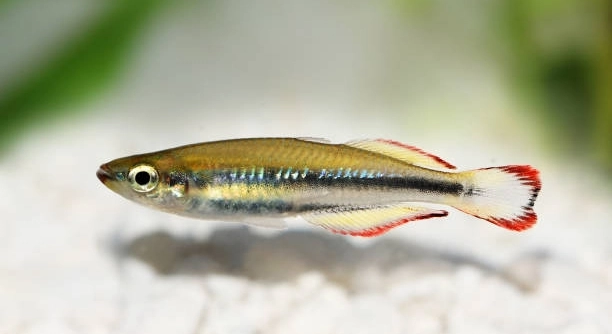
Keeping rainbowfish in a home aquarium can be a rewarding experience, especially when observing their vibrant colors and lively movements. These small, active fish bring energy and beauty to any tank environment effortlessly.
Rainbowfish thrive when kept in groups because they are naturally social and exhibit stronger, healthier behaviors in communal settings. Group housing reduces stress, encourages natural schooling patterns, and promotes active swimming and feeding, ultimately enhancing their overall well-being.
Maintaining a group of rainbowfish allows for a lively, visually appealing aquarium that supports their social needs effectively.
Enhanced Social Behavior
When rainbowfish are kept in groups, their social interactions become more natural and frequent. They display schooling behavior, swim together, and establish a comfortable hierarchy without aggression. This social environment reduces stress and prevents solitary boredom. Fish in groups communicate through body movements and color changes, which are essential for their overall development. Observing these behaviors can make aquarium care more engaging and satisfying, as the dynamics within the group create a lively and harmonious tank. Over time, rainbowfish in groups appear more confident, active, and vibrant. They respond better to feeding, explore their surroundings more, and exhibit healthier coloration. Grouped rainbowfish also adapt more easily to new tank conditions, showing resilience that solitary fish often lack. In addition, maintaining a community allows for better observation of signs of illness or stress. Overall, the social structure provided by a group enhances both the physical and psychological well-being of rainbowfish, making their care more fulfilling.
Group living allows rainbowfish to feel secure and reduces the risk of stress-related behaviors significantly.
Keeping rainbowfish together also improves feeding habits. Fish in groups are more likely to swim actively during feeding times, ensuring they all receive proper nutrition. They display synchronized movements that prevent dominant fish from monopolizing food, allowing each individual to eat adequately. This behavior also stimulates exercise, promoting stronger muscles and healthier digestion. Additionally, rainbowfish that feel safe in a group are less prone to hiding or lethargy. By observing their group interactions, owners can monitor which fish may need extra attention. Ensuring the tank is spacious enough and providing hiding spots supports this dynamic, maintaining harmony. Grouped rainbowfish tend to live longer because they experience less stress, enjoy consistent activity, and develop natural instincts that solitary fish might lose.
Reduced Stress and Anxiety
Rainbowfish experience less stress when kept with others of their kind.
A group environment provides reassurance, reduces fear responses, and helps maintain steady swimming patterns. Stress can weaken immune systems, so keeping fish together supports long-term health.
Stress reduction in rainbowfish is essential for their overall longevity and quality of life. In groups, they feel safer and more confident, displaying brighter colors and active movements. When fish are isolated, they may hide excessively, swim erratically, or refuse food, which can lead to weakened immunity and vulnerability to disease. Grouped rainbowfish also exhibit cooperative behaviors that keep them mentally stimulated, such as synchronized swimming and territorial interactions that rarely escalate into aggression. Maintaining a calm, socially structured tank prevents these stress-related issues. Owners benefit from a group dynamic as it is easier to spot unusual behaviors early, allowing timely interventions. Providing a well-planned habitat with plants, open swimming space, and adequate lighting complements the social structure, enhancing comfort. Reduced stress in a group setting not only improves physical health but also supports natural behaviors, making rainbowfish care more rewarding and effective.
Vibrant Colors
Rainbowfish show brighter and more vivid colors when kept in groups. Their natural social interactions trigger healthy pigmentation and display patterns, enhancing the visual appeal of the aquarium.
Active schooling and social behaviors stimulate the release of natural pigments, making their reds, blues, and yellows more noticeable. Fish kept alone often appear dull and less energetic, as isolation can cause stress and reduce color intensity. Grouped rainbowfish engage in displays that reinforce social hierarchies, which also encourages the development of full coloration. These visual signals are essential for communication, mating readiness, and establishing comfort within the tank. Observing these color changes is both rewarding and a clear indicator of healthy, content fish.
Brighter colors also signal overall well-being. Fish that are stressed or lonely tend to lose their vibrancy, while group dynamics naturally maintain their strong, striking appearance.
Improved Exercise and Activity
Rainbowfish are more active when kept in groups, swimming continuously and exploring their tank space.
Group dynamics encourage movement, which strengthens muscles and improves cardiovascular health. Fish in a community swim in patterns, chase gently, and interact without excessive aggression, promoting constant activity.
Regular exercise reduces obesity and supports healthy growth. Grouped rainbowfish participate in natural schooling, which stimulates mental engagement and physical coordination. Active swimming ensures proper digestion and prevents stagnation in the tank environment. In contrast, solitary fish may become lethargic, hiding or resting excessively. Tank layout also plays a role: open areas with plants or decorations allow fish to navigate freely while maintaining social cohesion. Continuous movement helps maintain a balanced ecosystem, as fish stir water, distribute nutrients, and interact with plants. Ultimately, group-living supports the physical health of rainbowfish while keeping their behavior natural and dynamic.
Better Breeding Success
Rainbowfish in groups have higher chances of successful breeding. Males display brighter colors and court females more naturally, increasing mating opportunities and egg production.
Group interactions reduce stress and encourage natural spawning behavior. Females are more likely to lay eggs in a safe, socially stimulating environment, supporting population growth.
Natural Schooling Behavior
Rainbowfish instinctively swim in schools, maintaining formation and coordinated movement when kept in groups. This behavior provides safety, reduces fear, and encourages active engagement with their environment. Schooling also improves confidence and helps fish respond effectively to changes in the tank.
Reduced Aggression
Keeping rainbowfish in groups limits aggressive encounters. Fish spread out their interactions, reducing conflicts over territory or food and maintaining a peaceful, balanced tank.
FAQ
How many rainbowfish should I keep together?
Rainbowfish are social and do best in groups of at least six. Smaller numbers can lead to stress and timid behavior. A larger group encourages natural schooling, reduces aggression, and keeps the fish active and healthy. Space and tank size should also be considered when adding more fish.
Can rainbowfish live with other fish species?
Yes, rainbowfish are generally peaceful and can coexist with other non-aggressive species. Ideal tank mates include tetras, danios, and other small, community-friendly fish. Avoid aggressive or overly territorial species, as they can stress rainbowfish and interfere with their natural behaviors.
What tank size is suitable for a group of rainbowfish?
A minimum of 30 gallons is recommended for a small group, but larger tanks are better. More space allows for schooling, swimming, and hiding spots. Adequate room reduces territorial disputes, ensures balanced exercise, and supports optimal health and coloration.
What diet is best for rainbowfish?
Rainbowfish are omnivores and thrive on a varied diet. High-quality flake food, frozen or live brine shrimp, daphnia, and bloodworms provide balanced nutrition. Including vegetables occasionally supports digestion. Feeding small portions two to three times daily prevents overfeeding and maintains water quality.
How often should I clean the tank for rainbowfish?
Regular maintenance is crucial. Partial water changes of 25–30% weekly help remove waste and toxins. Cleaning filters monthly and monitoring water parameters keeps the environment stable. Healthy water conditions reduce stress, support natural behaviors, and enhance coloration.
Do rainbowfish require special lighting?
Moderate aquarium lighting works best. Natural-like light enhances their colors and supports plant growth if live plants are included. Avoid intense or constant lighting, which can cause stress. A consistent day-night cycle helps maintain their biological rhythm.
What plants or decorations are suitable for a rainbowfish tank?
Live plants, smooth rocks, and driftwood provide hiding spots and mimic natural habitats. Open swimming areas are essential for schooling behavior. Avoid sharp or rough decorations that could injure fish during active swimming. Plant selection can also improve water quality and aesthetics.
How can I tell if my rainbowfish are stressed?
Signs include faded colors, erratic swimming, hiding excessively, or loss of appetite. Stress often results from isolation, poor water quality, or aggressive tank mates. Observing group dynamics regularly helps identify issues early, allowing adjustments to tank conditions or social structure.
How long do rainbowfish typically live?
With proper care, rainbowfish can live 5–8 years. Maintaining group settings, clean water, balanced nutrition, and a stimulating environment contributes to longevity. Monitoring behavior and health regularly ensures they remain active and vibrant throughout their lifespan.
Is it necessary to keep only one gender, or can I mix males and females?
Mixing males and females is recommended for natural social interaction and breeding behavior. Males display colors and court females, which supports activity and reduces boredom. Balanced gender ratios help maintain harmony and reduce male aggression within the group.
Can I introduce new rainbowfish to an established group?
Yes, but introductions should be gradual. Quarantine new fish for at least two weeks to prevent disease spread. Rearrange plants or decorations slightly to minimize territorial disputes. Introducing multiple fish at once helps balance social dynamics and reduces stress for both new and existing fish.
What water parameters are ideal for rainbowfish?
Rainbowfish prefer temperatures between 74–78°F, pH 6.5–7.5, and moderate hardness. Stable water conditions are crucial for health and coloration. Regular testing and adjustments maintain a balanced environment, supporting social behavior, feeding, and breeding activity.
How can I encourage breeding in a group of rainbowfish?
Provide a spacious tank with plants or spawning mops. Maintain clean water and a varied diet to promote health. Brightly colored males will display to females naturally, and group dynamics increase the likelihood of successful spawning. Remove adults after eggs are laid to prevent predation.
Do rainbowfish require any special care during winter months?
Maintain stable temperature using heaters if needed. Ensure consistent lighting and continue regular feeding. Avoid sudden changes in water parameters, as rainbowfish can be sensitive. Group dynamics help them stay active and stress-free even during seasonal changes.
Can rainbowfish recognize each other in groups?
Yes, rainbowfish can identify familiar tank mates. They form social hierarchies and interact more confidently with recognized individuals. Group familiarity reduces stress, encourages schooling, and helps maintain a peaceful environment.
Is it necessary to monitor individual health in a group?
Monitoring individual fish is important, even in a group setting. Watch for color changes, abnormal swimming, or reduced appetite. Early detection of illness allows for prompt treatment, preventing disease from spreading and ensuring the entire group remains healthy.
How do I prevent aggression in a mixed-species tank?
Choose peaceful tank mates and provide plenty of swimming space. Avoid overcrowding and maintain hiding spots. Observe interactions closely during introductions. Balanced group sizes of rainbowfish reduce dominance displays, ensuring aggression remains minimal.
Can rainbowfish adapt to different water types?
Rainbowfish are relatively adaptable but thrive best in stable, slightly alkaline, and moderately hard water. Sudden changes can stress them. Gradual acclimation when moving to new water ensures health and preserves natural behavior and coloration.
What is the best way to transport or move rainbowfish?
Use a clean, oxygenated container with water from their tank. Minimize handling and maintain stable temperature. Transport in groups to reduce stress, especially for smaller fish. Gradual acclimation to new water helps prevent shock and supports overall health.
How do I maintain a peaceful tank environment long-term?
Regular maintenance, group care, adequate space, and careful selection of tank mates are essential. Observe behaviors, provide enrichment, and maintain water quality consistently. This approach keeps rainbowfish active, healthy, and vibrant while ensuring a harmonious community.
This FAQ section provides detailed guidance for common rainbowfish concerns, supporting both their health and natural behaviors in a home aquarium setting.
Keeping rainbowfish in groups is one of the most effective ways to ensure they thrive in a home aquarium. These fish are naturally social, and their well-being improves significantly when they are surrounded by others of their kind. Group living supports natural behaviors, including schooling, active swimming, and even mating displays, which can be diminished when a rainbowfish is kept alone. Observing a lively group of rainbowfish moving together creates a dynamic, visually appealing environment that also reflects the fish’s overall health. When fish are in groups, they are more confident and less prone to hiding or showing stress, which makes managing the tank easier and more rewarding. Social interactions within the group not only keep the fish engaged but also stimulate their coloration, keeping them vibrant and lively. For someone who enjoys seeing their aquarium come alive, keeping rainbowfish together adds both beauty and activity, creating a more natural and balanced aquatic setting.
In addition to improving behavior, group living promotes better health for rainbowfish. Fish in groups are generally less stressed, which supports their immune systems and reduces the likelihood of illness. Social interactions help them exercise more, which strengthens muscles and improves overall fitness. Feeding is also more efficient in a group, as active schooling behavior encourages even distribution of food and prevents dominant fish from taking more than their share. Rainbowfish in groups are more likely to explore their tank and interact with their environment, which supports both physical and mental stimulation. A well-maintained group requires regular water changes, monitoring of water parameters, and a balanced diet, but the benefits far outweigh the effort. Grouped rainbowfish demonstrate natural behaviors that solitary fish may not, and this results in healthier, more active, and more visually striking fish. For anyone aiming to maintain a healthy aquarium ecosystem, keeping rainbowfish in groups is a key step.
The overall experience of keeping rainbowfish in groups combines practical benefits with the enjoyment of watching natural behaviors unfold. Their schooling movements, vibrant colors, and active interactions create a more engaging tank that is both aesthetically pleasing and supportive of fish welfare. Maintaining a group encourages stable social hierarchies, reduces aggression, and creates a peaceful environment, even in mixed-species tanks. By providing adequate space, hiding spots, and proper nutrition, owners can ensure the group remains harmonious and healthy. Group living also helps rainbowfish adapt to changes, as they feel more secure and resilient when surrounded by familiar companions. Overall, keeping rainbowfish in groups enhances both their physical health and psychological well-being, while also improving the experience of aquarium care. The lively, vibrant, and natural dynamics of a rainbowfish group make it clear that social housing is not just beneficial—it is essential for their long-term happiness and vitality.

Hello,
If you enjoy the content that we create, please consider saying a "Thank You!" by leaving a tip.
Every little bit helps us continue crafting quality advice that supports the health, happiness, and well-being of pets around the world, for pets of all shapes, sizes, and species.
We really appreciate the kindness and support that you show us!