
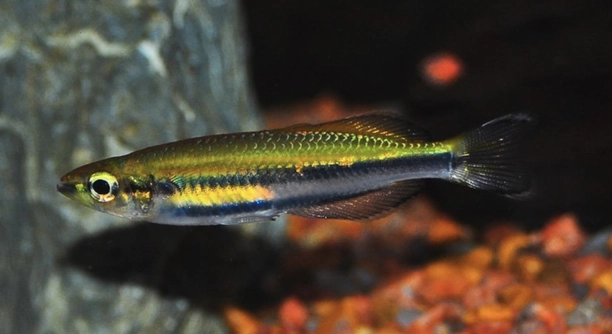
Rainbowfish are colorful, lively freshwater fish that brighten any aquarium. They are sensitive to their surroundings, and subtle changes in the environment can influence their behavior and overall wellbeing in noticeable ways.
Rainbowfish do respond to weather changes, primarily through shifts in water temperature, light levels, and barometric pressure. These environmental variations can affect their activity, feeding patterns, and social interactions, reflecting natural instincts adapted to changing conditions.
Understanding how these factors influence rainbowfish behavior is important for maintaining a healthy, stable aquarium environment for them to thrive.
How Weather Impacts Rainbowfish Behavior
Rainbowfish are highly attuned to changes in their environment, and weather fluctuations can influence their daily routines. Shifts in temperature, sunlight, and barometric pressure affect how they swim, interact, and feed. On hot, sunny days, rainbowfish may become more active near the water surface, exploring and socializing with other fish. Cooler, overcast days often slow their movement, and they may hide among plants or decorations. Even slight changes in barometric pressure can trigger subtle behavioral responses, signaling potential rain or storms. Aquarists may notice these shifts as changes in swimming patterns or increased rest periods. Monitoring water conditions alongside weather changes helps maintain a stable habitat. Proper filtration, aeration, and regular temperature checks ensure the fish remain healthy despite natural variations. Observing these patterns over time allows for a better understanding of each rainbowfish’s response to environmental changes. Adaptation is key to their overall wellbeing.
Weather changes can affect feeding schedules and activity levels noticeably. Consistency in care helps reduce stress.
Keeping rainbowfish in an environment that mirrors their natural conditions can significantly improve health and longevity. They respond positively to stable temperatures, clean water, and sufficient hiding spots. Providing areas with varied lighting and water flow allows them to adjust naturally to minor weather shifts. Sudden changes can cause stress, which may lead to decreased appetite or temporary hiding. Tracking behavior against external weather patterns helps anticipate needs, such as adjusting room temperature or using a heater during cooler periods. Attention to detail in care routines ensures rainbowfish maintain normal activity levels. By aligning their habitat with natural rhythms, fish display vibrant colors and active schooling behavior. This careful approach makes observing them more rewarding and promotes long-term wellbeing. Over time, consistent observation helps identify individual preferences, allowing for more personalized care. Environmental awareness supports both physical health and mental stimulation for rainbowfish in captivity.
Practical Tips for Managing Weather Effects
Simple adjustments in aquarium care can offset weather-related stress. Consistent temperature and proper lighting are essential for stability.
Using heaters or chillers when temperatures fluctuate prevents sudden shocks to rainbowfish. Adding floating plants or decorations can provide shaded areas, helping fish adapt to increased sunlight or bright days. Regular water testing ensures pH, hardness, and clarity remain optimal, even when external weather affects room conditions. Maintaining a steady feeding schedule supports consistent energy levels and reduces stress. Observing changes in swimming patterns or appetite can indicate that minor adjustments are needed. Small measures, like adjusting tank covers or controlling airflow, can further stabilize the environment. These practices create a predictable habitat, allowing rainbowfish to thrive despite natural weather changes. Caring for their aquarium with attention to environmental cues promotes longer lifespans and healthier fish. The more carefully their environment is managed, the more resilient and active rainbowfish become, reflecting natural behaviors even in captivity.
Seasonal Changes and Rainbowfish
Seasonal changes, such as shifting daylight hours and temperature variations, directly affect rainbowfish activity. Longer days often encourage more swimming and social behavior, while shorter, cooler periods may slow their metabolism and reduce feeding. Observation helps adjust care routines accordingly.
Rainbowfish respond to seasonal temperature shifts by altering swimming patterns and energy levels. In warmer months, they may become more active, exploring the tank and interacting with other fish. Cooler temperatures slow their movements, and they often seek sheltered areas. Feeding habits can change, with less frequent or slower consumption during cooler periods. Monitoring these behaviors allows adjustments in tank temperature, feeding schedules, and environment enrichment. By maintaining stable conditions that reflect seasonal changes, rainbowfish remain healthy and stress-free.
Light intensity and duration also influence rainbowfish behavior. Providing adjustable lighting mimics natural seasonal patterns, encouraging natural rhythms. A consistent routine with temperature and light adjustments supports normal activity and helps prevent stress. These small changes promote vibrant coloration, proper growth, and overall wellbeing, making seasonal awareness an essential part of aquarium management for rainbowfish.
Water Quality and Environmental Stability
Maintaining clean, stable water is crucial for rainbowfish health. Regular filtration, partial water changes, and monitoring parameters prevent stress and behavioral changes.
Water temperature, pH, hardness, and clarity all affect rainbowfish. Sudden fluctuations, such as drops in temperature from cold weather or overexposure to sunlight, can cause stress and illness. Consistent water conditions support normal swimming, feeding, and social interactions. Using reliable equipment like heaters, thermometers, and water testing kits ensures stability. Removing debris, uneaten food, and waste through partial water changes keeps ammonia and nitrate levels safe. Observing fish behavior daily helps detect issues early, allowing quick intervention. Environmental stability fosters strong immune systems, vibrant colors, and active schooling, essential for healthy rainbowfish.
Environmental enrichment also contributes to wellbeing. Plants, rocks, and hiding spots reduce stress from external changes. Providing areas of varied light and flow lets rainbowfish regulate their activity naturally. Combining clean water with enriched surroundings creates a supportive environment, reducing the negative effects of sudden weather or seasonal shifts. Careful attention to these factors ensures rainbowfish remain resilient and active, demonstrating natural behaviors and maintaining long-term health in their tank.
Feeding Patterns and Weather
Changes in weather can affect rainbowfish appetite. Warmer temperatures often increase feeding activity, while cooler conditions may slow their metabolism and reduce interest in food.
Consistency in feeding routines helps maintain health despite weather fluctuations. Adjusting portions and timing according to activity levels ensures proper nutrition and prevents overfeeding or stress.
Light and Activity Levels
Rainbowfish are sensitive to light intensity and duration. Bright, extended light periods encourage movement and social interactions, while dim or shorter periods can reduce activity. Mimicking natural light cycles helps maintain normal behavior patterns, supporting both energy levels and vibrant coloration in the aquarium.
Monitoring Behavior Changes
Keeping track of swimming patterns, feeding habits, and social interactions helps identify stress or environmental discomfort early. Quick adjustments to temperature, lighting, or water quality prevent long-term health issues and maintain a stable environment for rainbowfish to thrive.
Stress Reduction Techniques
Providing hiding spots, plants, and gentle water flow reduces stress from sudden weather or environmental changes. Stable conditions support healthy behavior and overall wellbeing.
FAQ
How do rainbowfish respond to sudden temperature drops?
Rainbowfish can become less active when water temperature drops abruptly. Their metabolism slows, and they may hide among plants or decorations. Feeding decreases, and swimming becomes more cautious. Gradual adjustments in tank temperature help minimize stress. Using a reliable heater and monitoring daily ensures the change is manageable for their health.
Do changes in sunlight affect rainbowfish behavior?
Yes, variations in natural or artificial light can influence activity levels. Bright light encourages swimming and social interactions, while dim or inconsistent light may reduce movement. Adjusting aquarium lighting to mimic natural cycles helps maintain normal behavior and supports their coloration.
Can barometric pressure impact rainbowfish?
Rainbowfish are sensitive to pressure changes associated with storms or shifts in weather. Drops in barometric pressure may lead to temporary hiding, reduced activity, or altered feeding patterns. These reactions are natural and usually short-term. Providing a stable tank environment minimizes stress.
What are signs that weather changes are stressing my rainbowfish?
Common indicators include slower swimming, hiding more frequently, reduced appetite, and color dulling. Fish may cluster in certain areas of the tank or show less interaction with tankmates. Observing these signs early allows for adjustments in temperature, lighting, or tank structure.
How can I maintain stable water conditions during seasonal changes?
Regular testing of pH, hardness, and temperature is essential. Partial water changes help keep parameters consistent. Using heaters, chillers, or thermostats ensures minimal fluctuations. Maintaining filtration and removing debris supports water clarity. These practices reduce stress and keep rainbowfish active and healthy.
Do rainbowfish need different feeding schedules with changing weather?
Yes, feeding should align with activity levels. Warmer water may increase appetite, while cooler temperatures may reduce consumption. Adjusting portion sizes and feeding times helps prevent overfeeding or malnutrition. Observing fish behavior guides the correct feeding approach.
Can aquarium decorations help during weather fluctuations?
Providing plants, rocks, and hiding spots allows rainbowfish to regulate their exposure to light and flow. Shaded areas offer shelter during bright or stressful conditions. These environmental features reduce stress, encourage natural behavior, and support overall wellbeing.
Are rainbowfish more active during certain weather conditions?
Warmer temperatures and bright light generally increase activity, while cooler, overcast days slow movement. Seasonal awareness and observation allow for better management of tank conditions, keeping rainbowfish healthy and displaying vibrant colors consistently.
Is monitoring rainbowfish behavior important during storms?
Yes, storms can cause sudden changes in temperature, light, and pressure. Monitoring swimming patterns, social interactions, and feeding helps identify stress early. Adjusting tank conditions, such as stabilizing temperature or providing shaded areas, reduces the impact of these changes.
How long does it take for rainbowfish to adjust to environmental changes?
Adjustment time varies depending on the magnitude of the change and the stability of the tank. Minor fluctuations may require a few hours to a day, while more significant shifts can take several days. Consistent care and gradual adjustments improve adaptation and minimize stress.
Can stress from weather affect rainbowfish health long-term?
Chronic stress from unstable conditions can weaken the immune system, cause color fading, and reduce activity. Maintaining stable water parameters, proper lighting, and environmental enrichment helps prevent long-term health issues and supports natural behavior patterns.
What simple steps can reduce weather-related stress?
Maintaining stable temperature, pH, and water quality, providing hiding spots, and regulating lighting all help reduce stress. Regular observation allows for quick corrections. Small, consistent adjustments ensure rainbowfish remain active, healthy, and comfortable in their tank despite external weather changes.
Final Thoughts
Rainbowfish are sensitive, lively creatures that react to their surroundings in noticeable ways. Weather changes, such as temperature shifts, sunlight variations, and barometric pressure fluctuations, can influence their behavior, feeding, and social interactions. Observing these reactions helps provide better care and ensures the fish remain healthy. Simple changes, like adjusting aquarium lighting or maintaining a stable temperature, can make a significant difference in how rainbowfish respond to environmental fluctuations. By paying attention to these factors, caretakers can reduce stress and promote natural behaviors. Even small details, such as adding floating plants or providing shaded areas, allow the fish to regulate their activity and feel secure within their habitat.
Maintaining a stable, well-monitored environment is crucial for rainbowfish. Consistent water quality, temperature, and pH levels prevent unnecessary stress and help the fish adapt more easily to minor weather variations. Seasonal changes may affect activity and appetite, so adjusting feeding schedules and portion sizes is important. Clean water, proper filtration, and regular observation support healthy swimming patterns and vibrant coloration. Enrichment through plants, rocks, and hiding spots encourages natural exploration while reducing stress caused by sudden environmental changes. These steps ensure that rainbowfish remain active, social, and visually striking, reflecting their natural behaviors even in a controlled aquarium. Over time, careful attention to both water conditions and environmental enrichment allows for healthier, longer-living rainbowfish that display their full range of behaviors and colors.
Behavioral monitoring is an essential part of caring for rainbowfish, particularly when weather changes affect their habitat. Changes in swimming, feeding, or coloration can indicate stress or discomfort, signaling a need for adjustments in tank conditions. Gradual temperature shifts, stable lighting cycles, and proper nutrition all help mitigate the effects of external weather fluctuations. Providing hiding areas, varied lighting, and consistent care routines supports overall wellbeing and encourages natural activity. Awareness of these factors allows for proactive management, helping rainbowfish thrive while reducing the risk of long-term health issues. Observing, adjusting, and maintaining stability in the aquarium ensures that rainbowfish remain vibrant, active, and resilient, making their care both rewarding and effective.

Hello,
If you enjoy the content that we create, please consider saying a "Thank You!" by leaving a tip.
Every little bit helps us continue crafting quality advice that supports the health, happiness, and well-being of pets around the world, for pets of all shapes, sizes, and species.
We really appreciate the kindness and support that you show us!