
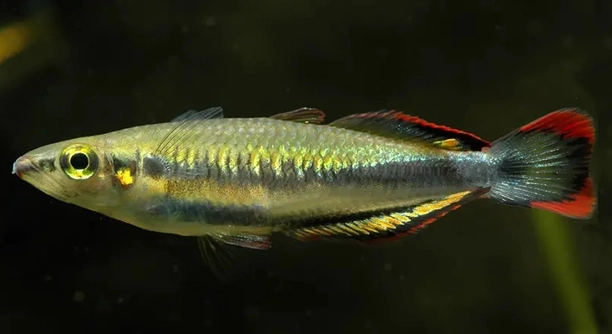
Rainbowfish are small, vibrant fish that brighten up any aquarium. Many owners enjoy their colors but sometimes notice they appear duller than expected. Maintaining their health is key to keeping their natural shine vibrant and lively.
Rainbowfish color can be enhanced naturally through proper nutrition, clean water conditions, balanced lighting, and stress reduction. Providing a varied diet rich in carotenoids, maintaining stable water parameters, and creating a calm environment helps promote brighter, healthier pigmentation.
Learning how simple changes affect their colors can make a noticeable difference. These tips focus on practical ways to help rainbowfish look their best every day.
Feed a Varied Diet
Rainbowfish respond quickly to a diet that includes a mix of high-quality flakes, frozen foods, and live foods. Small amounts of brine shrimp, daphnia, and bloodworms add protein and help maintain vibrant coloration. Vegetables like blanched spinach or spirulina flakes provide essential nutrients that enhance their natural reds, blues, and greens. Feeding them multiple times a day in small portions prevents overeating while ensuring they get enough nutrition. Avoid only feeding one type of food, as this can lead to faded colors and weaker health over time. Keeping a regular feeding schedule also helps fish feel secure, which reduces stress that might dull their appearance. It’s important to observe which foods they prefer and adjust portions to avoid leftovers that can degrade water quality. Over time, consistent nutrition will lead to more intense, lively colors that make the aquarium more visually appealing.
Proper diet directly impacts their color intensity and overall health, ensuring brighter fish without artificial additives.
Introducing new foods gradually helps the fish adjust, making them more willing to accept a variety of nutrients. Rotating proteins and greens while keeping portions balanced improves color naturally and strengthens immune function. Observing their response to different foods allows you to fine-tune their diet for the most visually striking results.
Maintain Clean Water Conditions
Clean water is essential for healthy rainbowfish. Dirty water can stress fish and dull their colors. Regular water changes, filter maintenance, and monitoring parameters keep the environment stable.
Consistent water quality prevents stress-related color loss and supports overall vitality, making the fish appear naturally vibrant and active.
Keeping water clean requires more than occasional changes. Test ammonia, nitrite, and nitrate levels weekly to ensure they stay in safe ranges. Temperature and pH should remain stable, as fluctuations can shock fish and affect pigmentation. Use a reliable filter and rinse media without chemicals to maintain beneficial bacteria. Remove leftover food and debris to prevent toxins from building up, which can harm coloration. Introducing live plants can help absorb excess nutrients and provide natural hiding spaces, further reducing stress. By establishing a clean, stable environment, rainbowfish can focus energy on growth, reproduction, and vibrant coloring rather than dealing with poor water conditions. Over time, you’ll notice a clear improvement in both behavior and brightness of their scales.
Provide Adequate Lighting
Proper lighting enhances rainbowfish coloration. Too little light makes colors fade, while too much can stress them. A balanced light cycle supports their natural pigments.
LED or fluorescent lights that mimic daylight work best. Keep lights on for about 8–10 hours daily. Avoid direct sunlight, which can overheat the tank or promote algae growth. A timer helps maintain consistency, which keeps fish comfortable and allows their colors to develop evenly over time. Adjusting intensity gradually also prevents sudden stress, helping the fish display their brightest shades naturally without harming their health.
Plants and decorations affect how light reaches fish. Floating plants may provide shade, while reflective surfaces can amplify light. Position lights to highlight the aquarium’s colors without causing glare. Over time, consistent lighting and proper placement create a vibrant display, allowing rainbowfish to show off their full range of hues. Observing them during different times of the day helps you fine-tune lighting for maximum effect.
Maintaining a consistent lighting schedule encourages normal behavior and reduces stress. Bright, natural-looking colors appear more frequently when light conditions remain stable and balanced.
Reduce Stress in the Aquarium
Stress dulls rainbowfish colors quickly. Overcrowding, aggressive tankmates, or sudden changes can make them lose vibrancy. Keep the environment calm and stable.
Providing hiding spots and peaceful companions reduces tension. Avoid sudden movements, loud noises, or abrupt water changes that might startle the fish. Monitor interactions to ensure no bullying occurs, as stressed fish can display faded or uneven coloration. Gradually introducing new fish helps maintain harmony.
Stress management also involves feeding routines and water quality. Fish that feel secure eat regularly and interact naturally, which supports natural color development. By creating a predictable, low-stress habitat, rainbowfish have the energy to maintain bright, healthy scales and active swimming patterns. Observing their behavior helps identify stressors quickly so adjustments can be made.
Keep Water Temperature Stable
Rainbowfish show brighter colors when water temperature is consistent. Sudden fluctuations can stress them and cause fading. Maintaining a steady range supports healthy metabolism and vibrant pigmentation.
Use a reliable heater and thermometer to monitor temperature. Adjust gradually if changes are needed, avoiding rapid shifts that may shock the fish.
Use Natural Plants
Live plants improve water quality and offer hiding spaces, which help fish feel secure. Feeling safe encourages rainbowfish to display their natural colors more fully.
Plants also reduce nitrate buildup and provide subtle shelter. Choosing fast-growing species like hornwort or java fern helps maintain a balanced environment. The presence of greenery adds contrast, making rainbowfish hues stand out vividly. Arranging plants at different levels allows free swimming and natural behavior, which further enhances their appearance. Overall, live plants combine practical water benefits with aesthetic support, letting rainbowfish show off their healthiest, most colorful scales while thriving in a natural-like habitat.
Avoid Overcrowding
Too many fish in one tank can stress rainbowfish and reduce color intensity. Space and proper population balance are essential.
FAQ
How often should I feed my rainbowfish to boost color?
Feeding small portions two to three times a day works best. Variety is key. Include high-quality flakes, frozen or live foods, and some vegetable-based items. Consistent feeding schedules prevent overeating and help maintain vibrant pigmentation. Observing their appetite ensures they are eating enough without fouling the water.
What types of food enhance rainbowfish colors naturally?
Foods rich in carotenoids, like spirulina flakes, krill, and red-orange vegetables, enhance reds and oranges. Live foods such as brine shrimp and daphnia support protein needs and overall health. Rotating different proteins and greens allows their colors to develop fully while strengthening immunity.
Can water quality affect rainbowfish coloration?
Yes, clean water is essential for bright colors. Ammonia, nitrite, and nitrate spikes stress fish and dull scales. Regular water changes, a properly maintained filter, and testing parameters weekly help keep the environment stable. Stable water quality allows rainbowfish to focus on growth and natural pigmentation.
Does lighting influence their color intensity?
Proper lighting is very important. LED or fluorescent lights that mimic daylight promote natural pigments. Too little light dulls colors, while excessive lighting can stress them. Using a timer for about 8–10 hours daily helps maintain a balanced cycle and encourages brighter scales.
How does stress affect rainbowfish coloration?
Stress directly impacts color. Aggressive tankmates, overcrowding, or sudden changes can cause fading. Providing hiding spots, peaceful companions, and a stable environment reduces stress. Fish that feel secure display brighter colors and swim actively, reflecting their overall health.
Should I keep live plants in the aquarium?
Live plants benefit both fish and water quality. They provide hiding spots that reduce stress and naturally absorb excess nutrients. Plants like java fern or hornwort improve the tank’s environment while making rainbowfish colors stand out against the greenery, enhancing the visual appeal of the aquarium.
What is the ideal temperature for rainbowfish color development?
A stable temperature between 74–78°F (23–26°C) supports metabolism and pigment intensity. Sudden fluctuations stress the fish and cause colors to fade. Using a reliable heater and thermometer ensures the water remains stable, letting rainbowfish maintain vibrant scales consistently.
How can I reduce stress in my rainbowfish tank?
Stress can be minimized by avoiding overcrowding, choosing peaceful tankmates, and maintaining stable water conditions. Gradual introductions of new fish and consistent feeding routines also help. Fish that feel safe and comfortable display their natural colors more fully and swim naturally.
Does tank decoration affect rainbowfish coloration?
Yes, decorations influence both behavior and color. Hiding spots reduce stress, and contrasting backgrounds make scales appear brighter. Avoid sharp objects that could injure them. Arranging plants and ornaments thoughtfully supports swimming freedom while highlighting their natural hues.
How quickly will I see color improvements after making changes?
Improvements depend on the fish’s health and environment. With proper diet, clean water, stable temperature, and low stress, subtle changes may appear in a few weeks. Full color development can take a couple of months, especially if changes are gradual and consistent.
Can supplements help enhance rainbowfish color?
Occasional carotenoid-based supplements can support natural coloration, but they should not replace a balanced diet. Overuse may harm fish or water quality. Supplements work best when combined with high-quality foods, clean water, and proper lighting, contributing to bright, healthy scales over time.
Is overcrowding a serious issue for rainbowfish coloration?
Overcrowding increases competition for food and space, leading to stress and dull colors. Keeping a proper stocking level based on tank size allows rainbowfish to swim freely and display their brightest shades. Adequate space also helps maintain water quality, indirectly supporting color development.
Can sudden changes in water parameters harm coloration?
Yes, abrupt changes in pH, hardness, or temperature can shock rainbowfish. Gradual adjustments are essential. Stable water encourages healthy metabolism and allows pigments to develop naturally, preventing color loss caused by environmental stressors.
Do rainbowfish colors fade as they age?
Some fading is natural, but healthy adult rainbowfish maintain vibrant hues if diet, water quality, and stress are managed. Proper care ensures adults retain bright scales, while minor changes over time are normal and do not indicate illness.
How important is tankmate selection for color maintenance?
Peaceful tankmates reduce stress and prevent bullying. Aggressive or fin-nipping species cause stress, which dulls colors. Choosing compatible fish ensures rainbowfish feel secure and allows their natural pigmentation to remain vibrant.
Can seasonal changes affect rainbowfish coloration?
Changes in light intensity or temperature can influence pigmentation. Keeping lighting consistent and water conditions stable helps mitigate seasonal effects, ensuring colors remain bright regardless of external changes.
Are there signs of unhealthy coloration?
Dull, patchy, or uneven scales may indicate stress, poor diet, or water issues. Fading, frayed fins, or lack of activity often accompany color loss. Addressing diet, water quality, and stress factors usually restores healthy pigmentation over time.
How do I know if my rainbowfish is happy and healthy?
Bright, consistent colors, active swimming, regular feeding, and normal interactions with tankmates are signs of a healthy rainbowfish. Observing behavior alongside environmental conditions helps ensure that they remain vibrant and well-cared-for.
Can background colors in the tank influence rainbowfish appearance?
Yes, darker or contrasting backgrounds enhance their colors visually. Light backgrounds may make some shades look less vivid. Choosing backgrounds that complement rainbowfish hues helps them appear naturally brighter.
Is it necessary to rotate foods for maximum color?
Rotating foods provides a variety of nutrients essential for pigmentation. Different proteins, vegetables, and carotenoid-rich items ensure rainbowfish get everything they need to maintain bright, healthy scales. Consistency and variety together produce the best results.
Do rainbowfish display color differently when breeding?
Yes, males often intensify their colors during breeding to attract females. Ensuring low-stress conditions, proper diet, and good water quality during this time enhances natural pigmentation, making the fish look their most vibrant and healthy.
How long does it take for changes in care to reflect in color?
Minor improvements can be seen within a few weeks, but full color enhancement may take a couple of months. Patience and consistent care are essential. Gradual adjustments to diet, lighting, and water conditions allow the fish to display their best natural colors.
Can supplements alone bring out brighter colors?
Supplements help but are not sufficient alone. Bright coloration requires balanced nutrition, stable water, low stress, and proper lighting. Supplements support these factors, but overall husbandry practices are the main driver of healthy, vibrant rainbowfish coloration.
How often should water be changed to maintain color?
Weekly partial water changes of 20–30% maintain clean, stable conditions. Frequent monitoring of water parameters prevents buildup of harmful compounds, ensuring rainbowfish remain healthy and retain their natural bright colors.
Are there specific tank sizes for optimal color display?
Larger tanks give rainbowfish space to swim and reduce stress. Overcrowding diminishes color intensity. A minimum of 20 gallons for a small group is ideal, with additional space for more fish, plants, and decorations to support natural behavior and vibrant appearance.
Do all rainbowfish species respond the same to color-enhancing care?
Different species vary in color intensity and sensitivity. While diet, water quality, and stress management improve most species’ coloration, some naturally display more muted tones. Observing individual species’ needs helps tailor care for optimal pigmentation.
Can stress from transport or moving tanks affect color?
Yes, sudden relocation can cause temporary color fading. Minimizing handling, acclimating slowly, and keeping water conditions stable helps rainbowfish recover quickly and regain their natural, bright colors.
Is breeding necessary for males to reach full color potential?
Breeding enhances males’ coloration naturally, but it is not required for all rainbowfish to look bright. Proper diet, water quality, and low-stress environments allow both males and females to display healthy colors consistently.
Do rainbowfish change color at night?
Some fading occurs at night as metabolism slows and stress levels decrease. This is normal and temporary, with bright colors returning during the day when the fish are active and exposed to proper lighting.
Can disease affect rainbowfish coloration?
Illness often results in faded, dull, or patchy colors. Treating the underlying condition while maintaining clean water and proper nutrition helps restore healthy pigmentation over time.
What role does tank layout play in color display?
Open swimming areas combined with hiding spaces allow natural behavior. Fish that feel safe and active display stronger colors. Balanced decoration also provides contrast, making scales appear more vivid and enhancing overall visual appeal.
How do I know if my fish are stressed from tankmates?
Signs include hiding, rapid swimming, fin damage, or faded color. Removing aggressive tankmates or separating fish temporarily restores calm, allowing colors to return to normal. Observing interactions helps maintain a peaceful environment.
Are there any quick fixes for dull colors?
Quick fixes are rarely effective. Lasting improvements come from consistent diet, clean water, stable lighting, and low-stress conditions. Gradual, steady care ensures rainbowfish display natural, vibrant colors over time rather than temporary artificial brightness.
How important is observation for maintaining color?
Daily observation helps identify stress, illness, or feeding issues early. Prompt adjustments in care allow rainbowfish to maintain bright, healthy colors. Watching behavior alongside environmental factors ensures long-term vibrancy and well-being.
Do rainbowfish show color differences in community tanks?
Yes, social dynamics influence coloration. Peaceful, balanced communities allow fish to display full colors, while aggressive or dominant fish may cause others to fade. Careful tankmate selection supports consistent vibrancy throughout the group.
Can changing water pH improve faded coloration?
Maintaining stable pH within species-specific ranges supports overall health and color. Sudden pH shifts stress fish and can dull pigmentation. Gradual adjustments and monitoring help rainbowfish retain natural, bright colors.
Do rainbowfish require special lighting for breeding colors?
Breeding males often show intensified colors under normal lighting if conditions are stable. Specialized lighting is not required but consistent, daylight-mimicking lights support healthy pigmentation and natural behavior, highlighting colors effectively during breeding periods.
Is it necessary to quarantine new fish to maintain color?
Quarantining prevents disease introduction and stress, both of which affect coloration. Healthy, disease-free fish are more likely to retain bright, even colors when introduced to the main aquarium. A two-week quarantine period is usually sufficient.
Does water hardness affect rainbowfish coloration?
Yes, species-specific hardness preferences support metabolism and pigment expression. Maintaining recommended hardness levels prevents stress and promotes natural coloration, while deviations may lead to fading or uneven color patterns.
How can I encourage natural behavior that enhances color?
Providing space, hiding spots, compatible tankmates, and stable conditions encourages swimming, feeding, and display behaviors. Active, stress-free fish show brighter and more consistent colors compared to fish that are stressed or inactive.
Are there seasonal adjustments to care for better color?
Maintaining consistent light cycles, temperature, and feeding year-round minimizes seasonal stress. Small seasonal adjustments are fine but should be gradual. Consistency allows rainbowfish to retain bright colors regardless of external seasonal changes.
What common mistakes reduce rainbowfish color?
Overfeeding, poor water quality, overcrowding, aggressive tankmates, and inconsistent lighting are main causes. Avoiding these mistakes, along with proper diet and care, ensures rainbowfish remain healthy and display their natural, vibrant hues.
Can older rainbowfish regain faded colors?
Yes, with proper care, diet, and stable conditions, older fish can regain some vibrancy. Fading due to age is normal, but improved environment and nutrition can restore much of their natural brightness.
Do rainbowfish colors differ between males and females?
Males generally display brighter, more vivid colors, especially during breeding. Females tend to be subtler but can still show healthy hues with proper diet and environment. Both sexes benefit from stable conditions to maintain natural pigmentation.
Is tap water safe for rainbowfish?
Tap water is safe if treated to remove chlorine and chloramines. Dechlorinators and proper filtration ensure water quality, supporting health and bright colors. Regular testing ensures parameters remain suitable for long-term care and pigmentation.
Can I use color-enhancing foods indefinitely?
Yes, but they should complement a balanced diet. Continuous use is safe when combined with high-quality flakes, frozen, and live foods. Overreliance on supplements without varied nutrition can cause deficiencies and reduce long-term health.
Do rainbowfish need companion species for optimal color?
Companions aren’t required, but peaceful tankmates reduce stress. A well-chosen community encourages natural behavior, which helps fish display their best colors consistently. Aggressive or fin-nipping species should be avoided.
How do I measure improvement in coloration?
Observe changes in brightness, intensity, and uniformity of scales. Comparing photos over time or noting daily differences helps track progress. Improvement is gradual and reflects overall health, not just temporary enhancement.
Can stress from frequent handling affect color?
Yes, handling or moving fish frequently stresses them, leading to fading. Minimize direct contact and avoid unnecessary tank changes. Gentle care supports bright, consistent colors and overall well-being.
Do rainbowfish lose color when ill?
Illness often causes dull, uneven, or patchy scales. Treating the underlying problem while maintaining water quality and proper nutrition helps restore natural coloration. Early detection improves recovery and prevents permanent fading.
Are there visual signs of diet-related color loss?
Pale or muted scales often indicate insufficient carotenoids or protein. Adjusting diet with nutrient-rich foods supports healthy pigmentation. Consistent feeding of varied foods ensures vibrant, even colors over time.
Does the size of the tank influence color?
Larger tanks reduce stress and allow free swimming. Spacious environments improve activity and comfort, helping rainbowfish maintain bright colors. Overcrowded or undersized tanks often lead to dull, stressed fish.
Can stress from poor water circulation affect color?
Yes, stagnant water can reduce oxygen and increase waste buildup, stressing fish. Proper filtration and gentle water movement promote health and natural, bright coloration.
How do I maintain consistent color long-term?
Regular feeding, clean water, stable temperature, adequate lighting, and low-stress conditions maintain coloration. Observation and adjustments as needed help rainbowfish stay vibrant and healthy for years.
Is it normal for rainbowfish to lose color temporarily?
Temporary fading can occur due to stress, nighttime, or minor environmental changes. Once conditions stabilize, bright colors return naturally. Monitoring health and environment ensures fading is not permanent.
Do rainbowfish respond to seasonal light changes?
Yes, variations in natural light intensity can influence coloration. Consistent artificial lighting reduces seasonal impact, keeping fish colors vibrant year-round.
Can tank water supplements improve color?
Some supplements, like trace minerals, support health and indirectly enhance pigmentation. They are effective only when water quality and diet are already well-maintained.
How does exercise affect rainbowfish color?
Active swimming encourages healthy metabolism and better pigment expression. Open spaces and minimal stress allow natural movement, enhancing color intensity and overall vitality.
Are there signs that diet is improving color?
Brighter, more uniform scales and increased vibrancy indicate dietary improvements. Healthy appetite and active behavior often accompany color enhancement. Consistency in feeding is key for noticeable results.
Can color-enhancing foods replace other care practices?
No, foods alone cannot replace clean water, stable temperature, low stress, and proper lighting. They support color but must be combined with overall good husbandry for lasting results.
Do rainbowfish respond to visual stimuli in color display?
Yes, reflective surfaces, contrasting backgrounds, and open swimming areas encourage natural display behaviors, making colors appear more vivid. Environmental design enhances visible pigmentation naturally.
Can cloudy water reduce rainbowfish color?
Yes, murky or dirty water stresses fish and masks natural pigmentation. Regular water changes and filtration ensure clear water, allowing true colors to shine.
How long does it take for diet changes to show color results?
Minor improvements may appear within a few weeks, but full impact takes one to two months. Consistent, varied nutrition supports long-term, bright pigmentation.
Do rainbowfish need special care during breeding to maintain color?
Stable environment, good diet, and low-stress conditions naturally enhance male coloration. No special treatments are required; regular care ensures healthy, vibrant scales during breeding.
Are there common mistakes that prevent color improvement?
Inconsistent feeding, poor water quality, overcrowding, aggressive tankmates, and fluctuating lighting all reduce color intensity. Correcting these factors allows rainbowfish to reach their full visual potential.
Does tank shape influence color display?
Wide tanks provide swimming space and open areas, encouraging active behavior. Active, comfortable fish display brighter and more even colors compared to cramped or tall, narrow tanks.
Can rainbowfish regain lost color after illness?
Yes, with proper treatment, diet, and environment. Recovery takes time, but fish that heal in a stable, stress-free setting often regain most of their natural vibrant coloration.
How important is tank maintenance for long-term color?
Regular cleaning, water changes, filter upkeep, and parameter monitoring ensure a healthy environment. Consistent maintenance prevents stress and supports ongoing vibrant pigmentation.
Do rainbowfish need hiding spaces to maintain color?
Yes, hiding spots reduce stress and make fish feel secure. Comfortable fish display natural, bright colors more consistently and interact normally with their surroundings.
Can poor nutrition cause permanent color loss?
Prolonged nutrient deficiency may result in duller scales, but most color loss can be restored with improved diet, clean water, and low-stress conditions. Prompt attention prevents long-term fading.
Is water temperature consistency more important than exact degree?
Yes, stability matters more than hitting a precise number. Small fluctuations are less harmful than sudden, large changes. Consistent temperature supports metabolism, health, and pigmentation.
Do rainbowfish benefit from natural sunlight?
Indirect sunlight can help, but direct exposure may overheat the tank and encourage algae. Artificial lighting that mimics daylight is safer and supports consistent color expression.
How do I tell if color loss is environmental or health-related?
Check water parameters, diet, tankmates, and stress factors. If conditions are stable and fish are active, fading may indicate illness. Observing behavior alongside environment helps identify the cause accurately.
Are certain rainbowfish species more prone to color fading?
Yes, some species naturally have muted tones or are sensitive to stress and diet. Tailoring care to specific species ensures optimal color development.
Can supplements accelerate color change?
Supplements may enhance pigmentation, but results are gradual. They work best alongside proper nutrition, clean water, stable lighting, and low-stress conditions. Immediate changes are unlikely, so consistent care is key.
How do I balance multiple care factors for color?
Diet, water quality, temperature, lighting, stress
Caring for rainbowfish involves more than just feeding them well or keeping their tank clean. Their vibrant colors are a reflection of their overall health and environment. Proper nutrition, clean water, stable temperature, and low-stress conditions all play a role in how bright and lively their scales appear. Each of these factors works together, so neglecting even one can make the fish appear dull. Feeding a balanced diet that includes a variety of proteins and vegetables ensures that the pigments in their scales develop naturally. Over time, consistently providing the right nutrients allows their colors to shine more vividly than they would on a limited diet. Watching them eat and noting their preferences can also help you adjust the diet to meet their needs while avoiding waste that could harm water quality.
Maintaining the aquarium environment is just as important as nutrition. Clean water, stable temperature, and proper lighting encourage natural behavior and reduce stress, which directly impacts color intensity. Regular water testing and partial changes prevent harmful chemical buildup and keep the tank stable. Consistent lighting, around 8–10 hours a day, supports natural pigment development, while live plants and hiding spaces help the fish feel secure. Stress from aggressive tankmates or overcrowding can quickly cause colors to fade, so careful selection and proper spacing are essential. By observing behavior, movement, and interaction with the environment, you can identify stressors early and make adjustments. A calm, balanced tank allows rainbowfish to spend energy on swimming, feeding, and maintaining healthy, bright scales.
Color enhancement in rainbowfish is a gradual process that reflects the care they receive. There are no shortcuts for maintaining vibrant, natural coloration. Supplements may help in small ways, but consistent care, proper diet, and a stable, low-stress environment are what produce long-term results. Even older or less colorful individuals can regain brightness with the right adjustments, showing that patience and attentiveness are key. Observing subtle changes over time allows you to track improvements and identify areas that may need extra attention. By combining proper feeding, environmental stability, and stress reduction, rainbowfish can thrive and display their best natural colors. Consistent care not only improves appearance but also supports overall health, making them active and lively companions in the aquarium. The effort put into maintaining these conditions is rewarded by brighter, healthier fish that are a joy to watch and care for.

Hello,
If you enjoy the content that we create, please consider saying a "Thank You!" by leaving a tip.
Every little bit helps us continue crafting quality advice that supports the health, happiness, and well-being of pets around the world, for pets of all shapes, sizes, and species.
We really appreciate the kindness and support that you show us!